Optimizing Ocean Freight Operations in a Digital Era
Wednesday, September 30 2026
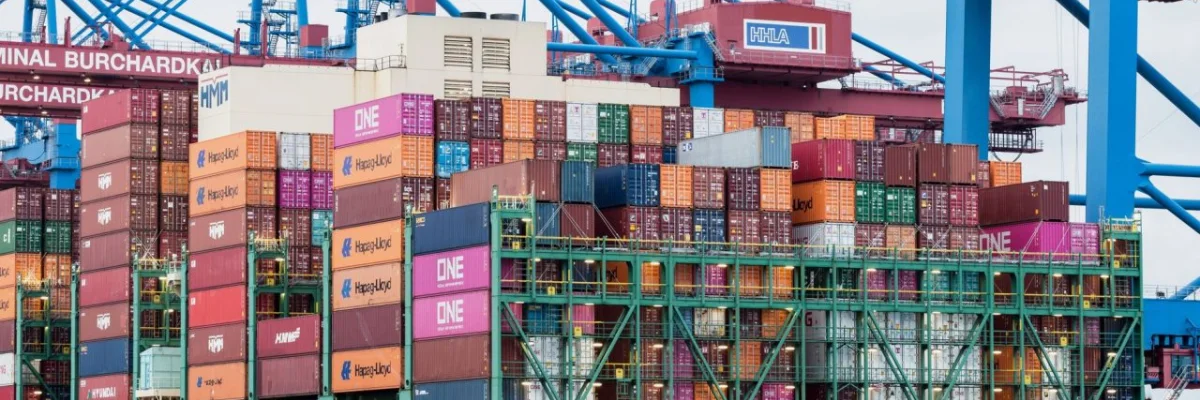
The global shipping landscape is evolving at an unprecedented pace, demanding that freight forwarders move beyond traditional manual workflows to remain competitive. As supply chain complexities grow, the reliance on fragmented legacy systems poses significant risks to operational efficiency and profit margins. Modern logistics professionals must now embrace cloud-based platforms that provide real-time visibility, automated documentation, and seamless communication across the entire maritime journey. By transitioning to digitized infrastructure, forwarders can better manage volatile schedules, optimize container utilization, and deliver superior customer service. This shift is no longer just a strategic advantage but a fundamental necessity for thriving within the contemporary international shipping environment.
Mastering Port Logistics
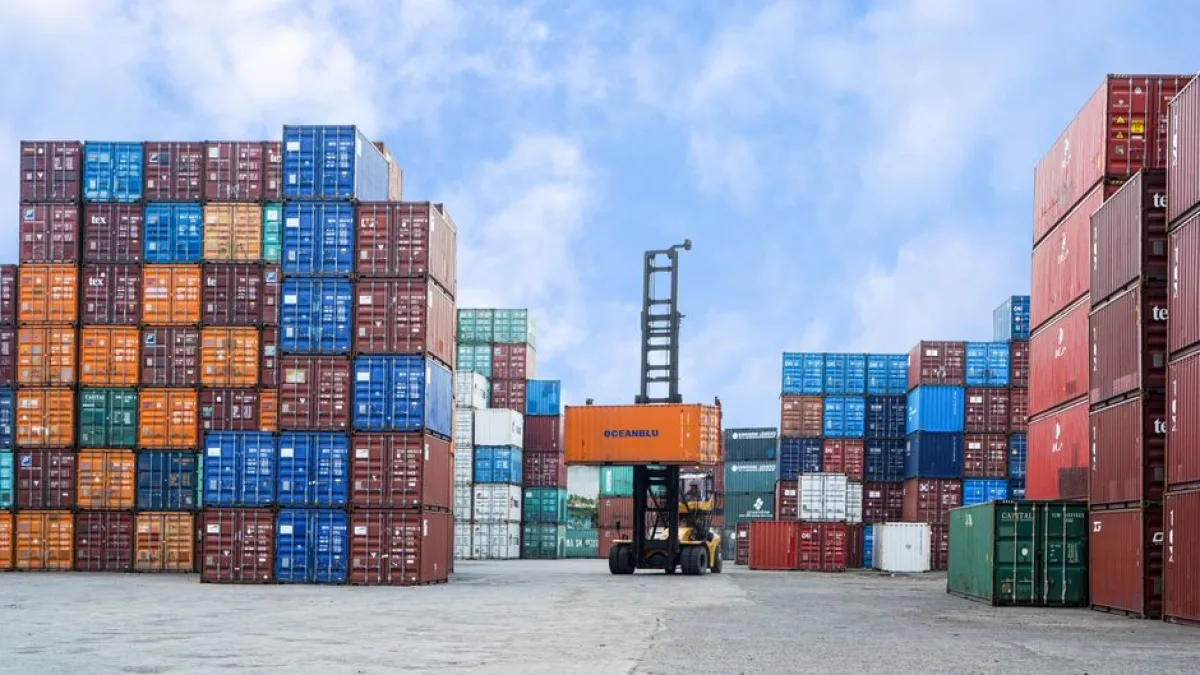
Port operations represent the most critical touchpoints in ocean freight, where precision and timing dictate the overall flow of goods. Effectively navigating terminal congestion requires advanced coordination and foresight to ensure that containers transition smoothly from vessels to inland transport hubs.
- Automated Gate Management: Digital platforms streamline gate interactions by pre-clearing documentation and optimizing appointment slots for drivers, which significantly reduces long truck queues and enhances overall warehouse throughput efficiency.
- Real-time Vessel Tracking: Leveraging live satellite data allows forwarders to monitor vessel arrival times closely, providing proactive alerts to stakeholders when unexpected berthing delays occur at busy terminals.
- Container Status Updates: Instant synchronization with terminal operating systems ensures that freight forwarders receive immediate notifications regarding container discharge, location, and potential customs holds for every shipment.
- Equipment Availability Checks: Automated systems query local depots to confirm empty container availability, preventing costly delays caused by missing inventory at the pickup location during busy seasons.
By digitizing port interactions, forwarders successfully eliminate common bottlenecks that cause systemic delays throughout the supply chain. When information flows freely between terminal operators, trucking carriers, and logistics managers, the entire ecosystem becomes more resilient. Implementing cloud technology empowers teams to make data-driven decisions that minimize idle time and maximize the throughput of every container handled within the port facility per day.
Streamlining Documentation Workflows

Paperwork remains a notorious hurdle in global trade, often leading to costly administrative errors and shipment delays. Digitizing these processes allows forwarders to centralize complex files, ensuring that bills of lading and customs declarations are accurate and compliant every single time.
- Electronic Bill Processing: Moving away from paper-based bills of lading enables faster transfers of title and reduces the risk of document loss during international transit cycles.
- Customs Compliance Automation: Integrated software modules automatically validate data fields against international trade regulations, ensuring that all filings are submitted correctly and avoiding heavy government penalty fines.
- Centralized Document Storage: Secure cloud repositories provide instant access to invoices, packing lists, and insurance certificates, allowing global teams to collaborate on files without needing physical mail.
- Standardized Template Creation: Pre-defined document templates help staff generate consistent shipping paperwork quickly, which minimizes human error and significantly accelerates the preparation phase of complex ocean exports.
Transitioning toward paperless documentation creates a transparent audit trail that is essential for modern compliance standards and insurance requirements. When documentation is accessible from a unified dashboard, team collaboration improves exponentially, reducing the time spent searching for missing records. This operational discipline ensures that shipments move through customs rapidly, allowing forwarders to focus their energy on expanding client portfolios rather than administrative maintenance.
Enhancing Shipment Visibility
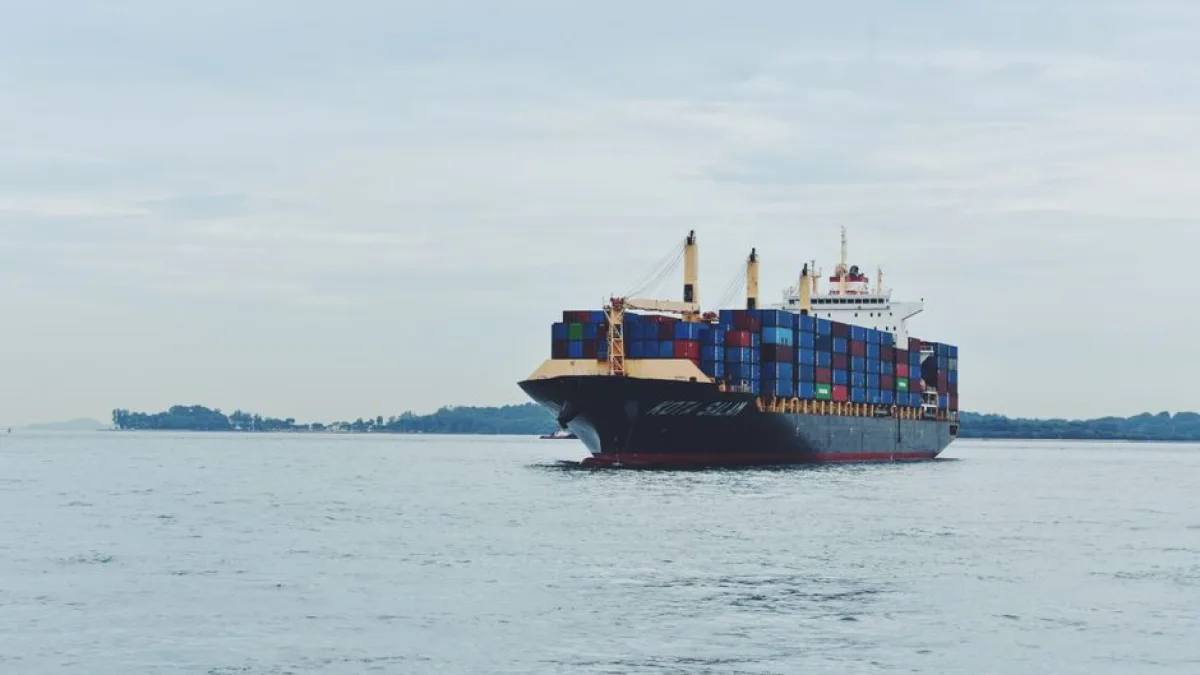
Visibility is the primary driver of customer satisfaction in the modern freight industry, as clients demand constant updates on their high-value cargo. Utilizing cloud technology provides a single source of truth that keeps all parties informed about precise shipment locations.
- Live Milestone Tracking: Automated systems push real-time notifications for every significant milestone, keeping clients updated from the initial departure to the final inland delivery point without manual intervention.
- Interactive Client Portals: Dedicated login areas allow customers to view their shipping status, download reports, and communicate directly with their account managers through a secure environment.
- Exception Management Alerts: Sophisticated algorithms monitor for anomalies, such as unexpected route deviations, and trigger instant alerts to resolve issues before they result in long-term delays.
- Predictive Arrival Timing: Advanced machine learning models analyze historical lane data and weather patterns to provide more accurate arrival estimates than standard carrier-provided schedules currently offer today.
Transparency strengthens the relationship between forwarders and their clients by building trust through consistent, high-quality information delivery. When customers can self-serve their tracking needs, the support burden on internal logistics teams is significantly reduced. This shift enables personnel to handle more shipments with higher accuracy, ultimately scaling the business effectively while maintaining the high-touch service levels that modern shippers expect from partners.
Optimizing Carrier Management

Building strong relationships with ocean carriers is vital for securing competitive rates and reliable space during peak seasons. Using data analytics allows forwarders to evaluate carrier performance objectively and negotiate better terms based on historical volume, transit speed, and service quality metrics.
- Performance Analytics Dashboard: Detailed reporting tools track carrier transit times and reliability, allowing management to rank vendors based on real-world data rather than subjective historical perceptions alone.
- Automated Rate Requests: Integrated platforms allow forwarders to blast rate requests to multiple carriers simultaneously, enabling quick comparisons that ensure the best possible pricing for clients.
- Volume Allocation Tracking: Monitoring committed space allocations prevents over-booking issues and helps forwarders maintain healthy relationships with carrier partners during periods of tight global equipment capacity.
- Cost Trend Analysis: Analyzing freight cost fluctuations over several years helps forwarders forecast market changes, allowing them to offer more competitive and stable long-term contracts to customers.
Strategic carrier management transforms shipping from a commodity-based transaction into a robust partnership that delivers consistent value for all stakeholders involved. By leveraging cloud tools, forwarders gain the leverage needed to optimize their procurement strategies and navigate volatile market conditions with confidence. A data-driven approach to carrier selection ensures that logistics providers remain profitable while delivering exceptional service to their global client base.
Conclusion

Modernizing ocean freight operations is essential for forwarders who seek long-term growth and operational stability. By adopting digital tools to manage documentation, visibility, and carrier relationships, businesses can overcome traditional hurdles and drive higher profitability. Embrace the power of cloud-based freight software to streamline your daily workflows today. Start your digital transformation journey with MakeCargo to ensure your logistics operations remain competitive and resilient.