Optimizing Ocean Freight Operations in the Modern Logistics Landscape
Thursday, October 1 2026

Navigating the complex world of ocean freight requires precision, adaptability, and the right technological toolkit to stay ahead of industry disruptions. As global supply chains face unprecedented pressure, freight forwarders must transition from manual spreadsheets to integrated cloud-based platforms to maintain visibility and efficiency. From managing fluctuating container rates to coordinating intricate customs clearance procedures, the challenges are significant yet manageable with a structured approach. This article explores essential strategies for enhancing your shipping workflows, reducing overhead costs, and delivering superior service to your clients. By adopting data-driven practices today, you position your logistics business for long-term growth and resilience in a volatile market.
Digital Transformation Strategies

Digital transformation serves as the backbone of modern freight forwarding, allowing companies to automate tedious administrative tasks while gaining real-time insights into vessel movements. Moving to a centralized cloud platform eliminates data silos, ensuring that every stakeholder accesses a single, accurate version of truth regarding shipment status.
- Automated Data Entry: Implement software that automatically captures document data to reduce manual input errors and save your operations team hours of repetitive work each week.
- Cloud Collaboration Tools: Utilize shared digital workspaces to enable seamless communication between carriers, agents, and your internal staff, significantly reducing long email chains and confusion.
- Real-time Visibility Dashboards: Access instant updates on cargo locations and arrival times, which empowers your team to make proactive decisions instead of reacting to delays after occurrence.
- Standardized Document Management: Store all essential shipping documents in one secure repository to ensure fast retrieval during audits and streamline compliance with international shipping regulations easily.
By shifting your operations into a unified digital environment, you mitigate risks associated with human error and improve overall operational speed. This transition is not merely about adopting new technology, but about fostering a culture of efficiency where information flows freely across your entire network. Embracing these automated tools ensures that your business remains agile, competitive, and ready to scale effectively as your client base expands.
Effective Capacity Management
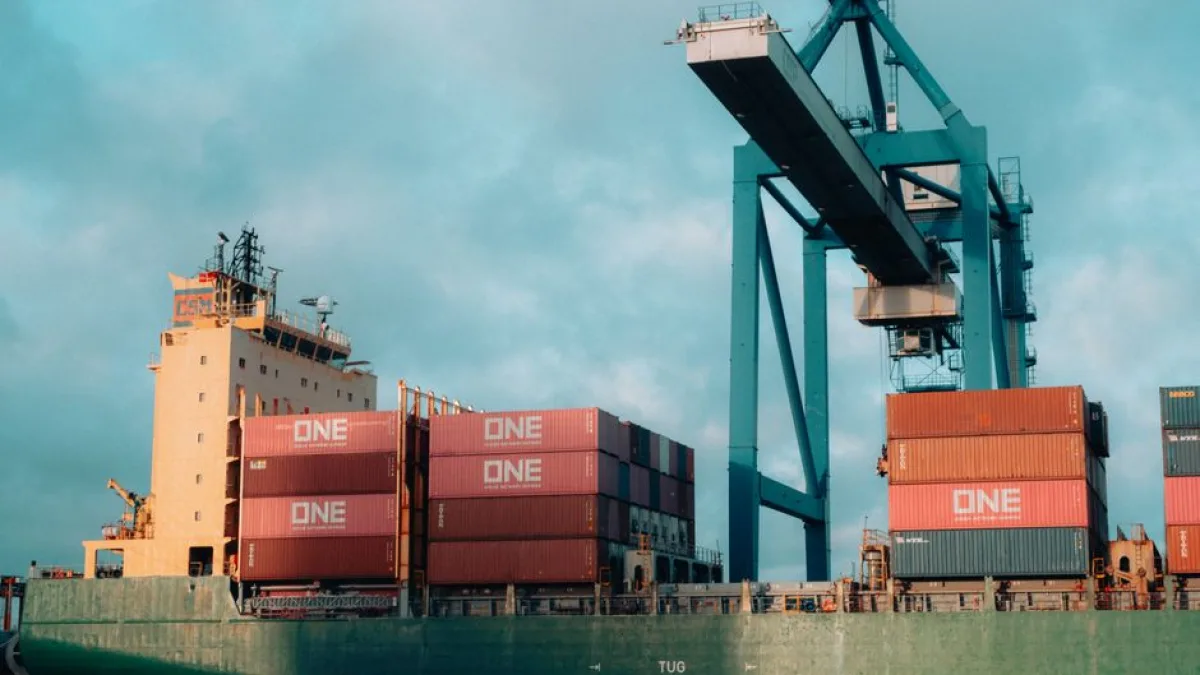
Securing reliable vessel space is a constant battle for forwarders, particularly when market capacity tightens unexpectedly. Successful capacity management relies on building strong relationships with carriers while using predictive analytics to forecast future shipping volumes and allocate resources across multiple trade lanes.
- Predictive Capacity Forecasting: Use historical data to anticipate seasonal demand shifts, allowing your firm to secure space allocations in advance and avoid high spot market rates.
- Carrier Performance Tracking: Maintain detailed scorecards for your shipping partners to identify which carriers consistently meet transit times and offer the most reliable service levels.
- Flexible Routing Options: Develop alternative shipping routes and contingency plans that allow for rapid adjustments when port congestion or weather disruptions impact your primary lanes.
- Strategic Space Allocation: Negotiate dedicated space agreements with major lines to ensure your clients enjoy priority boarding even during periods of heavy market volatility and peak demand.
Managing capacity effectively requires a balance between long-term strategic planning and tactical responsiveness to daily market changes. When you combine predictive insights with a well-managed network of reliable carrier partners, you provide your clients with stability in an otherwise unstable environment. This proactive stance separates top-tier forwarders from the competition, as it demonstrates a commitment to reliability that clients genuinely value and trust.
Enhancing Customer Communication

Clear communication is the hallmark of a professional freight forwarder, yet many firms still struggle to keep their clients informed throughout the shipping lifecycle. Providing proactive, automated notifications regarding status changes drastically reduces the volume of inbound queries and builds trust with your customers.
- Automated Status Alerts: Trigger instant notifications to clients whenever a shipment reaches a key milestone, keeping them informed without requiring constant manual updates from your team.
- Branded Tracking Portals: Offer a customized web portal where your clients can view their shipments, download documents, and check status updates on their own schedule anytime.
- Proactive Exception Handling: Notify customers immediately when delays occur, providing them with clear options and solutions to minimize the impact on their internal supply chain operations.
- Unified Communication Hubs: Consolidate all shipment related messages within your platform, ensuring that no request is overlooked and every stakeholder has access to historical conversation logs.
Transforming how you communicate with clients changes the perception of your brand from a service provider to a strategic partner. By providing transparency, you empower your customers to plan their own operations better, which fosters long-term loyalty and reduces the time your team spends answering status update emails. Constant, clear communication is an essential investment in the reputation and sustainability of your freight business.
Compliance and Security Protocols
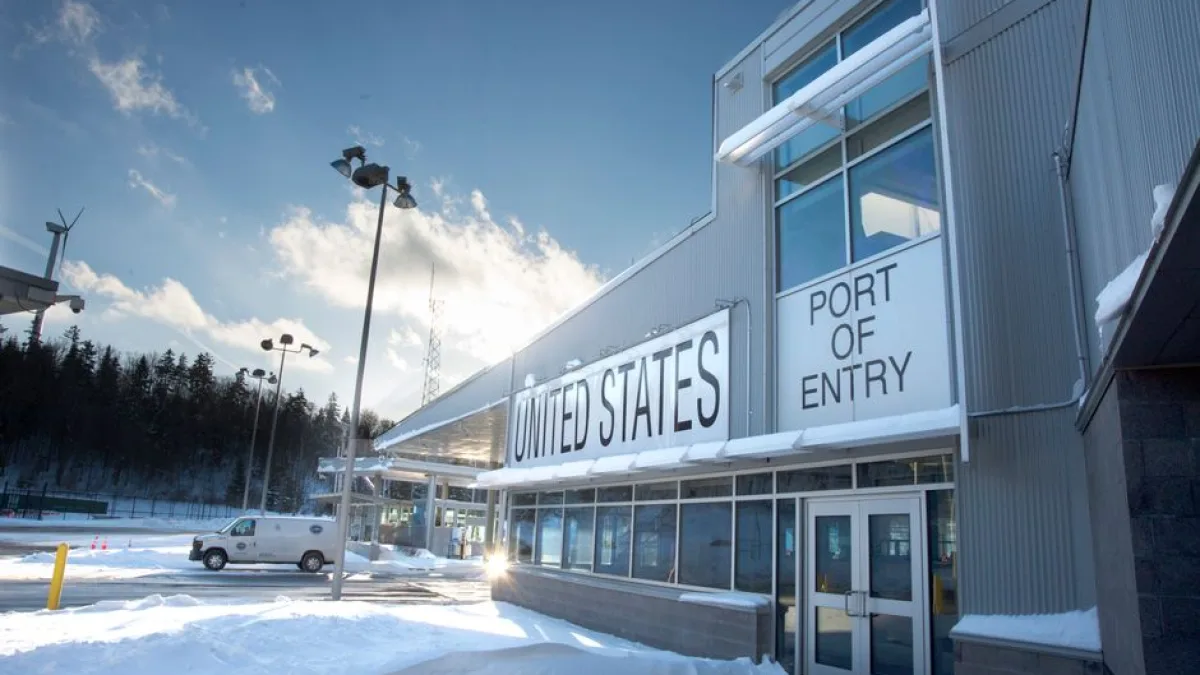
Maintaining rigorous compliance standards is essential to prevent costly delays and protect your company from legal liabilities in international trade. As regulations evolve across different jurisdictions, your team must have robust processes in place to ensure all declarations, documentation, and security filings are completed accurately.
- Integrated Customs Compliance: Sync your shipping software with government customs databases to ensure accurate declaration filings and reduce the risk of fines or cargo inspections occurring.
- Data Security Audits: Conduct regular reviews of your cybersecurity measures to protect sensitive client information and shipment data from unauthorized access or potential digital threats today.
- Regulatory Compliance Tracking: Utilize software updates that monitor changes in international trade laws, ensuring your workflows automatically adapt to new requirements in different global regions.
- Document Integrity Verification: Implement digital signatures and encryption methods to verify the authenticity of bills of lading and other vital documents during the entire transit process.
Strict compliance is the foundation of safe and efficient ocean freight operations. By investing in tools that handle regulatory complexity, you protect your clients from unnecessary delays and safeguard your firm against reputational damage. Prioritizing these security protocols shows that your organization takes responsibility seriously, ultimately providing peace of mind to everyone involved in the movement of goods across borders and oceans.
Conclusion

Optimizing your ocean freight operations is an ongoing journey that requires constant evaluation and the right technological foundation. By focusing on digital transformation, proactive capacity planning, clear client communication, and strict compliance, you build a logistics business capable of overcoming any challenge. Start refining your processes today using MakeCargo tools to ensure your forwarder thrives in this ever-changing global shipping landscape.