Optimizing Ocean Freight Operations in a Digital Era
Friday, October 2 2026
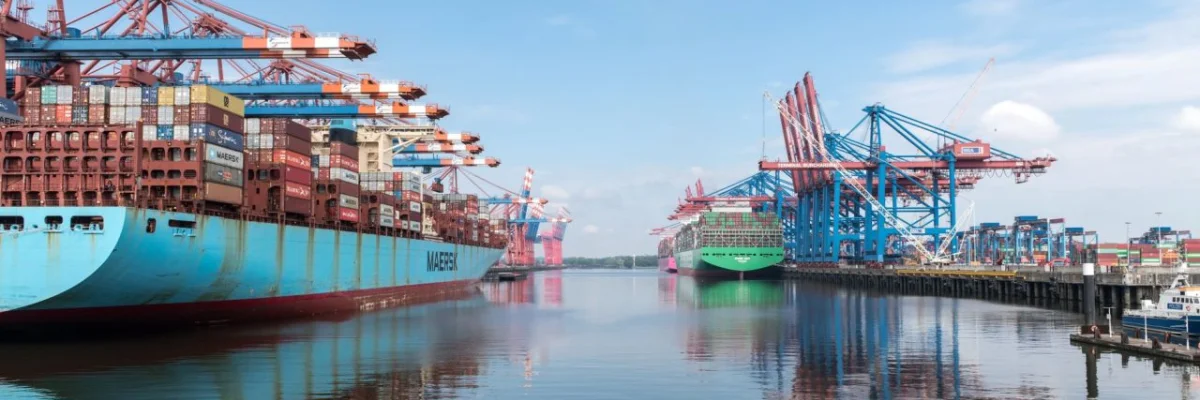
The global shipping industry is currently navigating a period of unprecedented complexity, where volatile market conditions and shifting trade regulations demand a higher level of operational agility. Freight forwarders are increasingly looking toward cloud-based solutions to replace archaic, manual processes that lead to bottlenecks and communication delays. By integrating advanced technology into daily workflows, businesses can secure better visibility, enhance carrier relationships, and improve overall service reliability. Adapting to this digital transformation is no longer a luxury but a fundamental requirement for companies aiming to remain competitive and scale their operations within the highly demanding international ocean freight market.
Streamlining Booking Processes
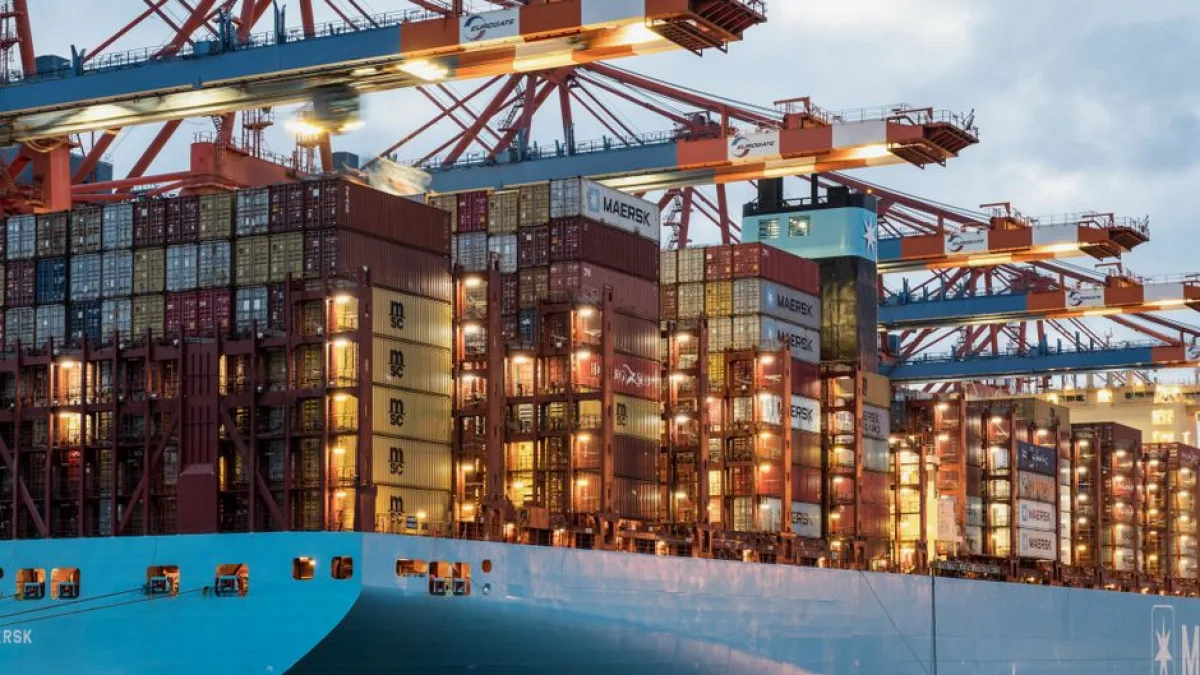
Efficient booking management remains the cornerstone of successful ocean freight logistics, yet many firms still struggle with disjointed workflows. Digitizing the booking request process reduces manual errors and ensures that crucial information flows seamlessly between the forwarder, carrier, and the customer.
- Automated Rate Search: Accessing real-time pricing data through digital platforms allows forwarders to compare multiple carrier options quickly and provide competitive quotes to clients without unnecessary administrative delay.
- Instant Booking Confirmations: Automated systems generate and send booking confirmations instantly upon carrier approval, eliminating the need for tedious manual follow-up emails and reducing potential data entry mistakes.
- Centralized Document Storage: Keeping all booking-related documents, such as bill of lading drafts and shipping instructions, in one secure location prevents version control issues and enhances team collaboration.
- Integration with Carriers: Direct API connections with major shipping lines allow for seamless data synchronization, ensuring that any changes in vessel scheduling are captured and updated automatically.
Adopting automated booking systems fundamentally changes how freight forwarders handle daily volume by removing repetitive manual tasks. When teams spend less time chasing information via email, they can focus on high-value activities like relationship building and account management. This shift not only increases operational speed but also creates a scalable framework that supports growth while maintaining service quality in a fast-paced environment.
Real-time Shipment Visibility

Transparency is the most critical expectation for modern shippers, and achieving it requires robust tracking capabilities. Leveraging live data feeds provides forwarders with the tools to proactively manage exceptions rather than simply reacting to delays after they have already occurred.
- Live Tracking Updates: Advanced platforms provide granular details about container movements, allowing forwarders to monitor vessel status and port dwell times with precise accuracy around the clock.
- Exception Management Alerts: Automated notifications alert operational staff immediately if a shipment faces potential delays, enabling them to communicate proactively with clients to manage their expectations early.
- Dashboard Analytics Tools: Centralized dashboards offer visual representations of shipment milestones, making it easier for managers to identify recurring bottlenecks and optimize their routing strategies over time.
- Data Driven Decisions: Access to historical performance data enables freight forwarders to assess carrier reliability, helping them make informed choices that reduce risk and improve service.
Providing customers with real-time updates fosters trust and enhances the reputation of your logistics business. By eliminating the black box of shipment status, you give clients the information they need to manage their own supply chains effectively. This transparency transforms a standard shipping service into a strategic partnership, helping you retain clients and differentiate your brand within a crowded and competitive marketplace.
Managing Carrier Relationships
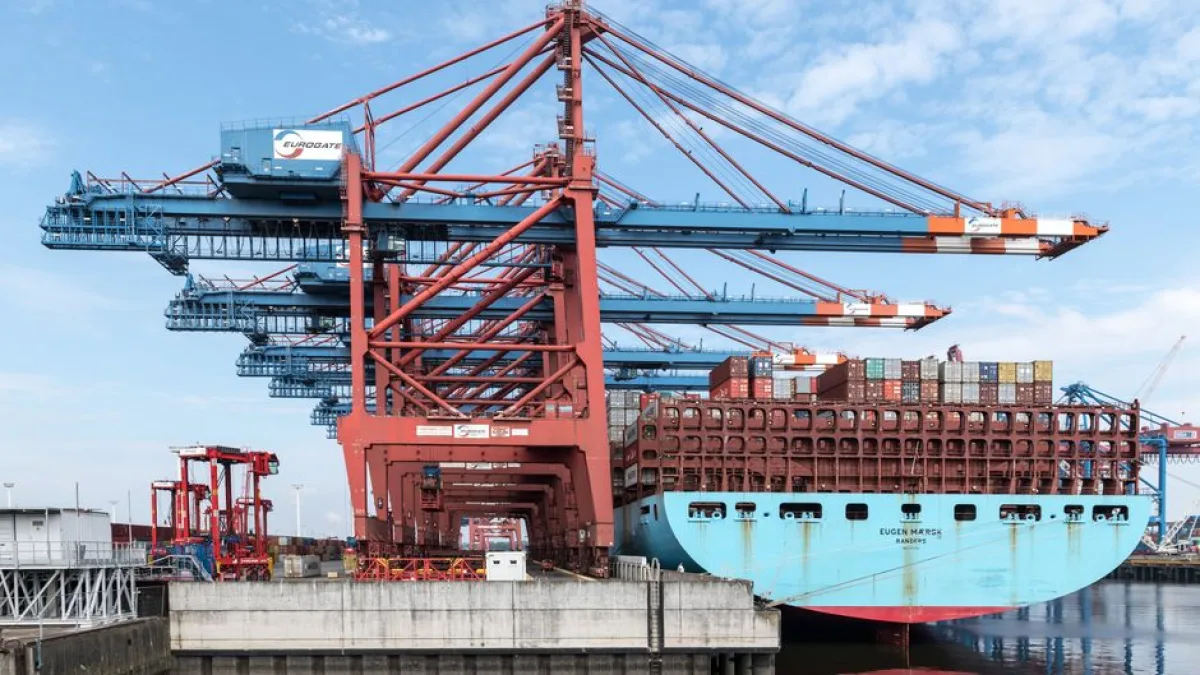
Strong partnerships with ocean carriers are essential for securing space and competitive rates, particularly during peak seasons. Effective management of these relationships relies on clear communication, accurate forecasting, and a reliable exchange of data that benefits both the forwarder and the vessel operator.
- Accurate Volume Forecasting: Providing carriers with precise projections of your cargo volume helps them manage their vessel capacity effectively, leading to more favorable allocation during periods of high demand.
- Performance Review Meetings: Regularly analyzing carrier performance metrics ensures that service level agreements are met, allowing forwarders to hold partners accountable and negotiate better terms for future contracts.
- Digital Contract Management: Storing and managing carrier contracts digitally ensures that everyone on your team is aware of current terms, conditions, and negotiated rates for various global trade lanes.
- Collaborative Issue Resolution: Using a shared communication platform for managing disputes or documentation issues creates an audit trail that makes resolving complex billing or equipment problems much faster.
Building strong carrier partnerships requires moving beyond simple transactional interactions toward a more collaborative and data-informed approach. When forwarders act as reliable partners, carriers are more likely to offer support during market fluctuations or emergency situations. Investing time in these relationships pays dividends in the form of improved cargo space priority, better pricing structures, and more reliable outcomes for your end customers.
Optimizing Documentation Workflows

Processing shipping documents remains one of the most time consuming aspects of ocean freight, yet it is where errors most frequently occur. Modernizing how documents are created, approved, and shared is a vital step toward reducing administrative overhead and speeding up the clearance process.
- Template Based Generation: Creating standardized document templates for house bills of lading and commercial invoices ensures consistency across all files, reducing the likelihood of customs clearance delays.
- Secure Cloud Sharing: Using secure, encrypted portals to share documents with customers and agents prevents data leaks and ensures that all stakeholders have access to the latest versions.
- Automated Validation Checks: System-based validation rules identify potential errors in documentation before files are submitted to customs authorities, saving significant time on corrections and avoiding costly penalties.
- Digital Signature Integration: Implementing electronic signature capabilities accelerates the approval process by allowing authorized personnel to sign critical shipping documents from anywhere in the world instantly.
Refining documentation workflows is an essential part of increasing the overall velocity of your supply chain operations. By removing the reliance on physical paper and manual verification, you create a leaner process that minimizes risk and accelerates revenue collection. These improvements not only save your internal team significant labor hours but also demonstrate professional excellence to your clients through flawless, timely document handling.
Conclusion

Transforming your ocean freight operations requires a commitment to digital integration and continuous process improvement. By utilizing cloud-based software to manage bookings, track shipments, nurture carrier relationships, and streamline documentation, you position your firm for long-term success. Focus on adopting these technologies today to drive efficiency, improve client satisfaction, and gain a sustainable advantage in the global freight forwarding industry through smarter, faster logistics management.