Optimizing Ocean Freight Operations in a Digital Era
Saturday, October 3 2026
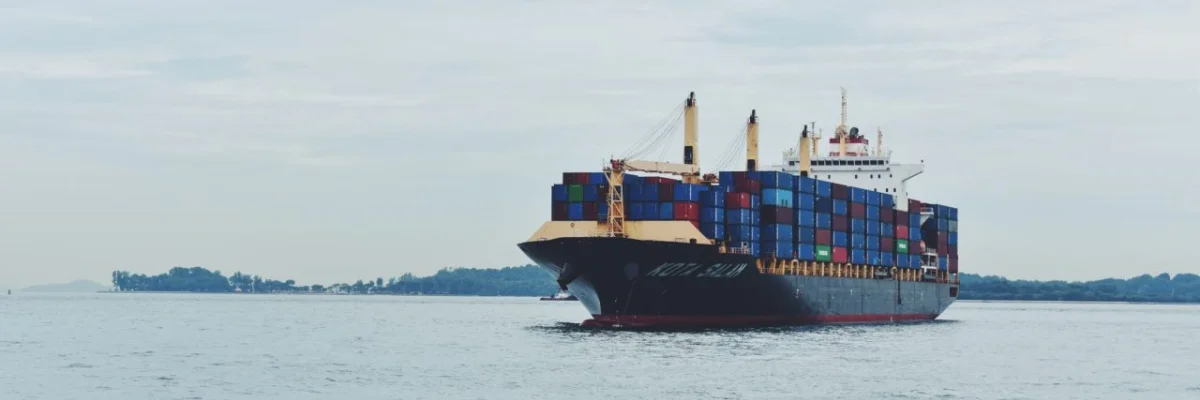
Navigating the complex landscape of global ocean freight requires more than just traditional shipping expertise in the modern age. As supply chains face constant disruption, forwarders must adapt by leveraging sophisticated technology to maintain visibility and efficiency. The shift toward digitized logistics platforms allows companies to manage vessel schedules, customs documentation, and container tracking with unprecedented accuracy. By embracing innovation, freight forwarders can reduce manual administrative burdens, minimize costly errors, and ultimately provide superior service to their clients. This evolution is no longer optional for professionals who aim to remain competitive in a rapidly changing international trade environment.
Strategic Capacity Planning
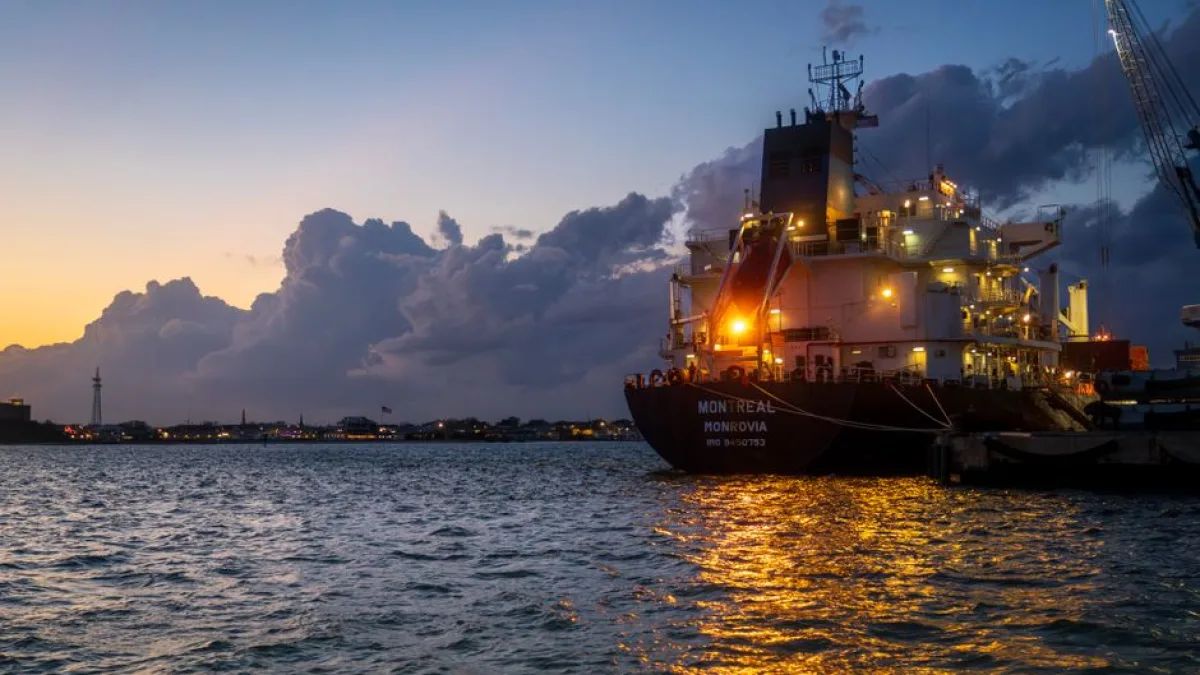
Effective capacity management is the backbone of successful ocean freight logistics. By anticipating market fluctuations and securing space well in advance, companies can stabilize their shipping timelines and ensure that client goods move through the ports without unnecessary delays or storage fees.
- Predictive Volume Analysis: Utilizing historical data and seasonal trends allows forwarders to forecast space requirements accurately, ensuring that cargo avoids being rolled over during peak demand seasons or holiday rushes.
- Carrier Partnership Building: Developing strong relationships with major shipping lines provides preferential access to capacity and better rates during periods of significant space shortages within the global shipping network.
- Route Optimization Tools: Advanced software platforms analyze transit times and port congestion levels to suggest the most efficient routing options, significantly reducing total transit time for time-sensitive customer shipments.
- Dynamic Space Allocation: Maintaining flexible space agreements allows operations teams to adjust their container needs in real time, preventing financial losses associated with booking unused or excess container capacity.
Mastering these strategic planning elements transforms how forwarders handle high volumes across volatile shipping lanes. By moving away from reactive booking methods and adopting data driven strategies, professionals gain control over their supply chain operations. This stability translates into higher customer satisfaction levels and long term profitability, as businesses can reliably meet their delivery promises even when the global freight market experiences significant fluctuations.
Advanced Shipment Tracking

Real time visibility is the most requested feature by modern shippers today. Providing clients with granular updates on their container location builds trust and allows stakeholders to plan their internal inventory replenishment cycles with a much higher degree of confidence.
- Automated Status Alerts: Proactive notification systems send instant updates regarding vessel departures, arrivals, and any unexpected deviations, keeping all supply chain partners informed without requiring manual status inquiry requests.
- Unified Data Integration: Connecting shipping systems directly with carrier APIs ensures that tracking information remains consistent and reliable across every stage of the multimodal transport process for users.
- Exception Management Workflows: Sophisticated alert systems identify potential bottlenecks or delays early, enabling operations teams to implement contingency plans before the cargo is stuck at a busy terminal.
- Client Portal Access: Providing customers with a branded self service portal for monitoring their shipments reduces incoming email volume while empowering them to manage their own supply chain information.
Transparency acts as a powerful differentiator for any freight forwarder operating in the current market. By removing the guesswork from global transport, companies enable their clients to focus on core business activities rather than chasing status updates. Investing in integrated visibility solutions eventually pays for itself by reducing administrative overhead and fostering a stronger sense of partnership between the forwarder and their end clients.
Digital Documentation Management

The manual processing of bills of lading and customs documents is a significant source of inefficiency in the industry. Moving toward paperless workflows is essential to speeding up the overall freight forwarding cycle and reducing human entry errors.
- Automated Data Capture: Optical character recognition technology extracts key information from shipping documents, populating your freight management system automatically to eliminate tedious and error prone manual data entry tasks.
- Cloud Based Storage: Centralizing all shipping documentation in a secure cloud repository ensures that team members can access necessary paperwork from any location, improving overall cross border coordination.
- Digital Signature Integration: Implementing electronic signature workflows allows for the rapid approval of documents by customers and agents, shaving days off the typical cycle for processing international shipping paperwork.
- Compliance Error Audits: Automated validation rules flag missing fields or regulatory inconsistencies in export documentation, preventing costly customs holds and ensuring total compliance with global maritime shipping trade regulations.
Adopting digital documentation standards is a critical step for forwarders looking to scale their operations. By digitizing workflows, teams spend less time shuffling paper and more time managing complex logistics challenges. This shift not only accelerates the document flow process but also significantly lowers the risk of compliance penalties, helping companies maintain a cleaner, more efficient, and fully transparent logistics operation for everyone involved.
Managing Port Congestion
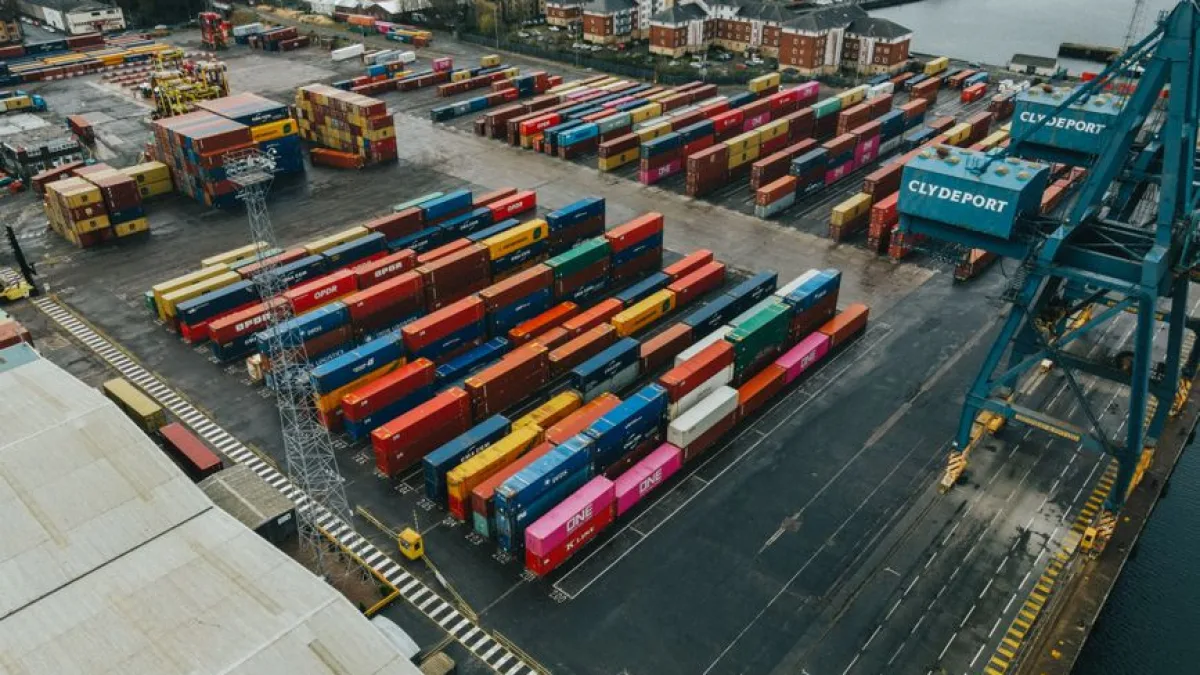
Port congestion remains a persistent challenge that can derail even the most carefully planned logistics schedules. Identifying these bottlenecks early and selecting alternative entry points can save significant time and money for your shipping clients throughout the year.
- Congestion Monitoring Feeds: Subscribing to live port performance data allows operations teams to identify terminal delays instantly and reroute cargo to less crowded ports before issues escalate further today.
- Inland Intermodal Alternatives: Leveraging rail or truck links from secondary ports offers a reliable way to bypass major coastal terminal bottlenecks, ensuring that cargo reaches its final destination faster.
- Drayage Coordination Efficiency: Using software to optimize local pickup schedules reduces time spent waiting in terminal queues, ensuring that truckers get in and out of the yard as quickly as possible.
- Buffer Inventory Strategies: Advising clients to maintain slightly higher safety stocks during periods of known terminal instability helps mitigate the impact of transit delays on their retail operations.
Adapting to terminal instability requires agility and a proactive mindset from the entire operations team. Forwarders who excel in managing port congestion provide immense value by shielding their clients from unpredictable global shipping delays. By utilizing data to make smart rerouting decisions, your firm becomes a strategic advisor that helps customers navigate through even the most difficult periods of global supply chain turbulence effectively.
Conclusion

Digital transformation is the most important factor in the future success of ocean freight forwarding. By utilizing modern software platforms to manage capacity, tracking, documentation, and port issues, professionals can stay ahead of the competition. Start streamlining your operations today by choosing an integrated freight management system that grows with your business needs and helps you deliver exceptional value to all your global shipping clients.