Optimizing Ocean Freight Operations for Modern Logistics
Sunday, October 4 2026

Navigating the complex landscape of global ocean freight requires more than just reliable shipping lanes and competitive carrier rates. As supply chains face increasing volatility and rising customer demands for transparency, freight forwarders must transition from legacy manual processes to integrated digital solutions. By leveraging modern cloud technology, logistics providers can gain real time visibility into cargo movements, minimize costly delays, and significantly improve operational efficiency. This shift is essential for companies aiming to remain competitive while scaling their operations in an increasingly interconnected global market. Embracing automation will define the future leaders of the logistics industry and improve overall service reliability.
Digitizing Booking Management
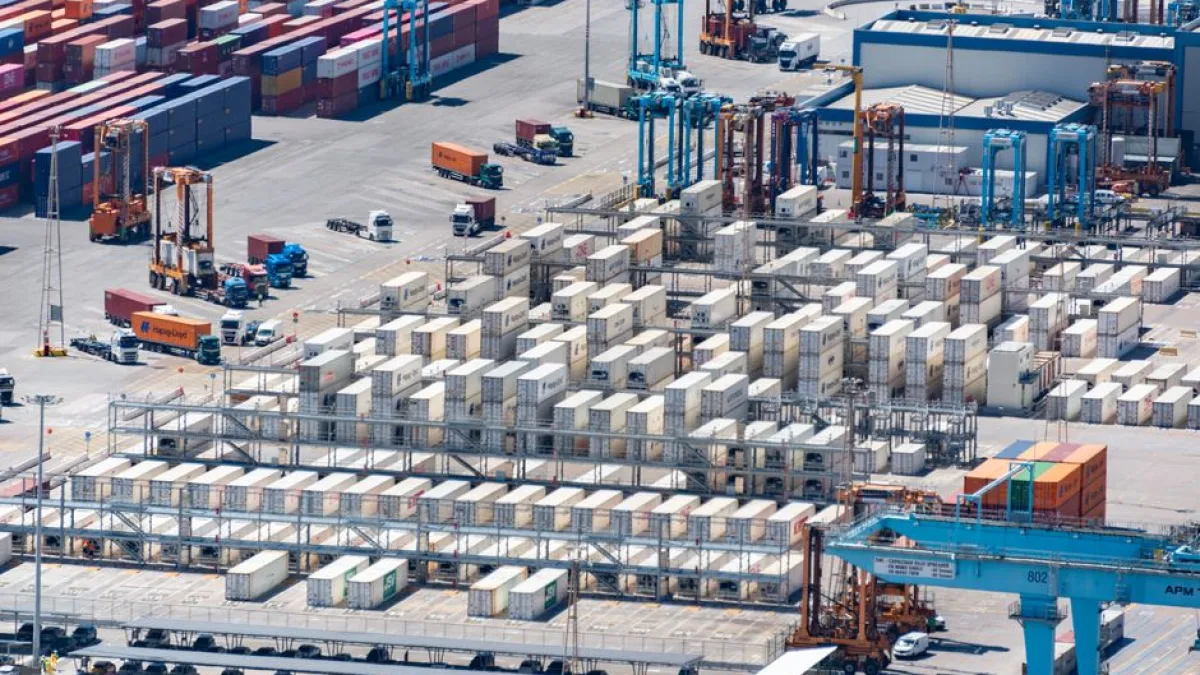
Efficient booking management lies at the heart of successful ocean freight operations. By centralizing requests and carrier confirmations in a single digital platform, forwarders reduce manual data entry errors and accelerate the turnaround time for critical shipment documentation and capacity planning.
- Automated Rate Requests: Integrated platforms allow forwarders to solicit quotes from multiple carriers simultaneously, ensuring they select the most cost effective options while maintaining strict delivery schedules for their clients.
- Centralized Booking Portals: Consolidating all booking data into one cloud environment eliminates fragmented email threads and ensures that every team member accesses the most accurate shipment status updates.
- Real Time Integration: Syncing systems directly with carrier APIs provides instant confirmation of space allocations, which prevents the common issues associated with manual data entry or communication delays.
- Error Reduction Protocols: Built in validation checks ensure that container details, port codes, and client information are accurate before final submission, which significantly lowers the risk of expensive documentation penalties.
Transforming how your agency handles bookings will foster stronger relationships with carriers and clients alike. By removing the friction often associated with administrative tasks, your team can focus on higher value strategic initiatives. This digital approach ensures that capacity planning becomes a proactive process rather than a reactive scramble, ultimately leading to higher customer satisfaction rates and a more robust foundation for scaling your global operations.
Optimizing Container Load Planning
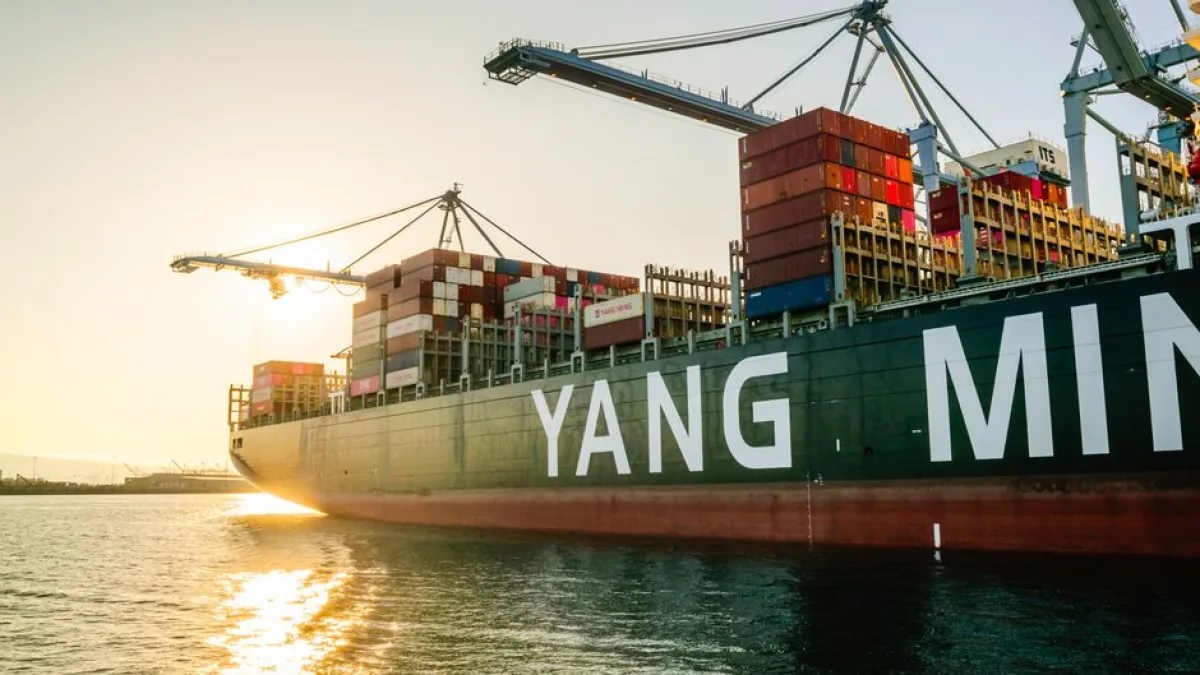
Maximizing container utilization is critical for profitability in the ocean freight sector. Advanced planning tools help operations teams calculate optimal loading patterns, effectively balancing weight distributions and space availability to reduce the number of containers required for each individual shipment.
- Smart Space Utilization: Intelligent software algorithms analyze cargo dimensions and weight to suggest the most efficient loading configurations, which reduces shipping costs and maximizes the total capacity used.
- Visual Load Planning: Interactive tools provide a clear graphical representation of container interiors, allowing staff to visualize placement and ensure that heavy cargo is distributed correctly for stability.
- Weight Compliance Checks: Automated calculation tools verify that all container weights comply with international safety regulations, preventing legal complications and expensive fines at major port terminals worldwide.
- Reducing Empty Space: By accurately predicting the volume required for specific goods, forwarders can minimize the number of underutilized containers, which directly improves the profitability of every journey.
Optimizing how cargo is placed inside containers serves as a cornerstone for cost control and operational safety. When your team implements these digital load planning tools, they reduce wasted space and decrease the likelihood of damaged shipments during transit. Consistent adherence to these best practices builds trust with clients, proving that your agency prioritizes precision and safety in every single ocean export.
Tracking Real Time Visibility

Modern clients expect total visibility throughout the entire ocean freight lifecycle. Implementing tracking software allows forwarders to provide precise status updates, enabling businesses to manage inventory effectively and mitigate the impact of unforeseen disruptions at major transit hubs globally.
- GPS Tracking Integration: Seamlessly connecting with vessel monitoring services allows for constant updates on cargo location, providing reliable estimates for arrival times at final destination port terminals.
- Proactive Exception Alerts: Automated notification systems alert forwarders instantly if a vessel is delayed, allowing them to communicate proactively with stakeholders before problems escalate into major supply chain issues.
- Client Portal Access: Providing customers with a branded portal to track their own shipments increases transparency and reduces the volume of status inquiries handled by your staff.
- Historical Performance Analytics: Analyzing historical tracking data reveals patterns in vessel performance, enabling forwarders to choose routes and carriers that offer the highest levels of consistent reliability.
Delivering consistent updates through a digital interface significantly improves client retention and operational transparency. When logistics partners have access to live data, they can make informed decisions about their own warehouse and distribution workflows. This high level of service differentiates your freight forwarding business in a competitive market, establishing your firm as a reliable partner that prioritizes clear and timely communication above all.
Streamlining Documentation Workflow

Processing shipping documents remains one of the most time consuming aspects of ocean freight. Transitioning to automated documentation workflows ensures that bills of lading and customs declarations are completed accurately and processed rapidly, keeping global trade moving without unnecessary bureaucratic bottlenecks.
- Automated Document Generation: Cloud platforms convert booking data into standard shipping documents instantly, removing the need for manual typing and reducing the frequency of clerical mistakes across the board.
- Secure Cloud Storage: Keeping all shipping records in a secure, centralized digital repository simplifies the retrieval process for audits and ensures compliance with international maritime trade record regulations.
- E-Signature Integration: Incorporating secure digital signatures into the documentation workflow accelerates the approval cycle, allowing documents to be signed and filed without physical mailing or scanning delays.
- Customs Compliance Automation: Built in compliance tools automatically cross reference documentation against current international trade laws, ensuring that all submissions are correct and ready for swift customs clearance.
Automating the document lifecycle reduces the heavy administrative burden on your staff and minimizes the human errors that often delay international shipments. By streamlining these processes, your team can ensure that every export is compliant and processed in record time. Focus on building a paperless office to increase your overall throughput and provide your clients with a seamless, modern, and highly professional experience.
Conclusion
Mastering ocean freight logistics requires a commitment to digital transformation and continuous process improvement. By integrating advanced software into your daily operations, you can reduce costs, increase visibility, and provide superior service to your global client base. Start your journey toward a more efficient future today by evaluating your current workflows and exploring modern cloud solutions. Partner with MakeCargo to simplify your freight management operations effectively.