Optimizing Ocean Freight Operations in the Modern Era
Monday, October 5 2026

Navigating the complexities of global trade requires precision, visibility, and robust digital infrastructure to maintain a competitive edge. As freight forwarders face evolving supply chain challenges, the shift toward cloud-based management systems becomes essential for maintaining operational excellence. Effective ocean freight management involves balancing cost efficiency with reliable transit times while ensuring complete transparency for all stakeholders involved. By leveraging data-driven insights and integrated software solutions, logistics professionals can transform traditional cargo handling into a seamless, automated process that minimizes delays, reduces unnecessary manual overhead, and significantly enhances overall service delivery standards within the global shipping ecosystem today.
Enhancing Port Logistics Visibility
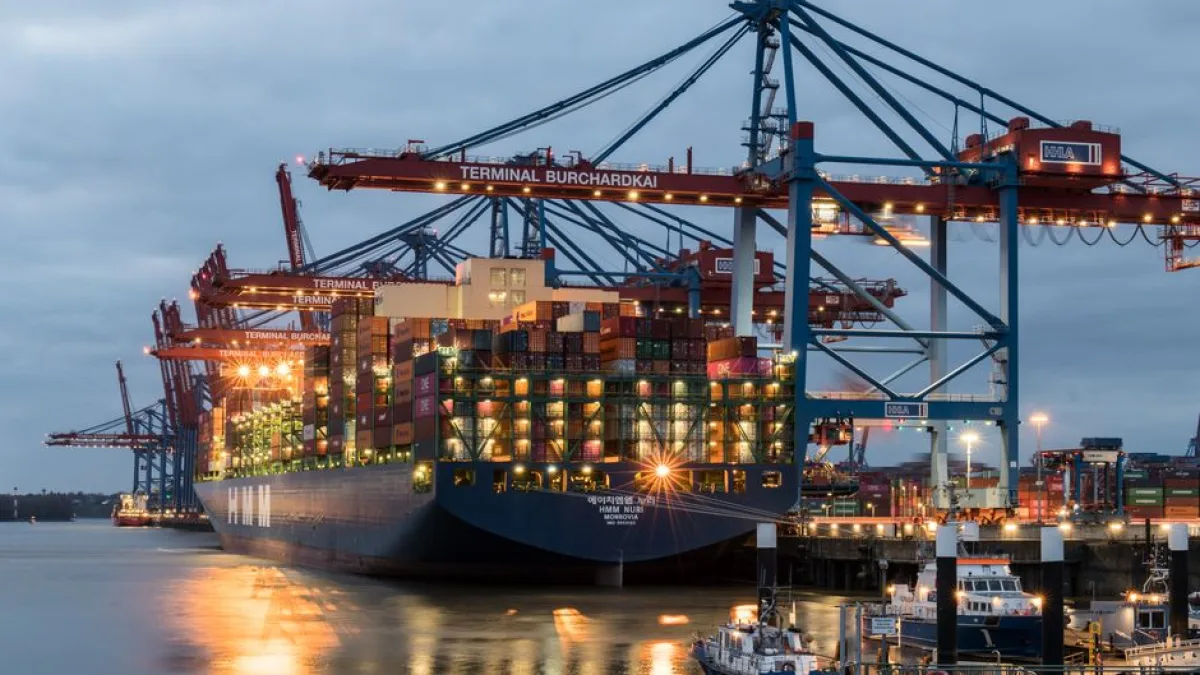
Real-time tracking of vessels provides critical data points that enable forwarders to anticipate delays and optimize routing strategies. By monitoring port congestion levels, logistics teams can proactively manage schedules and ensure that cargo arrives at its destination according to client expectations.
- Automated Tracking Updates: Integration with carrier APIs ensures that status changes are reflected in your dashboard immediately, reducing the need for manual data entry and preventing human communication errors.
- Congestion Alert Systems: Proactive notifications regarding port delays allow teams to reroute shipments before bottlenecks occur, keeping global supply chains moving efficiently despite unexpected terminal operational challenges or labor shortages.
- Customized Client Dashboards: Provide your customers with a secure portal where they can view exact vessel coordinates, improving communication and building long-term trust through total process transparency.
- Data Driven Decisions: Analyze historical vessel arrival patterns to select more reliable carriers, thereby optimizing your future booking strategies and improving overall customer satisfaction throughout the shipping lifecycle.
Visibility serves as the backbone of modern freight forwarding operations. When your team has instant access to granular data regarding vessel movements, they move from a reactive stance to a proactive operational model. This transformation not only saves valuable time but also fosters stronger relationships with clients who demand accuracy in an unpredictable global market. Embracing transparency is the first step toward achieving lasting success.
Streamlining Documentation Workflows
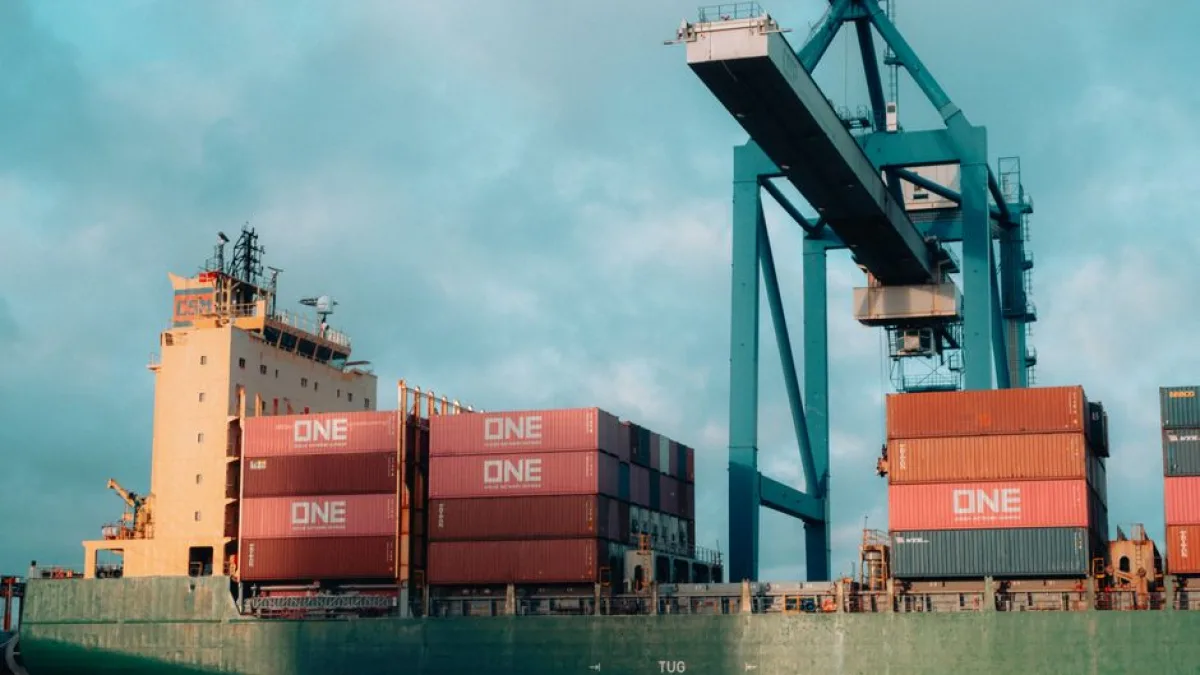
Managing complex bills of lading and customs declarations often leads to administrative bottlenecks. Streamlined digital document management enables forwarders to digitize physical records, ensuring that every shipment file is organized, accessible, and compliant with international shipping regulations at all times.
- Paperless Workflow Integration: Moving documentation to the cloud reduces physical clutter and allows multiple team members to collaborate on customs clearance files simultaneously without risk of losing data.
- Compliance Error Reduction: Built-in validation checks flag missing fields or incorrect tax codes before documents are submitted to authorities, saving days of potential delay and avoiding costly penalties.
- Secure Cloud Storage: Encrypted file management systems protect sensitive shipping data, ensuring that your company adheres to international security standards while maintaining easy access for internal stakeholders.
- Standardized Document Templates: Create uniform bill of lading formats to speed up processing times, ensuring that your back-office operations remain fast, accurate, and consistent across every active shipment.
Efficient documentation is the quiet engine powering successful ocean freight logistics. By eliminating slow, manual data entry processes, your team can focus on higher value tasks that drive revenue and growth. Investing in document automation software reduces errors that frequently plague international trade, creating a seamless experience for carriers, shippers, and warehouse staff alike while maintaining strict regulatory compliance throughout the entire shipping journey.
Managing Carrier Rate Negotiations
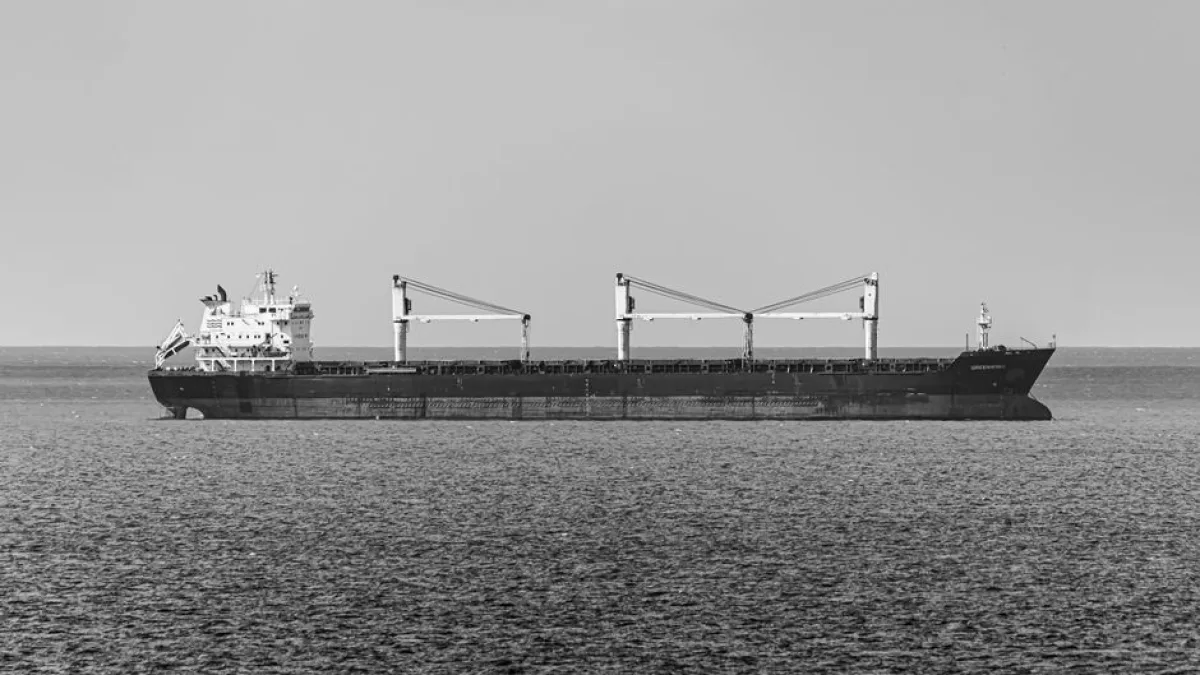
Negotiating competitive rates requires a deep understanding of market trends and carrier availability. Using centralized software platforms allows forwarders to compare thousands of quotes in seconds, ensuring the most cost effective options are selected for each unique ocean freight requirement.
- Centralized Rate Database: Maintain a master list of all carrier contracts and spot rates to instantly compare costs, helping your team make quick decisions during volatile market periods.
- Dynamic Quote Comparison: Filter results by transit time and vessel reliability to ensure that the cheapest option does not compromise the quality of service promised to clients.
- Carrier Performance Tracking: Evaluate past carrier performance regarding billing accuracy and timely arrivals to inform future negotiation strategies, ensuring you always secure the best value for money.
- Automated Booking Requests: Send booking requests directly from your management platform to carrier portals, reducing response times and ensuring you capture available space before other competitors book it.
Negotiation is a strategic game of intelligence and timing. When you arm your team with a centralized repository of rate information, you turn the tide in favor of your logistics business. This structured approach to carrier management not only optimizes profit margins but also provides a wider range of high quality shipping options to offer your diverse client base in competitive markets.
Building Sustainable Logistics Models
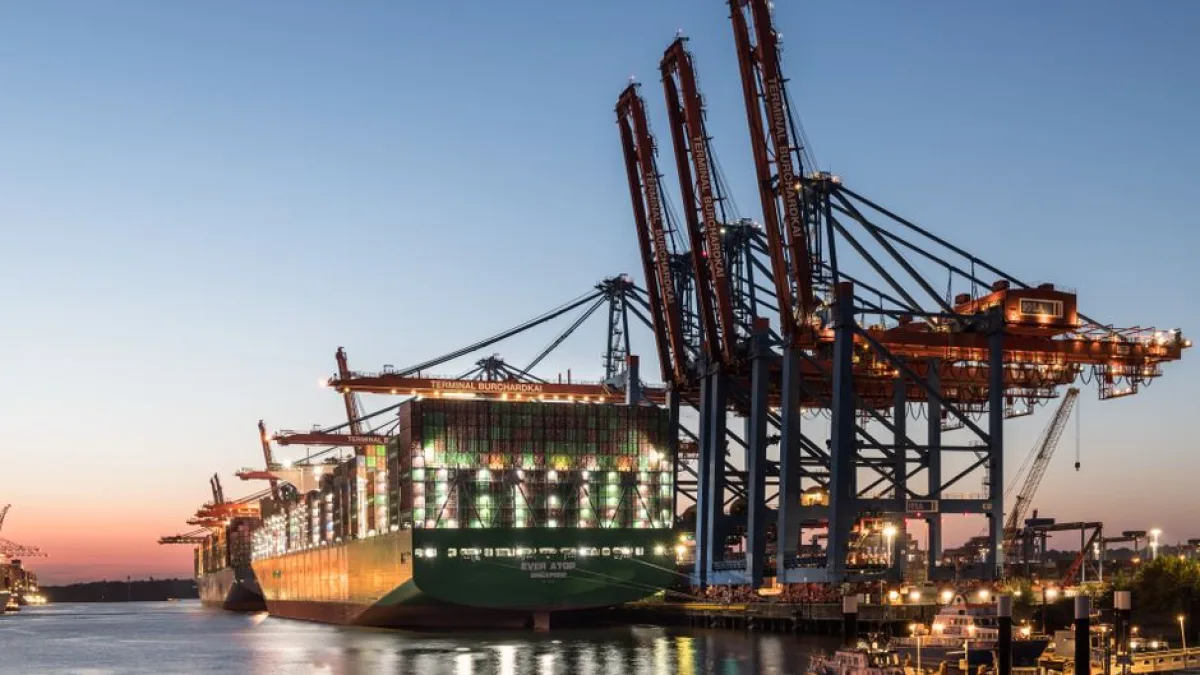
Sustainability is no longer an optional component but a core requirement for modern freight forwarders. Optimizing vessel loads and choosing fuel-efficient carriers helps reduce the overall carbon footprint of every container movement while appealing to environmentally conscious corporate partners worldwide today.
- Optimized Container Loading: Use advanced load planning software to maximize space utilization, which reduces the total number of containers needed and lowers overall transportation costs for every client.
- Eco-Friendly Carrier Selection: Prioritize partnerships with ocean carriers that invest in green technologies and low-sulfur fuels to align your business operations with global environmental and social goals.
- Carbon Emission Reporting: Provide detailed sustainability reports to your customers, allowing them to track the environmental impact of their supply chains and improve their own corporate social responsibility.
- Route Efficiency Analysis: Identify the most direct sailing routes to minimize travel distances, which significantly lowers fuel consumption and limits the carbon output of your shipping operations globally.
Integrating sustainable practices into your daily operations is a vital step toward long-term business resilience. Clients increasingly prioritize forwarders who can demonstrate a commitment to reducing the environmental impact of their global distribution networks. By focusing on load efficiency and green shipping alternatives, you position your logistics company as a responsible leader in the industry, effectively meeting the demands of a changing global market.
Conclusion

Successful ocean freight management relies on the integration of smart technology and efficient workflows. By prioritizing visibility, documentation speed, carrier intelligence, and sustainable practices, forwarders can elevate their service standards significantly. MakeCargo provides the essential digital tools required to navigate these challenges with confidence. Transform your daily operations today by adopting a cloud-based solution designed to scale alongside your evolving business goals.