Optimizing Ocean Freight Operations for Modern Logistics
Tuesday, October 6 2026

The global shipping landscape is undergoing a massive transformation driven by digital integration and real time visibility requirements. Freight forwarders are currently facing unprecedented pressure to enhance operational efficiency while managing volatile market conditions and complex regulatory environments. By leveraging cloud based platforms, professionals can gain better control over their cargo movements and reduce manual intervention. This article explores essential strategies for modernizing ocean freight workflows, ensuring that your organization remains competitive in an increasingly demanding sector. Adopting these technology driven practices will empower your team to provide superior service levels and maintain profitability throughout the entire shipping lifecycle.
Streamlining Documentation Processes

Digital transformation begins with digitizing the heavy flow of documentation required for maritime shipments. Modern systems automate data entry, reducing the errors common in legacy paper based workflows while ensuring compliance with international trade regulations and customs requirements at every stage.
- Automated Data Entry: Implement smart systems that automatically extract information from shipping documents to eliminate manual keying errors and significantly reduce the time spent on repetitive administrative data tasks.
- Centralized Cloud Storage: Maintain a single source of truth for all shipping documents to ensure that stakeholders can access critical files from any global location instantly and securely.
- Customs Compliance Integration: Utilize software features that sync with regional customs authorities to ensure all filings are accurate and submitted within the required regulatory timeframes every time.
- Audit Trail Visibility: Keep a transparent record of all document changes to ensure your team remains accountable and prepared for any internal or external audits during peak seasons.
By moving away from manual filing systems, forwarders can reclaim hours of productivity every single week. This shift allows staff members to focus on high value activities like client relationship management and strategic route planning. Reliable software platforms ensure that your operational foundation remains solid, even when shipment volumes fluctuate significantly. Investing in these digital tools is the smartest path toward long term business sustainability.
Improving Cargo Tracking Visibility
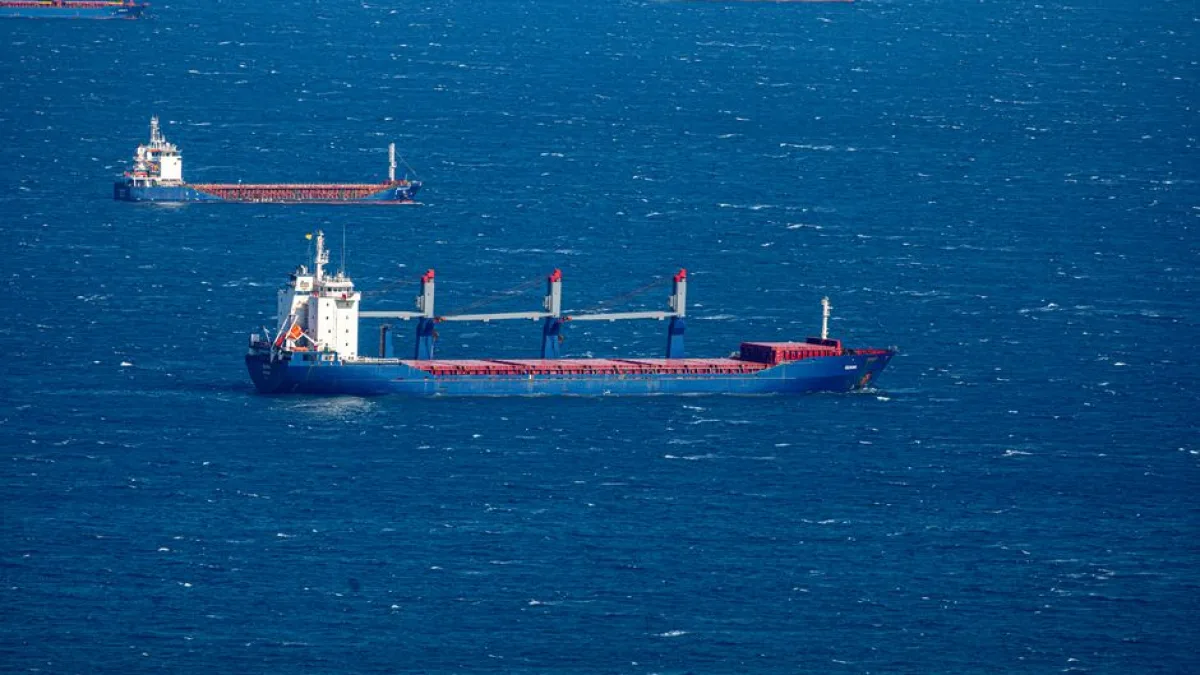
Customers today demand real time visibility into the status of their sea cargo shipments. Providing accurate, proactive updates builds long term trust and sets your firm apart from competitors who still rely on delayed updates or manual email correspondence.
- Real Time Tracking: Offer clients live dashboards that display vessel positions and shipment status to reduce the volume of status inquiries handled by your busy operations team.
- Automated Status Alerts: Send proactive notifications to your clients whenever a shipment reaches a major milestone or experiences an unexpected delay at a transit port facility.
- Vessel Schedule Monitoring: Integrate your software with global shipping line databases to track changes in arrival times, ensuring your clients are always informed about potential shifts.
- Exception Management Tools: Identify potential shipping bottlenecks before they become major problems by using predictive analytics to alert you about possible delays in the supply chain.
Visibility serves as the cornerstone of professional freight services in the digital age. When clients feel informed, they are more likely to commit to long term service agreements with your firm. By prioritizing clear communication and real time data access, you transform the shipping experience into a competitive advantage. This level of transparency fosters stronger partnerships and drives continuous growth for your company.
Managing Freight Rate Volatility

The ocean freight market is notoriously prone to price fluctuations influenced by fuel costs and capacity constraints. Effective rate management requires a data driven approach that allows you to provide competitive quotes while protecting your company margins against sudden changes.
- Instant Quoting Engines: Use smart algorithms to provide clients with immediate pricing based on the latest carrier rates, helping you win more business through rapid responsiveness.
- Dynamic Rate Updates: Sync your software with multiple carriers to keep your internal rate database updated, ensuring that your sales team always has accurate pricing data.
- Historical Cost Analysis: Evaluate past shipping costs to identify seasonal pricing trends and negotiate better long term contracts with carriers for your most frequent shipping lanes.
- Markup Strategy Automation: Apply consistent markup rules across your client base to ensure profit targets are met without the need for manual calculations during busy quotation periods.
Mastering rate management allows your business to stay agile in a volatile market environment. When you provide accurate quotes quickly, you gain a clear edge over competitors who are slower to react to pricing shifts. Keeping tight control over your financial data ensures that your logistics operations remain profitable, even during times of market uncertainty. Use data to secure your future financial success.
Enhancing Carrier Communication Efficiency
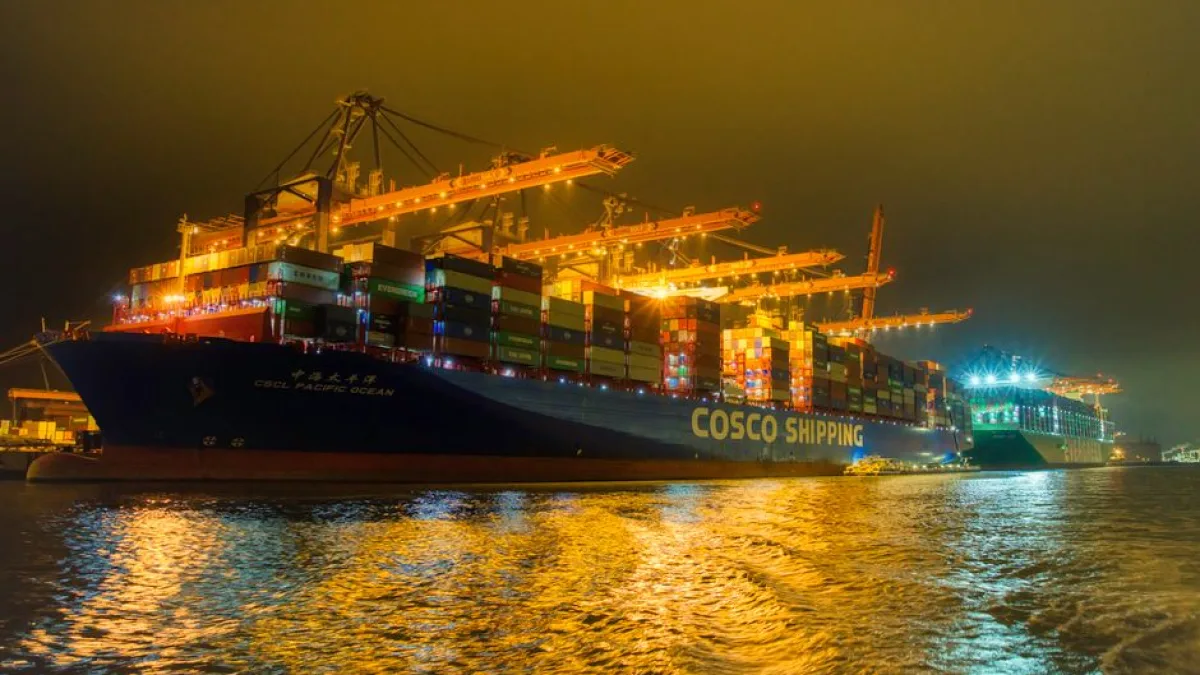
Effective collaboration with carriers is essential for successful freight forwarding operations. Reducing the friction caused by communication silos ensures that information flows seamlessly between shipping lines, your operations team, and your end customers throughout the entire shipping process.
- Unified Messaging Platforms: Use integrated communication tools to keep all carrier emails and notes attached directly to the shipment file for easy reference by your entire team.
- Standardized Booking Processes: Adopt standardized templates for booking requests to speed up the confirmation time with shipping lines and reduce the likelihood of miscommunication or errors.
- Carrier Performance Reviews: Track the response time and service quality of your partner carriers to determine which vendors provide the most reliable service for your customers.
- Unified API Connectivity: Leverage modern software connections to send booking data directly to shipping lines, which eliminates the need for manual data entry into external portals.
Strong relationships with carriers translate into better service reliability for your global client base. By streamlining your communication channels, you remove unnecessary bottlenecks and speed up the booking and confirmation cycle significantly. This collaborative approach allows for smoother operations and a higher capacity to handle increased shipping volumes without adding excessive headcount. Focus on building these digital bridges to ensure superior logistical efficiency.
Conclusion

Optimizing your ocean freight operations requires a commitment to digital tools and process refinement. By digitizing documentation, improving visibility, managing rates, and streamlining carrier communication, you position your firm for sustained growth and excellence. Utilize MakeCargo as your central hub to unify these processes and elevate your professional service delivery. Start implementing these changes today to build a more resilient and profitable logistics future.