Optimizing Ocean Freight Operations in a Digital Era
Tuesday, October 6 2026
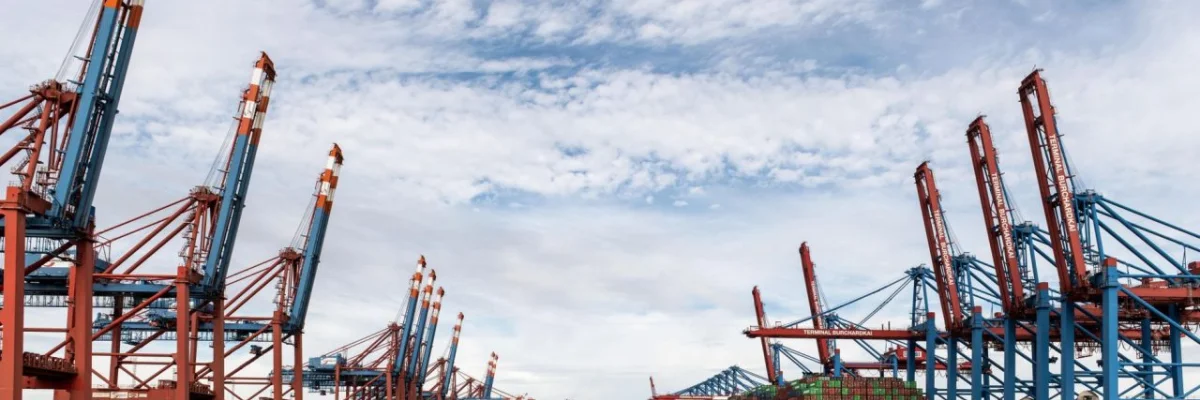
Ocean freight remains the backbone of global commerce, yet freight forwarders face increasing pressure to modernize their operations amidst rising complexity and shifting market demands. As supply chain volatility becomes the new normal, forwarders must pivot from manual legacy processes to data-driven digital ecosystems. Achieving operational excellence requires a strategic balance between robust technology adoption, precise cargo tracking, and proactive risk management. By leveraging cloud-based platforms like MakeCargo, logistics providers can effectively reduce human error, enhance collaboration across global networks, and provide customers with the real-time visibility they demand in today's hyper-connected, fast-paced international shipping environment.
Streamlining Booking Processes

Digital transformation starts with how your team handles cargo bookings, moving away from fragmented emails and spreadsheets. By automating the request for quote process, forwarders can respond to client inquiries instantly while maintaining accuracy in complex rate calculations and carrier allocations.
- Automated Rate Management: Centralize all carrier contracts and spot rates in one secure database to ensure your sales team always accesses the most accurate pricing for every specific trade lane.
- Instant Quote Generation: Reduce response times by using smart templates that automatically pull live data, allowing your staff to deliver professional quotes to clients in mere minutes instead of hours.
- Seamless Carrier Integration: Connect your platform directly with major ocean carriers to facilitate real-time booking confirmations, eliminating the need for manual data entry and reducing common human input errors.
- Centralized Documentation Workflow: Manage all booking related documents, such as shipping instructions and house bills of lading, within a single digital dashboard to keep your entire operations team aligned.
Adopting these digital booking tools allows your team to focus on high-value tasks instead of tedious administrative chores. When you streamline the front-end processes, you immediately improve customer satisfaction and increase your booking volume. This systematic approach ensures that every shipment is handled with precision from the very first inquiry, setting a professional tone for the entire lifecycle of the cargo movement.
Enhancing Real-time Cargo Visibility
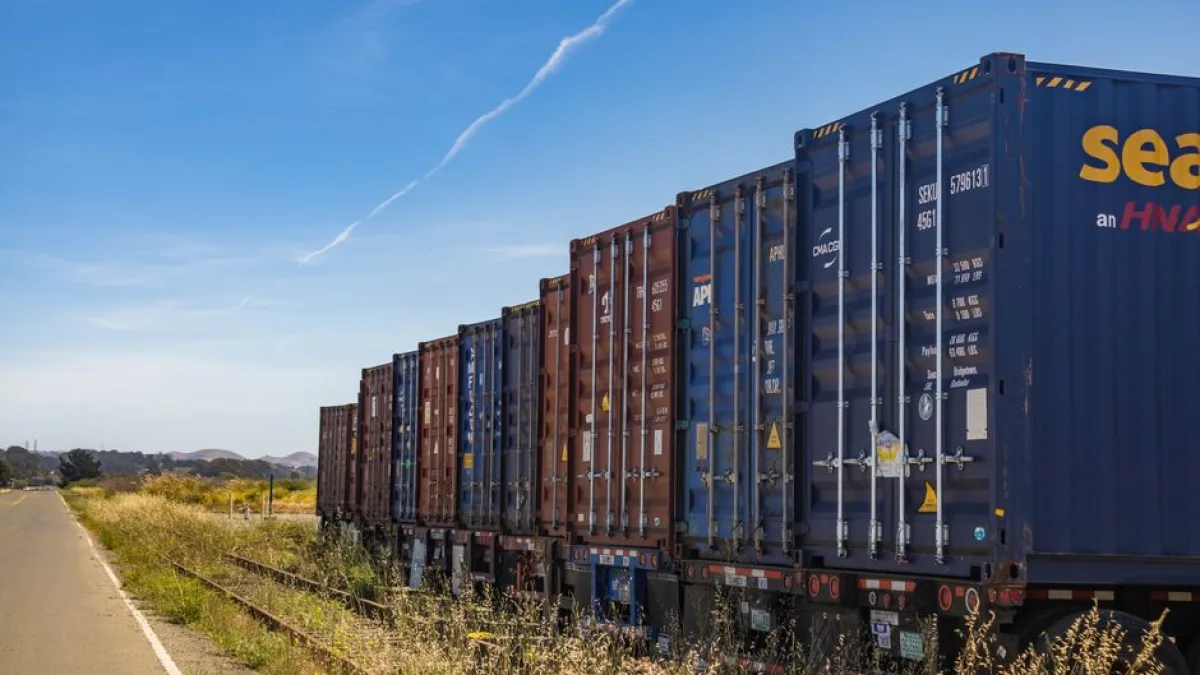
Modern clients expect full transparency regarding their freight status at every stage of the journey. Achieving this requires integrated tracking capabilities that aggregate data from multiple vessel schedules and terminal systems into a single, user-friendly customer portal for stakeholders.
- Live Vessel Tracking: Integrate GPS and satellite data to provide customers with precise container coordinates, ensuring they stay informed about exact locations during deep sea ocean freight transits.
- Automated Status Alerts: Configure customizable notification triggers that send proactive updates to clients regarding vessel arrivals, departures, or unexpected delays as they happen within the shipping network.
- Terminal Milestone Monitoring: Gain deep insight into container movements within busy port terminals by tracking gate-in and gate-out events, which helps in identifying potential bottlenecks early in the process.
- Customer Visibility Portals: Offer your clients a dedicated online gateway where they can view their shipment milestones, access live tracking links, and download essential documents without calling support.
Transparency is the ultimate currency in the logistics industry today. By providing your customers with clear, consistent updates, you build lasting trust and differentiate your services from competitors who still rely on manual status updates. This level of visibility not only reduces the volume of status inquiries but also empowers your clients to plan their own downstream logistics with much greater confidence and reliability.
Managing Complex Documentation Cycles

The paperwork involved in ocean shipping can be overwhelming, but digitization turns this burden into a competitive advantage. Standardizing your document management workflow ensures compliance with international regulations while speeding up the release of cargo at destination ports worldwide.
- Digital Bill Generation: Utilize automated systems to draft, verify, and issue bills of lading and arrival notices, ensuring that all information matches the original booking data perfectly every time.
- Standardized Compliance Checks: Implement validation rules within your software to prevent missing information or incorrect codes, which significantly lowers the risk of customs holds and expensive fines.
- Secure Cloud Storage: Maintain a searchable, digital archive of every document generated for a shipment, making audits, retrieval, and historical analysis quick, easy, and highly secure for your business.
- Collaborative Document Editing: Allow multiple stakeholders, including agents and shippers, to review or update documents in real time through a controlled platform that maintains a clear audit trail.
Effective document management is crucial for keeping freight moving without unnecessary friction at border crossings or transit hubs. When your data is clean and your documents are accurate, you avoid costly delays that impact your operational bottom line. By leveraging a centralized platform, your team can handle complex regulatory requirements with ease, ensuring that every shipment proceeds smoothly from the point of origin to destination.
Scaling Through Cloud Infrastructure

Transitioning to cloud-based logistics software is essential for forwarders aiming to scale their business operations efficiently. Cloud solutions offer the flexibility to grow your service capacity while maintaining high security and performance, regardless of how many shipments you process monthly.
- Global Team Access: Enable your remote and local team members to log in from any location, fostering seamless collaboration across different time zones and regional logistics offices globally.
- Data Security Standards: Benefit from enterprise-grade encryption and regular security updates that protect sensitive customer information and carrier contracts against evolving cyber threats in the digital marketplace.
- Seamless Software Scalability: Increase your user count and storage capacity instantly as your business expands, ensuring that your technical infrastructure always matches your current operational output requirements.
- Performance Analytics Dashboards: Use built-in reporting tools to monitor key performance indicators like profit margins, carrier performance, and team productivity, enabling better data-driven decision making for growth strategies.
Investing in cloud infrastructure is a long-term strategic decision that positions your freight forwarding company for sustained growth. The ability to access critical data from anywhere at any time gives you an agile edge in a volatile market. As your business scales, the cloud provides the stability and performance needed to support complex global operations, ensuring you stay ahead of the curve every day.
Conclusion
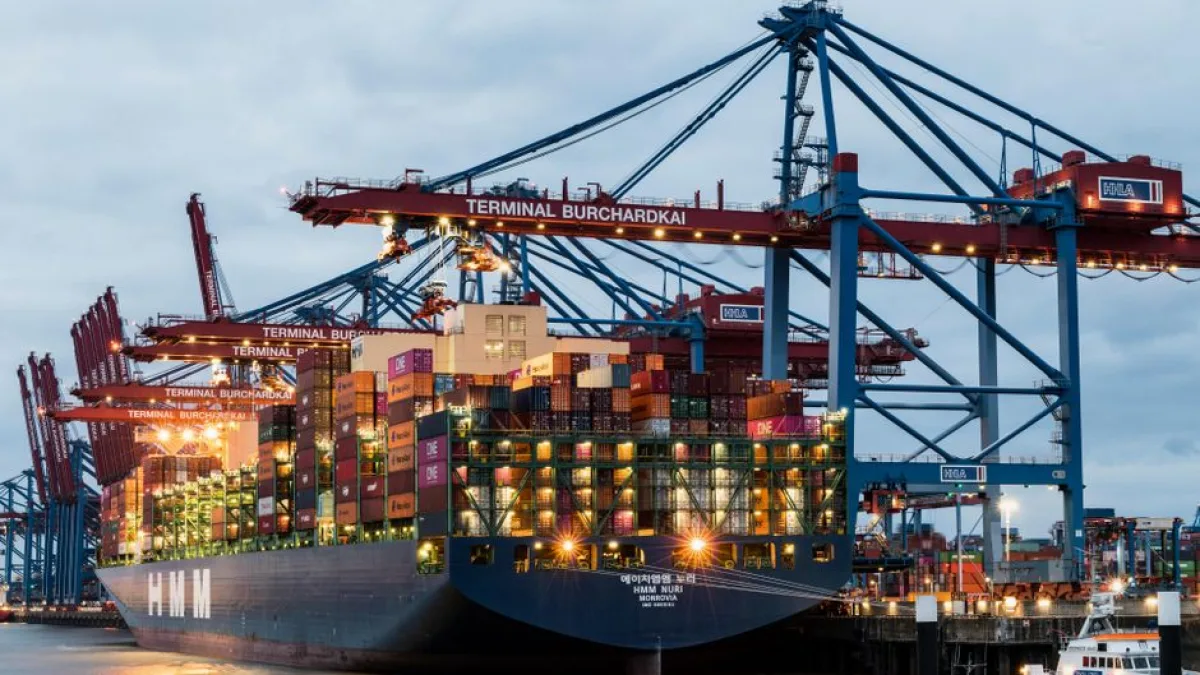
Modernizing your ocean freight operations is no longer optional in a digital global trade environment. By focusing on automated booking, real-time visibility, precise documentation, and cloud-based scalability, your freight forwarding firm can achieve greater efficiency and provide superior service to your customers. Embrace these digital tools today to optimize your workflows, reduce operational costs, and build a stronger, more resilient future for your business.