Optimizing Ocean Freight Operations in the Modern Logistics Era
Wednesday, October 7 2026
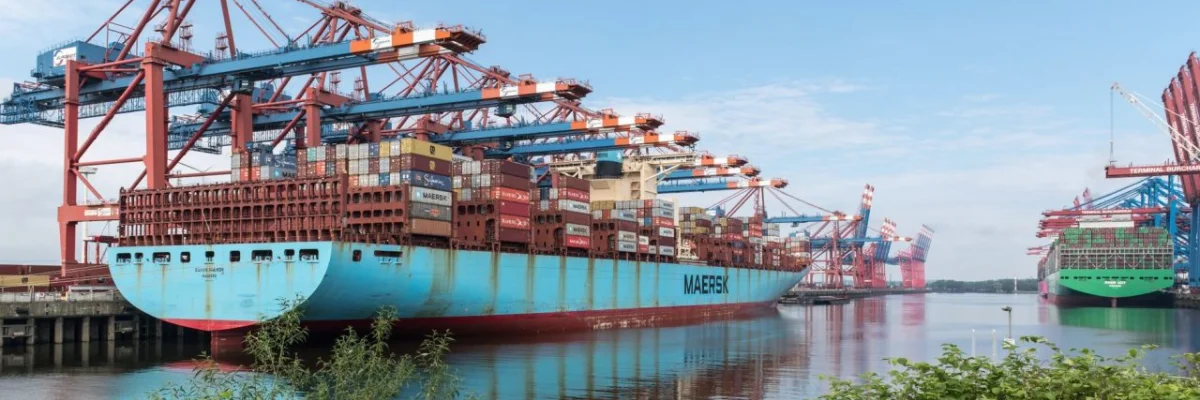
The global ocean freight industry is undergoing a rapid transformation as digital integration becomes the standard for efficient supply chain management. Freight forwarders must navigate increasing complexity, from shifting capacity demands to rigorous regulatory requirements that challenge traditional operational models. By leveraging cloud-based platforms, forwarders gain unprecedented visibility into cargo movements and vendor interactions. This shift allows businesses to move beyond manual processes and embrace automated workflows that reduce human error. Adapting to these advancements is no longer a luxury but a fundamental necessity for companies aiming to remain competitive and deliver consistent value to their global customers.
Leveraging Real-Time Visibility
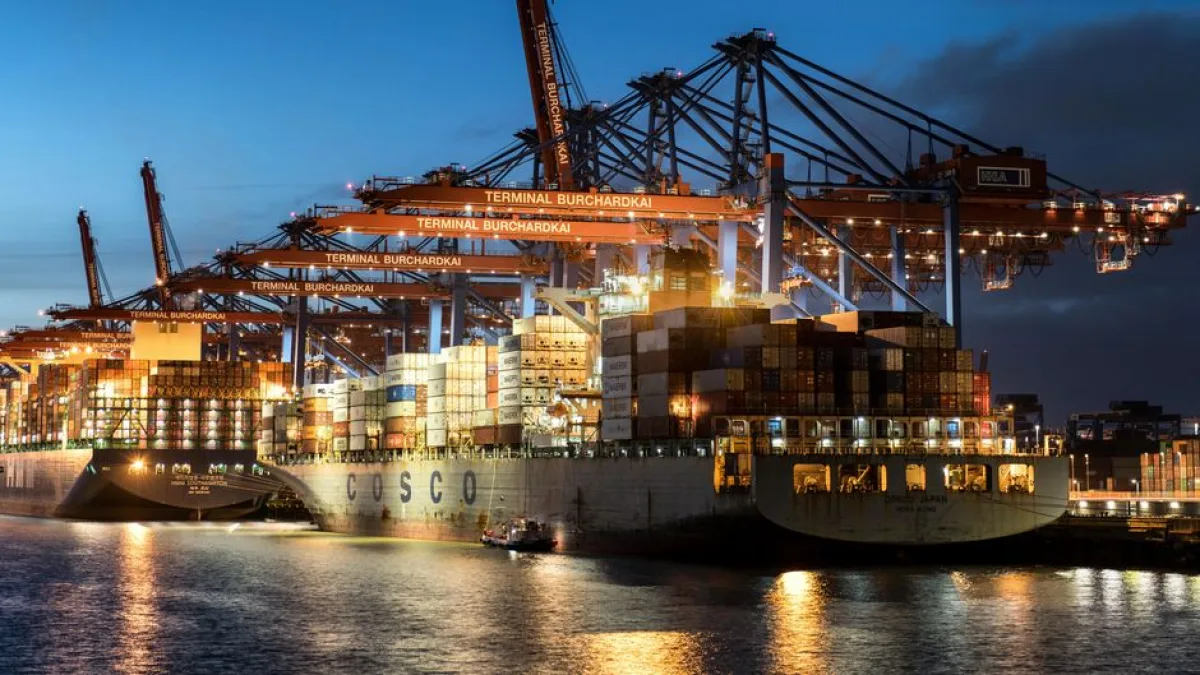
Modern visibility tools provide forwarders with a live map of their entire fleet activity, allowing for proactive adjustments to cargo scheduling. Monitoring vessel transit times and port congestion in real time ensures that all stakeholders stay informed about potential shipment delays.
- Automated status updates: Proactive notifications inform clients of shipment progress instantly, reducing the volume of manual status inquiries and freeing up your operations team to handle more complex freight tasks.
- Predictive port analytics: Advanced algorithms analyze congestion trends and historical data to predict potential bottlenecks before they happen, allowing teams to reroute cargo and avoid costly warehouse storage fees.
- Centralized data dashboards: Consolidating shipment information from multiple carriers into one platform eliminates fragmented communication, ensuring every team member accesses consistent, updated facts regarding specific ocean freight cargo movements daily.
- Carrier performance metrics: Tracking carrier reliability through objective data allows forwarders to select the most dependable partners, ensuring long term quality of service and higher satisfaction for your valuable shipping clients.
Integrating real-time visibility tools into your freight operations transforms how you interact with shipping lines and end customers. By removing the guesswork from transit monitoring, you provide a level of service reliability that distinguishes your firm from competitors. Investing in these digital solutions creates a transparent environment that fosters trust, encourages repeat business, and solidifies your reputation as a premier partner in global trade.
Automating Complex Documentation

Document automation eliminates the repetitive burden of manual data entry, which is often prone to significant errors. By digitizing bills of lading and commercial invoices, forwarders save hours of administrative time while improving overall accuracy for customs and compliance purposes.
- Intelligent document parsing: Smart software extracts key details from emails and PDF attachments, automatically populating relevant fields in your system to ensure speed and accuracy throughout the freight documentation process.
- Digital compliance validation: Automated systems check international shipping documentation against current regulatory requirements to prevent customs holds and costly fines that typically arise from human mistakes during filing procedures.
- Electronic signature integration: Incorporating secure e-signature tools accelerates the approval of critical shipping documents, allowing forwarders to finalize transactions without waiting for physical mail or manual document scanning sessions.
- Version control systems: Maintaining a single source of truth for all revised documents prevents confusion, ensuring that all partners work from the latest iterations of essential ocean freight paperwork.
Transitioning to automated documentation workflows significantly reduces your overhead costs and minimizes risks associated with shipping non-compliant materials. Your staff can focus on high-value logistics strategy instead of tedious paper shuffling. This improved operational efficiency serves as the foundation for scaling your business effectively while maintaining high standards of accuracy that international trade authorities demand from professional freight forwarding organizations today.
Streamlining Carrier Relationships
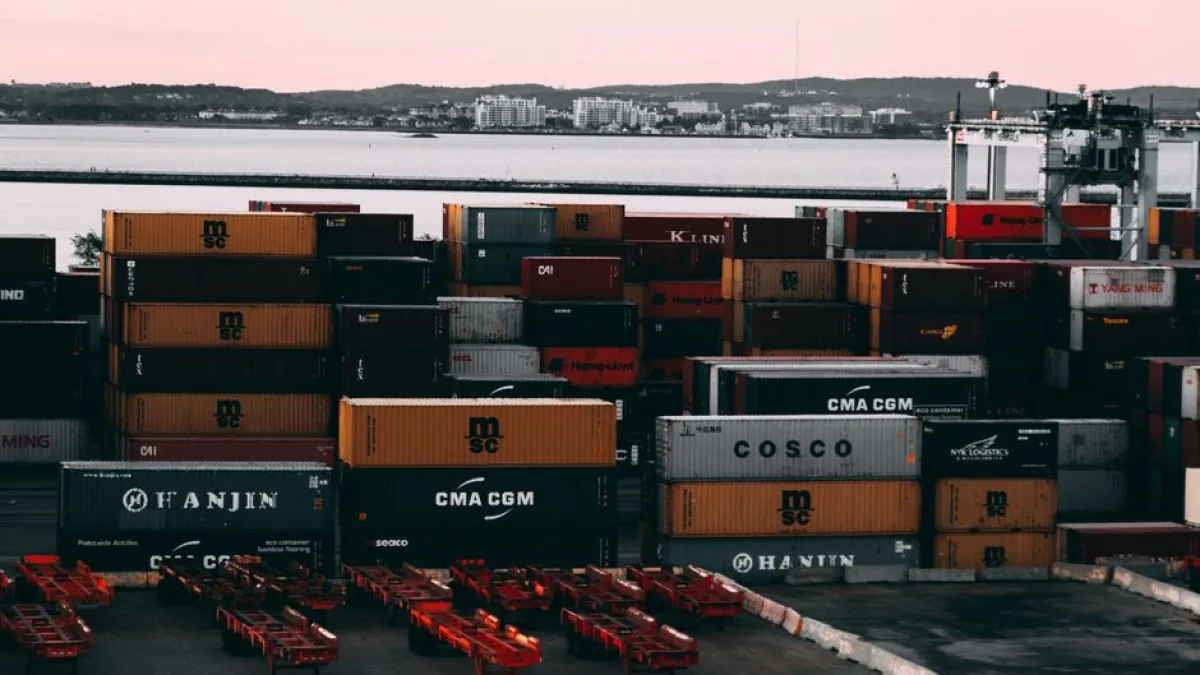
Strong partnerships with ocean carriers are vital for securing consistent space and competitive pricing. Digital platforms simplify the quoting and booking processes, fostering smoother interactions that benefit both the forwarder and the shipping lines during peak and off-peak shipping seasons.
- Unified booking portals: Submitting booking requests through a single portal saves time, as it standardizes how information is presented to carriers, leading to faster confirmations and reduced administrative friction during busy.
- Centralized contract management: Digitally storing and tracking carrier contracts ensures that teams always apply the correct rates, avoiding billing disputes and maximizing profit margins across all your ocean freight shipping routes.
- Shared communications channels: Using a common platform for correspondence keeps all carrier discussions organized and accessible, preventing information from being buried in private email threads or forgotten within personal folders.
- Data-driven rate negotiations: Analyzing historical shipping volumes through your software gives you leverage during annual contract renewals, allowing for data-backed discussions that result in better rates and service.
Effective carrier management is about more than just finding the lowest price. It is about building a sustainable ecosystem where communication flows freely and expectations remain aligned. By utilizing digital tools to manage these interactions, you ensure that your logistics firm remains a preferred partner for major shipping lines, which is crucial when global capacity is tight or demand fluctuations cause sudden instability.
Enhancing Customer Experience

The quality of your client interactions determines your long-term success in the competitive freight forwarding market. Providing a seamless digital portal for tracking and invoicing enhances client loyalty and makes your business the easy, preferred choice for their ocean freight requirements.
- Self-service customer portals: Giving clients 24-hour access to their shipping documents and status updates empowers them, significantly reducing the amount of time your staff spends answering routine customer support questions.
- Automated billing processes: Generating and sending invoices immediately upon shipment completion improves cash flow and provides customers with a professional experience that highlights your efficiency and modern business practices.
- Customizable reporting tools: Allowing clients to generate their own logistics reports gives them valuable insights into their supply chain, positioning your firm as a strategic consultant rather than a vendor.
- Secure document sharing: Offering a protected environment for sharing sensitive shipping data builds client trust, ensuring that your firm handles their private business information with the highest security standards.
Customer satisfaction in logistics is built on the pillars of transparency, speed, and reliability. When you provide your clients with intuitive tools that simplify their own operations, you become an indispensable partner in their success. This focus on user experience ensures your firm remains resilient, attracting new clients while retaining existing ones through high-quality service and seamless, professional interactions on every shipment.
Conclusion
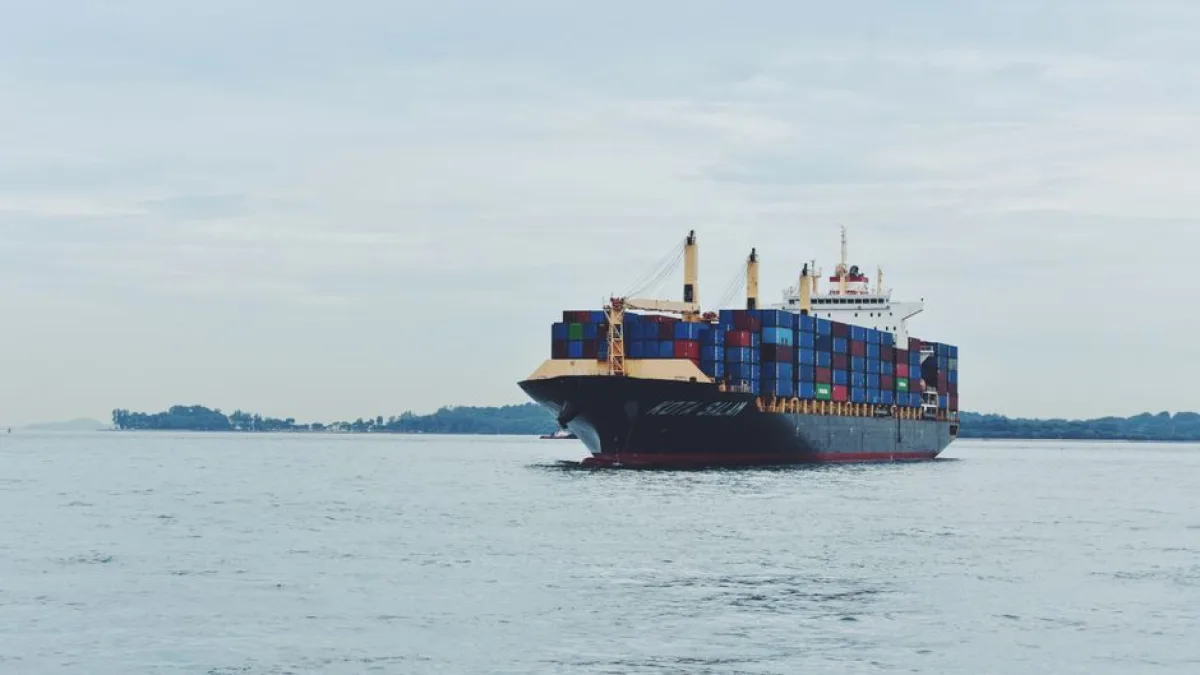
Optimizing your ocean freight operations is an ongoing journey that requires embracing modern technology. By centralizing data, automating manual tasks, and focusing on client-facing portals, your business can overcome the complexities of international trade. These digital advancements allow for greater scalability, efficiency, and competitiveness. MakeCargo supports these goals by providing the tools you need to excel in today's fast-paced, globalized logistics environment.