Optimizing Ocean Freight Operations for Modern Freight Forwarders
Thursday, October 8 2026
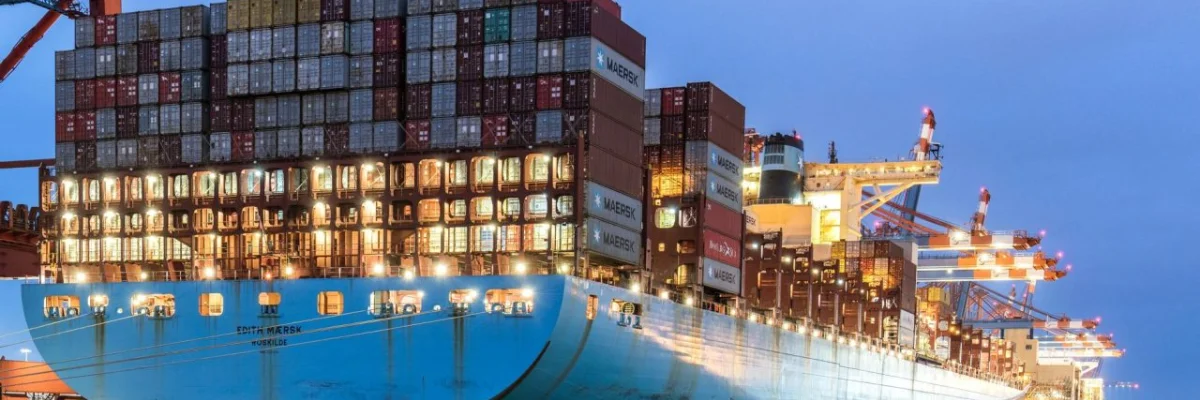
The global shipping industry faces unprecedented challenges that demand smarter operational strategies and robust digital solutions. Freight forwarders are currently navigating a complex environment characterized by fluctuating fuel prices, port congestion, and evolving environmental regulations. To remain competitive, forwarders must pivot toward data-driven decision-making and automated workflows that minimize human error. By leveraging cloud-based platforms like MakeCargo, logistics providers can gain real-time visibility into their supply chains while enhancing communication with partners. Mastering these digital tools is no longer a luxury but a fundamental requirement for those aiming to achieve sustained growth and efficiency in the dynamic world of ocean logistics.
Digital Transformation Strategies

Digital transformation represents the backbone of modern freight forwarding success by unifying fragmented data streams into a single source of truth. Forwarders who adopt cloud infrastructure gain a significant advantage in scalability and data accessibility across their entire global network.
- Centralized Data Management: Implementing a cloud-based platform allows teams to consolidate shipping data, reducing the time spent navigating disparate systems and ensuring everyone works from accurate, live information sets.
- Automated Documentation Flows: Automated systems generate bills of lading and customs documents instantly, significantly reducing manual data entry errors and accelerating the overall clearance process for your clients.
- Enhanced Visibility Features: Real-time tracking tools provide granular updates on container status, allowing forwarders to proactively manage client expectations while identifying potential delays before they impact delivery timelines.
- Seamless Partner Collaboration: Integrated portals enable smooth communication between carriers, agents, and consignees, fostering better transparency and resolving disputes quickly through documented interactions within one unified digital ecosystem.
Adopting these technological advancements ensures your firm remains resilient against market volatility while driving internal productivity. When your team spends less time on repetitive manual tasks, they focus more on high-value client relationships and strategic business growth. This transition to a digital-first mindset is essential for forwarders who want to scale their operations efficiently and consistently satisfy demanding international shipping customers in competitive markets.
Managing Port Congestion Effectively
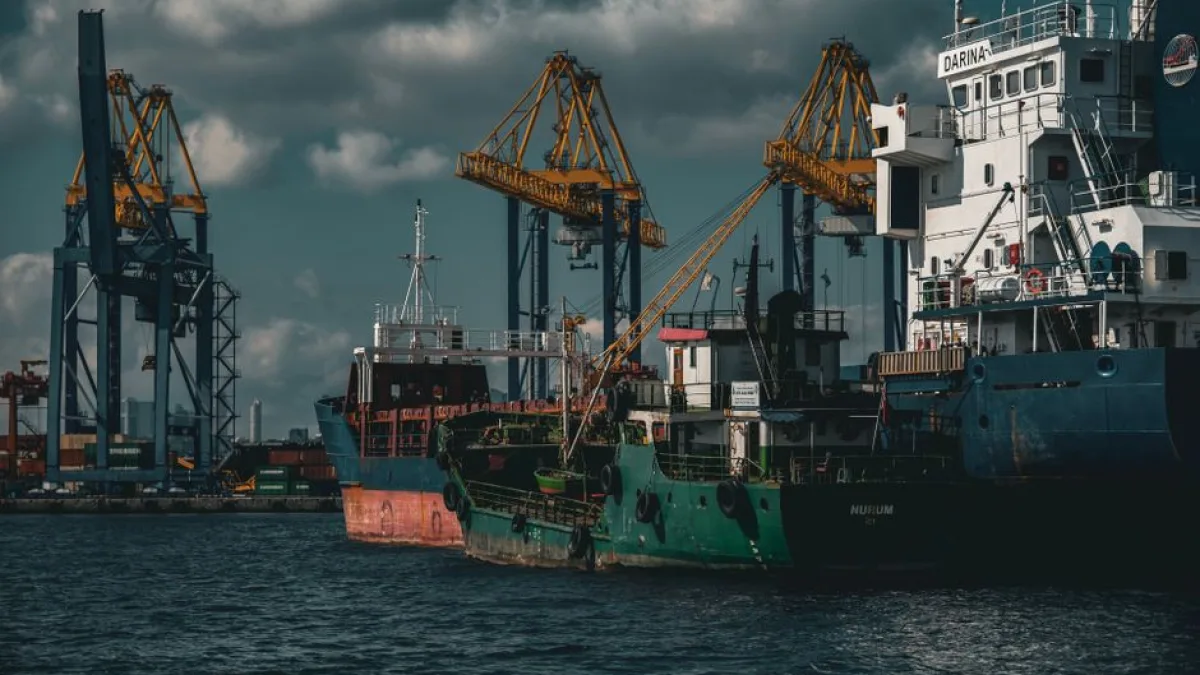
Navigating the complexities of port congestion requires advanced planning and strong partnerships with reliable carriers worldwide. Proactive freight forwarders utilize predictive analytics to anticipate bottlenecks, allowing them to reroute cargo through alternative gateways and avoid lengthy, costly maritime delays.
- Predictive Route Planning: Utilizing historical data and traffic patterns helps logistics teams forecast potential port delays, enabling them to select alternative routings that ensure cargo arrives on schedule.
- Flexible Carrier Selection: Diversifying your carrier base provides a critical safety net during peak seasons, ensuring that you always have backup options available when primary routes become heavily congested.
- Buffer Stock Management: Advising clients on smart inventory planning helps mitigate the impact of port delays by keeping essential goods stocked locally to bridge unexpected transit time gaps.
- Communication Protocols: Maintaining open lines with local port agents provides firsthand intelligence on ground conditions, allowing your team to make informed, rapid decisions that protect your client shipments.
Successfully mitigating port congestion is a hallmark of a high-performing logistics provider who prioritizes reliability. By combining technology with deep industry expertise, your company can transform potential disruptions into competitive advantages. Your clients will appreciate the stability you provide, even when global trade conditions are difficult. This proactive approach reinforces your reputation as a trusted partner in the volatile ocean freight sector.
Enhancing Customer Communication Standards

Communication defines the quality of service provided to clients who expect total transparency regarding their shipments. Modern forwarders leverage automated status alerts and self-service portals to keep customers informed without requiring constant phone calls or manual email updates from staff.
- Automated Notification Systems: Configure custom triggers that send instant status updates to stakeholders whenever a milestone is reached, keeping customers fully updated without requiring manual intervention from your team.
- Client Self-Service Portals: Providing your customers with access to a dedicated dashboard allows them to track their freight independently, which reduces administrative inquiries and increases overall client satisfaction.
- Proactive Incident Reporting: When a delay occurs, reaching out to your clients first with a solution demonstrates professionalism and builds long-term trust, even if the news is negative.
- Standardized Client Communication: Using professional templates ensures that all outbound correspondence remains consistent in tone and quality, reinforcing your brand image as a reliable and organized logistics expert.
Delivering exceptional communication experiences creates deep loyalty in a market often defined by price sensitivity. When you simplify the information exchange, you turn complex logistics hurdles into manageable parts of the service journey. This focus on clear, timely interactions ensures your clients feel confident in your capabilities, ultimately leading to higher retention rates and more referrals for your professional forwarding services.
Focusing on Sustainable Shipping
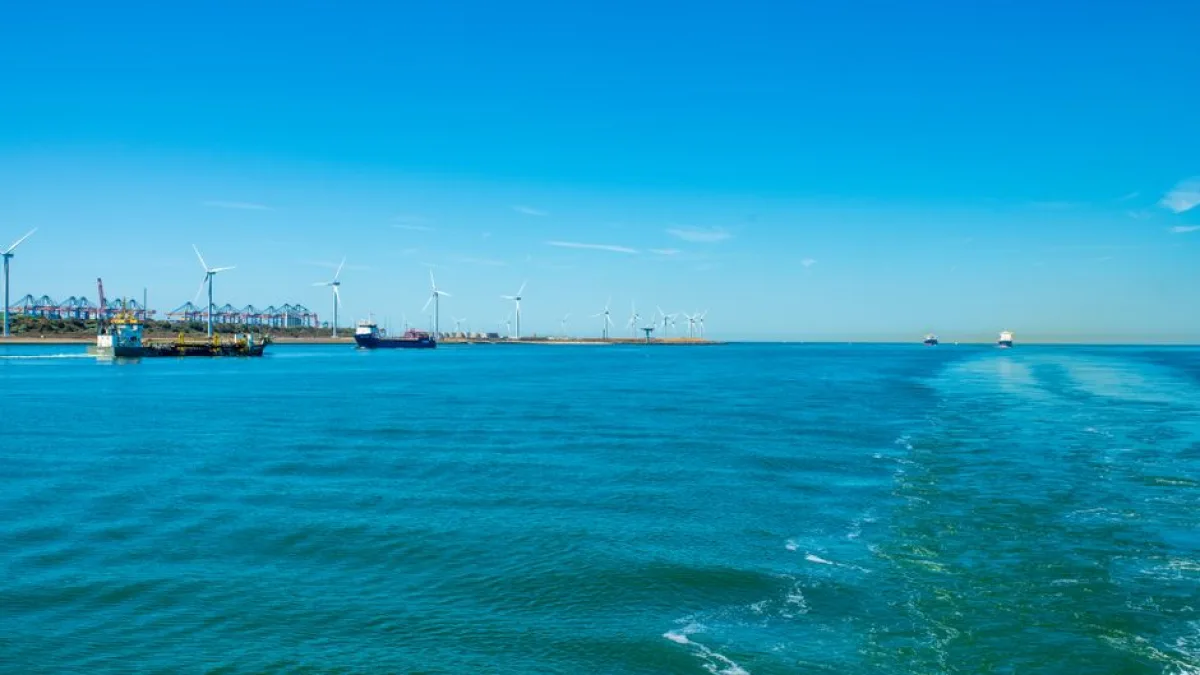
Sustainability is becoming a major priority for shippers who want to lower their carbon footprints through greener maritime logistics options. Freight forwarders play a pivotal role by recommending fuel-efficient carriers and optimizing cargo loads to minimize the environmental impact of long-distance oceanic transportation efforts.
- Green Carrier Auditing: Evaluate carrier carbon efficiency ratings before finalizing bookings to ensure your logistics strategy aligns with the specific sustainability targets set by your environmentally conscious enterprise clients.
- Consolidation Optimization Strategies: Maximizing container space utilization reduces the total number of shipments required, effectively lowering the carbon emissions per unit while simultaneously improving profit margins for your clients.
- Sustainable Route Optimization: Selecting sea routes that prioritize fuel efficiency over speed often results in a smaller carbon footprint, providing a viable option for non-urgent shipments throughout the year.
- Comprehensive Reporting Tools: Offering detailed carbon emission reports allows your clients to track their environmental impact and make data-driven decisions toward meeting their global corporate social responsibility objectives.
Integrating sustainability into your core service offerings opens new business opportunities with major corporations that require audited environmental data. By positioning your firm as a leader in eco-conscious logistics, you differentiate yourself from competitors who ignore these trends. Focusing on sustainability is not just good for the planet, it is a strategic business move that ensures long-term viability in modern trade.
Conclusion
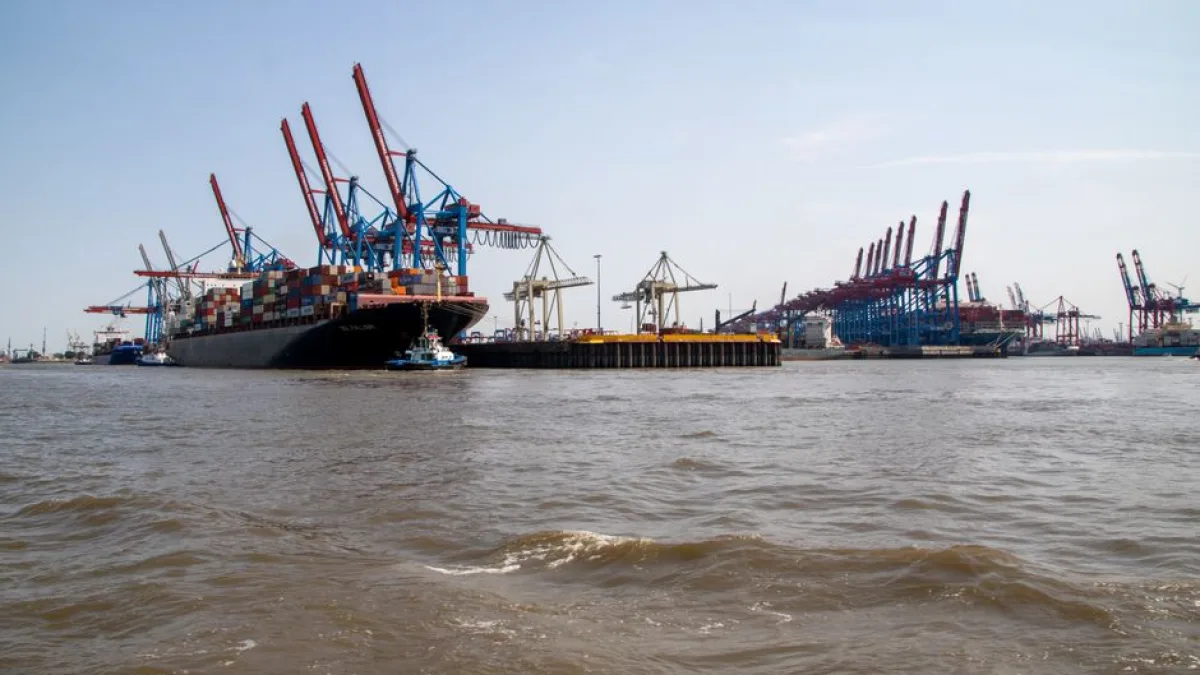
Success in ocean freight depends on your ability to combine advanced technology with strategic human expertise. By focusing on digital transformation, proactive problem solving, clear client communication, and sustainable shipping practices, your freight forwarding firm can thrive despite the inherent volatility of global trade. Stay committed to refining these operational pillars with platforms like MakeCargo to ensure your business remains profitable and highly efficient.