Optimizing Ocean Freight Operations in a Digital Era
Friday, October 9 2026

Navigating the complex landscape of international ocean freight requires a blend of strategic planning and modern technological integration. As global supply chains face unprecedented pressure, freight forwarders must adapt by moving away from legacy manual processes. Embracing digital platforms like MakeCargo allows logistics companies to gain visibility, enhance operational efficiency, and provide superior client service. By leveraging real-time data and automated workflows, forwarders can effectively mitigate risks, reduce administrative burdens, and ensure timely cargo delivery across international waters. This shift is not just about keeping pace with competitors but about redefining the standard of excellence in the maritime shipping industry today.
Streamlining Booking Processes
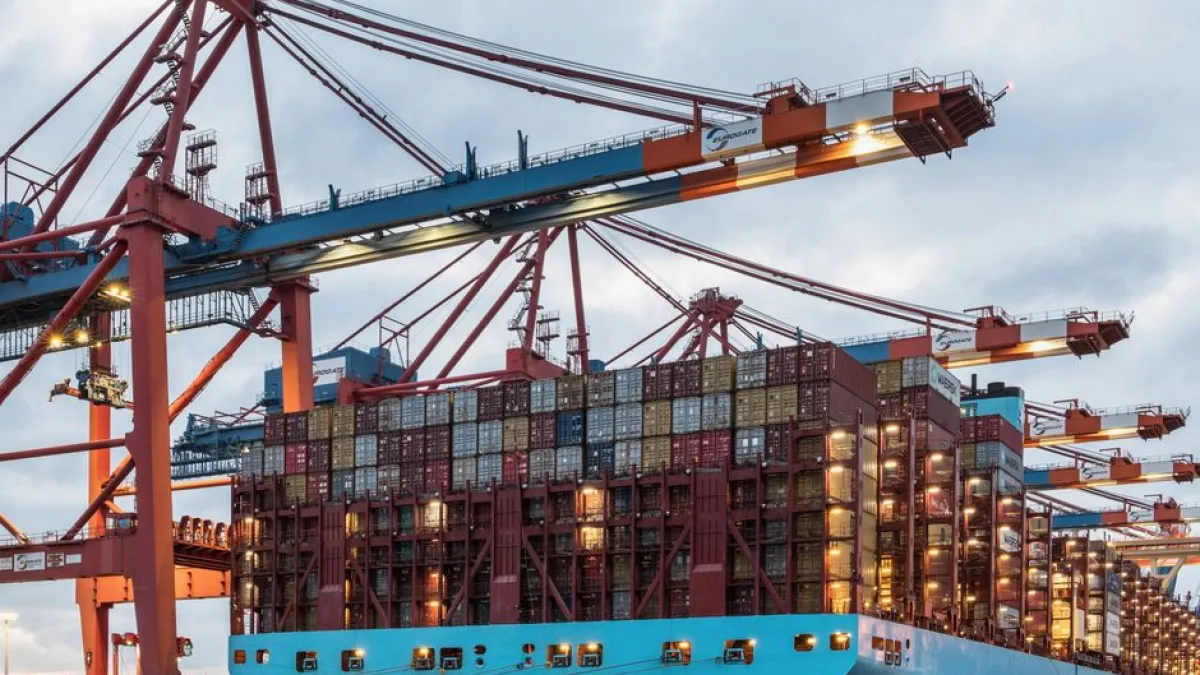
Automating the booking process is essential for modern freight forwarders who want to minimize human error and accelerate throughput. Digital tools help standardize documentation, allowing your team to focus on high-value tasks while keeping the entire global supply chain moving efficiently.
- Automated Rate Management: Centralize your carrier pricing and surcharges within a single platform to provide instant, accurate quotes to your clients while avoiding outdated spreadsheet calculations and manual errors.
- Digital Booking Requests: Enable your clients to submit shipping instructions directly through an online portal, ensuring data accuracy and reducing the time spent on repetitive back and forth emails.
- Standardized Document Handling: Generate essential shipping documents like bills of lading and invoices automatically, ensuring all compliance requirements are met without the need for manual data entry processes.
- Real Time Integration: Connect your booking systems directly with carrier APIs to secure space allocations instantly, providing your customers with reliable confirmation and transparency throughout the entire booking lifecycle.
By streamlining how bookings are captured and processed, freight forwarders create a smoother experience for both internal staff and international clients. Reducing administrative friction ensures that operational teams can pivot quickly when disruptions occur. Investing in these digital workflows transforms the booking phase from a time-consuming bottleneck into a competitive advantage that supports sustainable growth and builds long-term trust with your global partners.
Enhancing Shipment Visibility

Real time shipment visibility has become the gold standard for clients who demand transparency and reliability. Providing accurate status updates regarding vessel locations allows forwarders to proactively manage expectations and handle exceptions before they evolve into significant supply chain delays.
- Live Vessel Tracking: Integrate live tracking capabilities to provide your clients with precise location updates, helping them prepare for arrival at destination ports without unnecessary guessing or confusion.
- Automated Status Alerts: Configure your software to send proactive notifications to stakeholders whenever a shipment reaches a milestone or faces a delay, fostering trust through open communication.
- Exception Management Tools: Identify potential disruptions early by utilizing predictive analytics that highlight bottlenecks, allowing your team to implement contingency plans well before cargo reaches the congested area.
- Unified Tracking Portal: Offer your clients a dedicated dashboard where they can monitor multiple shipments simultaneously, reducing the volume of status update requests sent to your support team.
Effective visibility strategies empower forwarders to act as consultants rather than just carriers. By providing data driven insights, you add tangible value to the client relationship. This transparency is crucial for modern logistics, where information is as valuable as the freight itself. Keeping customers informed builds lasting loyalty and positions your brand as a reliable leader within the highly volatile ocean freight industry.
Managing Carrier Relationships
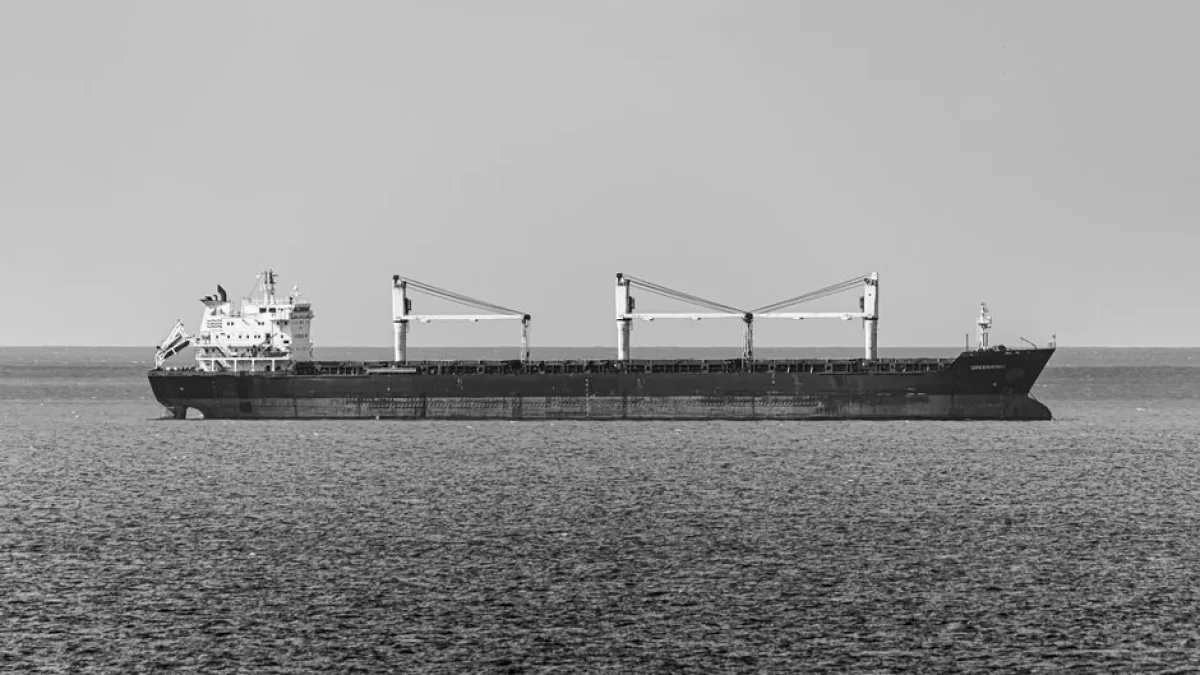
Effective carrier management is the backbone of successful ocean freight logistics. Maintaining strong partnerships with shipping lines allows forwarders to negotiate better rates, secure priority space during peak seasons, and ensure reliable service levels for their diverse client base.
- Performance Analytics Dashboards: Analyze carrier performance metrics regularly to identify which partners provide the best reliability and transit times, allowing you to optimize your route selection strategy accordingly.
- Strategic Capacity Planning: Collaborate with shipping lines to secure guaranteed space allocations in advance, ensuring your clients maintain consistent shipping schedules even when global market capacity is tight.
- Collaborative Dispute Resolution: Utilize centralized communication logs to manage billing discrepancies or service issues, ensuring that all interactions are documented for transparency and faster financial reconciliation between parties.
- Regular Rate Benchmarking: Compare current market rates against your contracted prices to ensure that your freight solutions remain competitive, providing the best value possible to your loyal customers.
Cultivating robust relationships with carriers provides the leverage necessary to navigate fluctuating market conditions. When you effectively manage these partnerships, you protect your business from sudden cost increases and capacity shortages. This strategic approach ensures that your operations remain resilient and your service delivery remains consistent, ultimately driving profitability and establishing your company as a preferred logistics partner in the global market.
Optimizing Financial Workflows

Managing the financial aspects of ocean freight is often the most complex task for any forwarder. From fluctuating currency exchange rates to intricate surcharges, having a streamlined billing system is vital for maintaining healthy cash flow and accurate profit margin reporting.
- Integrated Billing Systems: Synchronize your freight management software with your accounting tools to automate invoicing, reducing the time between job completion and final payment collection from clients.
- Margin Analysis Reports: Access detailed financial reports that break down costs per shipment, enabling you to identify profitable lanes and adjust pricing strategies for less efficient shipping routes.
- Multi Currency Handling: Manage complex international transactions with automated currency conversion features, ensuring that your financial records are accurate despite the variations in global shipping market currencies.
- Audit Ready Documentation: Maintain a digital archive of all financial transactions and supporting documents to simplify the internal audit process and ensure total compliance with regional regulations.
Optimizing your financial workflows reduces the administrative burden on your accounting department while increasing accuracy. When billing processes are automated and integrated, you minimize the risk of revenue leakage and improve overall operational efficiency. This financial clarity allows management to make informed decisions based on real time data, ensuring that your freight forwarding business remains profitable and agile in the ever changing landscape.
Conclusion
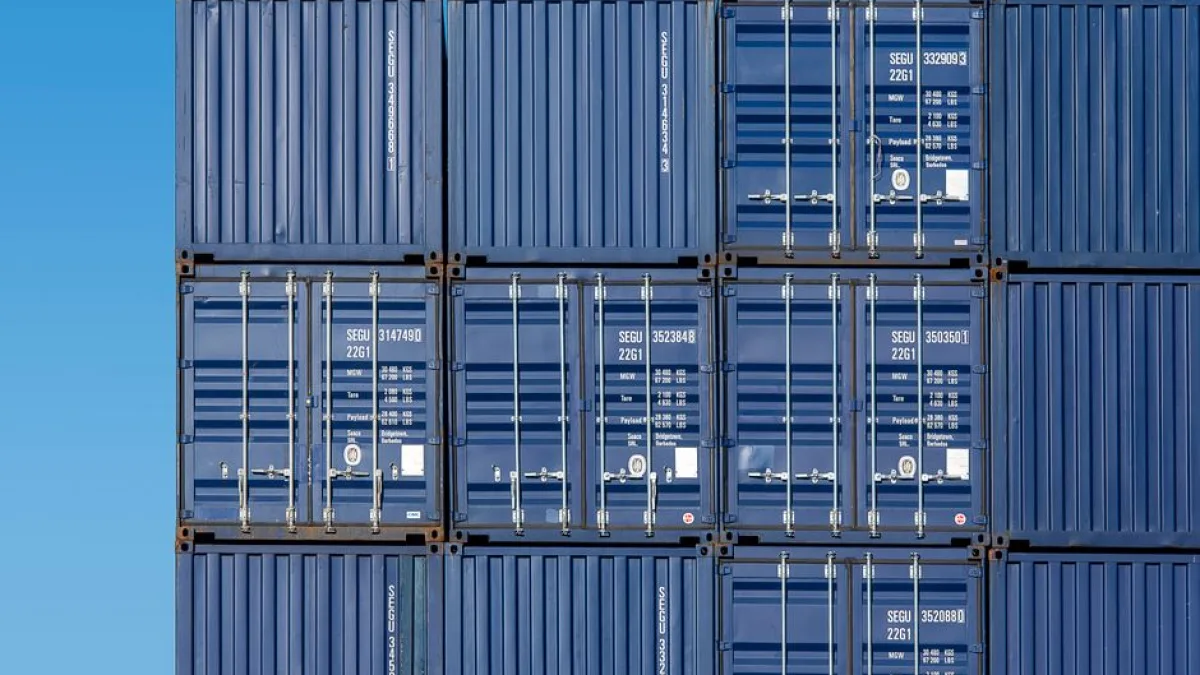
Integrating modern technology is no longer optional for freight forwarders striving to succeed in the ocean freight sector. By focusing on booking efficiency, real time visibility, carrier relationships, and financial accuracy, companies can overcome traditional industry challenges. These digital improvements drive growth and foster long term client loyalty. Start optimizing your freight operations today to ensure your business remains competitive and prepared for future success.