Optimizing Ocean Freight Operations in a Digital Era
Saturday, October 10 2026

Modern ocean freight logistics faces unprecedented volatility, requiring forwarders to move beyond manual processes and embrace digital transformation. As global supply chains become more complex, the ability to maintain visibility, ensure regulatory compliance, and manage carrier relationships determines your competitive edge in the industry. By integrating advanced cloud technology into your daily workflows, your firm can effectively minimize operational friction while maximizing throughput capacity. This article explores essential strategies for modernizing your maritime logistics operations through better data management, improved stakeholder collaboration, and the strategic implementation of automated software solutions designed to handle the unique challenges of international sea shipping.
Modernizing Port Operations
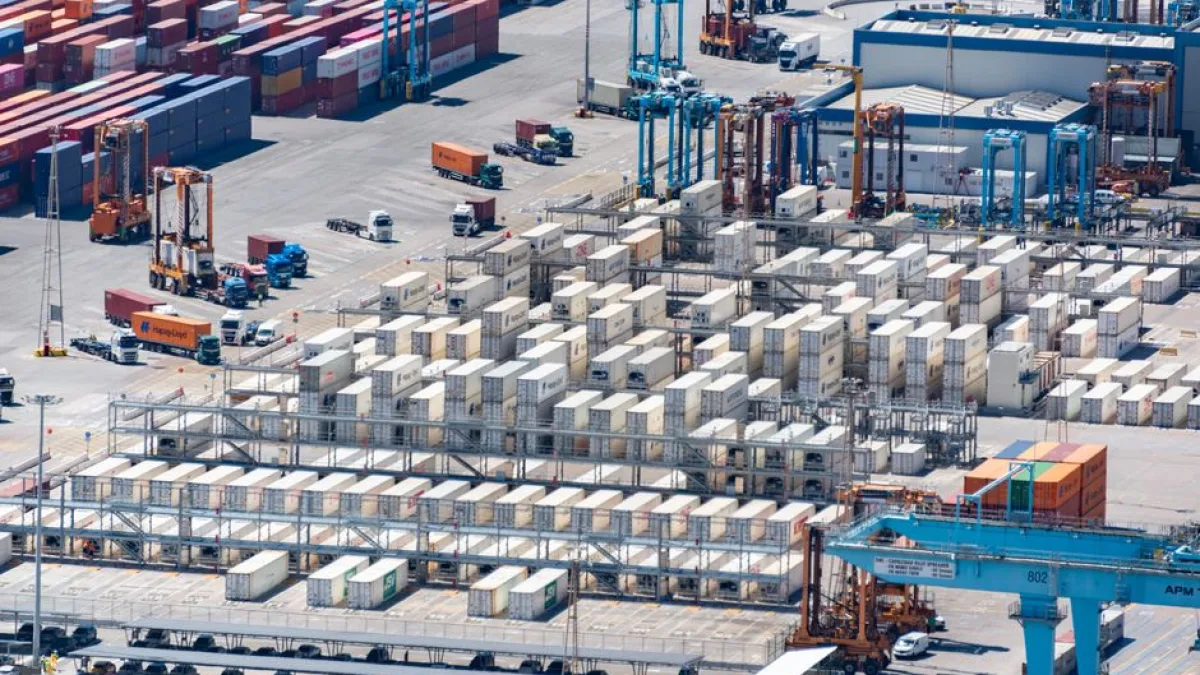
Port terminals serve as the beating heart of global trade, yet they remain primary bottlenecks for many forwarders. Upgrading your operational strategy at these critical hubs requires a blend of real time data access and strong partnerships with terminal operators.
- Real time tracking: Integrate automated tracking systems to receive instantaneous updates on container discharge and gate out events, allowing your team to proactively communicate status changes to your clients.
- Digital documentation flow: Eliminate paper based workflows by digitizing bills of lading and arrival notices, ensuring that terminal authorities receive accurate data before the vessels arrive at berth.
- Efficient gate management: Utilize smart scheduling tools to coordinate with trucking partners, which minimizes idle time at terminal gates and accelerates the movement of import containers during peaks.
- Proactive congestion monitoring: Leverage advanced analytics platforms to identify potential port congestion patterns early, helping you reroute shipments or adjust client expectations before delays impact your delivery schedules.
Optimizing your presence at major ports depends entirely on your ability to process vast amounts of information rapidly. By removing the reliance on manual data entry and email chains, your staff can focus on high value tasks like exception management. Adopting a cloud based freight platform ensures that your operations remain resilient, regardless of the unexpected disruptions that frequently occur within busy global shipping corridors.
Streamlining Carrier Relationships

Managing contracts with ocean carriers remains a cornerstone of successful freight forwarding. Building scalable relationships requires clear communication channels, accurate volume forecasting, and a transparent exchange of data to ensure consistent space allocation during the peak seasons.
- Unified data visibility: Maintain a centralized dashboard that stores all carrier contracts, enabling your team to quickly compare spot rates versus long term contract pricing for clients.
- Performance analytics tools: Track carrier reliability metrics such as transit time consistency and offload frequency to negotiate better service level agreements during your upcoming annual contract renewal cycles.
- Automated volume reporting: Provide carriers with precise, automated volume projections to strengthen your negotiation position and ensure that your bookings are prioritized when vessel space becomes highly limited.
- Direct API integrations: Connect your freight software directly with carrier systems to receive booking confirmations and vessel schedules without manual input, reducing errors in your logistics chain.
Strong carrier relationships are built on the foundation of transparency and reliability. When you provide carriers with accurate data and predictable booking patterns, they are more likely to support your needs during capacity shortages. Investing in digital integration tools proves to your partners that you are a sophisticated logistics provider, ultimately leading to better service levels and more favorable shipping rates.
Enhancing Shipment Visibility

Total visibility is no longer just a luxury but a fundamental requirement for modern shippers. Clients demand real time information about their ocean freight status, making it essential for forwarders to utilize advanced tracking technologies that bridge the information gap.
- Predictive arrival modeling: Use machine learning algorithms to forecast potential arrival delays based on weather data, port strikes, and vessel traffic, allowing for better inventory planning for customers.
- Client notification systems: Configure automated alerts that send shipment updates directly to your clients, reducing the volume of inbound status inquiries handled by your operations support staff.
- Exception management workflows: Identify and resolve shipment issues, such as missing documentation or customs holds, before they escalate into major problems that disrupt the global supply chain.
- Interactive client portals: Provide a secure web portal where customers can view their shipment documents, photos, and tracking updates, fostering trust through professional and transparent data access.
When you offer superior visibility, you significantly increase your value proposition to customers. Most freight forwarders struggle with fragmented data, but by centralizing your shipment information, you create a seamless experience for your clients. This level of transparency builds long term loyalty, as customers feel empowered by the data provided. Digital platforms allow you to turn raw logistics information into a competitive advantage.
Automating Compliance Processes

Global maritime trade regulations are constantly evolving, placing a heavy burden on freight forwarders to maintain strict compliance. Automating your documentation and filing processes is the only way to scale effectively while minimizing the risk of expensive penalties.
- Digital compliance validation: Implement automated checks that scan shipping documents for common errors, ensuring all paperwork aligns with international trade laws before it is submitted to authorities.
- Integrated customs filing: Connect your internal software to customs databases, allowing for seamless transmission of entry data that reduces the administrative burden on your import team.
- Secure document archiving: Maintain cloud based storage for all compliance records, making it easier to retrieve necessary audits or documentation during any government agency inspections or investigations.
- Automatic regulation updates: Configure your software to receive periodic updates on changes to international trade rules, ensuring that your company never falls behind on mandatory filing requirements.
Compliance is not just about avoiding fines, it is about maintaining your reputation as a reliable and law abiding logistics partner. By automating the technical side of filing and documentation, your team can dedicate their expertise to solving complex logistics challenges. A robust, automated approach to compliance creates a safer operational environment and allows your business to grow without increasing your administrative headcount.
Conclusion

Successful ocean freight management requires a strategic move toward integrated digital solutions. By digitizing port operations, strengthening carrier ties, providing total shipment visibility, and automating compliance, your firm gains the agility needed for growth. Start modernizing your operations today with MakeCargo to reduce manual effort and improve overall client satisfaction. Efficiency in the digital age is the key to long term freight forwarding success.