Optimizing Ocean Freight Operations in a Digital Era
Sunday, October 11 2026
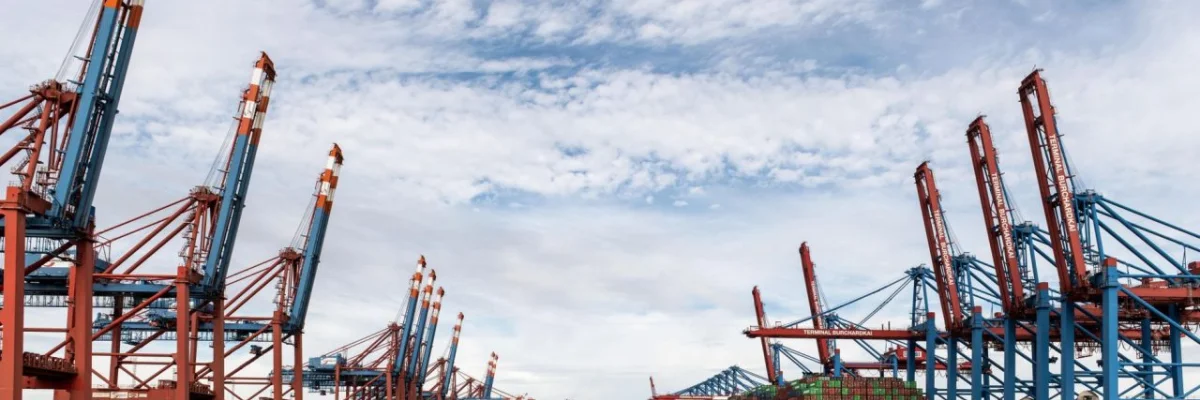
The global shipping industry is undergoing a profound transformation as freight forwarders shift away from manual processes toward integrated digital ecosystems. Managing ocean freight requires navigating complex variables including volatile carrier schedules, fluctuating fuel surcharges, and stringent regulatory requirements that demand precise documentation and real time visibility. By adopting advanced cloud based platforms like MakeCargo, logistics professionals can centralize communication, automate tedious administrative tasks, and improve overall operational agility. This transition not only reduces human error but also empowers teams to focus on strategic client relationships, ensuring cargo moves efficiently across international waters despite the inherent unpredictability of modern maritime trade routes.
Digitizing Documentation Workflows

Manual document handling remains a significant bottleneck in ocean logistics, frequently leading to processing delays and costly clerical errors. Modern digital platforms allow forwarders to digitize every manifest and bill of lading, creating a secure environment where information is instantly accessible and shareable across global networks.
- Automated Data Entry: Implement automated capture systems to extract shipment information directly from digital invoices, effectively reducing manual typing tasks and minimizing the risk of expensive data transcription errors.
- Centralized Document Storage: Maintain a single source of truth by housing all shipping documents in a cloud repository, ensuring that every authorized stakeholder accesses the latest updated files.
- Standardized Compliance Checks: Leverage built in digital validation tools to automatically scan documents against international trade requirements, preventing compliance issues that often cause cargo holds at busy ports.
- Cloud Collaboration Tools: Facilitate seamless interaction between your local teams and international partners by allowing simultaneous document editing and status updates through a unified web based platform interface.
Transitioning to digital documentation transforms how freight forwarders handle administrative overhead. By removing the reliance on physical paper trails, companies achieve a level of transparency that was previously impossible. This streamlined workflow ensures that shipments stay on schedule, as team members can verify critical information in seconds rather than hours. Enhanced data accuracy directly contributes to higher customer satisfaction and reduces operational stress.
Real Time Shipment Visibility
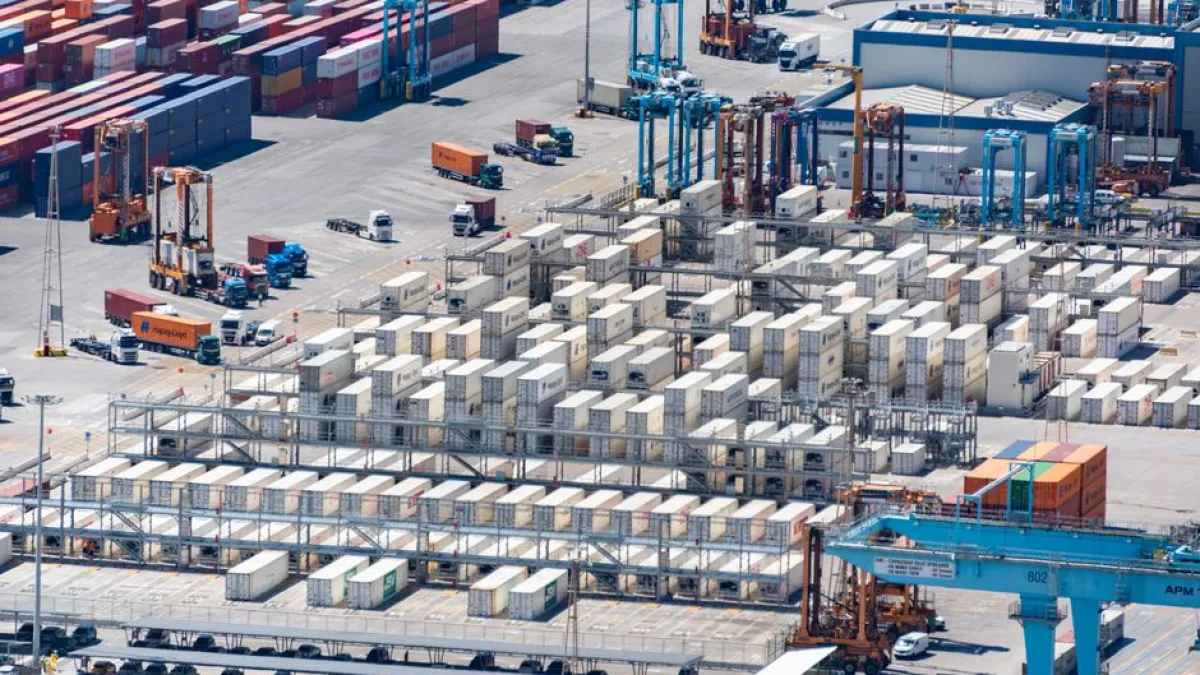
Achieving granular visibility over ocean cargo is essential for forwarders who want to provide accurate tracking data to their clients. Leveraging live data feeds from shipping lines allows logistics experts to proactively manage exceptions rather than simply reacting to unexpected delays.
- Live Tracking Integration: Connect your management system directly to carrier APIs to receive automatic updates on vessel movements, allowing you to inform customers of status changes immediately.
- Exception Management Alerts: Set up custom automated notifications that trigger when a vessel is delayed, empowering your staff to offer alternative routing solutions before problems escalate further.
- Port Terminal Monitoring: Integrate your software with major port systems to track container gate activity, providing a clearer picture of when cargo leaves the terminal for transit.
- Proactive Client Reporting: Use automated reporting modules to generate detailed status updates for your clients, demonstrating your value through consistent and high quality communication about their cargo.
Visibility serves as the backbone of modern freight forwarding service excellence. By equipping your team with live data, you eliminate the guesswork that often plagues global maritime logistics. Clients demand transparency in today's market, and being able to pinpoint shipment locations with precision builds long term trust. This proactive approach turns potential shipping disasters into manageable tasks, securing your reputation for reliability.
Managing Carrier Rate Complexity

Freight forwarders often struggle with the sheer complexity of ocean freight rates, which change based on fuel costs, seasonal demand, and specific lane capacity. A robust software solution simplifies this by organizing complex pricing structures into manageable databases.
- Automated Quote Generation: Utilize dynamic pricing engines to calculate accurate quotes in minutes, incorporating various surcharges and currency adjustments to ensure profit margins are consistently protected from volatility.
- Carrier Performance Analysis: Review historical data to compare carrier reliability and pricing trends, helping your procurement team negotiate better contracts based on verifiable long term performance metrics.
- Dynamic Surcharge Tracking: Integrate live fuel adjustment factor data directly into your pricing logic, ensuring that your clients receive fair and transparent costs regardless of market shifts.
- Centralized Rate Database: Store all carrier contracts within a searchable cloud interface, enabling your team to find the best available rates for any route in just seconds.
Mastering rate complexity is a vital skill for maintaining healthy profit margins. Without the right software, tracking thousands of fluctuating data points becomes an impossible administrative burden. By centralizing this information, you gain the clarity needed to make informed decisions that benefit both your bottom line and your client relationships. This level of organization is essential for maintaining competitive advantage in logistics.
Enhancing Customer Communication

Providing a superior client experience is the ultimate goal of any forwarder, and communication quality defines that experience. By utilizing dedicated customer portals, freight forwarders provide clients with a professional interface that simplifies the entire ocean shipping lifecycle.
- Branded Client Portals: Offer your customers a private login area where they can view shipment status, download documents, and check historical data without needing to contact your team.
- Automated Status Notifications: Send triggered email updates at key milestones, keeping your clients informed automatically so your staff can dedicate time to complex logistics problem solving tasks.
- Integrated Messaging Systems: Use platform specific chat tools to keep all communication regarding a specific shipment within the file record, preventing important messages from being buried in emails.
- Digital Invoicing Options: Provide clients with convenient digital payment options integrated into their project files, shortening the cash cycle and improving overall accounts receivable management and efficiency.
Strong client relationships are built on consistent and accessible communication channels. Moving away from scattered email threads to a centralized customer portal saves immense amounts of time for everyone involved. Clients feel more empowered when they have self service options, and your team gains the freedom to manage larger volumes of shipments effectively. Modern technology ultimately humanizes the complex world of ocean freight.
Conclusion

Mastering ocean freight logistics requires a strategic blend of human expertise and advanced cloud technology. By automating manual tasks, ensuring total shipment visibility, and simplifying complex rate management, forwarders can scale their operations effectively. Embracing digital platforms like MakeCargo allows your team to focus on growth and exceptional service. Position your business for future success by modernizing your infrastructure with the right tools today.