Optimizing Ocean Freight Operations in the Digital Age
Sunday, October 11 2026
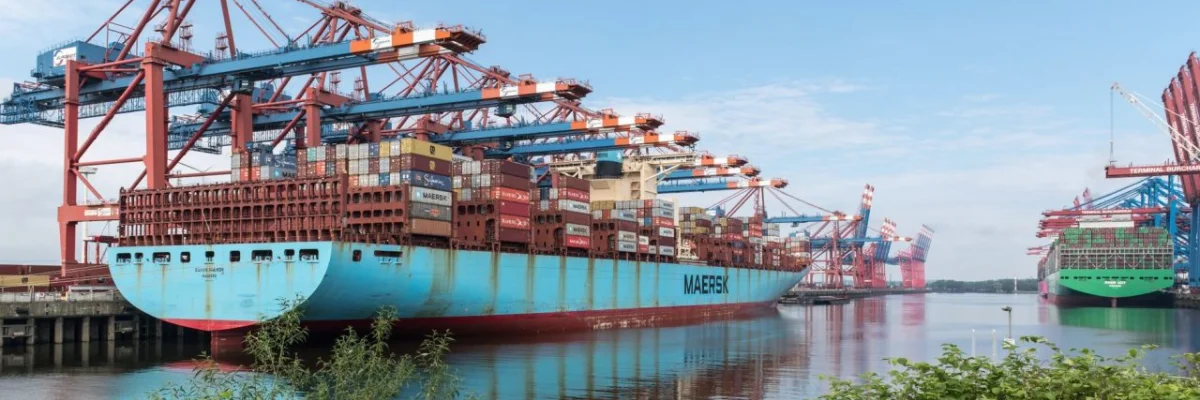
The global shipping landscape is undergoing a massive transformation as freight forwarders shift away from manual processes toward digital ecosystems. Handling complex ocean logistics requires precision, real-time visibility, and proactive communication to manage constant disruptions. At MakeCargo, we understand that traditional spreadsheets and fragmented data sources are no longer sustainable for companies aiming to scale their operations. By adopting cloud-based platforms, professionals can now bridge the gap between carriers, shippers, and customs brokers. This article explores essential strategies for modernizing your ocean freight workflow to ensure efficiency, transparency, and profitability in an increasingly competitive international trade market.
Digitizing Booking Processes
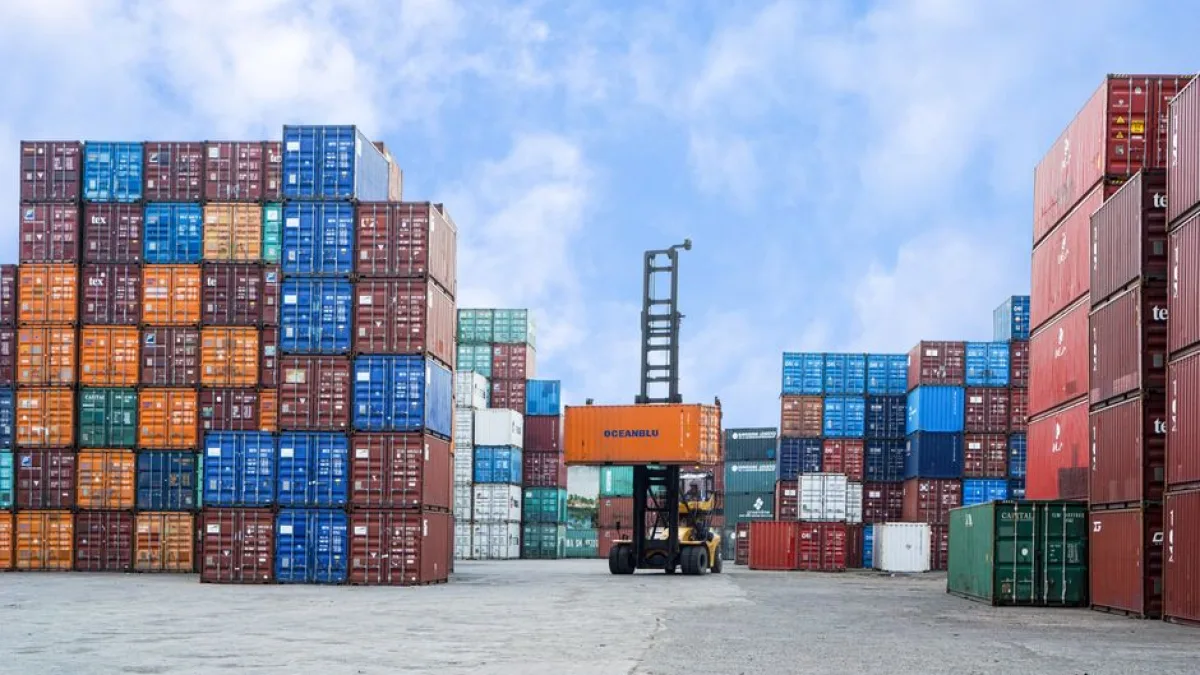
Automating your booking workflow significantly reduces the time spent on manual data entry and email coordination. By integrating digital platforms, you can secure vessel space and generate essential documentation with speed, ultimately minimizing errors that typically plague traditional shipping methods.
- Centralized Booking Portals: Utilize cloud-based platforms to aggregate carrier schedules, allowing your team to compare rates and transit times instantly while managing all bookings within a single interface.
- Automated Document Generation: Implement software solutions that auto-populate Bills of Lading and commercial invoices, ensuring accuracy while drastically reducing the administrative burden on your logistics staff.
- Real-time Capacity Checks: Leverage direct API integrations with ocean carriers to verify vessel space availability in seconds, preventing unnecessary delays during peak shipping seasons for your clients.
- Seamless Data Sync: Ensure that every booking request flows automatically into your tracking system, eliminating the need for redundant manual entries across multiple disconnected software tools daily.
Adopting these digital booking strategies helps your team reclaim valuable hours previously lost to repetitive administrative tasks. As the industry moves toward complete electronic documentation, companies that fail to digitize risk falling behind their more agile competitors. Prioritize these automated workflows to improve internal collaboration, reduce the likelihood of human error, and provide your customers with the reliable service they expect today.
Enhancing Shipment Visibility

Providing clients with precise tracking data has become the gold standard for freight forwarders. Modern logistics platforms offer live visibility by integrating satellite data, enabling you to anticipate arrival times accurately and manage exceptions before they impact delivery schedules.
- Live Tracking Updates: Access real-time GPS location data for vessels to provide your clients with transparent updates on the current status of their cargo during transit.
- Predictive Arrival Alerts: Use advanced data analytics to forecast potential delays caused by weather or port congestion, allowing you to provide proactive solutions to your shippers.
- Customizable Client Dashboards: Offer your customers private access to a portal where they can monitor their shipments without needing to contact your team for status.
- Proactive Exception Management: Identify potential bottlenecks early by utilizing automated alerts that notify your operations staff as soon as a shipment deviates from the plan.
Visibility serves as the backbone of trust in the freight forwarding industry. When your customers have instant access to accurate information, their satisfaction scores naturally climb. By leveraging integrated tracking systems, you transform the shipping experience from a black box into a transparent process. This level of clarity establishes your brand as a professional leader capable of handling high-stakes logistics operations.
Managing Freight Documentation

Navigating the complex world of international shipping requires meticulous attention to compliance and documentation. Properly digitized records allow for faster customs clearance and reduce the risk of costly fines associated with inaccurate or missing paperwork for your global shipments.
- Digital Document Vaults: Securely store all shipping documentation, including certificates of origin and insurance forms, in a cloud-based repository that allows for instant team collaboration globally.
- Automated Compliance Checks: Deploy software that automatically flags missing signatures or incorrect HS codes before documentation is submitted, ensuring that your shipments remain compliant with regulations.
- Encrypted Data Sharing: Use secure links to share sensitive documentation with carriers and customs brokers, maintaining data privacy while speeding up the document exchange process significantly.
- Version Control Systems: Track every change made to your shipping documents in real-time, ensuring that all stakeholders are working with the most recent and accurate files.
Streamlined documentation processes are essential for maintaining the flow of goods across international borders. By moving away from physical paper trails, your team gains control over the entire document lifecycle. This transition not only boosts productivity but also safeguards your business against the legal complexities of global trade. Investing in a robust management system ensures your operations remain compliant and incredibly efficient.
Scaling Through Cloud Infrastructure

Cloud-based architecture provides the flexibility needed to grow your freight forwarding business without heavy investment in hardware. By shifting to a scalable software model, your company gains the ability to support increased shipment volumes while maintaining peak operational efficiency.
- Unlimited Scalability Options: Configure your software infrastructure to handle fluctuating shipping volumes, ensuring your performance remains stable even during the most demanding peak seasons of the year.
- Remote Access Capabilities: Enable your workforce to manage global ocean operations from any location, fostering a flexible work environment that keeps your logistics chain moving smoothly.
- Automated Software Updates: Receive constant security patches and feature enhancements delivered directly to your platform, ensuring your business always operates on the most advanced industry technology.
- Reduced IT Overhead: Eliminate the need for local server maintenance by utilizing cloud hosting, which lowers your operational costs and reduces the risk of data loss.
Scalability ensures that your business can thrive regardless of market fluctuations. As your shipment volume grows, cloud infrastructure allows you to maintain high standards of service without increasing your administrative footprint. This strategic approach to software utilization prepares your firm for future expansion. By embracing the cloud, you empower your team to focus on growth, innovation, and delivering superior value to shippers.
Conclusion
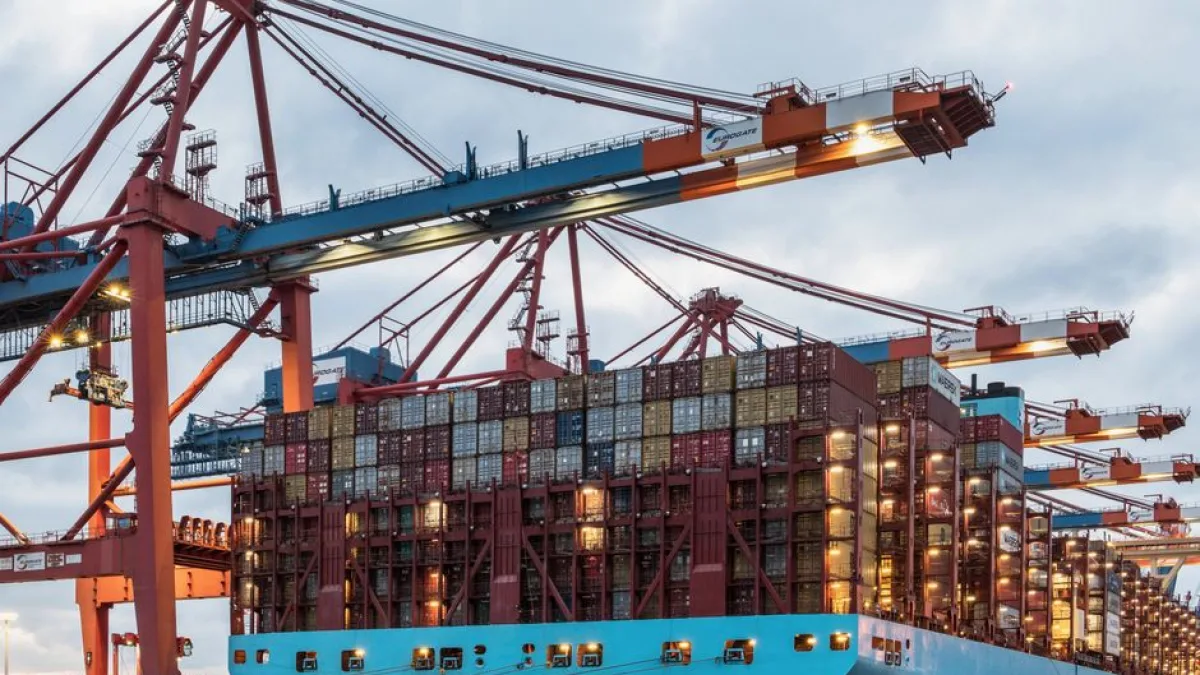
Modernizing ocean freight requires a commitment to digital tools that enhance visibility and streamline complex documentation. By automating your booking processes, providing real-time data, and leveraging cloud infrastructure, your freight forwarding business can achieve new levels of operational excellence. Start your digital transformation journey today to improve customer satisfaction and increase your competitive advantage. MakeCargo provides the essential technology to simplify your logistics workflow effectively.