Optimizing Ocean Freight Operations in a Digital Era
Sunday, October 11 2026
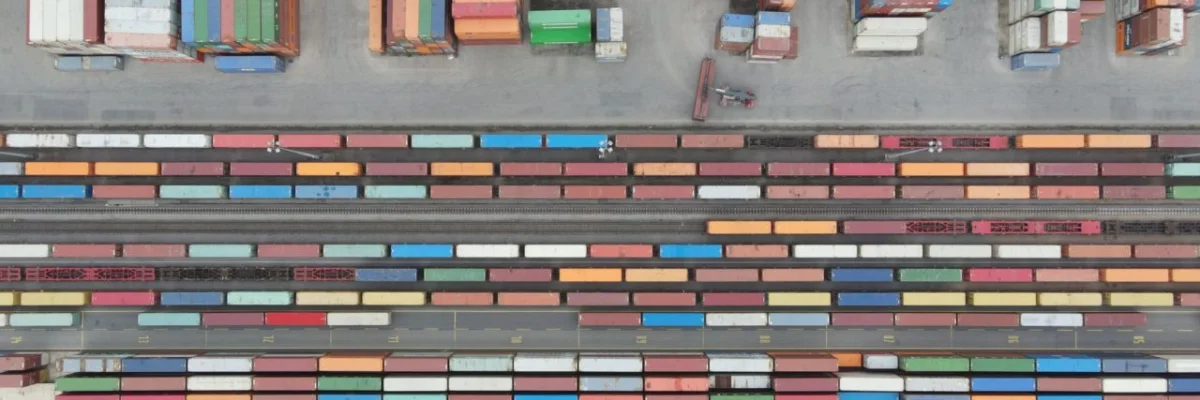
The global shipping industry faces constant pressure to remain agile amid volatile market conditions and shifting logistical demands. Freight forwarders are increasingly looking toward cloud-based solutions to manage complex supply chains, reduce manual errors, and maintain transparency from port to port. By integrating robust technology, businesses can transform their ocean freight processes, ensuring that cargo moves efficiently while maintaining cost-effectiveness for their clients. Mastering these digital tools is no longer a luxury but a fundamental necessity for modern forwarders who aim to stay competitive. Embracing software platforms like MakeCargo allows you to scale operations and meet the high expectations of global shippers today.
Modern Container Port Logistics
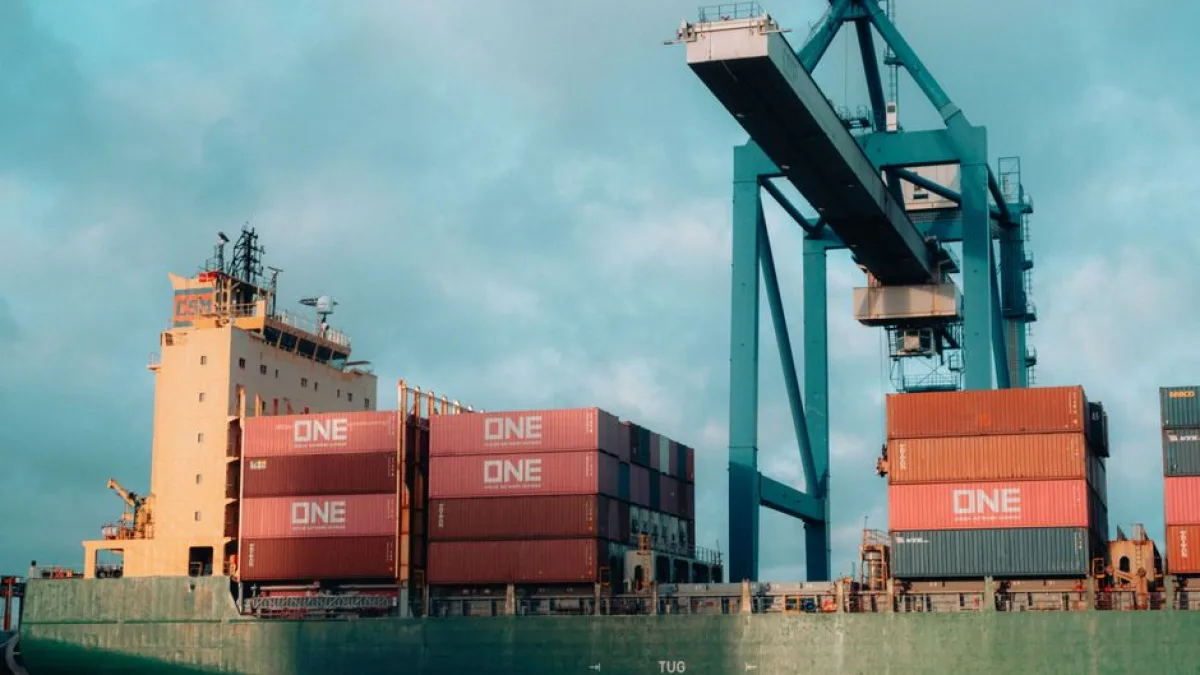
Managing throughput at busy international container ports requires precision and real-time data access. By digitizing terminal operations, forwarders can better coordinate with carriers and ground transport teams, ensuring that every container is tracked accurately as it moves through the global network.
- Automated Tracking Updates: Leverage live API integrations to receive automatic status updates for your shipments, eliminating the need for manual data entry and reducing the risk of human error.
- Container Lifecycle Management: Monitor every stage of your container journey from the initial booking request to final delivery, ensuring that your team maintains visibility across every single milestone.
- Port Congestion Alerts: Receive proactive notifications regarding potential port delays or strikes, allowing you to re-route cargo quickly and maintain service levels for your most demanding logistics clients.
- Integrated Carrier Portals: Centralize all your carrier interactions within one dashboard to simplify communication and document exchange, saving your operations team precious hours during every busy shipping week.
When you synchronize your internal systems with global port data, you create a seamless flow of information that benefits every stakeholder. Reducing information silos between terminal operators and freight forwarders directly leads to faster turnaround times for vessels. This level of synchronization protects your profit margins while providing shippers with the reliability they require, ultimately strengthening your reputation as a dependable partner in global trade.
Advancing Freight Documentation Accuracy

Paperwork remains one of the largest bottlenecks in ocean freight, often causing significant delays at customs checkpoints. Moving toward automated document management systems ensures that manifests, bills of lading, and commercial invoices are processed with total accuracy and strict regulatory compliance.
- Digital Bill Generation: Create standard bills of lading directly within your software platform using stored customer data, which minimizes transcription errors and speeds up the entire documentation process.
- Cloud Document Storage: Securely archive all shipping documents in a centralized cloud environment, making them instantly accessible for your remote team members and external audit requirements whenever needed.
- Automated Compliance Checks: Use built-in tools to verify customs documentation against current international shipping regulations, preventing costly penalties and shipment holds during the sensitive cross-border clearance stage of transit.
- Electronic Signature Workflow: Facilitate faster document processing by implementing integrated e-signature solutions, allowing shippers and consignees to sign important legal paperwork from any device in the world.
Efficient documentation is the backbone of successful ocean freight operations, as it prevents the administrative errors that frequently ground cargo at the port. By shifting from manual paper files to digital workflows, your business can significantly shorten the time it takes to process shipments. This transition not only boosts productivity but also ensures that your company remains compliant with evolving global trade standards every day.
Optimizing Ocean Freight Routing
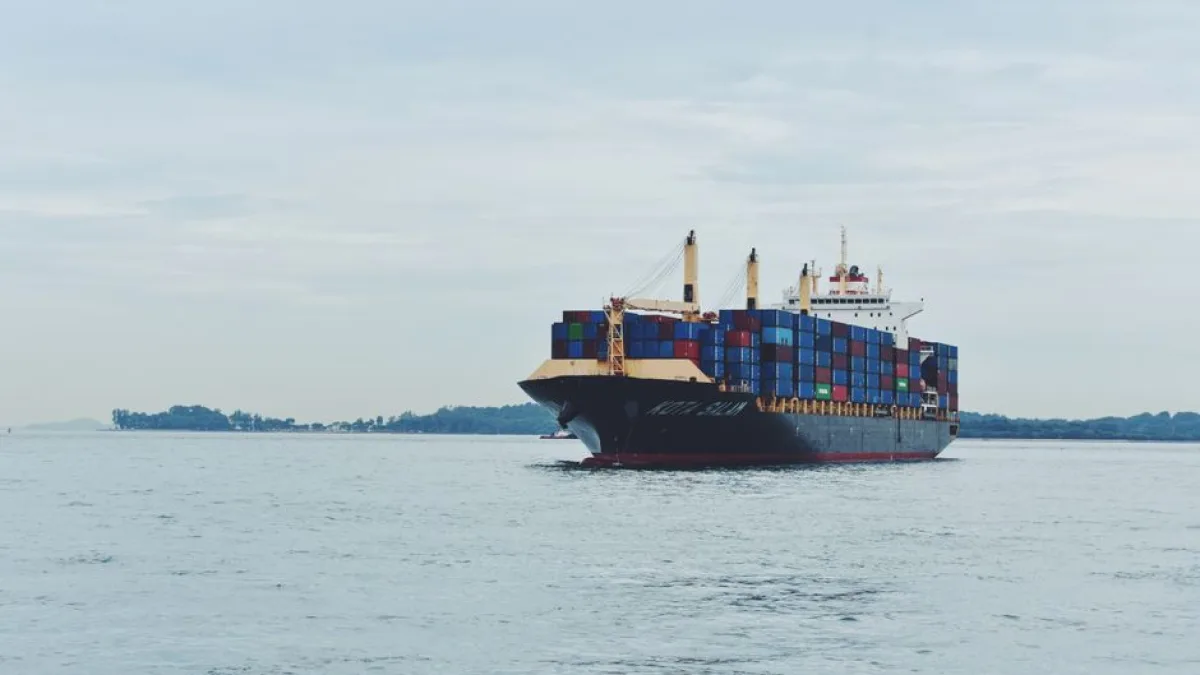
Choosing the optimal route for ocean freight involves balancing transit times against total costs. With sophisticated routing software, freight forwarders can compare multiple carrier options, fuel surcharges, and vessel schedules to find the best possible solution for every unique shipment requirement.
- Dynamic Route Planning: Utilize algorithmic tools to compare transit durations and fuel costs across various shipping lanes, ensuring that you consistently select the most efficient route available.
- Real-Time Vessel Tracking: Maintain constant oversight of your shipments on the high seas using GPS data to predict arrival times and notify your clients about potential delays.
- Fuel Surcharge Analysis: Access detailed reports on BAF adjustments and other fluctuating market variables to ensure your client quotes remain accurate and competitive throughout the entire fiscal year.
- Carrier Performance Metrics: Analyze historical data to evaluate carrier reliability and speed, allowing you to make data-driven decisions when booking your next high-priority ocean freight transport lane.
Strategic routing choices directly influence your company's ability to maintain a competitive advantage in a crowded market. When you utilize data-driven insights to choose the best vessel and lane, you deliver tangible value to your customers. Investing in smart routing technology allows you to move cargo faster while effectively managing unpredictable variables, which is the hallmark of a successful and highly efficient freight forwarding operation.
Strengthening Client Communication Cycles

Proactive communication serves as the bridge between freight forwarders and their clients, fostering trust and long-term partnerships. Providing automated updates and easy-to-use client portals helps manage expectations and reduces the need for constant status inquiries from shippers who want total visibility.
- Customer Visibility Portals: Offer your clients a dedicated online interface where they can view live shipment locations, download documents, and check their current billing status at any time.
- Automated Status Emails: Configure your system to send personalized updates to your clients whenever a shipment reaches a key milestone, saving your staff from answering frequent manual emails.
- Collaborative Message Boards: Implement internal and external messaging tools within your platform to keep conversations organized and linked directly to specific shipment records for future team review.
- Feedback Collection Tools: Use built-in survey features to gather client feedback after every shipment, helping you identify areas for improvement and maintain high levels of customer service satisfaction.
Exceptional client communication turns a standard shipping service into a premium experience. When your customers have instant access to data through a secure portal, their confidence in your operations grows significantly. Building these transparent communication loops creates a loyal customer base that relies on your expertise for their global trade needs. Focus on technology-led interactions to differentiate your brand from standard, lower-tier service providers.
Conclusion

Transforming your ocean freight operations requires a commitment to digital tools that prioritize visibility, accuracy, and client satisfaction. By integrating modern software, you can effectively navigate the complexities of international trade while growing your business capacity. Reach out to our expert team at MakeCargo today to learn how our cloud platform can modernize your workflow and help you achieve superior freight performance immediately.