Optimizing Ocean Freight Operations in the Digital Age
Monday, October 12 2026
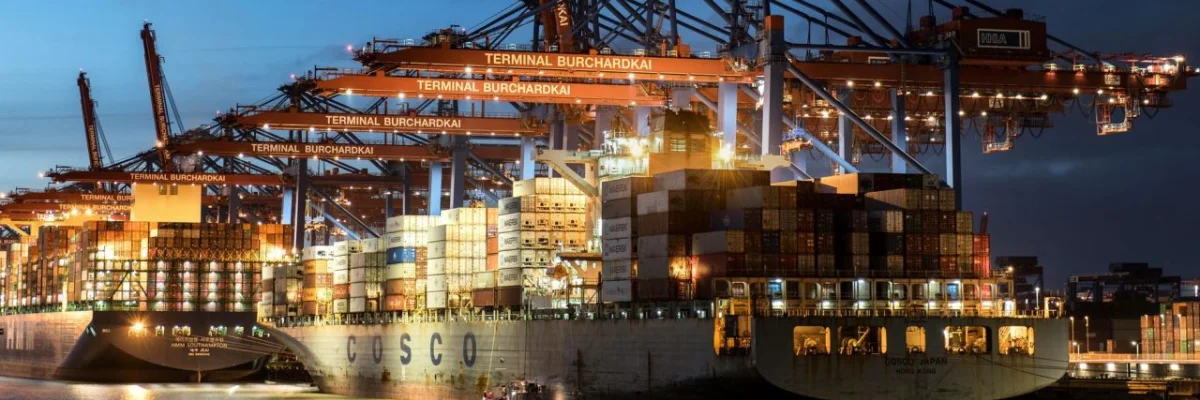
Navigating the complex landscape of global ocean freight requires more than just industry knowledge. Modern freight forwarders face constant pressures from supply chain volatility, fluctuating carrier rates, and increasing demands for transparent shipment tracking. To remain competitive, professionals must transition from manual spreadsheet processes to sophisticated, cloud-based logistics platforms. Embracing automation allows for better capacity management, enhanced customer communication, and more accurate documentation workflows. By leveraging technology to unify fragmented data sources, your organization can effectively reduce operational overhead while simultaneously increasing service reliability for your global clients in an increasingly unpredictable shipping environment.
Streamlining Carrier Communications
Digital integration with ocean carriers facilitates real-time exchange of critical booking data and container milestones. By automating these repetitive communication channels, your logistics team can focus on resolving high-level exceptions and strategic planning rather than manual data entry.
- Automated Booking Requests: Utilize platform integrations to send booking requests directly to carrier systems, significantly reducing human error and eliminating the need for tedious manual email communication cycles.
- Instant Rate Retrieval: Access real-time spot and contract pricing from multiple carriers through a single interface, ensuring that your quoting team always provides the most competitive costs.
- Digital Documentation Exchange: Upload and transmit Bills of Lading and commercial invoices electronically to ensure that compliance documents reach ports of destination without any unnecessary bureaucratic delays.
- Unified Carrier Updates: Consolidate tracking status notifications into a centralized dashboard so your internal team and customers see identical progress updates without needing multiple carrier portals.
Adopting a centralized communication strategy transforms how you manage global logistics. Instead of chasing information through disparate email threads, your staff can rely on a single source of truth for every container movement. This increased transparency builds lasting trust with your clients while reducing the administrative burden that typically hinders the scalability of growing freight forwarding operations in a competitive marketplace.
Enhancing Shipment Visibility

Real-time visibility into the exact location of maritime cargo has become a standard requirement for shippers. Implementing advanced tracking modules provides your team with the granular data needed to manage expectations effectively and proactively address potential cargo delays.
- GPS Tracking Integration: Connect your software directly with vessel AIS data to provide live updates, ensuring your clients know exactly where their shipments are at all times.
- Exception Management Alerts: Receive automated notifications when a vessel deviates from its planned schedule, allowing you to inform stakeholders before a minor delay impacts their production.
- Port Congestion Monitoring: Utilize predictive analytics to monitor port dwell times and terminal congestion, helping your team reroute shipments or advise clients on potential transit changes.
- Milestone Tracking Visibility: Enable automated status updates for every critical milestone from origin stuffing to final delivery, ensuring that stakeholders stay informed throughout the entire journey.
- Customer Self-Service Portals: Provide your shippers with secure web access to track their own containers, reducing the volume of inbound status inquiries handled by your operations staff.
Visibility is no longer just a technical feature but a vital component of customer retention. Providing accurate, map-based tracking information allows your clients to plan their inventory cycles with much greater precision. By reducing uncertainty for the end user, you position your forwarding company as a high-value partner capable of delivering reliable service even during periods of significant global maritime disruption.
Automating Financial Workflows

Financial reconciliation between carriers, agents, and shippers often creates massive bottlenecks in freight forwarding. Automating these fiscal processes reduces the risk of missed revenue and ensures that your accounting department maintains accurate cash flow projections consistently.
- Automated Invoice Matching: Match carrier invoices against original bookings and quoted rates automatically to identify billing discrepancies early and prevent overpayment on complicated ocean shipping lanes.
- Digital Payment Processing: Enable secure online payment modules for your clients, which accelerates the release of documentation and improves your company average days sales outstanding metrics.
- Currency Conversion Automation: Manage complex international shipping costs by using automated conversion tools that calculate real-time exchange rates for invoices issued across different global regions.
- Revenue Leakage Prevention: Implement automated checks to capture all ancillary charges such as port storage or demurrage to ensure that your margins remain protected during transit.
Optimizing your financial operations allows your team to focus on profit-generating activities rather than tedious balance sheet reconciliations. By removing the manual barriers to invoicing and payment, you create a faster cycle of capital that supports business growth. Investing in automated financial systems reduces human error, improves accuracy, and provides the transparent reporting needed to keep your freight forwarding business profitable.
Scaling Through Cloud Infrastructure
Cloud-based platforms provide the essential infrastructure needed to scale your operations without adding heavy administrative overhead. These systems allow your team to collaborate seamlessly from any location while maintaining strict security standards for your sensitive shipping data.
- Seamless Team Collaboration: Enable remote teams to work on the same file versions simultaneously, ensuring that all regional offices operate under the same set of protocols.
- Enhanced Data Security: Protect sensitive client and shipment data with enterprise-grade encryption and regular automated backups that ensure your business continuity during unforeseen technical system failures.
- Scalable Software Capabilities: Easily expand your software modules as your company grows, allowing you to add new users or regions without the need for complex hardware.
- API Integration Power: Connect your core software with other essential logistics tools such as accounting software or warehouse management systems to create an efficient end-to-end workflow.
Choosing the right cloud infrastructure provides the foundational stability required for long-term growth in the freight sector. When your systems are interconnected and accessible, you gain the agility to adapt to changing market conditions rapidly. This technological edge ensures that your team stays focused on delivering superior logistics solutions rather than struggling with outdated, disconnected software tools that limit your overall organizational potential.
Conclusion
Modernizing your ocean freight operations is an essential step for staying competitive in today's global market. By integrating digital communication, enhancing tracking visibility, automating financial workflows, and utilizing cloud infrastructure, you position your firm for sustainable success. Prioritizing these technology investments now will ensure your team remains efficient, profitable, and capable of meeting the evolving logistical demands of your clients worldwide.