Optimizing Ocean Freight Operations in a Digital Era
Tuesday, October 13 2026
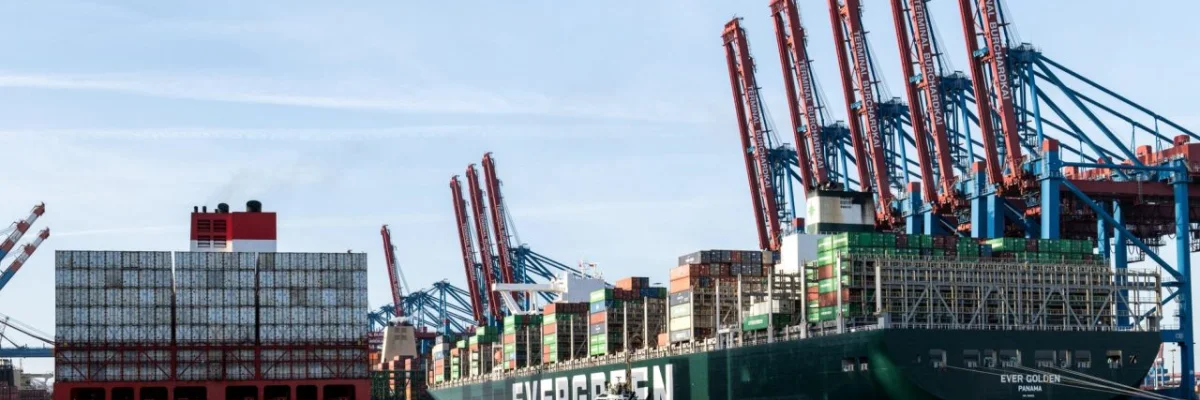
Modern ocean freight logistics demands unprecedented levels of precision and agility to navigate the complexities of global supply chains. As freight forwarders face volatile market conditions and shifting consumer demands, relying on manual processes is no longer a viable strategy for success. Integrating cloud-based platforms allows companies to gain real-time visibility, enhance operational transparency, and improve collaborative efforts across multiple stakeholders. By embracing digital transformation, logistics providers can effectively mitigate risks while boosting efficiency. This article explores essential strategies to optimize your ocean freight management, ensuring your business stays competitive and resilient in an increasingly interconnected global marketplace.
Leveraging Real-Time Tracking
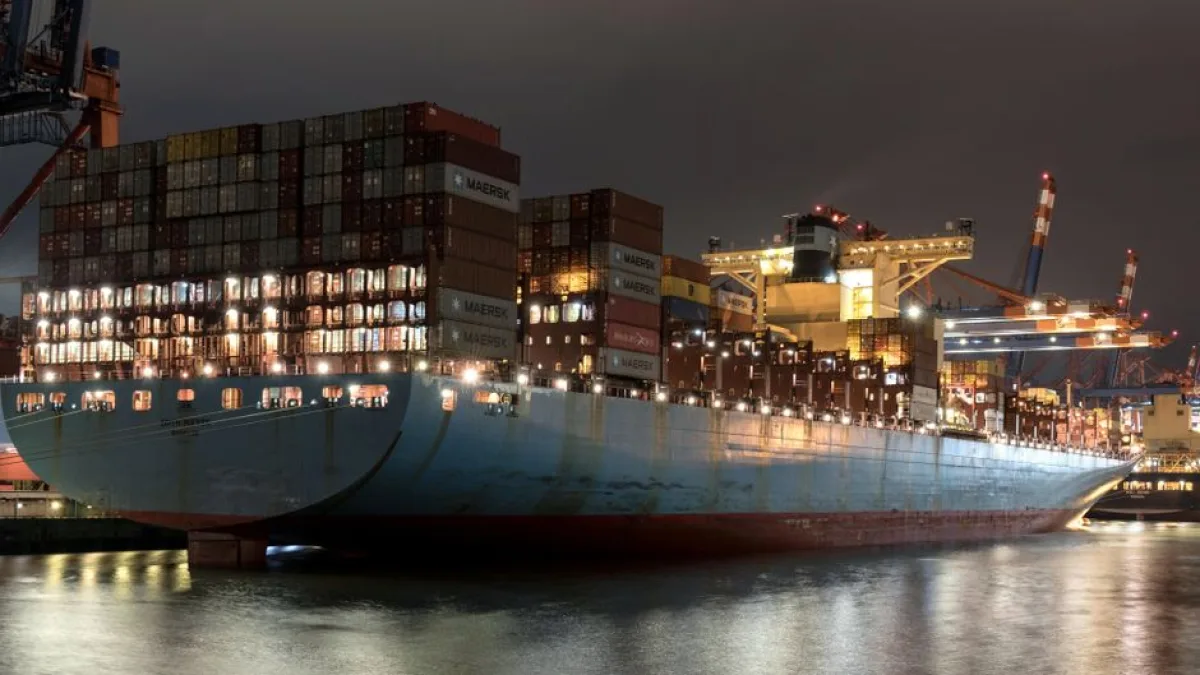
Digital visibility tools allow forwarders to monitor cargo journeys with extreme accuracy, providing clients with up to date status reports. This transparency minimizes uncertainty and fosters trust during long transit times across international waters or busy major shipping lanes.
- Automated status updates: Integrate live vessel tracking data to provide clients with automatic notifications, significantly reducing manual communication efforts and improving overall transparency throughout the entire ocean shipping cycle.
- Exception management alerts: Receive immediate notifications for delays or unexpected port congestion, enabling proactive problem solving that preserves client relationships and maintains high standards for operational delivery performance levels.
- Client portal access: Empower your customers with a secure self-service portal where they can view live shipment locations, document status, and estimated arrival times without calling support.
- Data driven decisions: Utilize historical tracking information to identify recurring bottlenecks in specific lanes, allowing your team to optimize carrier selection and improve future planning accuracy significantly.
Implementing advanced tracking capabilities transforms how you manage client expectations and internal workflows. By removing the need for constant manual updates, your team gains more time to focus on complex logistical challenges. This shift toward automated transparency not only enhances the user experience for your customers but also builds a reputation for reliability that distinguishes your freight forwarding services from other industry competitors.
Automating Documentation Workflows

Processing shipping documents manually remains a significant source of errors and delays in ocean freight. Automating the creation, storage, and retrieval of bills of lading and commercial invoices ensures compliance and accelerates the entire customs clearance process for shipments.
- Integrated document storage: Centralize all critical shipping paperwork within a cloud platform, ensuring that team members have instant access to necessary files while maintaining strict security and compliance.
- Smart document templates: Utilize pre-configured templates for common shipping forms to reduce entry errors, ensuring consistency and accuracy across every single shipment processed by your logistics team.
- OCR scanning technology: Implement optical character recognition tools to extract data from vendor documents automatically, eliminating tedious manual entry and reducing the likelihood of human typing mistakes.
- Workflow approval cycles: Streamline the internal review process by creating digital approval chains that notify responsible managers when documents require attention, speeding up processing times for urgent shipments.
Adopting automated document management allows your staff to move beyond repetitive administrative tasks and focus on higher value activities. Reducing paperwork errors lowers the risk of costly delays and compliance penalties at customs checkpoints. By digitizing these essential documents, you ensure that every part of the shipping lifecycle remains organized, transparent, and ready for audit at any moment during daily operations.
Optimizing Carrier Management
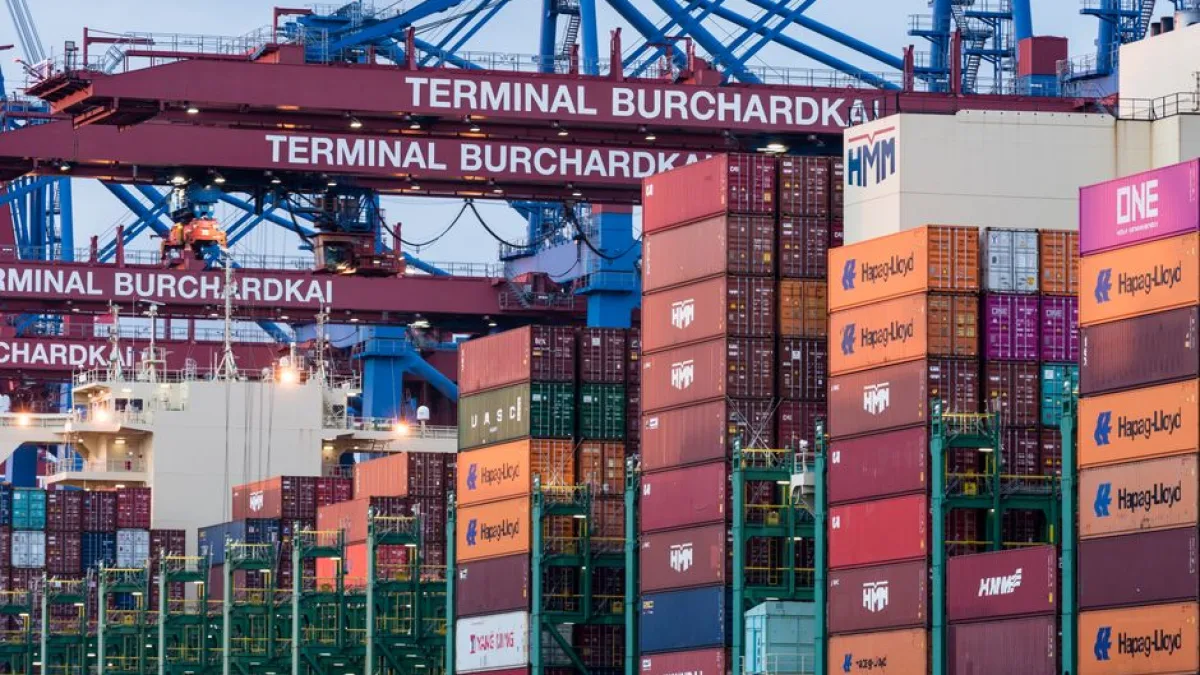
Managing multiple ocean carriers requires a strategic approach to negotiating rates and evaluating service quality. A centralized platform helps forwarders track performance metrics, compare real-time freight rates, and maintain strong relationships with global shipping partners effectively and efficiently.
- Performance analytics dashboard: Track key performance indicators like on time arrival rates and equipment availability to evaluate carrier effectiveness, ensuring your company partners with the most reliable shipping providers.
- Centralized rate management: Store and compare carrier contracts within a single searchable database, allowing you to identify the most cost effective routing options for every unique shipment.
- Capacity planning tools: Monitor space availability across various carriers to ensure you always have access to essential container capacity during peak seasons, avoiding last minute logistics crises.
- Collaboration tools: Utilize internal messaging features to coordinate directly with carrier representatives, ensuring that any issues or capacity changes are resolved quickly through direct communication channels.
Optimizing how you manage ocean carriers is vital for maintaining a competitive edge in pricing and service. By utilizing data to select the right partner for each route, you can offer your clients better value while improving your profit margins. A structured approach to carrier relations ensures that your network remains strong, capable, and responsive to the needs of your growing logistics business.
Scaling Through Cloud Technology

Cloud technology provides the necessary infrastructure to scale your operations without increasing administrative overhead. By moving legacy systems to the cloud, freight forwarders ensure that their software remains agile, secure, and accessible from any location around the globe.
- Global accessibility features: Enable remote teams to access critical logistics information from anywhere, fostering a flexible work environment that supports continuous operations across different time zones worldwide.
- Seamless system integrations: Connect your freight software with accounting and CRM tools to create a unified ecosystem that eliminates data silos and improves overall organizational efficiency.
- Enhanced data security: Benefit from enterprise grade encryption and regular security updates that protect sensitive client and financial data from cyber threats and unauthorized system access attempts.
- Automatic software updates: Stay current with the latest logistics features and regulatory requirements without performing manual system upgrades, ensuring your business always operates on the best technology.
Migrating to a cloud platform is a strategic investment in the future scalability and stability of your freight forwarding operations. It allows your company to adapt quickly to market changes while providing a secure foundation for growth. With technology managing the operational complexities, your team is free to focus on strategic goals and delivering exceptional value to your expanding portfolio of global clients.
Conclusion
Successfully navigating the complexities of ocean freight requires a blend of smart technology and proactive management strategies. By implementing automated tracking, streamlining documentation, optimizing carrier relations, and leveraging cloud infrastructure, your business can achieve superior performance levels. Start your digital transformation today to improve operational efficiency and client satisfaction across your global network. MakeCargo provides the tools necessary to thrive in modern logistics.