Optimizing Ocean Freight Operations in the Digital Era
Tuesday, October 13 2026
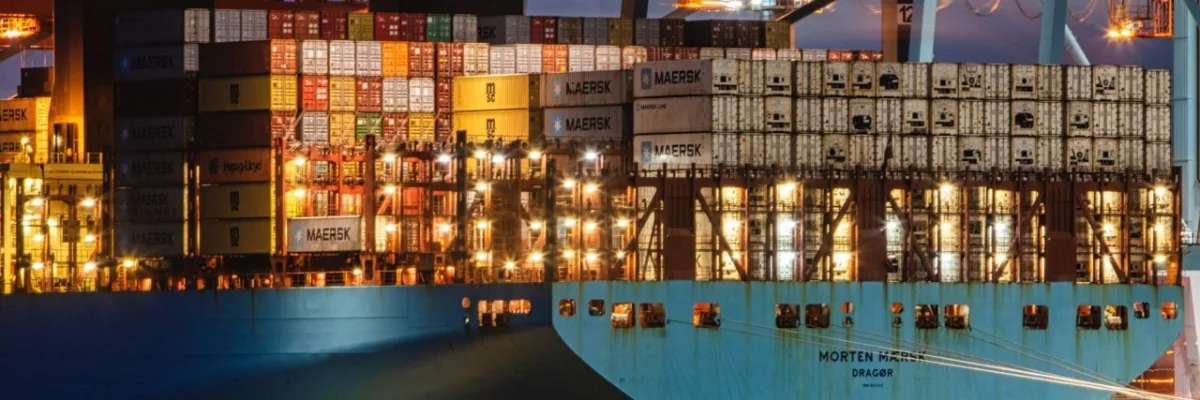
The global shipping landscape is undergoing a massive transformation driven by rapid technological advancements and shifting economic demands. For modern freight forwarders, the complexity of managing ocean logistics requires more than just traditional spreadsheets and legacy processes. Efficiency now hinges on data transparency, real-time visibility, and automated workflows that minimize manual errors. As supply chains face increasing pressure to remain agile and resilient, adopting cloud-based solutions has become essential for maintaining a competitive edge. By embracing digital integration, forwarders can unlock significant operational savings while delivering superior service levels to their global clients in this fast-paced maritime trade environment.
Strategic Capacity Planning
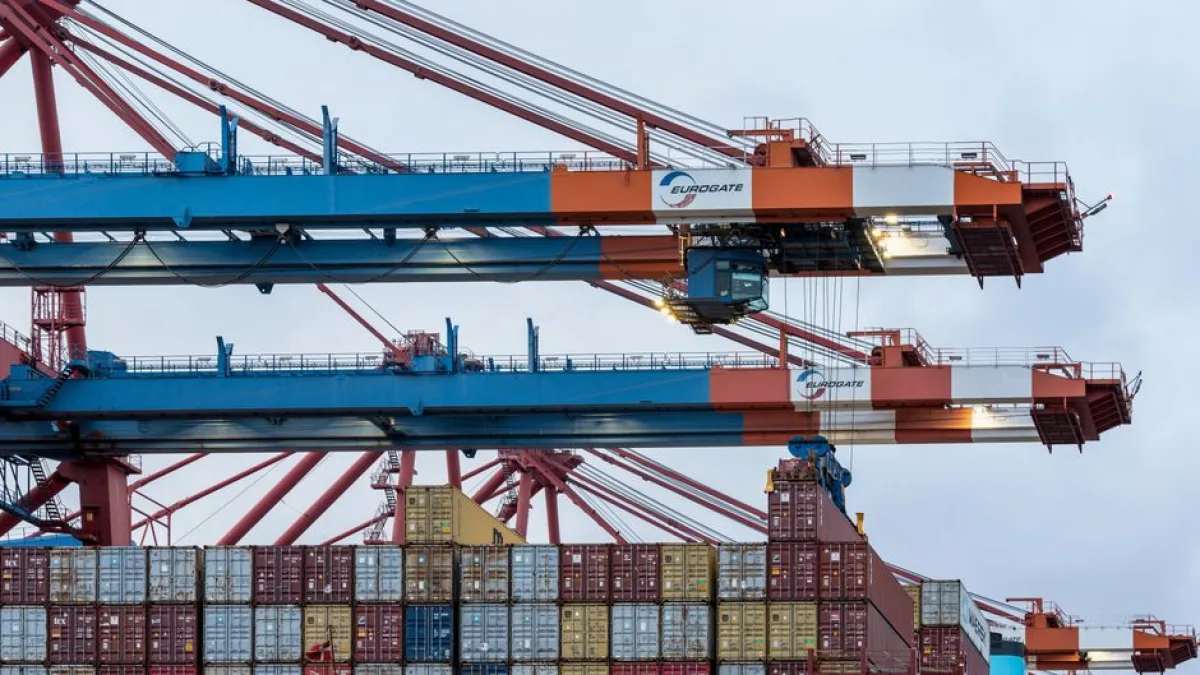
Managing vessel space effectively remains the heartbeat of profitable freight forwarding operations during peak periods. Forwarders must balance fluctuating demand with carrier availability to ensure consistent cargo movement while maintaining healthy profit margins and strong carrier partnerships.
- Carrier space allocation: Negotiate long-term volume commitments with major shipping lines to secure reliable capacity during peak seasons and avoid the volatility of spot market pricing fluctuations.
- Route optimization tools: Utilize advanced software to identify the most cost-effective shipping lanes while minimizing transit times and reducing unnecessary fuel surcharges for your diverse client base.
- Volume forecasting accuracy: Analyze historical shipment data to predict future cargo trends and adjust your booking strategies ahead of time to meet client expectations without delays.
- Container utilization rates: Focus on maximizing the density of each container unit to reduce overall shipping costs and decrease the environmental impact of your logistics operations.
Achieving excellence in capacity planning requires a proactive stance rather than a reactive approach to market changes. By leveraging historical data and digital tools, forwarders can anticipate bottlenecks before they happen. This foresight allows for better negotiations with carriers and more stable service offerings for shippers, ultimately building long-term trust and reliability in an industry often plagued by uncertainty and sudden service disruptions.
Digitizing Documentation Workflows

Manual paperwork serves as a significant bottleneck in ocean freight, often leading to costly delays and administrative errors. Transitioning to digital documentation platforms streamlines the entire lifecycle of bills of lading and customs declarations for your team.
- Automated data entry: Reduce human error significantly by implementing automated systems that extract information from invoices and packing lists directly into your core freight management platform.
- Real-time document access: Provide instant visibility to all stakeholders involved in the shipment process to eliminate unnecessary email threads and expedite the clearance of cargo.
- Compliance and security: Maintain strict adherence to international trade regulations by utilizing encrypted cloud storage that protects sensitive client data from unauthorized access or theft.
- Electronic signature integration: Accelerate the approval process for shipping documents by incorporating secure digital signature tools that eliminate the need for printing and physical courier services.
Digital transformation is no longer optional for forwarders aiming to scale their business operations effectively. Replacing manual processes with cloud-based automation reduces the time spent on tedious administrative tasks and minimizes the risk of costly documentation penalties. When your team spends less time hunting for files, they gain more capacity to focus on client relationships and complex logistics problem-solving.
Real Time Cargo Visibility
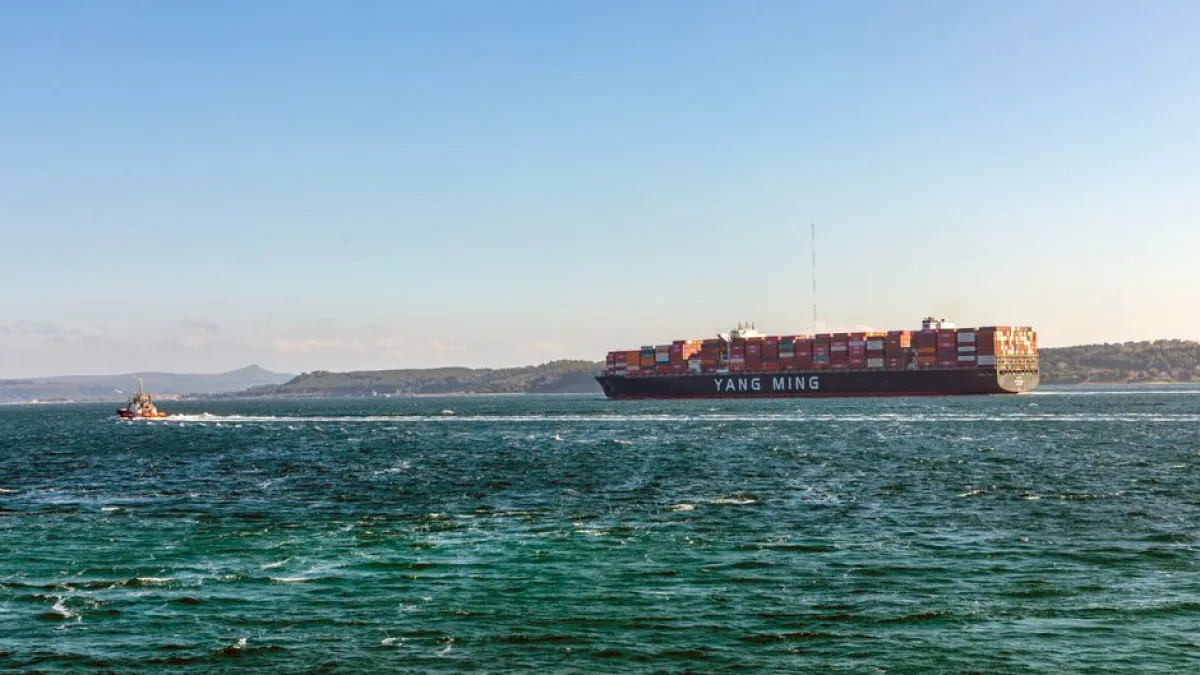
Providing clients with precise updates on their shipments is the hallmark of a professional freight forwarder today. Visibility platforms offer a window into the supply chain that builds confidence and helps shippers plan their inventory management strategies.
- GPS tracking integration: Connect your management system directly to satellite tracking data to provide clients with accurate arrival times and current vessel positions in real time.
- Exception alert systems: Configure automated notifications that warn your team immediately when a shipment deviates from its planned route or faces unexpected congestion at ports.
- Port dwell monitoring: Keep a close watch on how long containers spend at terminals to identify potential inefficiencies and advise clients on better routing options accordingly.
- Customer portal access: Empower your clients by giving them direct access to tracking dashboards so they can check their own shipment status without contacting you.
Transparency is the most valuable commodity in modern logistics. Clients demand to know exactly where their goods are at all times, especially when global conditions cause frequent disruptions. By offering robust tracking capabilities, you differentiate your services from competitors who still rely on manual status updates. This level of communication fosters loyalty and reduces the time your team spends answering status inquiries.
Streamlining Financial Management

Effective financial management ensures the long term health of your freight forwarding business by keeping cash flow healthy and transparent. Integrated accounting tools provide the oversight necessary to track profitability at the individual shipment or account level.
- Automated billing cycles: Generate invoices immediately upon shipment milestone completion to improve your cash collection speed and reduce the time spent on tedious manual reconciliation.
- Profitability analysis reports: Dive deep into your shipment margins by tracking all hidden costs including detention and demurrage fees to ensure your pricing remains profitable.
- Currency management tools: Mitigate the risks associated with international trade by using built-in tools to handle multiple currencies and calculate fluctuating exchange rates during invoicing.
- Vendor payment automation: Coordinate payments to carriers and local agents seamlessly through your platform to ensure strong relationships and avoid potential service interruptions for clients.
Financial clarity provides the foundation for sustainable business growth in the logistics sector. When you have a unified view of your debits, credits, and margins, you can make informed decisions about where to invest resources and which clients provide the best value. This level of financial control protects your firm from unforeseen market shifts and secures your position as a professional forwarder.
Conclusion

Mastering the complexities of ocean freight requires a blend of strategic planning, digital adoption, and financial oversight. By streamlining your documentation and visibility, you create a more resilient logistics operation that delivers consistent value. Start leveraging modern cloud-based software to eliminate manual inefficiencies and focus on what truly matters: providing world-class service to your global shipping clients in an increasingly competitive industry.