Optimizing Ocean Freight Operations in a Digital Era
Wednesday, October 14 2026

Ocean freight remains the backbone of global trade, yet freight forwarders face increasing pressure to modernize their workflows. As global supply chains grow more complex, the reliance on manual data entry and disjointed communication channels creates significant bottlenecks that hinder growth and profitability. Embracing cloud-based technology is no longer a luxury but a strategic necessity for companies aiming to remain competitive. By integrating smart logistics software, forwarders can enhance visibility, improve decision-making speed, and deliver superior service to their clients. This article explores essential strategies for forwarders to optimize their ocean freight processes, ensuring efficiency and scalability in a rapidly evolving shipping landscape.
Leveraging Real-time Visibility
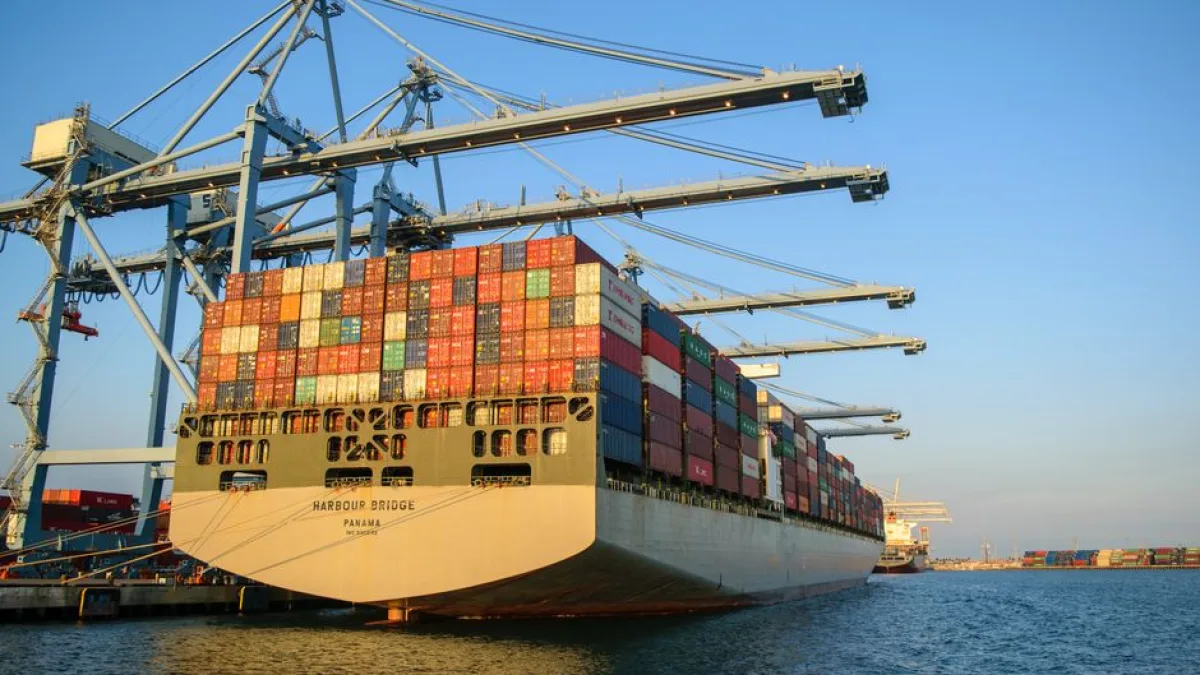
Real-time tracking provides an unprecedented level of insight into container movements, allowing forwarders to proactively address potential delays. By integrating digital visibility tools, teams can monitor shipments across the entire ocean journey, ensuring stakeholders remain informed through every critical milestone.
- Enhanced shipment tracking: Modern platforms offer automated status updates that allow teams to monitor vessel progress, reducing the manual burden of checking carrier websites for every single active container shipment.
- Proactive delay alerts: Receiving instant notifications regarding vessel schedule changes empowers freight forwarders to communicate effectively with importers, preventing downstream disruptions in the supply chain and maintaining high service.
- Data driven decisions: Accessing granular data regarding transit times and port congestion helps operational managers make informed choices when selecting routes or carriers for future client shipping requirements.
- Seamless client communication: Providing customers with a branded portal that displays live shipment status increases transparency, fosters trust, and differentiates your freight forwarding business from less digitally mature competitors.
Digital visibility transforms the client experience by removing uncertainty from the shipping process. Instead of waiting for manual status updates, forwarders can provide immediate answers regarding container locations and estimated arrival dates. This shift from reactive to proactive management strengthens client relationships and positions your logistics firm as a reliable partner capable of handling the most complex global trade requirements with ease.
Automating Documentation Workflows

Manual document handling is a primary source of error and delay in the freight industry. Automating the creation, storage, and exchange of bills of lading and customs declarations saves valuable time while significantly reducing the risk of expensive administrative mistakes.
- Automated document generation: Streamlining the creation of shipping documents directly from existing booking data reduces repetitive input tasks and ensures that all information remains consistent across the entire file.
- Cloud document storage: Keeping all essential files in a centralized cloud repository allows team members to access critical information from anywhere, promoting internal collaboration and faster response times.
- Digital signature integration: Implementing electronic signature workflows eliminates the need for physical printing and scanning, which drastically accelerates the approval process for international import and export cargo documents.
- Compliance and accuracy: Automated validation checks ensure that all shipping documentation meets international regulations, minimizing the likelihood of fines or shipments being held at customs due to errors.
Transitioning to paperless operations is essential for forwarders who want to scale their business without increasing headcount linearly. When documents are managed through a unified platform, the entire team gains a holistic view of the cargo status. This efficiency not only saves operational costs but also provides the agility needed to handle fluctuating demand during busy peak shipping seasons with confidence.
Optimizing Carrier Selection

Choosing the right carrier is a delicate balance of cost, transit time, and reliability. Leveraging data analytics allows forwarders to compare various shipping options effectively, ensuring that every booking aligns with the specific needs and budget of the end client.
- Carrier performance metrics: Evaluating historical data on carrier reliability and transit time accuracy helps forwarders identify the best options for sensitive or time critical cargo shipments effectively today.
- Dynamic rate management: Utilizing digital rate databases allows for the rapid comparison of carrier quotes, ensuring your team always secures the most competitive pricing for every route.
- Strategic vendor alignment: Building strong partnerships with preferred ocean carriers based on performance data leads to better service levels and negotiated benefits during high volume shipping periods.
- Optimized routing strategies: Analyzing port dwell times and ocean transit patterns enables forwarders to suggest more efficient routing alternatives that save time and reduce overall fuel costs.
Making informed carrier choices is a cornerstone of profitable freight forwarding. When you utilize data rather than intuition, you can significantly improve margins and reduce the risk of unexpected service issues. By constantly refining your carrier selection based on real world performance, you ensure that your logistics operations remain lean, effective, and capable of delivering consistent value to all your global customers.
Enhancing Financial Control

Robust financial management is critical for freight forwarders operating with thin margins. Integrating invoicing and accounting modules within your ocean freight software allows for better cash flow management and ensures that every service charge is accurately tracked and billed promptly.
- Automated billing processes: Generating invoices directly from freight file data ensures that every cost is captured, preventing revenue leakage and reducing the time spent on manual account reconciliation.
- Real time profitability: Monitoring the financial performance of each shipment in real time allows managers to identify trends and adjust their pricing strategies to maintain healthy margins.
- Streamlined payment collections: Providing clients with secure, easy to use payment portals accelerates the collection process, significantly improving the overall cash flow of your freight forwarding business.
- Integrated accounting sync: Syncing your logistics platform with accounting software eliminates double entry and ensures that your financial records are always accurate, updated, and ready for audits.
Strong financial control provides the stability necessary for long term growth. By reducing the administrative burden associated with billing and accounts receivable, your finance team can focus on strategic planning instead of chasing payments. A clear view of profit margins across all ocean freight lanes allows for smarter business decisions, ensuring that your company remains profitable even during periods of extreme market volatility.
Conclusion
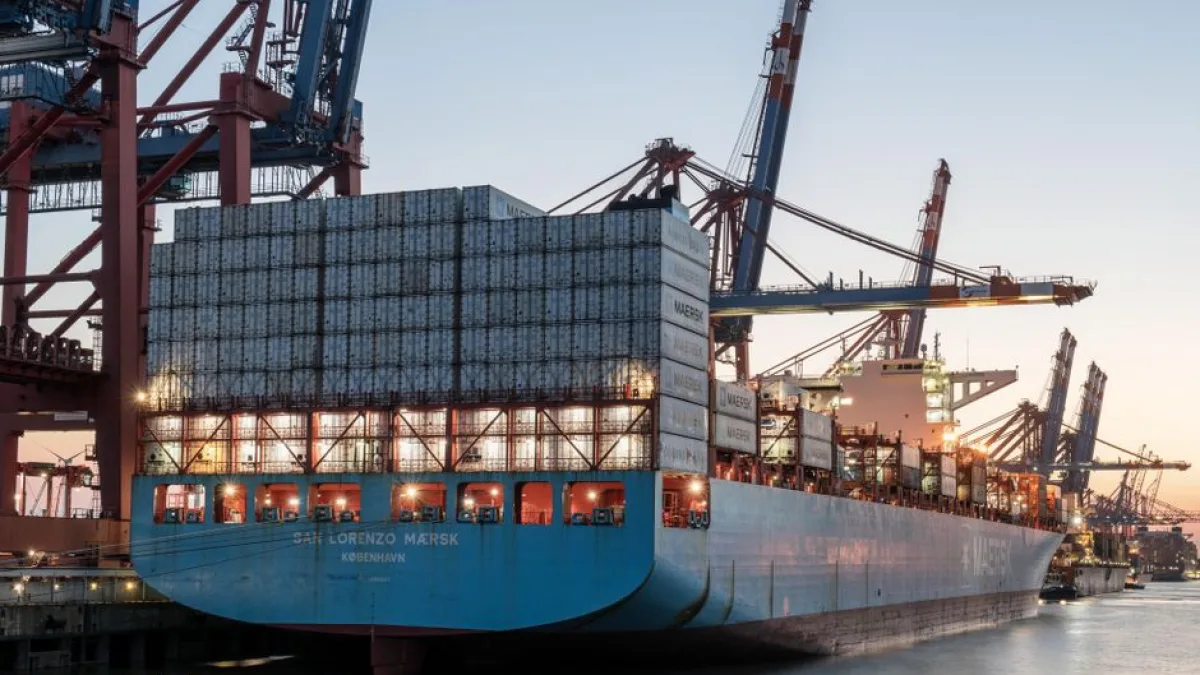
Modernizing ocean freight processes is essential for forwarders aiming to thrive in a competitive global market. By embracing visibility, automation, and data driven decision making, your team can improve operational efficiency and client satisfaction simultaneously. Start evaluating your current software stack today to identify areas for growth and improvement. Partnering with a comprehensive cloud platform allows you to scale effectively and navigate complex shipping challenges.