Optimizing Ocean Freight Operations in a Digital Era
Thursday, October 15 2026
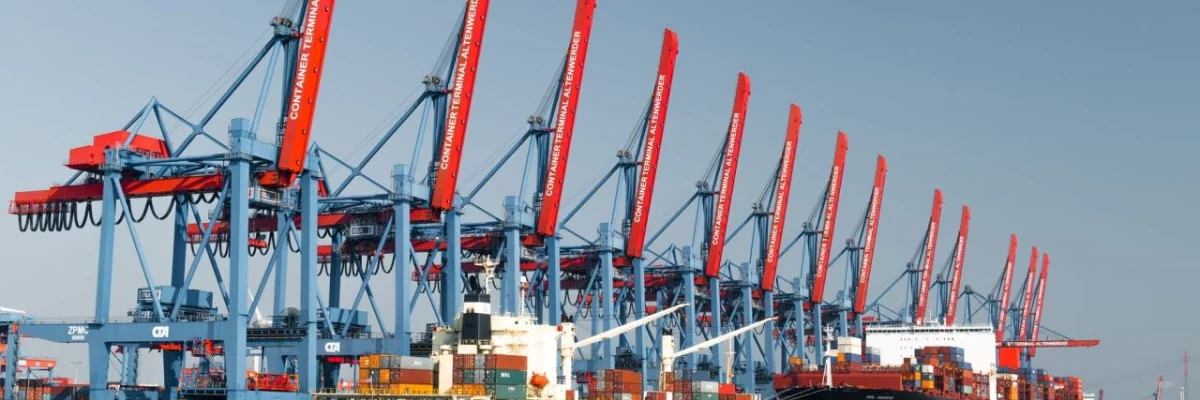
Ocean freight remains the backbone of global commerce, yet navigating the complexities of modern maritime logistics requires more than just traditional shipping methods. As global supply chains face unprecedented pressure from capacity fluctuations and geopolitical shifts, freight forwarders must transition toward cloud-native platforms to maintain a competitive edge. By leveraging advanced data analytics and real-time visibility tools, professionals can effectively reduce operational friction and enhance customer satisfaction. This article explores how adopting innovative software solutions allows forwarders to streamline their workflows, mitigate risks, and scale their businesses efficiently in a landscape defined by rapid technological evolution and increasing complexity.
Strategic Capacity Planning
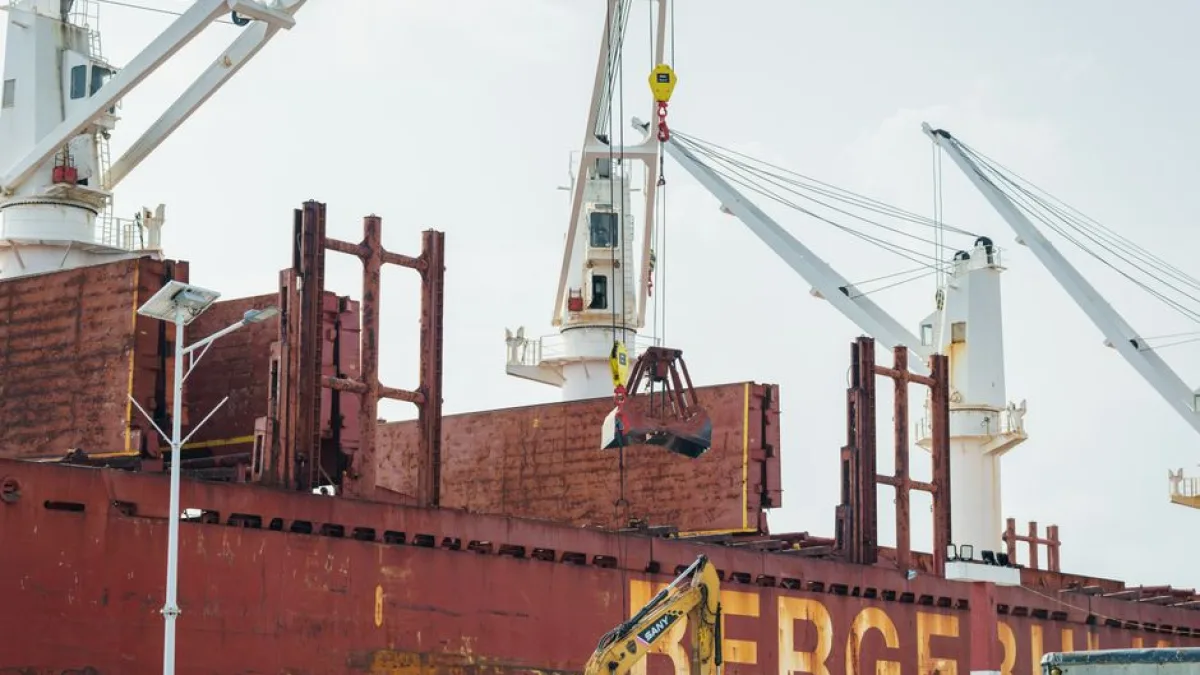
Effective capacity management is the foundation of successful ocean freight operations, especially when market volatility disrupts established trade routes. Freight forwarders who prioritize proactive planning can secure reliable space while maintaining cost efficiency for their diverse range of global clients.
- Dynamic Allocation Tools: Modern software enables teams to monitor space availability across multiple carriers simultaneously, ensuring they secure optimal bookings before market rates spike or vessel space becomes limited.
- Historical Data Analysis: By evaluating past shipment trends, businesses can anticipate seasonal volume surges, allowing them to reserve container capacity in advance to avoid last-minute delays or surcharges.
- Carrier Performance Monitoring: Maintaining a structured view of carrier reliability helps forwarders choose partners who consistently meet transit deadlines, reducing the risk of costly supply chain disruptions today.
- Automated Booking Flows: Streamlining the booking process reduces manual data entry errors and accelerates communication with shipping lines, providing a significant advantage during high-demand shipping windows and peak seasons.
Mastering capacity planning allows companies to remain resilient against the unpredictable nature of the maritime industry. By integrating specialized freight software, forwarders gain clear visibility into market trends and carrier capabilities, transforming how they approach complex shipping challenges. This strategic mindset fosters trust with shippers, who rely on forwarders to deliver consistent service even when the broader global shipping market faces significant instability.
Real-Time Cargo Visibility

Visibility is no longer a luxury but a fundamental expectation in the current logistics climate. Forwarders must provide clients with granular, real-time status updates on their cargo movements, ensuring transparency throughout the entire international transit process from port to destination.
- GPS Tracking Integration: Integrating live satellite and vessel data directly into your management platform provides accurate updates, ensuring that both operations teams and customers see live shipment locations.
- Exception Management Alerts: Automated notifications alert logistics staff to potential delays or congestion immediately, allowing them to take corrective action before a minor issue becomes a major problem.
- Unified Communication Hubs: Centralizing all shipment documents and status updates in one portal eliminates the need for endless email threads and reduces the risk of miscommunication between parties.
- Enhanced Customer Portals: Giving your clients a self-service dashboard to track their ocean freight orders increases transparency and reduces the heavy administrative burden on your internal support team.
When you provide accurate tracking data, you effectively reduce the uncertainty that typically plagues maritime logistics. Clients demand constant updates, and providing this through automated systems frees up your staff to focus on solving complex logistical issues rather than answering routine status queries. Building this level of transparency is essential for long-term customer retention and establishing your brand as a reliable industry leader.
Automated Documentation Workflows

Paperwork remains one of the largest bottlenecks in ocean freight, often causing significant delays at customs checkpoints and ports. Shifting toward automated documentation processing is essential for forwarders aiming to increase throughput and reduce the costs associated with manual administrative work.
- Automated Bill Creation: Systems can automatically generate bills of lading and other essential transport documents from existing shipment data, saving hours of repetitive manual typing and processing time.
- Standardized Filing Systems: Using cloud storage ensures that all critical shipping documents are categorized and easily searchable, eliminating the frantic search for physical files during audits.
- Customs Compliance Automation: Digital tools can validate data against international customs requirements before submission, drastically reducing the likelihood of rejected entries and expensive fines for your company.
- Secure Digital Signatures: Implementing electronic signature capabilities speeds up the approval process, allowing stakeholders to sign off on documents from anywhere in the world without physical delays.
Optimizing your documentation workflow transforms the administrative side of your freight business from a major burden into a streamlined asset. By removing the manual components of paperwork, your team can process a higher volume of shipments without increasing headcount. This efficiency is critical for maintaining healthy margins in a thin-margin industry where speed and accuracy define the success of your operations.
Optimizing Freight Cost Management

Controlling costs is a relentless pursuit for freight forwarders operating in a highly competitive global market. Improving how you handle billing and expense tracking can significantly impact your bottom line, particularly when navigating complex currency fluctuations and varying carrier fee structures.
- Integrated Billing Modules: Consolidating shipping invoices and automated billing directly within your platform prevents revenue leakage and ensures that all charges are accurately reflected in every shipment.
- Real-Time Cost Auditing: Automated systems can instantly compare carrier invoices against the original quoted rates, highlighting discrepancies that would otherwise go unnoticed by the accounting department during busy periods.
- Margin Analysis Reporting: Detailed reporting tools allow you to analyze the profitability of specific trade lanes or clients, helping you make informed decisions about your business strategy.
- Currency Conversion Automation: Handling multiple currencies becomes seamless when your software automatically updates exchange rates, ensuring your pricing remains accurate and profitable for all international shipping activities.
Strategic cost management is vital for maintaining profitability while providing value to your customers. By utilizing advanced software to monitor your financial performance, you can identify hidden inefficiencies and rectify them quickly. These insights allow you to adjust your pricing strategies effectively, ensuring that your business remains both competitive and financially healthy despite the constant changes within the volatile global ocean freight market.
Conclusion

Modernizing your ocean freight operations is the most effective path toward long-term business sustainability and growth. By embracing cloud technology, forwarders can successfully navigate the complexities of global trade, improve their service reliability, and maximize operational efficiency. Now is the time to audit your current systems and implement the digital tools necessary to thrive in an increasingly connected, data-driven, and highly competitive maritime industry.