Optimizing Ocean Freight Operations in a Digital Era
Thursday, October 15 2026
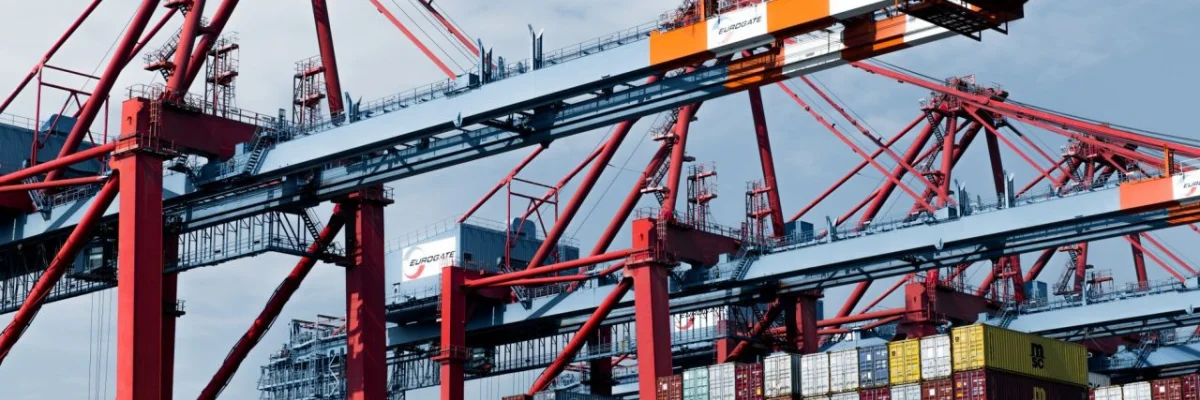
Navigating the complex landscape of international ocean freight requires a blend of strategic foresight and robust technological integration. As global supply chains face unprecedented pressure from fluctuating demand and port congestion, freight forwarders must pivot toward modernized digital solutions to remain competitive. By leveraging data-driven insights and automated workflows, businesses can significantly reduce manual errors while enhancing overall transparency for their clients. This article explores essential strategies for forwarders aiming to streamline their ocean freight operations, ensuring they can handle the evolving requirements of modern logistics with efficiency, accuracy, and improved profitability in an increasingly volatile global market.
Leveraging Advanced Shipment Tracking
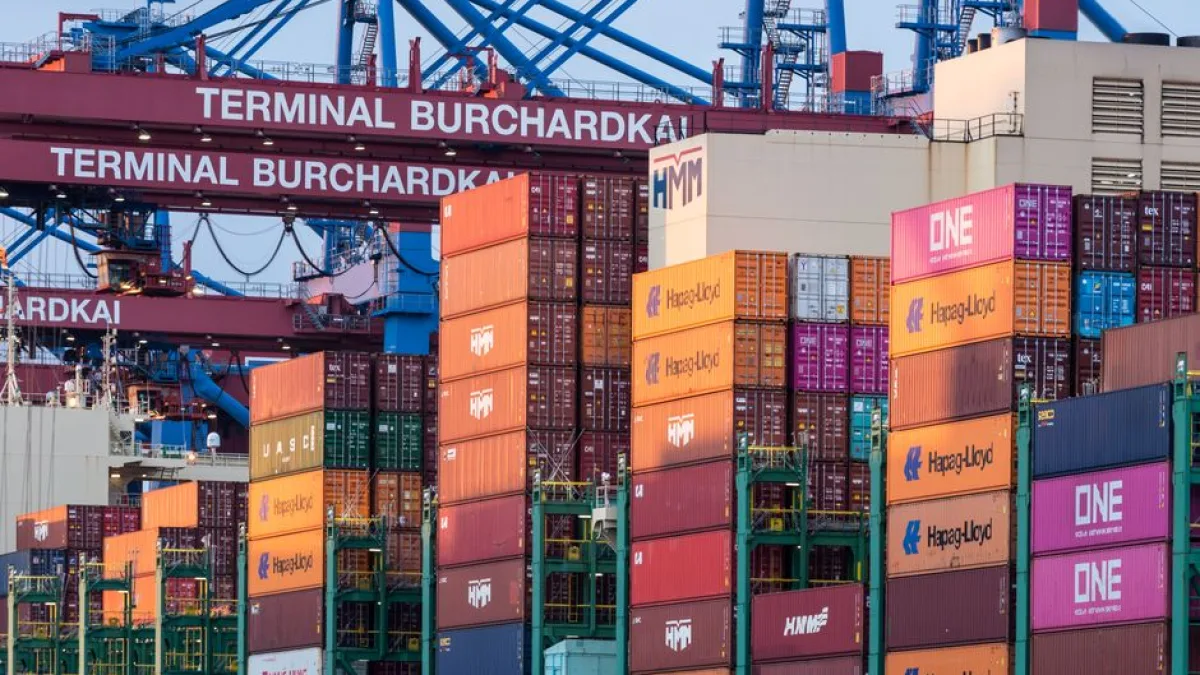
Real-time visibility into container movements is no longer a luxury but a fundamental necessity for modern logistics providers. By integrating automated tracking systems, freight forwarders can provide clients with accurate updates, reducing uncertainty and minimizing the impact of potential supply chain disruptions.
- Automated status alerts: Automated systems notify stakeholders immediately when a container reaches a major milestone, ensuring transparency and reducing the need for constant manual checks by your support staff members.
- Predictive delay analysis: Advanced algorithms analyze historical port data to predict potential delays, allowing teams to proactively reroute shipments or manage client expectations before serious bottlenecks actually occur today.
- Live vessel monitoring: Modern software provides live coordinates for vessels crossing the ocean, helping logistics coordinators monitor transit times and adjust onward inland transportation schedules with great precision daily.
- Unified carrier data: Consolidating tracking information from multiple ocean carriers into a single dashboard eliminates the need for switching between various websites, saving hours of unproductive administrative time weekly.
Implementing these tracking tools transforms how your team manages client relationships by shifting from reactive communication to proactive service delivery. When customers receive timely updates without having to request them, trust in your agency grows significantly. This digital transparency acts as a strong competitive differentiator in the market, allowing you to charge premium rates for the superior peace of mind you provide to shippers.
Automating Essential Documentation Workflows

Manual document preparation remains a significant bottleneck for many freight forwarders, often leading to costly errors and processing delays. Transitioning to automated documentation platforms allows for the seamless generation of bills of lading, commercial invoices, and packing lists with accuracy.
- Smart data templates: Pre-defined templates ensure that every document adheres to international standards, reducing the risk of customs rejections and speeding up the clearance process at destination ports globally.
- Integrated document management: Cloud-based platforms store all shipping documents in one central location, allowing team members to access vital files instantly from any device or remote location securely.
- Error reduction tools: Automated validation checks identify inconsistencies between various shipping documents before submission, preventing costly fines or storage fees caused by inaccurate paperwork during the transit process.
- Instant document sharing: Secure digital portals allow forwarders to share final shipping documents with clients and agents instantly, eliminating the slow and outdated reliance on physical mail or email.
Reducing manual entry tasks empowers your staff to focus on high-value activities rather than repetitive paperwork. As human error decreases, your operational throughput naturally increases, allowing you to handle a higher volume of shipments without expanding your headcount. Investing in automated document workflows provides a direct return on investment through improved operational speed and significantly reduced administrative overhead costs across your entire firm.
Enhancing Carrier Capacity Planning

Effective capacity management is the backbone of a successful ocean freight operation, particularly during peak seasons. Forwarders who utilize historical shipment data to forecast future space requirements can negotiate better rates and secure reliable vessel slots for their clients consistently.
- Historical demand analysis: Reviewing past shipment volumes helps planners predict upcoming seasonal surges, allowing your agency to reserve space in advance and avoid the high costs of spot markets.
- Optimal route selection: Data analysis tools compare various shipping routes based on transit time and cost, helping you choose the best logistics path for every specific client shipment.
- Carrier performance reviews: Regularly assessing carrier reliability metrics ensures that you partner with the most consistent operators, protecting your clients from unexpected disruptions and unreliable service levels often encountered.
- Direct carrier integration: Connecting your booking systems directly to carrier databases simplifies the space request process, enabling faster confirmations and more efficient management of your overall capacity requirements.
When you master the art of capacity planning, your agency gains significant bargaining power during contract negotiations with major steamship lines. By offering predictable volumes, you secure more favorable service terms that you can then pass on to your customers. This strategic approach to capacity management ensures your operations remain resilient even when global ocean freight markets experience extreme volatility or vessel shortages.
Fostering Collaborative Digital Ecosystems

Logistics excellence depends on the seamless flow of information between shippers, carriers, and internal teams. Building a collaborative digital ecosystem removes information silos, ensuring that everyone involved in the freight process operates using the same consistent and accurate data set.
- Shared stakeholder portals: Dedicated client portals provide shippers with instant access to their shipment data, reducing the volume of inbound queries and empowering them to manage their own requirements.
- Agent network connectivity: Digital platforms link your global offices and local agents, fostering better cooperation and ensuring consistent service standards regardless of the origin or destination of cargo.
- Internal task management: Integrated task tracking ensures that every team member knows their specific responsibilities for each shipment, preventing important steps from being missed during busy operational periods.
- Real-time feedback loops: Communication tools within the platform allow for instant internal collaboration, ensuring that urgent issues are resolved quickly by the most appropriate experts in your organization.
A unified digital ecosystem creates a culture of efficiency where information is treated as a core asset rather than a fragmented byproduct of the business. By breaking down barriers between departments and external partners, you create a responsive organization that adapts quickly to changing client needs. This collaborative environment is the final piece of the puzzle for forwarders seeking long-term growth and success.
Conclusion
Optimizing ocean freight requires a commitment to digital transformation and continuous process improvement. By focusing on tracking, documentation, capacity planning, and collaboration, your firm can navigate modern challenges with confidence. Start streamlining your operations today by integrating cloud-based software that unifies your workflows. Visit MakeCargo to see how our platform empowers freight forwarders to achieve higher productivity and deliver exceptional service to clients globally.