Optimizing Ocean Freight Operations in a Digital Era
Saturday, October 17 2026
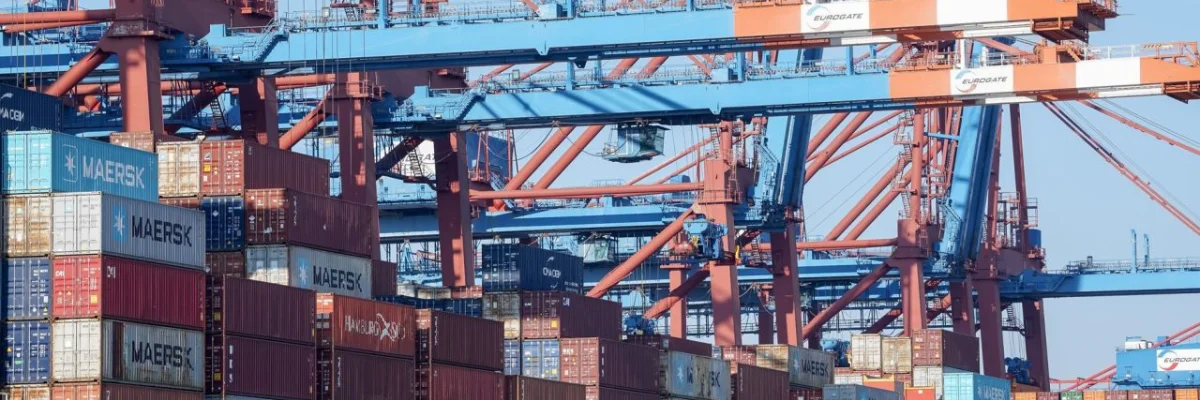
The global shipping landscape is undergoing a massive transformation driven by rapid technological advancements and shifting market demands. Freight forwarders are increasingly tasked with navigating complex supply chains, managing fluctuating fuel costs, and meeting the high transparency expectations of modern shippers. By embracing cloud-based platforms, logistics professionals can replace manual spreadsheet processes with automated workflows that ensure accuracy and speed. This transition is no longer just a competitive advantage but a fundamental necessity for survival. This article examines key strategies to enhance ocean freight efficiency, reduce operational bottlenecks, and ultimately drive sustainable growth for your forwarding business in a demanding global market.
Leveraging Advanced Visibility Tools
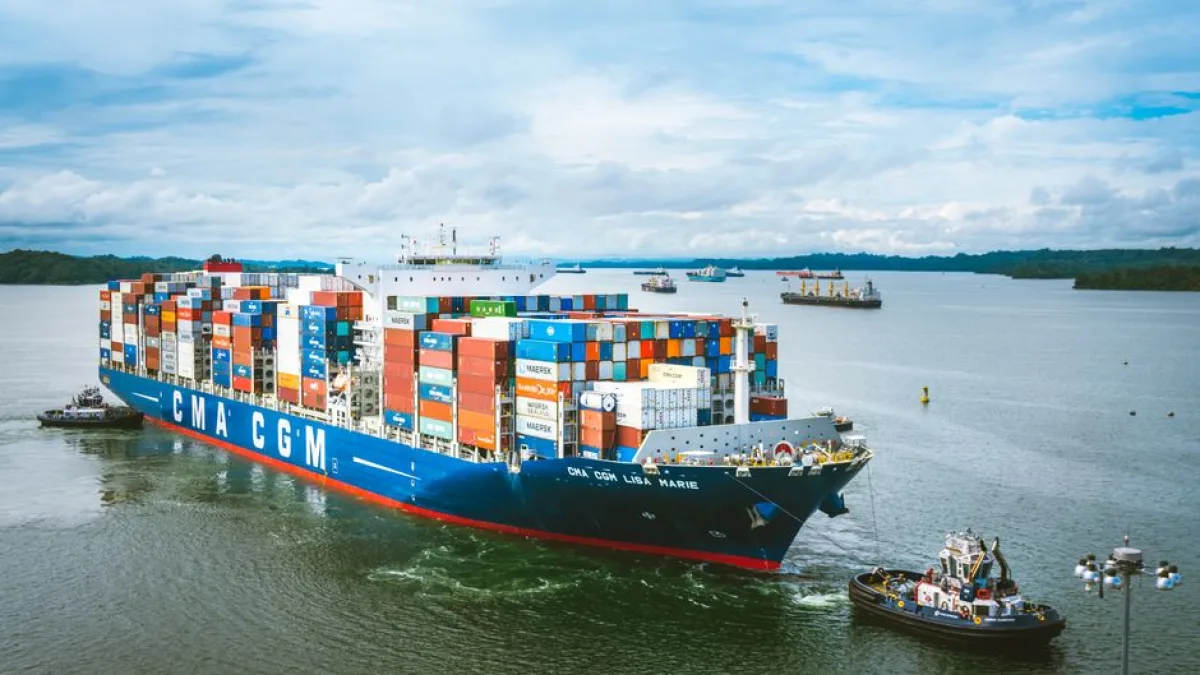
Real-time visibility into your cargo journey is essential for maintaining client trust and operational precision. By integrating tracking data into your freight platform, you can anticipate delays before they impact your customers, allowing for proactive communication and effective contingency planning.
- Automated Tracking Updates: Receive instantaneous notifications regarding vessel status and port arrivals to keep your clients informed without the need for manual status checks or time-consuming email inquiries.
- Predictive Delay Analytics: Utilize intelligent software to identify potential port congestion or weather disruptions early, enabling you to reroute shipments and minimize costly delays for your valued clients.
- Enhanced Client Portals: Provide your shippers with secure access to their own data dashboard, fostering transparency while reducing the administrative burden on your internal customer service teams.
- Real-time Document Access: Store and retrieve shipping manifests and bills of lading instantly, ensuring that all stakeholders have access to critical documentation during every stage of transit.
- Data-driven Decision Making: Analyze historical route performance to choose the most reliable carriers, which helps in optimizing your overall supply chain costs and boosting long-term service reliability.
Adopting digital visibility tools transforms how you interact with stakeholders by replacing fragmented data with a unified source of truth. Forwarders who prioritize these platforms reduce the time spent on administrative tasks and focus on higher-value logistics activities. Implementing these technologies is the most effective way to scale your operations while maintaining a consistent quality of service that keeps your clients coming back.
Streamlining Carrier Communications
Efficient communication with ocean carriers remains a cornerstone of successful freight management. Cloud platforms enable centralized messaging and documentation, ensuring that your team and your carriers remain perfectly aligned regarding bookings, space availability, and fluctuating shipping rates throughout the process.
- Integrated Messaging Systems: Consolidate all carrier communications into a single platform to prevent important messages from getting lost in overflowing email inboxes or disconnected chat applications.
- Centralized Booking Management: Submit and manage booking requests directly through your system, reducing errors while ensuring that carrier confirmations are recorded and tracked with complete accuracy.
- Rate Management Automation: Manage complex carrier tariffs effortlessly with automated tools that update your internal pricing models, helping you provide accurate quotes to customers much faster.
- Collaborative Workflow Tools: Use internal assignment features to ensure that specific team members handle carrier responses, which prevents overlapping work and clarifies accountability for every shipment.
- Instant Amendment Processing: Handle changes to booking details or vessel schedules quickly by updating your digital records in real time, which keeps all parties synchronized and updated.
By streamlining your carrier interactions, you eliminate the friction that often leads to errors in documentation or missed shipping windows. Centralized communication builds stronger relationships with shipping lines, often resulting in better priority during peak seasons. As your platform handles the repetitive coordination, your team gains the flexibility required to manage complex logistics challenges and support your company's growing operational scale.
Digitalizing Documentation Processes

Traditional paper-based documentation creates significant bottlenecks that slow down the entire shipping process. Moving to a digital-first approach for bills of lading and customs forms reduces processing time, limits manual errors, and ensures that your compliance standards remain high across all global jurisdictions.
- Cloud-based Document Storage: Securely archive all shipping documents in a centralized location that is accessible to authorized team members from any device or geographical location.
- Automated Document Generation: Auto-populate forms using shipment data already in your system, which saves valuable time and drastically reduces the risk of common human typing errors.
- Secure Digital Signatures: Facilitate fast document approval with legally binding digital signatures, removing the need for physical printing, scanning, or overnight mailing of essential paper documents.
- Compliance Error Checks: Run automated audits on your documentation to ensure that every shipment complies with international trade regulations and specific port requirements before departure.
- Audit Trail Logging: Maintain a detailed digital history of all changes made to your documents, providing a clear audit trail for both internal reviews and external customs.
Digitalizing your document workflow acts as a catalyst for efficiency, enabling your business to handle higher shipment volumes without increasing administrative headcount. When paperwork moves digitally, cash flow improves because invoicing and payment cycles become faster. This move towards a paperless environment is a critical step in building a modern freight forwarding brand that is ready to handle future industry demands.
Managing Market Volatility

Market volatility in ocean freight requires agile management strategies that allow your company to pivot quickly. By leveraging data-backed insights and flexible software solutions, you can successfully navigate price shifts, equipment shortages, and sudden capacity adjustments to ensure your customers remain satisfied during uncertain times.
- Dynamic Rate Analysis: Compare carrier pricing in real time to secure the best possible market rates for your clients, protecting your margins against sudden price spikes.
- Capacity Utilization Monitoring: Track available space on your preferred routes to ensure you have sufficient equipment, which helps you avoid the stress of peak-season capacity crunches.
- Scenario Planning Tools: Use your data platform to simulate various logistical outcomes, helping you prepare for supply chain disruptions before they negatively affect your specific service delivery.
- Customized Reporting Dashboards: Generate instant reports on your profitability and service levels to identify which routes or carriers are performing best in the current market environment.
- Supplier Performance Metrics: Evaluate how different carriers and partners handle volatile periods, ensuring that you only collaborate with those who offer the most reliable service levels.
Strategic management of market fluctuations separates top-tier freight forwarders from the competition. When you utilize sophisticated software to monitor shifts, you turn potential crises into managed events. Maintaining this level of operational agility ensures that your business remains resilient regardless of how the global economy changes. Investing in these analytical tools provides a long-term roadmap for sustainable profitability in modern shipping.
Conclusion
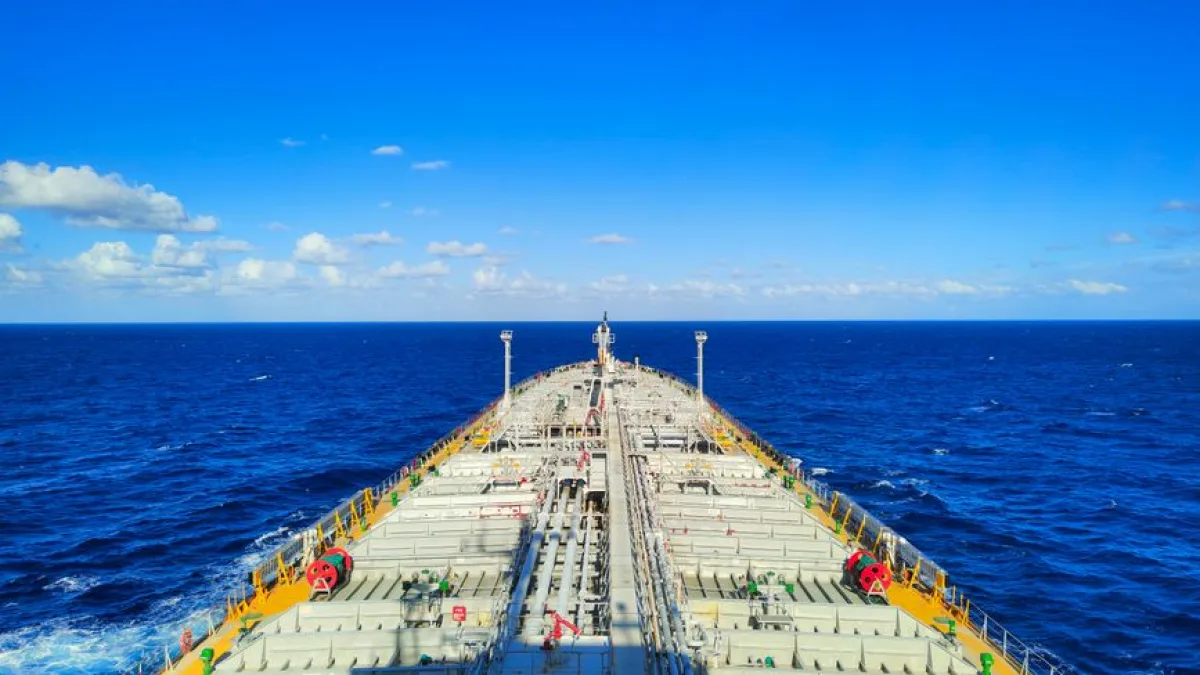
Modernizing your ocean freight operations is a continuous process that rewards those who invest in the right digital infrastructure. By focusing on visibility, communication, documentation, and data-driven management, you position your firm as a leader in the global logistics sector. Use these strategies to optimize your workflows, build stronger carrier partnerships, and deliver an unparalleled experience that secures your future growth in the industry.