Optimizing Ocean Freight Operations in a Digital Era
Saturday, October 17 2026
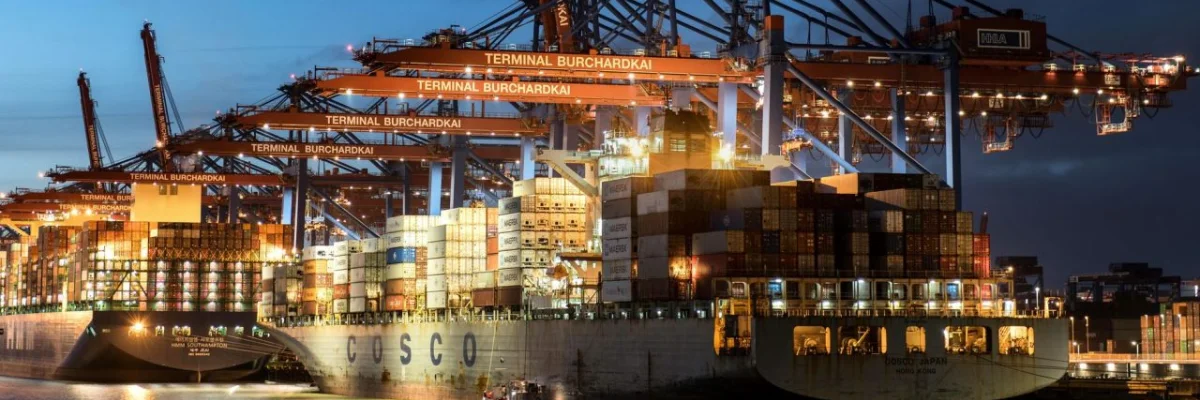
Modern ocean freight logistics demands unprecedented precision as global supply chains face constant volatility and rising operational costs. Freight forwarders are increasingly tasked with navigating complex port congestion, fluctuating capacity, and the relentless pressure to improve shipment visibility for shippers. To maintain a competitive edge, professionals must embrace digital transformation by integrating cloud based software solutions that automate manual workflows and provide real time data analytics. By centralizing documentation, communication, and carrier management on a single platform, logistics teams can minimize errors, eliminate communication silos, and significantly accelerate the speed of cargo processing across international maritime trade routes.
Leveraging Real Time Tracking
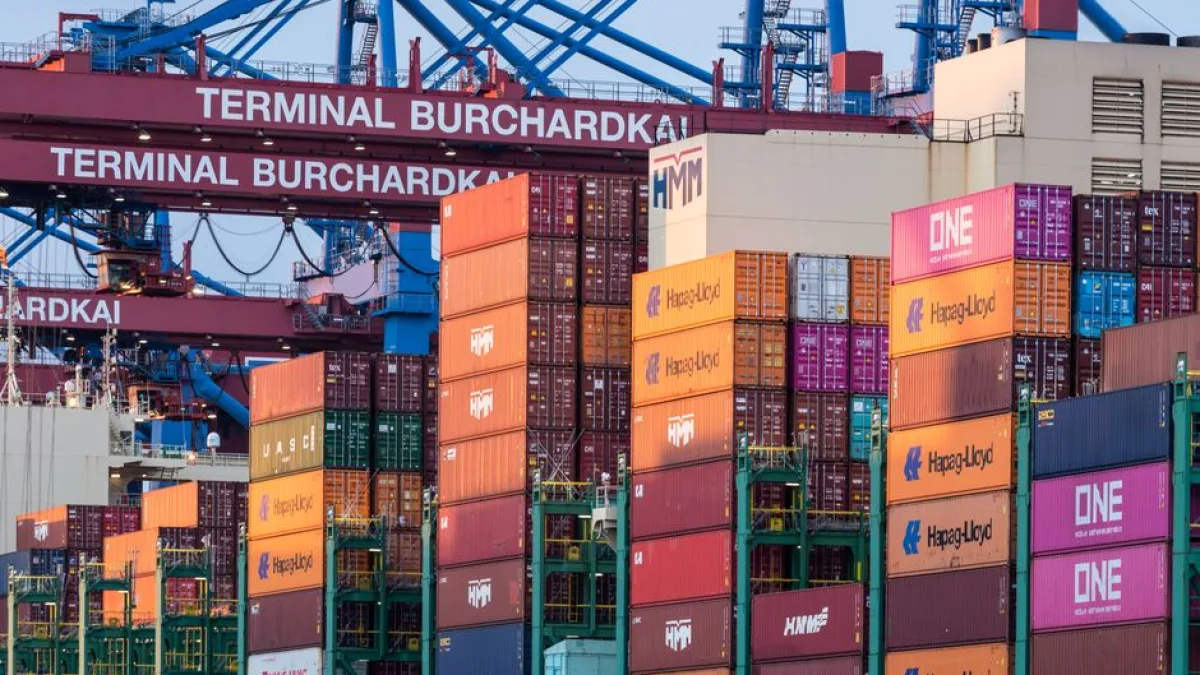
Real time tracking technology has fundamentally changed how freight forwarders handle ocean shipments. By gaining constant visibility into vessel locations and cargo status, companies can proactively manage client expectations and solve logistical bottlenecks before they escalate into costly delivery delays.
- Enhanced Visibility Levels: Digital platforms allow your team to monitor vessel progress across global routes, providing precise arrival estimates that improve transparency and trust with your valued shipping clients.
- Proactive Exception Management: Automated alerts notify your operations team immediately if a vessel deviates from its route, allowing for faster problem solving and effective communication regarding any unforeseen shipment delays.
- Data Driven Decisions: Accessing granular data helps freight forwarders identify recurring bottlenecks, enabling smarter carrier selection and improved route planning to optimize your long term ocean freight logistics strategy.
- Improved Client Satisfaction: Providing customers with a branded portal to track their own containers reduces repetitive status update requests and empowers clients with direct access to shipment details.
Adopting advanced tracking systems is no longer optional for firms aiming for market leadership. These tools transform reactive operations into proactive customer service models that distinguish your brand from competitors. When data flows freely between stakeholders, the entire supply chain becomes more resilient and responsive to external disruptions, ensuring that your organization remains the preferred partner for complex international trade requirements in this challenging environment.
Streamlining Documentation Workflows

The paper based legacy of ocean shipping is a major productivity barrier for many forwarders. Moving documentation to the cloud reduces manual data entry errors, ensures compliance with international maritime regulations, and slashes the time required to process bills of lading.
- Automated Data Entry: Cloud software captures information directly from digital manifests, reducing the risk of manual typing errors that often lead to customs clearance delays and financial penalties.
- Centralized Document Storage: Secure cloud repositories ensure that critical shipping documents are accessible from any location, allowing remote teams to collaborate effectively while maintaining strict data integrity standards.
- Compliance Management Tools: Integrated compliance checkers automatically verify that your documentation meets the latest customs and maritime safety standards, preventing regulatory holds that disrupt your global delivery schedules.
- Instant Digital Sharing: Sending digital copies of essential paperwork to shippers and agents is immediate, facilitating faster approvals and preventing the costly delays associated with traditional physical courier services.
Digital documentation management is the foundation of a modern, scalable freight forwarding business. By removing the dependency on physical paper trails, companies can achieve a significantly higher throughput without expanding their administrative headcount. This shift allows your staff to focus on high value tasks such as relationship management and strategic logistics planning rather than the tedious organization of filing cabinets and emails.
Optimizing Carrier Management
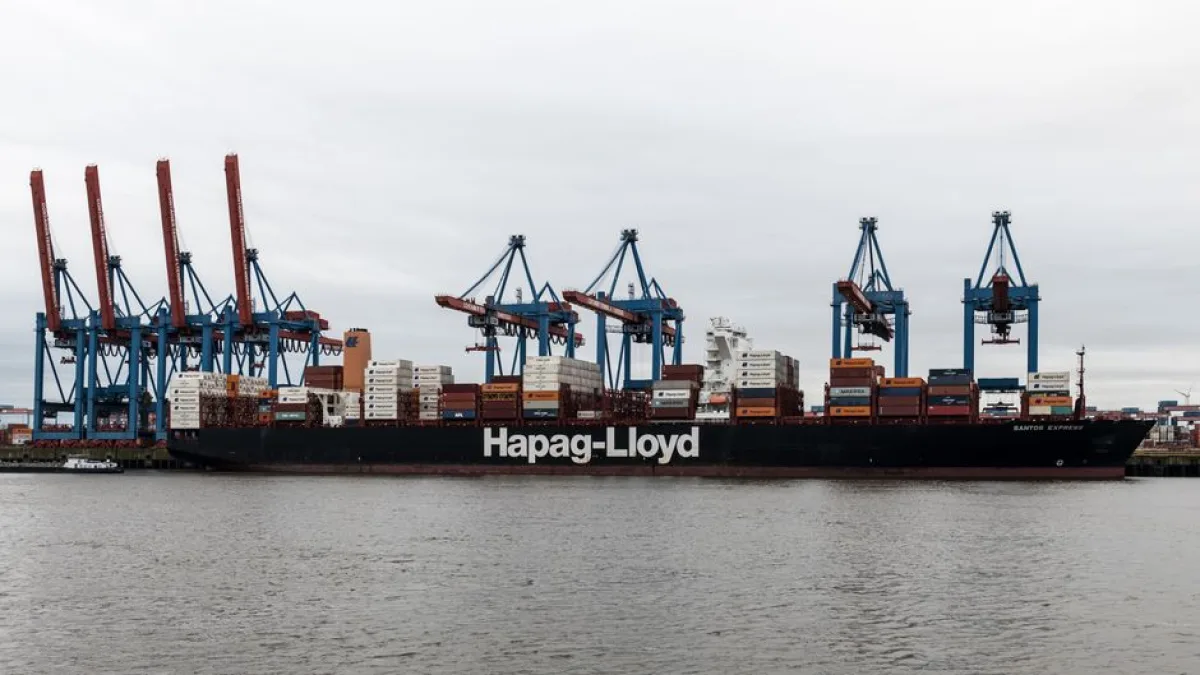
Effective carrier management is critical for balancing freight costs against reliable transit times. Today, forwarders utilize sophisticated analytics to evaluate carrier performance, ensuring that they negotiate optimal rates while maintaining service quality for their clients across various key shipping routes.
- Dynamic Rate Comparison: Software platforms allow your team to compare carrier quotes in seconds, helping you select the most cost effective options that do not sacrifice transit reliability.
- Performance Analytics Dashboards: Track carrier punctuality and service quality over time to ensure that you are working with partners who consistently meet your operational standards and requirements.
- Contract Negotiation Power: Accessing historical data on shipment volumes provides the necessary evidence to negotiate better rates and space guarantees during your annual contract renewal processes with carriers.
- Flexible Route Planning: Analyzing carrier capacity data enables your operations team to pivot quickly when specific routes face congestion, keeping your clients freight moving with minimal disruptions.
Managing carrier relationships through data ensures that you are always operating from a position of strength. When you can prove service levels and volume commitments, you gain better access to space during peak seasons. This strategic approach to carrier management protects your margins and keeps your service offering consistent, which is essential for retaining clients who depend on you for stable maritime logistics.
Building Resilient Supply Chains
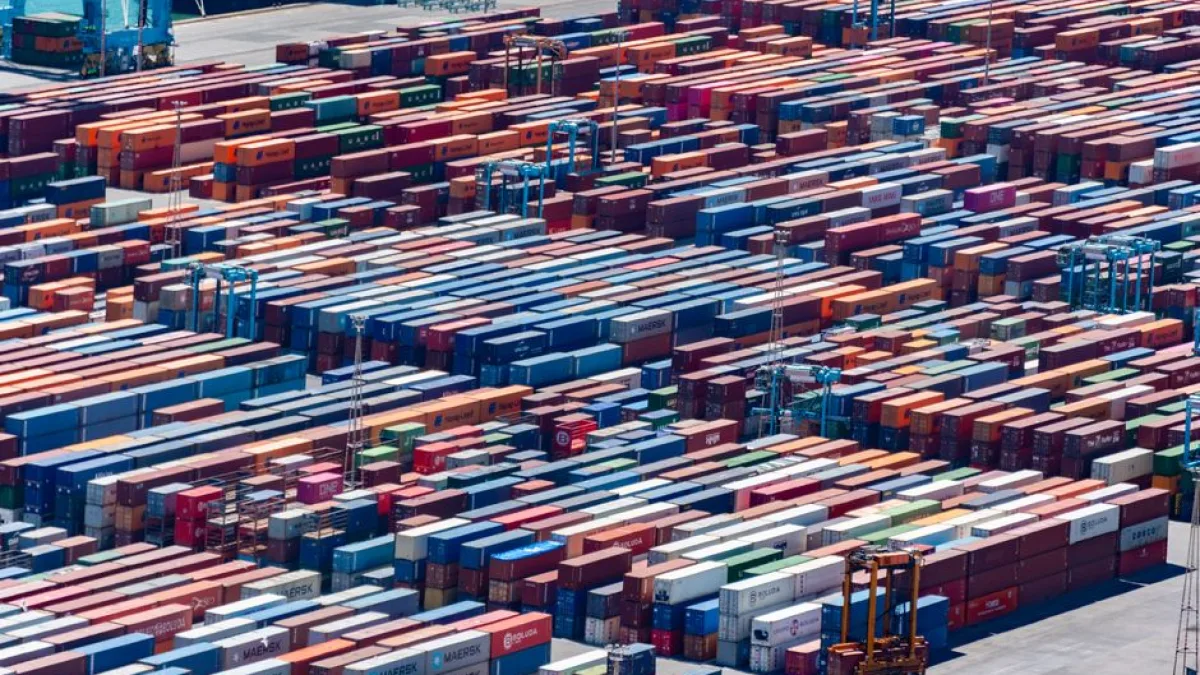
Building resilience into ocean freight operations requires a holistic approach that integrates technology with expert industry knowledge. As global markets fluctuate, forwarders must remain agile, utilizing cloud platforms to model scenarios and prepare for various potential disruptions that affect international maritime freight.
- Scenario Planning Capabilities: Advanced software tools allow you to simulate the impact of port strikes or vessel capacity shortages, helping you develop contingency plans to protect client cargo.
- Collaborative Partner Networks: Cloud based systems connect your team with overseas agents and trucking partners, creating a unified communication channel that streamlines handoffs throughout the end to end process.
- Risk Mitigation Strategies: By analyzing global trade data trends, you can identify potential risk factors early and take corrective actions that prevent small disruptions from becoming total failures.
- Scalable Cloud Infrastructure: A robust cloud foundation allows your logistics business to expand into new markets rapidly without the need for significant capital expenditure on hardware or software.
Resilience is the ultimate goal of any forward thinking freight forwarder. By leveraging a centralized digital platform, you gain the agility required to navigate the complexities of the modern ocean freight landscape. This investment in technology not only helps you withstand sudden market shocks but also positions your company for long term growth by creating a more predictable and efficient service delivery model.
Conclusion

Optimizing your ocean freight operations is an ongoing journey that requires both the right digital tools and a strategic mindset. By focusing on real time visibility, efficient document workflows, intelligent carrier management, and systemic resilience, you can transform your logistics business. Start your digital transformation today to improve your service reliability, reduce operational costs, and secure a sustainable future for your shipping operations.