Optimizing Ocean Freight Operations in the Modern Logistics Era
Sunday, October 18 2026
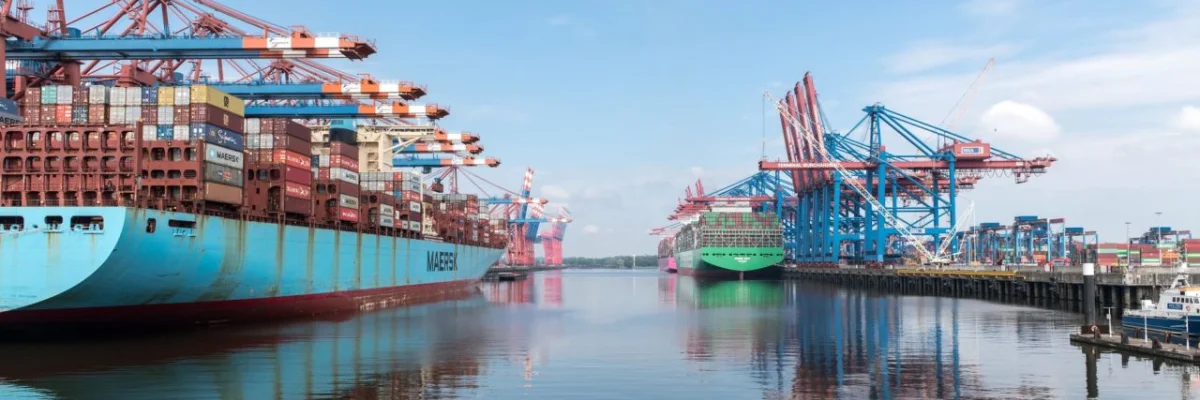
Ocean freight remains the backbone of global trade, yet it is currently undergoing a radical transformation driven by digital innovation and shifting market demands. Forwarders are facing increased pressure to maintain visibility, manage complex compliance regulations, and optimize costs in a volatile environment. Transitioning from legacy manual systems to integrated cloud-based platforms is no longer a luxury but a necessity for survival. By embracing data-driven decision making and automation, forwarders can enhance their service reliability, reduce operational bottlenecks, and provide superior transparency to shippers. This guide explores the essential pillars of modernizing your ocean freight workflow for long-term growth and competitiveness.
Mastering Digital Documentation

Paperless documentation is the cornerstone of efficient ocean freight shipping in the digital age. By moving away from manual data entry, your team reduces the risk of human error while significantly speeding up the overall processing of bills of lading and customs forms.
- Cloud document storage: Centralize all your shipping documents in one secure platform to ensure team members across global offices can access real-time information and reduce communication delays significantly.
- Automated data extraction: Utilize advanced optical character recognition tools to pull critical data from invoices and manifests automatically, which saves hours of manual typing and prevents costly mistakes.
- Standardized data formats: Implement industry standard electronic data interchange protocols to ensure your software communicates seamlessly with carriers, customs authorities, and your clients without any manual interface.
- Instant document sharing: Enable your clients to download their own freight documentation instantly through a customer portal, which improves their overall satisfaction and reduces administrative burden on staff.
Adopting digital document management allows your freight forwarding firm to scale effectively by handling higher volumes without adding proportional overhead costs. As manual tasks disappear, your employees can focus on high-value client relations and complex exception management. Building a robust digital document trail provides the audit readiness required for international trade compliance, ensuring your business stays ahead of changing legal standards in every region.
Enhancing Real-time Visibility
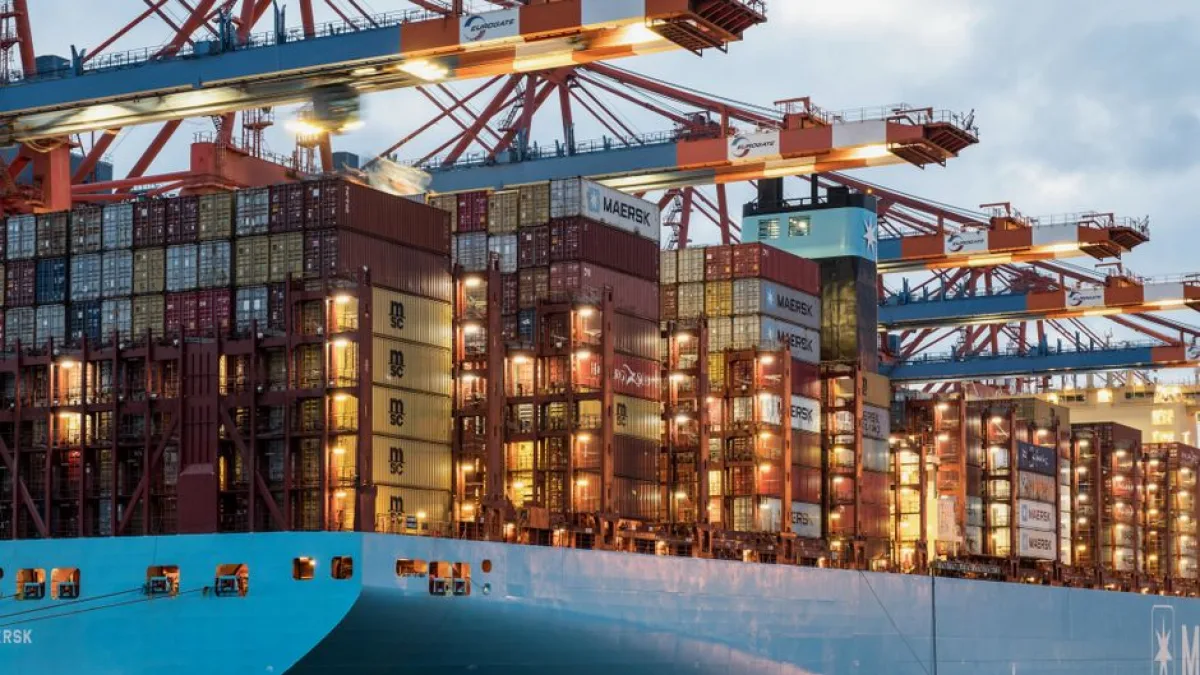
True visibility in ocean freight goes beyond knowing if a vessel has departed the port. It requires deep integration with carrier tracking systems to provide predictive analytics and reliable status updates for your customers throughout the entire journey.
- Predictive vessel tracking: Integrate live GPS satellite data into your platform to provide accurate expected arrival times that account for port congestion and current weather delay patterns.
- Custom notification triggers: Configure automated alerts that notify your internal team and your clients immediately when milestones are reached or if a shipment deviates from plan.
- Integrated port data: Connect with major port terminals to monitor container dwell times and ground movement, giving you the edge in identifying bottlenecks before they impact deliveries.
- Unified dashboards: Aggregate data from multiple carriers into a single glass pane view, which eliminates the need to jump between disparate websites to find critical information.
Providing granular visibility transforms your client relationships from transactional to advisory roles. When you can proactively inform a customer about a potential delay rather than reacting to a complaint, trust increases significantly. This proactive communication style is what sets top tier freight forwarders apart from the crowd, positioning your firm as an essential partner in your clients global supply chain success.
Streamlining Carrier Relationships
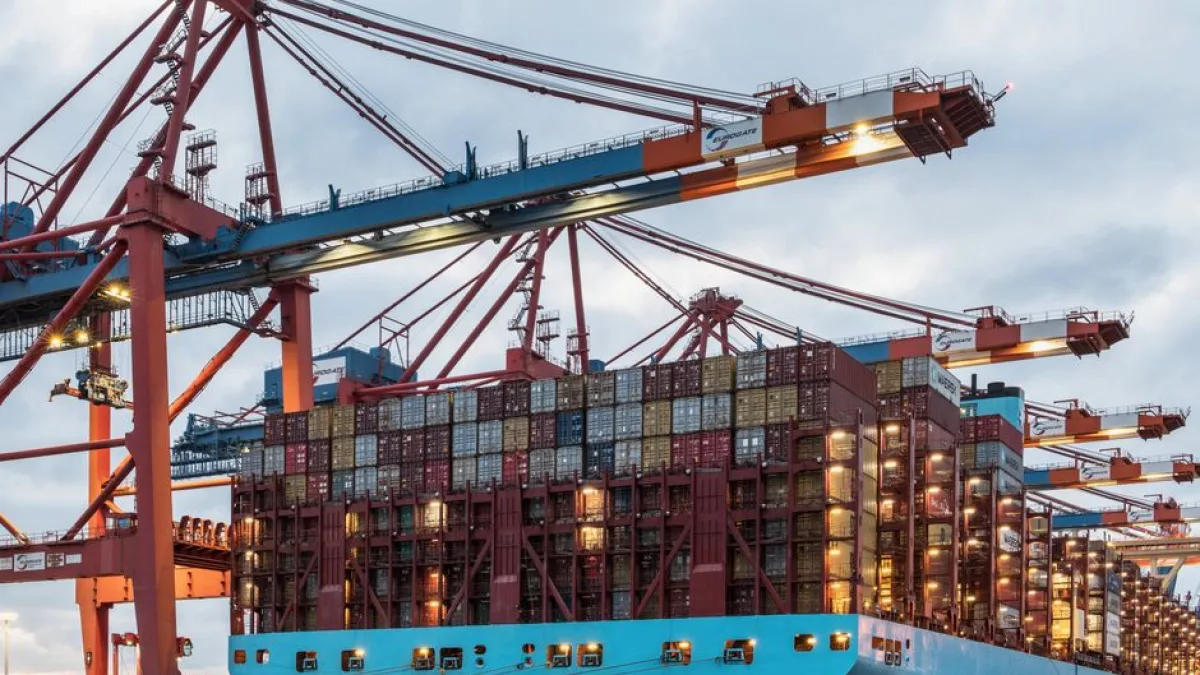
Effective carrier management is critical for securing capacity and negotiating better rates in the fluctuating ocean freight market. By leveraging software to manage your carrier relationships, you turn data into a powerful bargaining tool during contract negotiations.
- Performance analytics reports: Generate automated reports on carrier transit times and billing accuracy, allowing you to identify top performers and address recurring issues with underperforming shipping lines.
- Contract management tools: Store and manage complex ocean freight rate contracts digitally to ensure your team always selects the most cost effective option for specific routes.
- Automated booking workflows: Standardize your booking requests through software integrations to ensure all necessary shipment details reach the carrier accurately and consistently every single time.
- Centralized rate sheets: Maintain a master database of buy rates that is instantly searchable, preventing your sales team from quoting incorrect prices to potential customers ever again.
Strong carrier relations are built on accurate data and consistent operational execution. When you possess the tools to hold carriers accountable and provide them with clean, organized data, your requests gain priority status. This operational discipline ensures that you receive better support during peak seasons or capacity crunches. Consolidating your data improves your bottom line by reducing unnecessary surcharges and maximizing your margins.
Improving Financial Operations

Financial health in freight forwarding depends on the speed and accuracy of your invoicing and payment processes. Automation helps maintain healthy cash flow and prevents profit leakage across your multi-currency ocean freight transactions and global service offerings.
- Automated invoice auditing: Deploy software that automatically compares carrier invoices against your initial quote, ensuring that you never pay a cent more than the agreed contract rate.
- Dynamic currency handling: Integrate real-time exchange rates to manage international transactions with precision, minimizing losses caused by currency fluctuations and manual conversion errors during the billing process.
- Fast payment cycles: Offer your clients a digital payment gateway that allows for secure credit card or bank transfers, which shortens your accounts receivable cycles significantly each month.
- Integrated accounting sync: Push all shipment costs and revenue directly into your preferred accounting software to eliminate double entry bookkeeping and ensure your financial records are perfect.
Streamlined financial operations provide the clarity needed to make strategic investment decisions for your business. When you have an instant view of profit margins on every single container move, you can adjust your sales strategy to prioritize the most profitable shipping lanes. Improving your internal accounting efficiency removes the friction that often delays growth and keeps your administrative team focused on scaling.
Conclusion
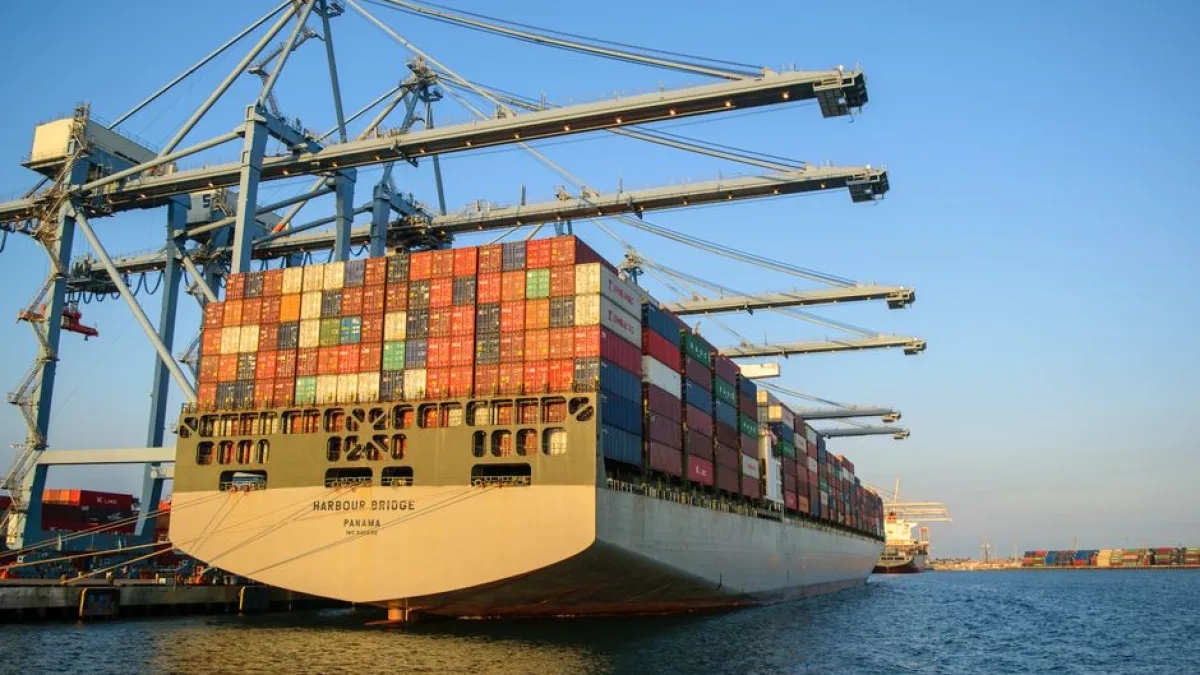
Modernizing your ocean freight operations is an ongoing journey that requires commitment to technology and process improvement. By digitizing documentation, enhancing visibility, managing carrier relationships, and tightening your financial workflows, you create a resilient foundation for success. Embrace the tools available today to ensure that your freight forwarding business remains agile, competitive, and ready to meet the challenges of the global market tomorrow.