Optimizing Ocean Freight Operations in a Digital Era
Monday, October 19 2026

Modern ocean freight logistics faces unprecedented volatility, demanding higher levels of agility and precision from freight forwarders worldwide. As global supply chains become increasingly complex, the reliance on traditional manual processes has become a significant bottleneck for growth and profitability. Companies must now leverage sophisticated cloud platforms to gain real-time visibility, enhance collaboration, and automate routine documentation tasks. By embracing digital transformation, forwarders can better manage capacity fluctuations, reduce operational errors, and provide superior service levels to their clients. Staying competitive requires not just hard work, but the strategic application of advanced technology to streamline every single link in the supply chain.
Streamlining Global Documentation

Managing complex shipping documents manually often leads to costly errors and significant processing delays. Digital automation tools simplify compliance and speed up customs clearance by ensuring that all necessary paperwork is organized, accurate, and readily accessible for stakeholders throughout the shipping process.
- Automated Bill Lading: Advanced software platforms generate accurate bills of lading automatically by pulling data directly from shipment files to eliminate human entry errors and reduce overall processing time significantly.
- Compliance Tracking Systems: Integrated tools monitor changing international trade regulations to ensure that every document meets local requirements before the cargo reaches the port or destination customs authority.
- Electronic Document Sharing: Cloud platforms enable secure sharing of shipping documents between exporters, importers, and agents to foster faster communication and reduce reliance on slow physical mailing services.
- Version Control Management: Digital repositories maintain single versions of truth for all shipping manifests, preventing confusion caused by outdated documents circulated across different teams during the transit.
By shifting away from legacy paper based systems, freight forwarders significantly improve their operational throughput. Automation reduces the time staff spend on mundane administrative tasks, allowing them to focus on high value activities like client acquisition and strategic planning. Investing in robust digital document management creates a scalable foundation for future growth while simultaneously enhancing accuracy and compliance in a highly competitive global market.
Maximizing Vessel Capacity Planning
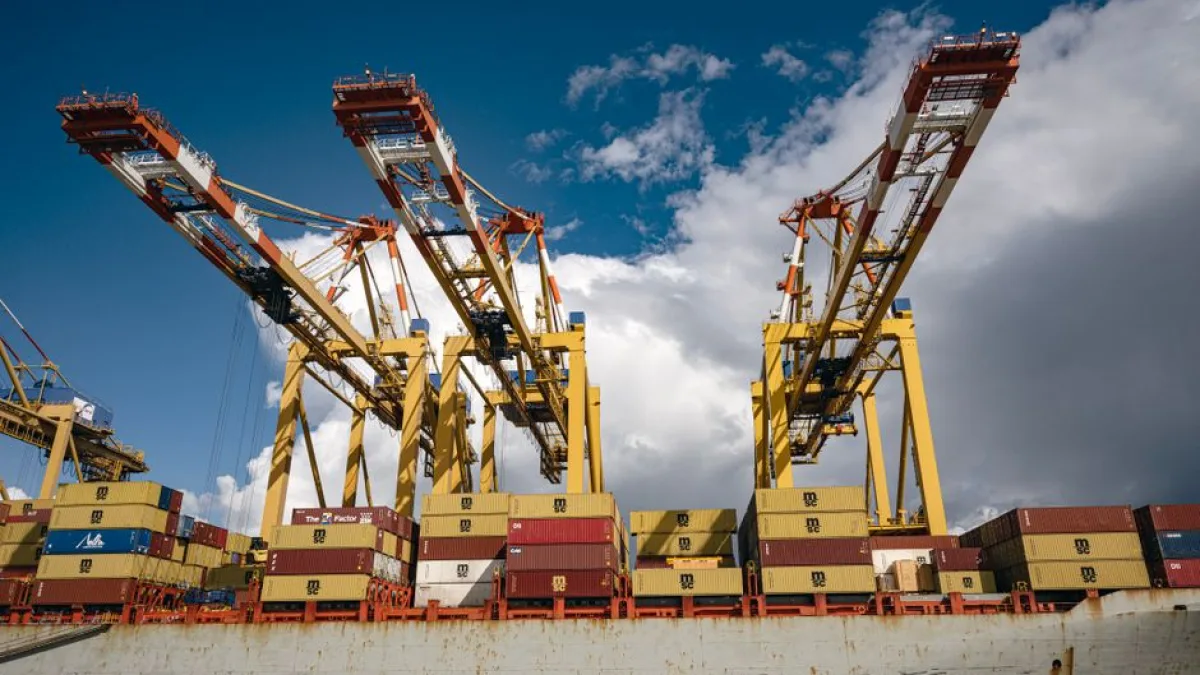
Effective space allocation is critical for maintaining profitable ocean freight operations during periods of fluctuating demand. Utilizing data driven planning tools allows forwarders to optimize container loading and ensure that vessel capacity is maximized for every scheduled voyage across routes.
- Predictive Capacity Modeling: Software utilizes historical shipping data to forecast future space requirements accurately, helping forwarders reserve the right amount of capacity long before the peak season hits.
- Load Consolidation Tools: Smart algorithms analyze various cargo shipments to suggest the most efficient container configurations, effectively minimizing empty space and reducing shipping costs per unit weight.
- Real Time Availability: Cloud based dashboards provide instant updates on carrier space, allowing operations teams to make informed decisions quickly when dealing with sudden changes in booking.
- Carrier Performance Analytics: Monitoring carrier schedule reliability helps forwarders select the best partners, ensuring that cargo moves according to plan and minimizing the risk of expensive rollovers.
Optimizing vessel capacity is the key to maintaining healthy margins in ocean freight. Forwarders who utilize sophisticated planning tools can react faster to market shifts, securing space when it is scarce and avoiding the high costs of last minute spot market rates. This strategic approach ensures that logistics providers remain profitable while delivering consistent and reliable service even during periods of heavy congestion.
Enhancing Real Time Visibility
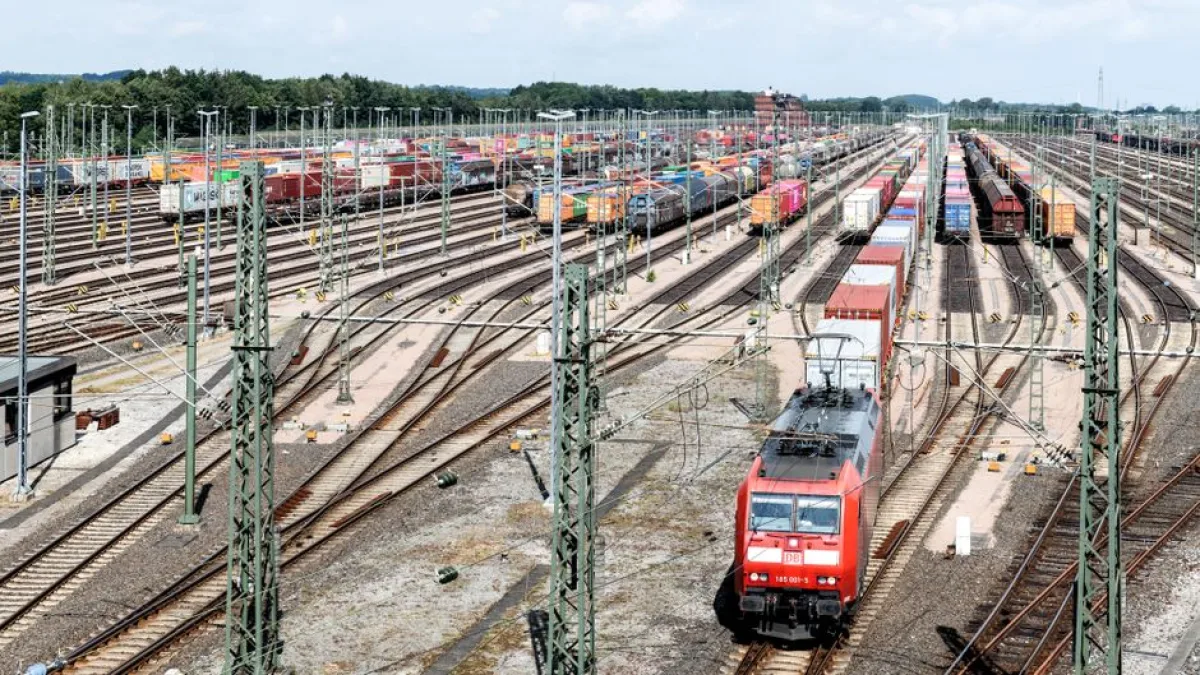
Providing customers with accurate and timely information is the cornerstone of modern freight services. Real time tracking technology empowers forwarders to monitor cargo status throughout the voyage, providing proactive updates that build trust and long term loyalty with shipping partners.
- Live Shipment Tracking: Integrated GPS and AIS data feeds allow forwarders to monitor container progress globally, providing accurate location status to customers at every stage of transit.
- Automated Milestone Alerts: The system triggers automatic notifications for specific shipment milestones, keeping all stakeholders informed without requiring constant manual check ins or frequent email inquiries.
- Exception Management Alerts: Instant alerts regarding unexpected delays allow operations teams to intervene early, potentially rerouting cargo or informing customers before major disruptions impact their delivery schedules.
- Carrier Integration APIs: Direct connections with major ocean carriers provide standardized data flow, ensuring that tracking information remains consistent across all shipping lines and different service providers.
Visibility is no longer an optional luxury but a core expectation for shippers. When forwarders provide transparent updates, they reduce the overhead associated with customer service inquiries. Modern platforms allow for seamless information flow, turning raw shipment data into actionable insights. This focus on clarity and accessibility elevates the service standard, positioning the forwarding company as a truly reliable partner in international logistics.
Optimizing Port Logistics Efficiency
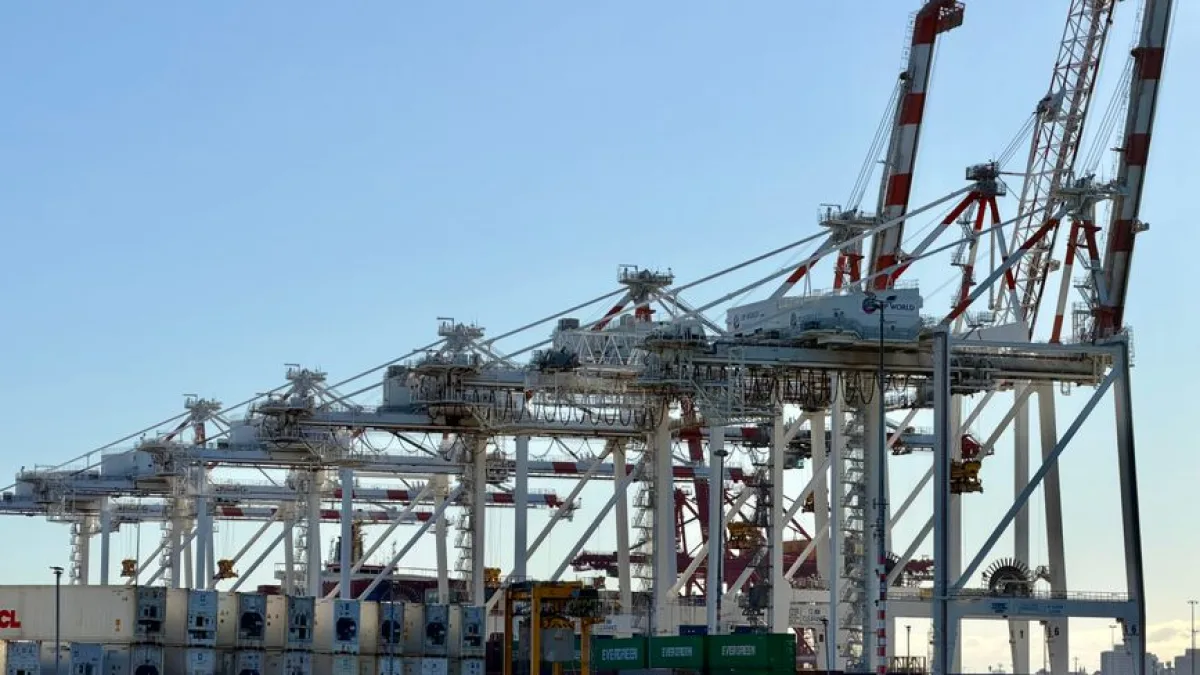
Efficient movement through ports is essential to reducing lead times and controlling total logistics costs. Advanced software helps coordinate between truckers, warehouses, and terminal operators to ensure that the handoff of containers remains fluid and avoids common port related bottlenecks.
- Terminal Appointment Systems: Digital tools sync with port systems to book precise pickup slots, preventing long truck queues and ensuring cargo is removed from the terminal efficiently.
- Drayage Coordination Software: Automated dispatching connects forwarders directly with trucking partners to optimize local transport routes and ensure timely container drayage once the vessel has officially docked.
- Inventory Visibility Systems: Tracking cargo status within the terminal helps forwarders anticipate potential clearance issues, allowing for faster problem resolution before heavy demurrage charges start accumulating daily.
- Vendor Communication Portal: Centralized platforms enable seamless interaction between all port actors, reducing the fragmented communication that typically slows down the release and departure of critical shipments.
Operational success at the port level depends on precision and timing. By digitizing the connection between the terminal and the final delivery point, forwarders can significantly decrease the time spent on wait heavy processes. Investing in these specialized tools minimizes extra costs like demurrage and detention, ultimately leading to higher customer satisfaction levels and a more efficient bottom line for the forwarding agency.
Conclusion

Digital transformation is the most effective way for ocean freight forwarders to thrive in a challenging global market. By integrating advanced cloud technology into core processes, companies can achieve higher efficiency, better visibility, and improved profitability. Embracing these digital tools is not just a trend but a necessity for sustainable success. Start optimizing your freight operations with MakeCargo and stay ahead of the competition today.