Optimizing Ocean Freight Operations in a Digital Era
Wednesday, October 21 2026

Navigating the complex landscape of international maritime logistics requires more than just traditional shipping expertise. As global trade continues to expand, freight forwarders are increasingly tasked with managing volatile schedules, fluctuating capacity, and unpredictable port congestion. Moving goods across vast oceans involves multiple stakeholders and intricate regulatory requirements that can quickly derail profit margins without the right tools. Modern logistics professionals must shift from manual, document-heavy workflows toward automated cloud-based solutions to remain competitive. By embracing innovation, freight companies can enhance visibility, ensure compliance, and provide superior service levels that meet the rising demands of today's fast-paced international supply chain environment.
Modern Container Terminal Operations
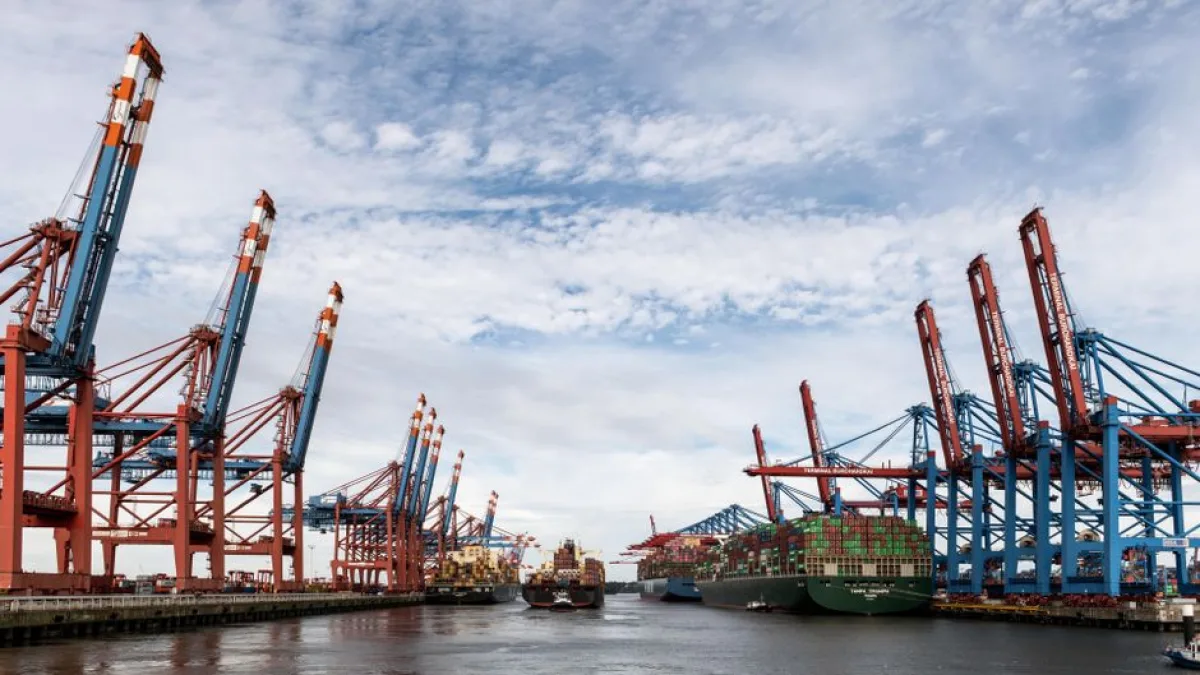
Modern container terminals serve as the beating heart of global trade, requiring seamless coordination to keep goods moving efficiently. As technology evolves, these hubs rely on sophisticated software to manage thousands of metal containers, ensuring that every vessel is loaded or unloaded with maximum precision.
- Real-time inventory tracking: Implementing cloud-based software allows teams to monitor container status from port arrival to final departure, reducing manual data entry errors and providing accurate shipping updates instantly.
- Automated yard management: Advanced algorithms optimize terminal space allocation, which effectively minimizes the time drivers spend searching for specific containers and keeps the entire logistics chain moving at pace.
- Streamlined gate processing: Digital pre-clearance systems enable faster truck turnaround times at gates, ensuring that the critical handoff between maritime transport and inland logistics remains fluid and highly efficient.
- Digital documentation flow: Moving paperless processes online reduces the risks associated with lost shipping bills, ensuring that customs declarations are processed immediately upon container arrival at any global port.
Optimizing terminal interactions is essential for maintaining a competitive edge in international logistics. By integrating advanced software solutions into your daily workflow, you reduce human error and ensure data transparency across all departments. This modernization of port operations allows freight forwarders to focus on long-term growth and customer satisfaction rather than getting bogged down by repetitive manual tasks and communication bottlenecks found in traditional methods.
Mastering Carrier Capacity Management

Managing carrier relationships and capacity involves balancing volume commitments with fluctuating market rates. Logistics professionals need deep insights into vessel schedules and space availability to negotiate favorable terms, ensuring that your clients benefit from reliable transit times despite global industry instability.
- Proactive capacity planning: Analyzing historical shipping data enables freight forwarders to forecast space needs accurately, ensuring that cargo stays on schedule even during peak seasons when space is limited.
- Dynamic rate benchmarking: Using digital platforms to compare real-time spot rates against contract prices helps teams secure the most cost-effective routes while maintaining high service quality for customers.
- Strategic partner selection: Developing strong digital integrations with major shipping lines allows for automated booking requests and faster confirmation cycles, strengthening your position as a reliable logistics partner.
- Data-driven volume forecasting: Leveraging predictive analytics helps teams identify upcoming trends in cargo volume, allowing for better negotiation leverage when securing long-term service agreements with international shipping carriers.
Mastering the art of capacity management requires a blend of human intuition and technical precision. By leveraging cloud tools, forwarders can transform raw market data into actionable strategies that protect margins and improve reliability. This proactive approach to shipping capacity ensures your business stays resilient against market volatility, allowing you to provide consistent service even when the broader global maritime industry faces significant supply disruptions.
Navigating Global Regulatory Compliance

Compliance remains a complex hurdle, with shifting international laws impacting how goods traverse global borders. Staying updated on customs regulations, safety standards, and maritime security protocols is vital to avoid expensive fines and avoid long cargo delays at critical international transit points.
- Automated compliance checks: Intelligent software automatically flags missing documentation or incorrect tariff codes, ensuring your shipments adhere to regional trade laws before they even reach the customs office.
- Standardized data reporting: Using centralized systems to compile regulatory filings ensures that all necessary information is accurate and consistent, reducing the likelihood of audits and administrative penalties.
- Regulatory alert systems: Automated notifications keep your team informed about changing global trade policies, allowing you to adapt your logistics plans quickly to meet new legal requirements.
- Electronic document verification: Secure digital platforms facilitate instant verification of bills of lading and certificates of origin, speeding up the clearance process while maintaining strict security and audit standards.
Maintaining regulatory compliance is not just about avoiding penalties, but about building trust with your international clients. A digital-first approach allows your team to handle complex customs environments with confidence and speed. By keeping your operations transparent and well-documented, you position your freight forwarding business as a highly reliable partner capable of navigating the most challenging international trade landscapes without any operational friction.
Enhancing Customer Communication Experience

Customer experience often hinges on the quality of communication and the transparency of shipment tracking. In an age where digital convenience is expected, providing clients with an accessible platform for tracking their cargo helps build long-term loyalty and reduces the time spent on manual queries.
- Branded tracking portals: Providing your clients with a custom login area for real-time shipment visibility enhances your professional image and significantly reduces the number of inbound status emails.
- Automated status notifications: Sending proactive alerts regarding shipment milestones keeps your customers informed at every stage of the journey, fostering trust and reducing anxiety regarding cargo delivery times.
- Collaborative communication tools: Integrated chat features allow clients to ask questions directly within the shipment record, ensuring that important context is never lost in endless email threads.
- Transparent cost visibility: Offering clients clear, itemized digital invoices and cost breakdowns helps eliminate billing disputes, making the entire financial aspect of ocean freight simpler and faster.
Elevating the customer journey is the ultimate differentiator in the crowded freight forwarding market. When you provide high-quality digital tools that empower your clients to manage their own shipments, you free up your internal team to handle more strategic tasks. This balance of automated service and personal expertise creates a superior client experience that keeps customers returning to your business for years.
Conclusion

Transforming your ocean freight operations through cloud-based technology is essential for future success. By streamlining container management, optimizing carrier capacity, ensuring strict regulatory compliance, and enhancing customer communication, you build a resilient business. Embrace these digital tools today to boost your operational efficiency, reduce overhead costs, and provide the seamless, professional shipping services that modern global enterprises demand to thrive in the marketplace.