Optimizing Ocean Freight Operations in a Digital Era
Wednesday, October 21 2026
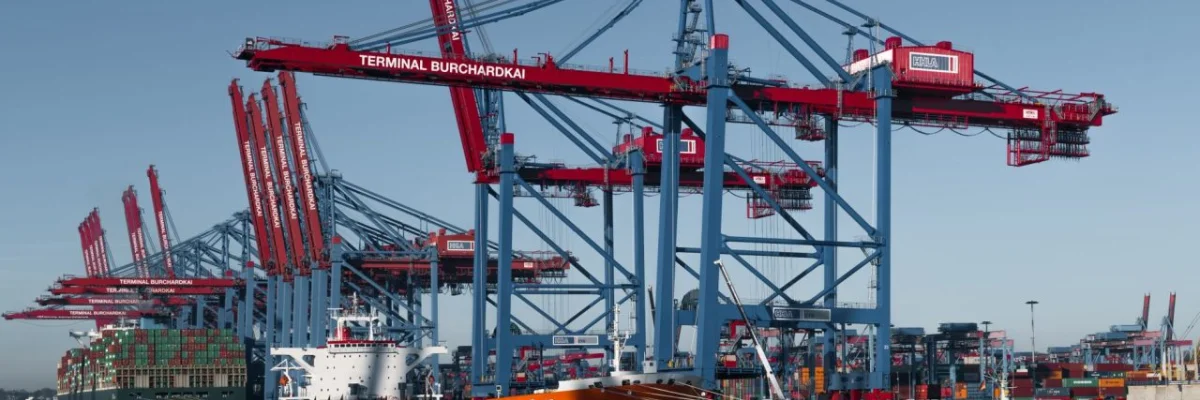
The global maritime industry remains the backbone of international trade, yet freight forwarders frequently struggle with outdated manual processes that hinder growth and efficiency. As complexity in supply chain demands increases, moving away from legacy systems is no longer optional for firms aiming to maintain a competitive edge. By leveraging modern cloud-based solutions, professionals can transform their workflows into agile, data-driven operations that effectively handle volatile market conditions. This article explores essential strategies for modernizing your ocean freight management, ensuring your logistics business stays resilient while providing unparalleled transparency and speed for your diverse client base across the globe.
Digitizing Booking Processes
The transition toward digital booking interfaces eliminates the reliance on traditional email chains and fragmented spreadsheets. By centralizing requests, freight forwarders can provide real-time updates to clients while reducing the error-prone manual entry that often slows down complex international shipments.
- Automated Rate Management: Centralized platforms allow teams to store and update carrier tariffs instantly, ensuring that sales representatives always provide the most accurate pricing during the critical negotiation phase.
- Instant Quote Generation: Automated tools enable forwarders to generate professional quotes in seconds rather than hours, which directly boosts conversion rates and improves the overall customer experience significantly.
- Standardized Booking Workflows: Implementing consistent digital booking templates ensures that every shipment request contains all necessary data points, thereby preventing costly delays caused by missing shipping documentation or info.
- Carrier Integration APIs: Connecting your internal software directly to carrier systems allows for seamless transmission of booking data, eliminating the need for redundant re-entry of logistics information.
- Enhanced Client Portals: Providing a dedicated portal for clients empowers them to submit bookings independently, which saves administrative time and keeps all relevant documentation in one location.
Adopting digital booking tools is a fundamental step toward scaling your logistics business effectively. By removing administrative bottlenecks, your team can focus on higher value tasks like strategy and client relationship management. These platforms not only save time but also create a digital audit trail that helps in identifying recurring issues, leading to continuous improvement and a stronger foundation for long term freight forwarding growth.
Visibility and Tracking
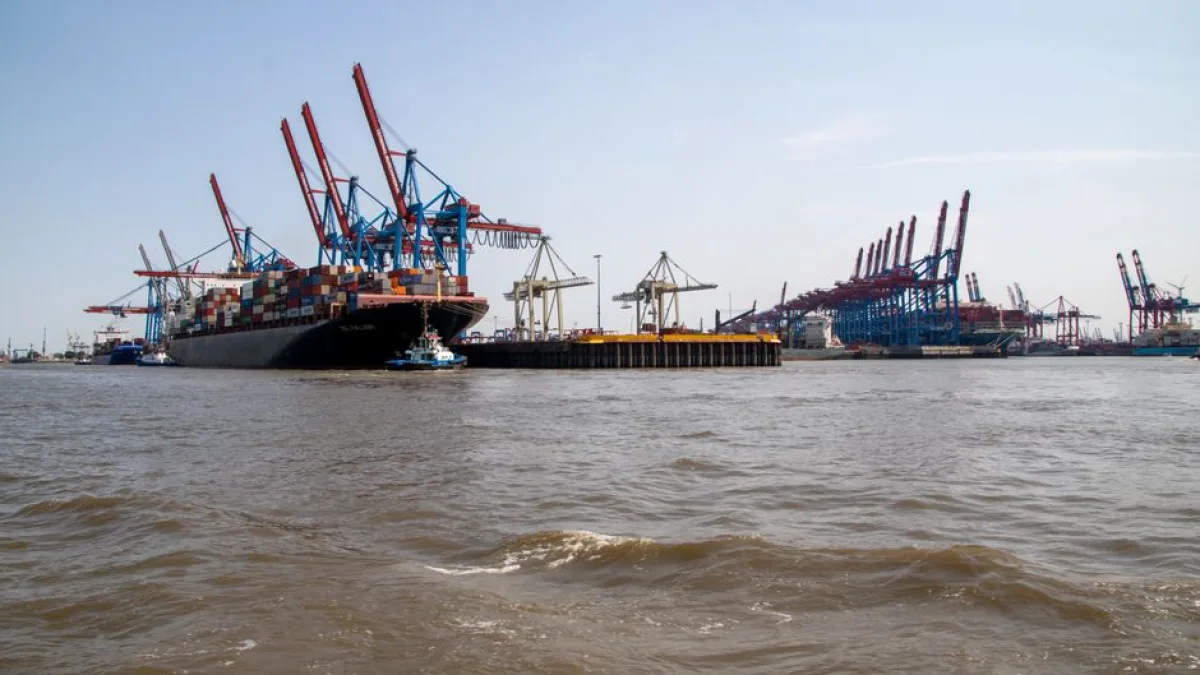
Real time shipment visibility is the primary expectation for modern importers and exporters who demand constant status updates. Integrating live vessel tracking into your operations provides the transparency required to manage expectations and handle unforeseen supply chain disruptions with ease.
- Live Tracking Dashboards: Interactive dashboards offer a bird eye view of all active shipments, allowing operations teams to proactively identify potential delays before they impact customer operations.
- Milestone Event Alerts: Automated notifications keep all stakeholders informed whenever a container hits a key milestone, such as arrival at the port or successful customs clearance completion.
- Exception Management Tools: Smart software flags anomalies in shipment schedules, enabling your staff to intervene quickly and provide solutions before a minor delay escalates into a crisis.
- Carrier Data Integration: Aggregating tracking data from multiple ocean carriers ensures a single source of truth, preventing the confusion often caused by checking various disparate carrier websites.
- Predictive Arrival Estimates: Advanced algorithms analyze historical transit data to provide highly accurate arrival estimates, which helps clients better plan their inventory management and local warehouse distributions.
Superior visibility is a competitive differentiator that builds deep trust with your clients. When you provide actionable insights rather than vague status updates, you become an indispensable partner in their supply chain. Investing in visibility technology transforms your service from a standard transport provider into a strategic advisor, significantly increasing client retention rates and opening doors to long term logistics service agreements.
Compliance and Documentation

Managing international compliance requires precision and deep knowledge of global trade regulations. Digital document management systems ensure that all shipping files are stored securely and accessed only by authorized personnel, maintaining integrity throughout the lifecycle of every freight shipment.
- Secure Document Storage: Cloud based repositories keep bills of lading and commercial invoices accessible from anywhere, ensuring that your team remains productive even while working from remote locations.
- Regulatory Update Notifications: Software solutions often include features that monitor changing trade laws, alerting your compliance team to necessary adjustments in documentation requirements for various destination countries.
- Automated Document Audits: Systematic checks compare booking data against final documentation to ensure consistency, reducing the risk of hefty customs fines or shipment seizures at the border.
- Secure Sharing Portals: Sharing sensitive customs documents through encrypted portals is much safer than emailing files, protecting your business and your clients from potential data security threats.
- Version Control Systems: Tracking document revisions prevents the use of outdated forms, ensuring that every submission follows the latest requirements set by port authorities and customs agencies.
Mastering the documentation side of ocean freight minimizes risk and accelerates the flow of goods through customs checkpoints. By digitizing these critical processes, you reduce the human error associated with paper based management. This structured approach not only saves time but also protects your firm from costly legal liabilities, creating a robust and compliant operational environment that supports your global expansion goals.
Cost and Profitability Analysis

Gaining control over profit margins requires a granular understanding of every cost component associated with ocean freight. Utilizing analytical tools allows forwarders to evaluate carrier performance, spot hidden fees, and optimize shipping routes for better financial results and improved bottom lines.
- Detailed Profit Reporting: Granular reports break down costs by route, carrier, and client, helping you identify which parts of your business are driving the most value and growth.
- Carrier Performance Reviews: Analyzing historical data regarding carrier delays and cost fluctuations enables you to select the most reliable and cost effective partners for your future shipments.
- Hidden Cost Detection: Automated expense tracking uncovers unexpected surcharges or discrepancies, allowing your finance team to reconcile invoices quickly and maintain healthy cash flow for your company.
- Route Optimization Analysis: Comparing different transit paths based on cost and time helps you advise clients on the most efficient shipping strategies for their specific cargo needs.
- Quote Profitability Checks: Real time checks during the quoting phase ensure that every shipment contributes positively to your margin, avoiding the trap of taking on low value cargo.
Analyzing costs with precision is the key to sustaining long term profitability in a volatile market. When you use data to drive your decision making, you can confidently navigate pricing shifts and optimize your service offerings. These financial insights ensure your business remains profitable while delivering superior service, allowing you to invest in future technology and further expand your operational capabilities within shipping.
Conclusion
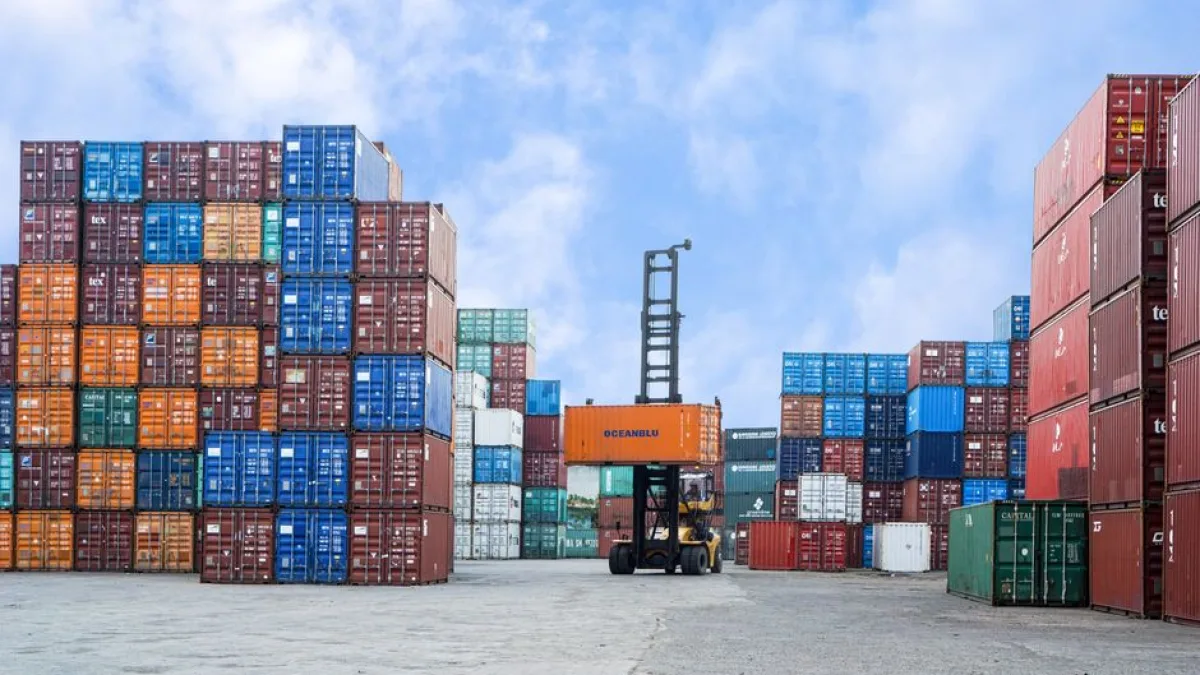
Modernizing your ocean freight operations is essential for staying competitive in today global market. By embracing digital booking, enhancing visibility, automating compliance, and performing rigorous financial analysis, you position your logistics firm for sustainable success. Utilize these strategies to streamline your workflows, delight your customers, and drive growth. Start transforming your business processes today by leveraging advanced tools tailored specifically for the modern freight forwarder.