Optimizing Ocean Freight Operations in a Digital Era
Thursday, October 22 2026
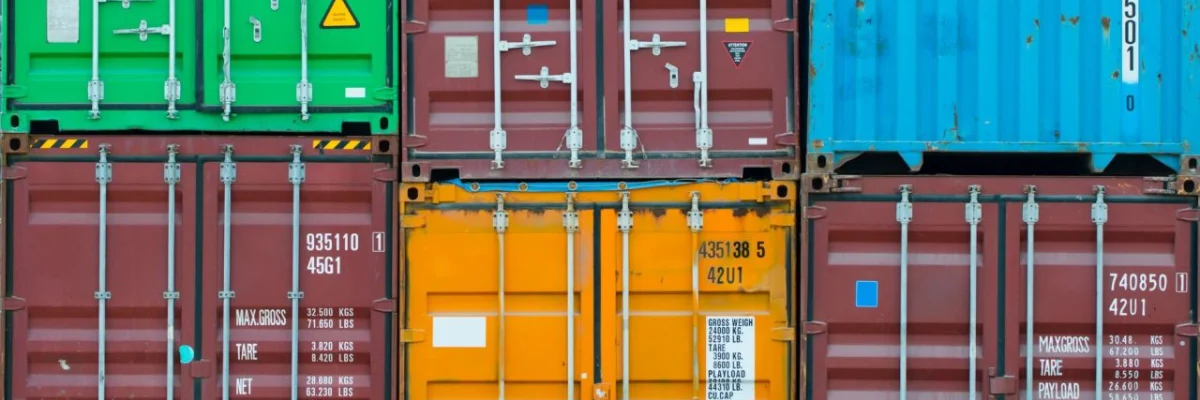
The global shipping landscape is evolving at a rapid pace, demanding that freight forwarders modernize their operations to remain competitive. With fluctuating fuel costs, complex regulatory requirements, and increasing client expectations for real-time visibility, manual processes are no longer sustainable for modern logistics businesses. Adopting cloud-based platforms allows forwarders to centralize data, improve communication, and make data-driven decisions that reduce overhead while increasing throughput. By leveraging integrated technology, professionals can navigate the complexities of international trade more effectively. This guide explores the essential pillars of optimizing ocean freight workflows to help your business achieve long-term success and growth.
Streamlining Booking Processes
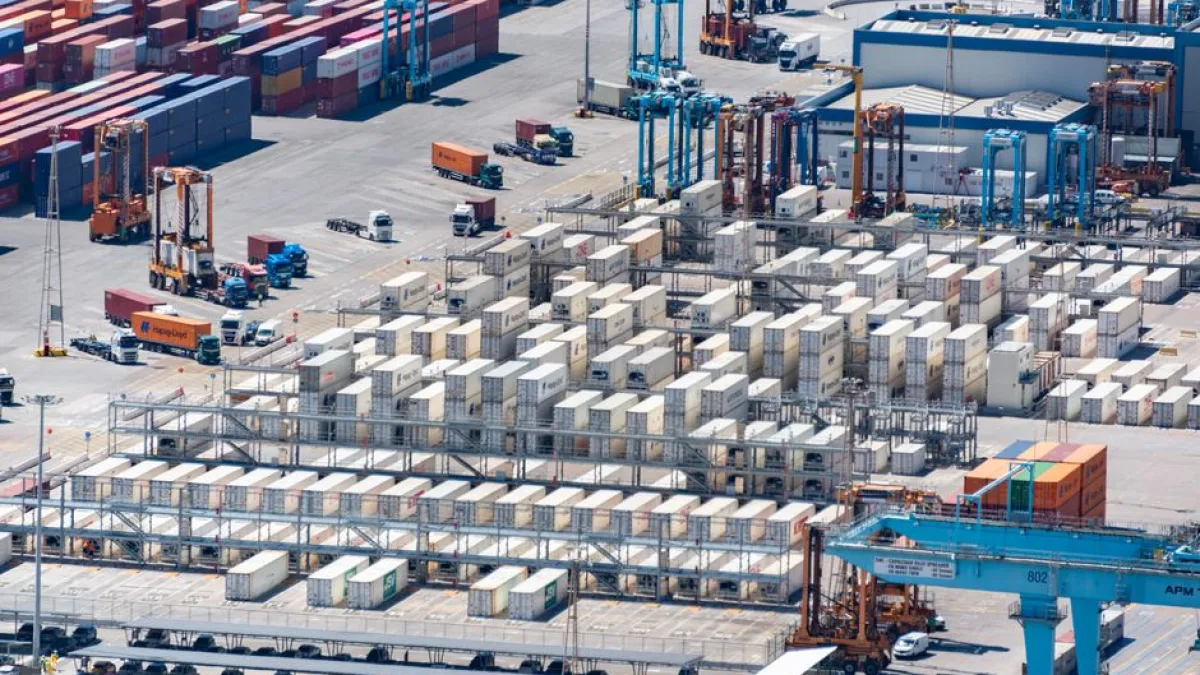
Automating the booking cycle is critical for reducing administrative burden and minimizing human error in shipping documentation. Digital platforms allow teams to manage quotes and vessel space allocations from a single dashboard, ensuring seamless coordination across international teams and carriers.
- Centralized Quote Management: Consolidating all incoming quote requests into a unified system helps your team respond faster to client inquiries while ensuring that profit margins remain protected across routes.
- Instant Carrier Connectivity: Modern software integrates directly with major shipping lines to provide instant access to schedules and rates, removing the need for time-consuming manual email exchanges and phone calls.
- Automated Data Entry: Eliminating repetitive manual typing reduces the risk of costly documentation errors that frequently lead to delays in customs clearance or incorrect billing for global shipments.
- Real-time Vessel Updates: Automated notifications provide instant alerts regarding schedule changes or blank sailings, allowing your team to proactively manage disruptions before they impact your clients operations significantly.
By transitioning away from fragmented spreadsheet systems, forwarders can reclaim hours of administrative time each week. Automation ensures that every booking detail is captured accurately, providing a foundation for scalable growth. As your volume increases, these digital tools maintain consistency in your service levels. Embracing technology today prepares your freight forwarding company for the complexities of tomorrow, ultimately leading to higher profitability and improved client retention.
Enhancing Shipment Visibility

Providing clients with precise tracking information is a baseline expectation in current logistics. Advanced visibility tools offer a comprehensive view of cargo status, moving beyond simple port calls to include deep insights into the entire global supply chain journey.
- Live Cargo Tracking: Clients demand constant access to their container location, so providing a web-based portal for tracking updates builds immense trust and reduces frequent status inquiries.
- Predictive Arrival Forecasting: Using advanced algorithms to analyze historical vessel performance allows your team to provide highly accurate arrival dates, helping clients better plan their inventory management strategies.
- Exception Management Alerts: Proactive monitoring systems notify your logistics team immediately when a container misses a connection or experiences a delay, enabling quick mitigation of potential supply chain issues.
- Customized Client Dashboards: Offering personalized views for high-volume shippers improves the overall customer experience by highlighting the specific data points that matter most to their internal stakeholders.
Visibility is the primary currency of trust in the freight forwarding industry. When forwarders offer transparent and accessible data, they differentiate themselves from competitors who rely on delayed communication. Investing in visibility tools ensures that your clients feel supported throughout the entire transport process, reducing the friction that often occurs during international transit. This proactive approach strengthens long-term partnerships and reduces the support burden.
Managing Documentation Efficiently

Effective documentation management is the backbone of successful ocean freight. Properly organized digital filing systems reduce the risk of compliance penalties and ensure that bills of lading, commercial invoices, and packing lists are always accessible for rapid customs clearance.
- Cloud Document Storage: Moving files to a secure cloud environment ensures that your documentation is accessible from any location while providing robust backup protocols for data recovery needs.
- Template Standardization Tools: Using pre-built templates for standard shipping documents ensures that all required fields are filled correctly, resulting in fewer rejected filings by local customs authorities globally.
- Secure Sharing Portals: Sharing sensitive documentation via encrypted digital portals is far more secure than traditional email, protecting client information from potential data breaches and unauthorized third parties.
- Automated Version Control: Software that automatically tracks changes to shipping documents prevents confusion and ensures that every stakeholder is working from the most recent, accurate version available today.
Optimizing your document workflow minimizes the administrative bottlenecks that cause cargo to sit stagnant at ports. By digitizing the paperwork process, you create a seamless bridge between carriers, shippers, and regulatory bodies. This speed is essential for maintaining liquidity and operational flow in a fast-paced environment. Well-managed documentation is ultimately a mark of professional reliability that separates top-tier freight forwarders from the rest.
Leveraging Data Analytics

Data is a powerful asset for any freight forwarder, yet many businesses fail to utilize it effectively. By analyzing historical performance metrics, your firm can identify trends, negotiate better carrier rates, and pinpoint areas where operational inefficiencies may be eroding your bottom line.
- Performance Trend Analysis: Reviewing historical shipping data helps identify which routes are most cost-effective and which carriers provide the best service levels for your specific freight cargo needs.
- Profitability Tracking Tools: Analyzing the net margin on every container shipment allows your management team to focus on high-value business while pruning low-performing or loss-making customer accounts.
- Carrier Performance Reviews: Measuring carrier reliability and transit times over extended periods provides the necessary data to leverage better contract terms during annual negotiations with shipping lines.
- Dynamic Pricing Insights: Accessing real-time market data regarding ocean freight rates allows you to adjust your pricing strategies dynamically, ensuring competitiveness without sacrificing your business goals and profitability.
Data-driven decision making replaces guesswork with precision. By consistently monitoring your key performance indicators, you gain the clarity needed to pivot strategies in a volatile market. These insights empower your team to make smarter investments in resources and technology. When you leverage data effectively, you turn your operational history into a strategic advantage that drives sustained growth and stability for your forwarding business.
Conclusion

Modernizing ocean freight operations requires a commitment to digital tools that enhance visibility, documentation accuracy, and data analysis. By centralizing workflows through a cloud platform, forwarders can streamline operations while providing superior service to their global clients. Start your digital transformation today to improve efficiency, reduce costs, and ensure your logistics business remains competitive in an increasingly complex and interconnected international shipping market.