Optimizing Ocean Freight Operations for Modern Freight Forwarders
Friday, October 23 2026
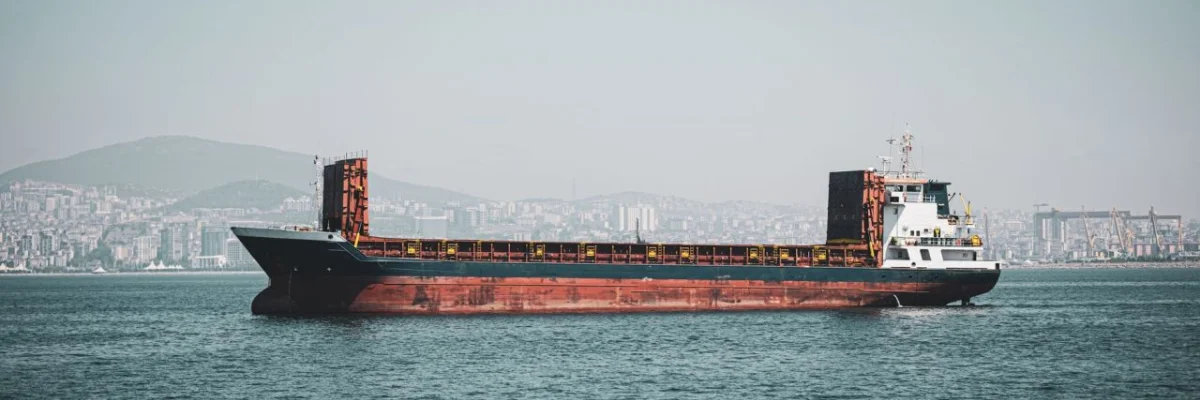
The global shipping landscape is undergoing a period of rapid evolution, demanding that freight forwarders modernize their processes to remain competitive. As supply chain complexities rise, relying on legacy spreadsheets or disconnected communication channels is no longer a viable strategy for success. Modern ocean freight requires a seamless blend of real-time visibility, automated documentation, and strategic partner management. By integrating cloud-based platforms into your daily workflows, your team can eliminate manual data entry errors and focus on delivering high-value logistics solutions. Efficiency is the new standard, and those who adapt early will capture greater market share and build lasting client loyalty.
Streamlining Global Container Logistics
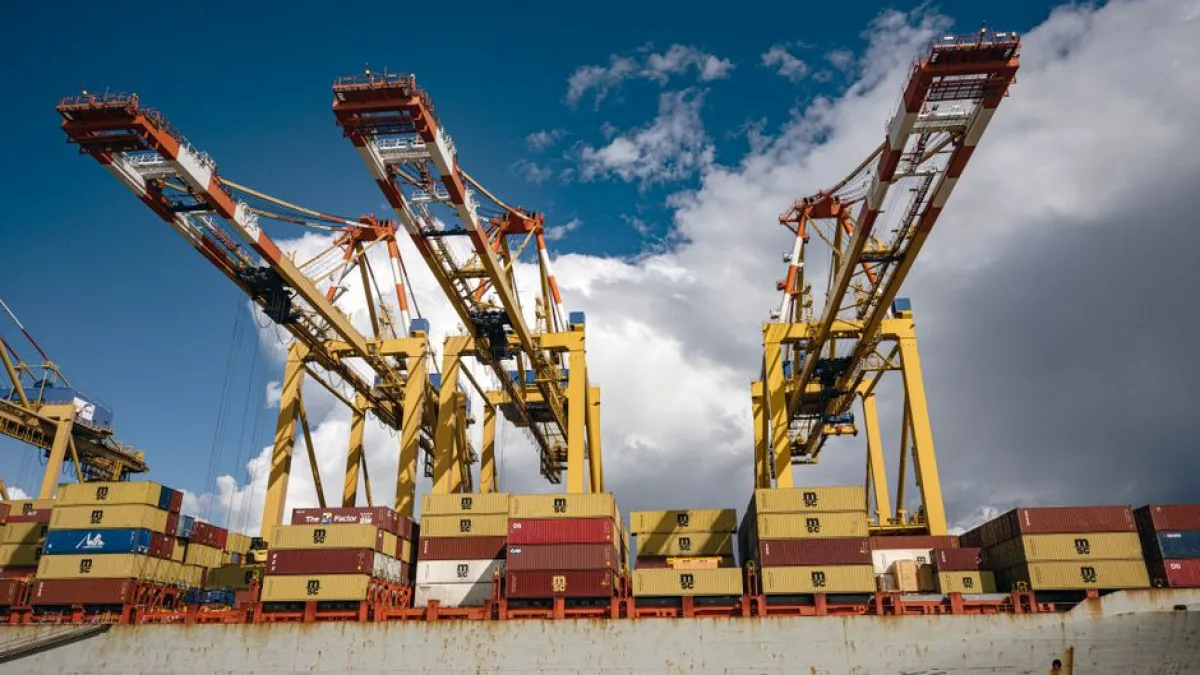
Port logistics form the backbone of international trade, where efficiency determines the profitability of every shipment. Visualizing the movement of goods from vessel to terminal requires robust digital infrastructure to ensure that every container is tracked, processed, and cleared without unnecessary delays.
- Automated Tracking Updates: Leverage real-time data feeds to keep your clients informed about vessel locations and arrival times, reducing the volume of manual status inquiries reaching your operations team.
- Digital Documentation Management: Centralize your bills of lading and commercial invoices in a cloud-based system to ensure that all stakeholders access the most current versions of critical shipping files.
- Port Congestion Alerts: Utilize proactive monitoring tools to identify potential bottlenecks at major hubs, allowing you to re-route cargo and minimize the impact of external supply chain disruptions.
- Container Utilization Ratios: Optimize your load planning strategies by using software analytics to maximize space usage in every container, effectively reducing the cost per unit for your clients.
Mastering container logistics requires a proactive approach to data management that empowers your team to make informed decisions. By consolidating your operational data within a unified platform, you effectively eliminate the blind spots that often lead to costly delays at terminal gates. Transitioning toward digital visibility provides the agility needed to handle unforeseen port challenges while maintaining your reputation for reliability and excellent customer service.
Managing Carrier Relationships Digitally
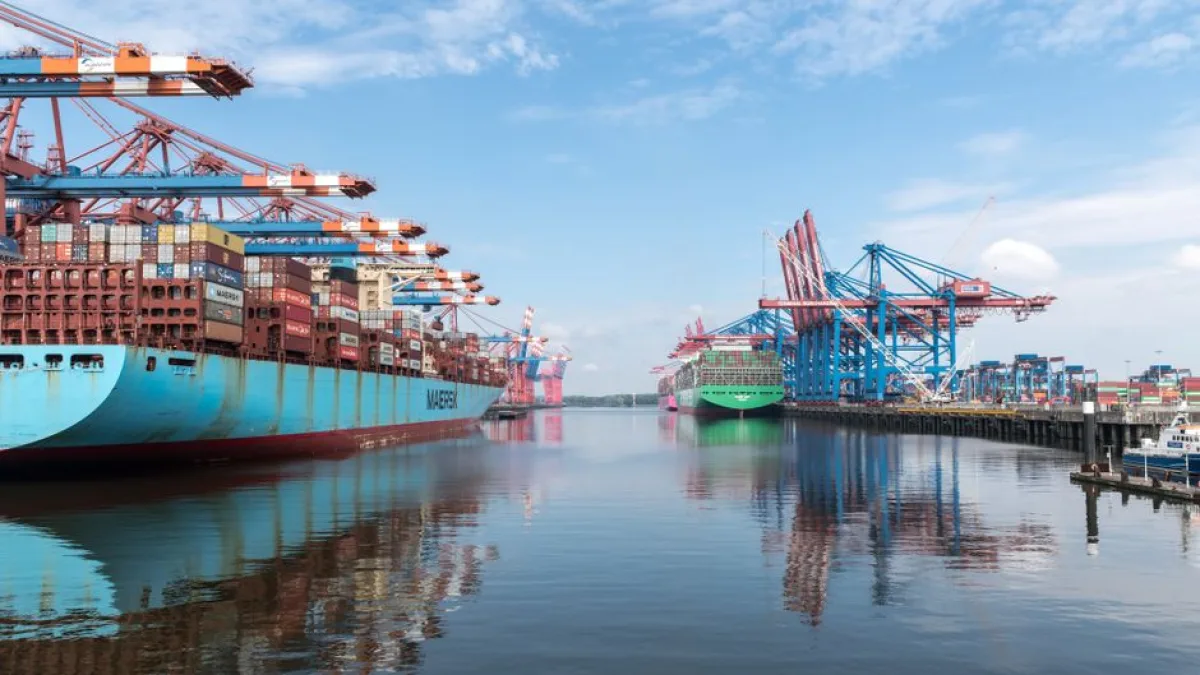
Building strong connections with shipping lines is essential for securing space and competitive pricing. Digital platforms simplify the complex negotiation process, allowing forwarders to manage carrier contracts and capacity requirements with a high degree of precision and long-term strategic oversight.
- Contractual Rate Management: Import and organize complex carrier tariffs into a central database to compare pricing options quickly and provide accurate quotes to your clients every single time.
- Capacity Forecasting Tools: Use historical shipment data to predict your future space requirements, enabling your team to negotiate better volume-based rates with core ocean freight carrier partners.
- Communication Portals: Replace scattered email chains with integrated messaging tools that connect your staff directly with carrier representatives, ensuring that all correspondence remains transparent and easily retrievable.
- Performance Analytics Dashboards: Measure carrier performance based on reliability and speed to adjust your procurement strategies and ensure that your clients receive the highest quality of service possible.
Strengthening your carrier relationships through technology builds a foundation for long-term growth and stability. By having a clear view of your performance metrics and volume commitments, you can negotiate from a position of strength during contract renewals. This professional digital approach ensures that your agency remains a preferred partner for global shipping lines, ultimately leading to better priority and support for your cargo.
Automating Essential Shipping Documentation

The sheer volume of paperwork involved in ocean freight can overwhelm any team if handled manually. Digital automation streamlines the creation and validation of shipping documents, significantly reducing the administrative burden on your staff and minimizing risks associated with human error.
- Smart Document Templates: Create standardized document templates that automatically pull information from existing shipment files, saving hours of repetitive data entry work for your logistics coordinators each day.
- Compliance Validation Checks: Implement automated cross-referencing tools that flag inconsistencies in export filings before they are submitted, preventing costly customs penalties and avoiding shipment hold-ups at borders.
- Integrated Signature Workflows: Utilize electronic signature capabilities to expedite the approval process for important bills of lading, allowing for instant processing and faster movement of your client cargo.
- Audit Trail Archives: Maintain a secure and searchable history of all document changes, ensuring your agency stays audit-ready while providing an accurate account of every single transaction.
Automation serves as a catalyst for growth by liberating your staff from the cycle of repetitive administrative chores. When documentation becomes a background process handled by your software, your team gains the freedom to focus on high-level problem solving and client relationship management. Investing in these automated workflows protects your margins and creates a scalable infrastructure that grows alongside your business requirements.
Enhancing Real Time Cargo Visibility
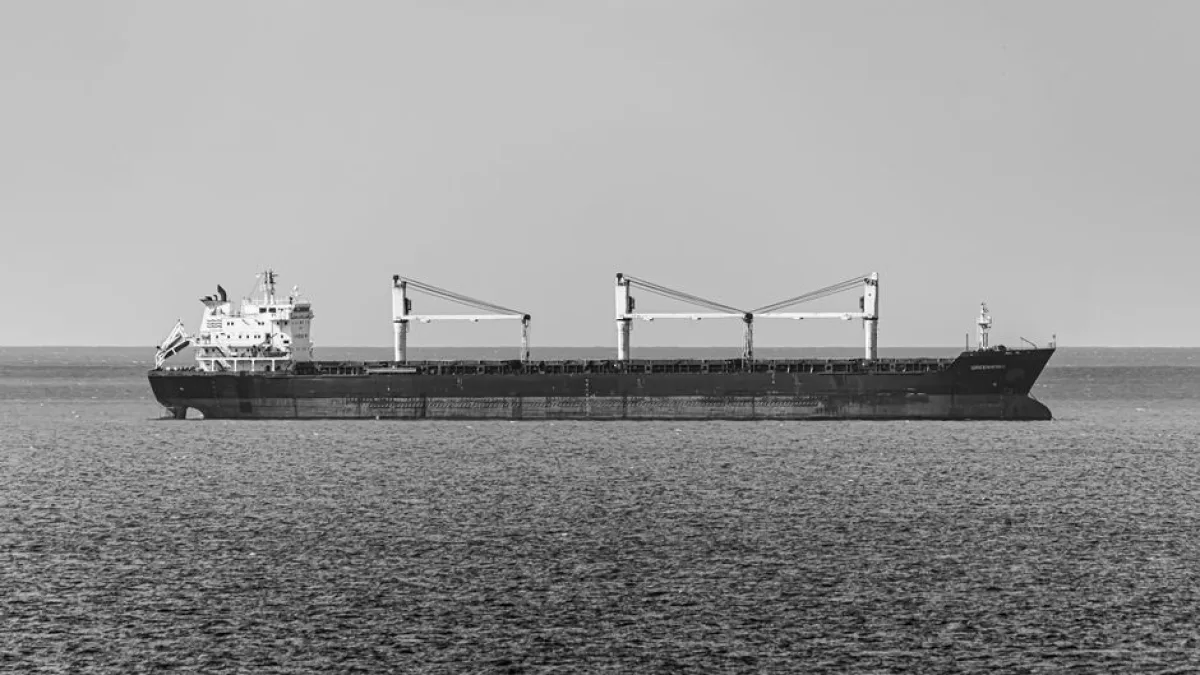
Transparency is the most valuable asset you can offer to your clients in the modern freight market. Providing live updates on cargo status creates trust and transforms the shipping experience from a stressful black box into a predictable and manageable logistics process.
- Live Map Integrations: Offer your clients an interactive dashboard where they can see vessel progress in real time, significantly reducing their anxiety regarding the safety of their goods.
- Milestone Event Alerts: Trigger automated notifications for key shipping milestones, such as vessel departure or customs clearance, so that your clients remain informed without needing manual check-ins.
- Exception Management Systems: Detect delays immediately using automated threshold monitoring, allowing you to notify clients early and provide alternative solutions before their operations are disrupted by the cargo delay.
- Unified Client Dashboards: Provide a branded self-service portal where your customers can access all shipment documents, tracking information, and status updates at their own convenience twenty-four hours daily.
Visibility is no longer an optional service but a fundamental expectation of modern shippers who require precision for their own inventory planning. By equipping your agency with advanced tracking capabilities, you demonstrate a level of professionalism that separates your firm from the competition. This commitment to transparency ensures long-term client retention and positions your brand as a technology-forward leader in the ocean freight sector.
Conclusion

Modernizing your ocean freight operations is an essential step for forwarders aiming to thrive in an increasingly digitized market. By leveraging cloud-based software to manage containers, carriers, documentation, and visibility, you build a sustainable foundation for future scalability. Start integrating these advanced solutions today to improve your operational efficiency and deliver superior service. Contact MakeCargo to learn how our platform drives excellence in logistics.