Optimizing Ocean Freight Operations with Modern Software
Tuesday, October 27 2026
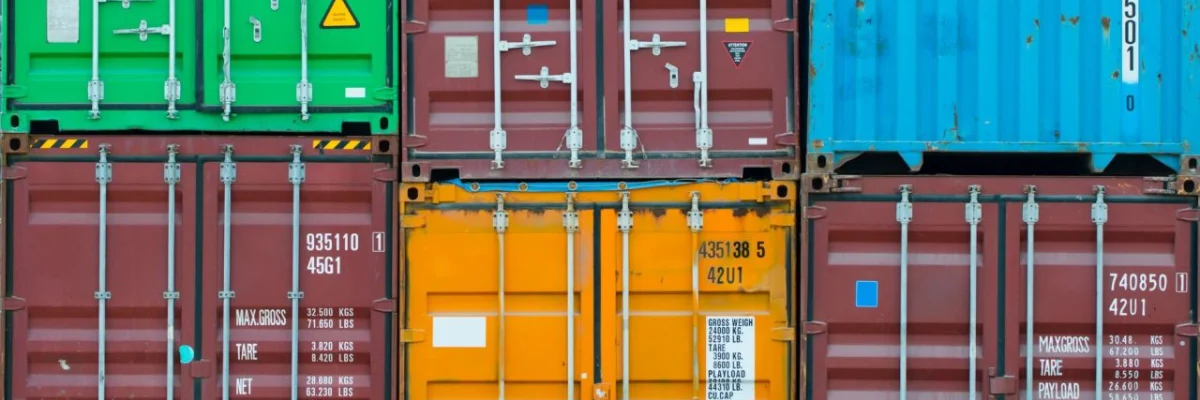
The global shipping industry is undergoing a digital transformation as freight forwarders grapple with increasing complexity and volatile market demands. As supply chain visibility becomes a top priority for shippers, the integration of cloud based software has shifted from a luxury to an essential operational requirement. Managing ocean freight involves balancing intricate schedules, container tracking, and constant communication with carriers. By adopting automated workflows, modern forwarders can reduce manual errors and provide the real time updates their clients expect. This article explores how robust technology solutions empower logistics professionals to scale their operations while maintaining high standards of service excellence.
Streamlining Booking Processes
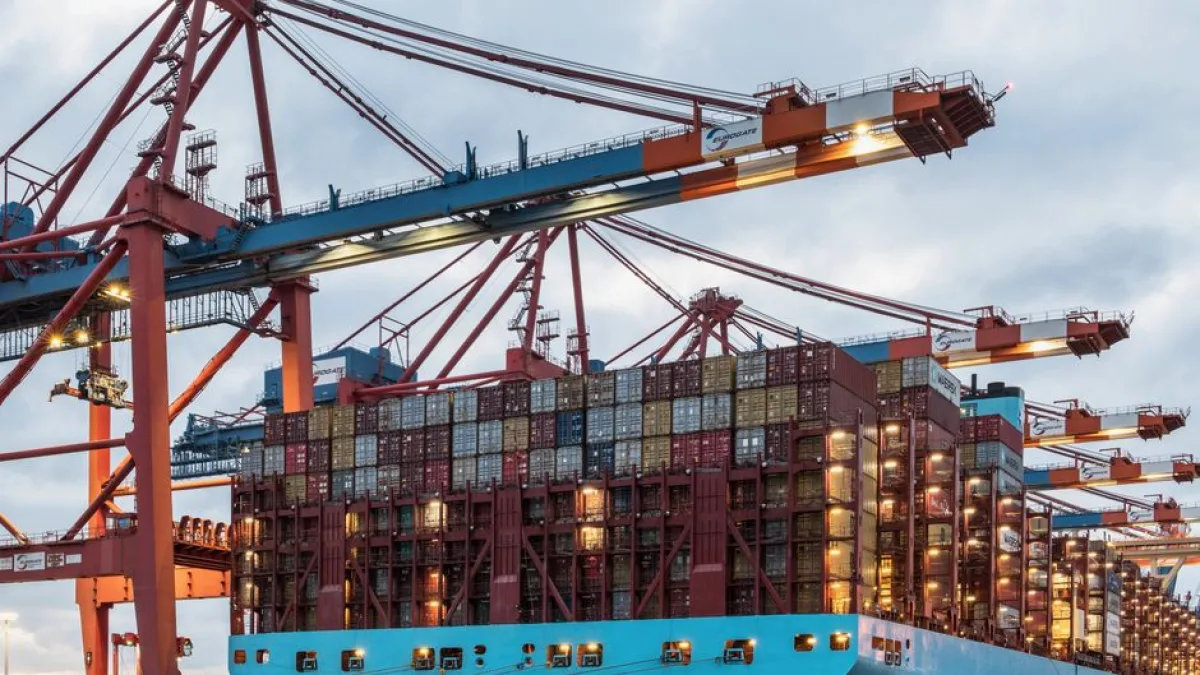
Digital transformation begins with the initial booking stage, where manual data entry often leads to costly delays. By centralizing requests, freight forwarders can eliminate paper based workflows and ensure accurate shipment details are transmitted instantly to carriers for faster processing.
- Automated Rate Requests: Our software enables instant connectivity to multiple carriers, allowing users to compare quotes and select the most cost effective routes for their specific cargo requirements today.
- Simplified Booking Management: Centralize every booking request into one intuitive dashboard to ensure that your team maintains full visibility over documentation status and carrier confirmation timelines without extra effort.
- Reduced Manual Errors: Automated data validation protocols check for common entry mistakes during the booking process, preventing expensive administrative delays at customs or port terminals during peak season.
- Real Time Integration: Connect directly with global carrier APIs to receive instant booking confirmations and reference numbers, cutting down response times from hours to mere seconds for clients.
Optimizing the booking phase is critical for maintaining a competitive edge in ocean freight logistics. When agents spend less time typing shipment details, they allocate more hours to strategic account management and high value problem solving. This shift not only improves internal efficiency but also drives higher levels of customer satisfaction, establishing your firm as a reliable partner in a crowded, complex international marketplace.
Real Time Shipment Visibility
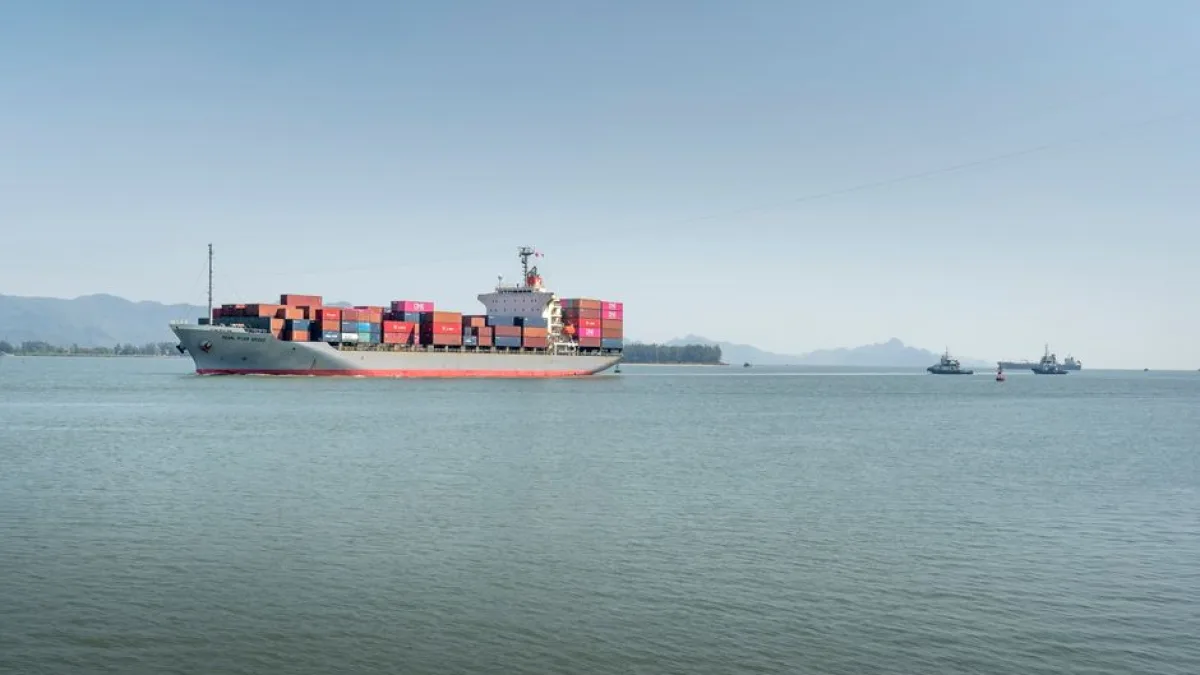
Customers today demand constant transparency regarding their ocean freight location. Advanced software provides live tracking data, enabling forwarders to anticipate disruptions and communicate proactive updates to clients before minor delays turn into major supply chain bottlenecks for their businesses.
- Live Vessel Tracking: Access precise GPS coordinates and real time status updates for every vessel, providing your clients with an accurate estimated time of arrival for their cargo.
- Proactive Delay Alerts: Configure automated notification systems that trigger alerts whenever vessel schedules change, allowing your team to inform stakeholders immediately and plan contingency routes if necessary.
- Container Status Updates: Receive constant status changes from port terminals directly within the platform, ensuring full visibility from the origin warehouse to the final destination delivery point.
- Digital Dashboard Access: Grant your clients secure access to a custom branded portal where they can monitor their shipments independently, reducing the volume of status inquiries handled.
Providing granular visibility into ocean shipments builds trust and transparency throughout the entire logistics lifecycle. When forwarders offer proactive insights instead of reactive explanations, they reinforce their professional reputation. By leveraging cloud based tracking technology, logistics providers can effectively manage expectations and mitigate the impact of port congestion, ultimately ensuring that supply chains remain resilient regardless of unforeseen global shipping disruptions.
Automated Documentation Workflows

Managing bills of lading and customs declarations manually is prone to inconsistencies. Modern software automates the generation and storage of essential shipping documents, ensuring that every file remains compliant, organized, and easily accessible for digital audits whenever regulatory requirements arise.
- Instant Document Generation: Automatically generate standard shipping documents using stored shipment data, saving your team hours of tedious clerical work while ensuring total accuracy for every international order.
- Secure Cloud Storage: Maintain a centralized and searchable database of all historical shipping documents, allowing for rapid retrieval during customs inspections or internal financial audits every year.
- Digital Signature Integration: Expedite the approval process by utilizing integrated electronic signatures, which eliminate the need for printing, scanning, or physical mail services between your various office locations.
- Compliance Monitoring Tools: Utilize built-in regulatory checklists that flag missing information or incorrect formatting before documents are submitted to authorities, significantly reducing the risk of customs related penalties.
Automated documentation is the foundation of a scalable freight forwarding business. By removing the burden of manual file creation, your staff can focus on higher level tasks that generate actual revenue. Efficient document management minimizes human error and protects your company from regulatory liabilities. This digital transition creates a streamlined workflow that is both compliant and audit ready at any given moment.
Optimizing Financial Reporting

Managing cash flow and profitability in ocean freight requires precise financial oversight. Advanced software integrates accounting features with operational data, giving freight forwarders a comprehensive view of their financial health, margin analysis, and individual shipment profitability metrics in real time.
- Detailed Margin Analysis: Monitor the profitability of every ocean shipment by comparing quoted costs against actual vendor invoices, ensuring that your company maintains healthy margins on every project.
- Automated Invoicing Cycles: Trigger professional invoices automatically based on shipment milestones, which accelerates your accounts receivable process and improves overall company cash flow throughout the fiscal year period.
- Multi Currency Management: Handle diverse international freight costs with built in currency conversion tools that ensure your financial reporting remains accurate across various global markets and regions.
- Comprehensive Financial Reports: Generate detailed performance reports that highlight revenue trends and operational costs, providing management with the data needed to make informed decisions regarding future growth.
Strategic financial management separates successful freight forwarders from those that struggle with unpredictable cash flows. By integrating operations with accounting, businesses gain the clarity required to identify which lanes, carriers, or clients offer the best returns. This level of insight allows for more precise pricing and budgeting. With robust financial reporting tools, you ensure your logistics company remains profitable and financially sustainable.
Conclusion
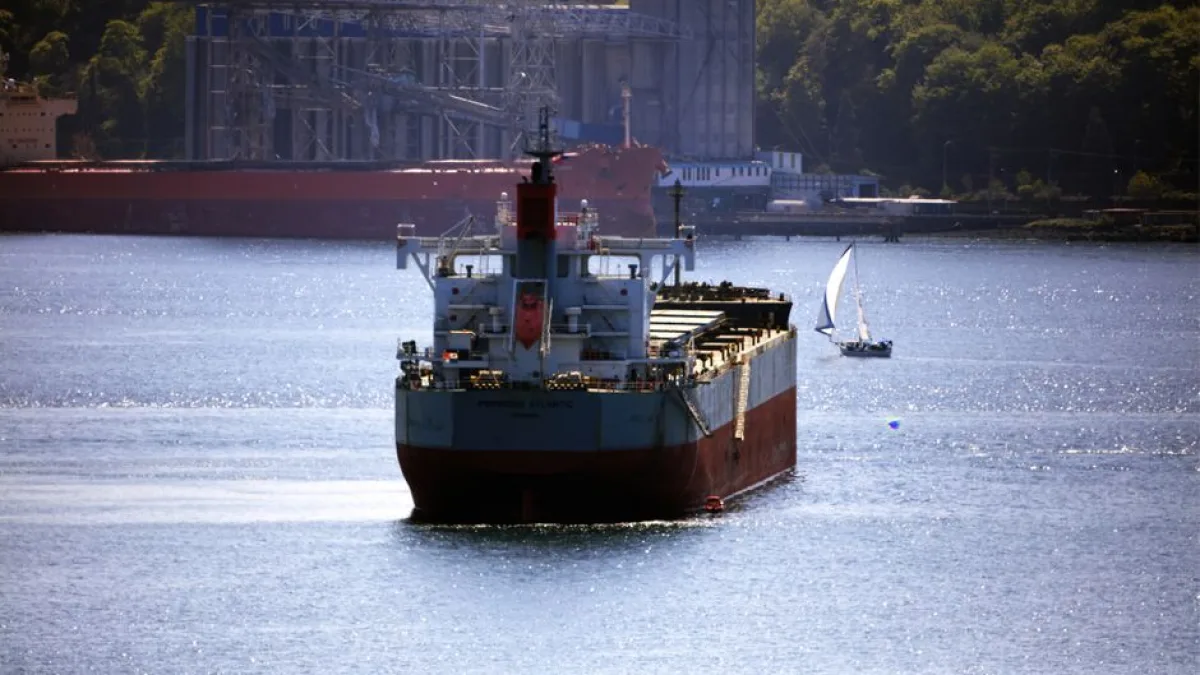
Modernizing ocean freight operations is no longer optional for growth focused forwarders. By embracing cloud based software to manage bookings, tracking, documentation, and financials, your team gains a massive competitive advantage. These tools enhance productivity, improve client transparency, and support long term profitability. Start optimizing your digital infrastructure today to build a more efficient, resilient, and successful freight forwarding business for the future.