Optimizing Ocean Freight Operations in a Digital Era
Wednesday, October 28 2026
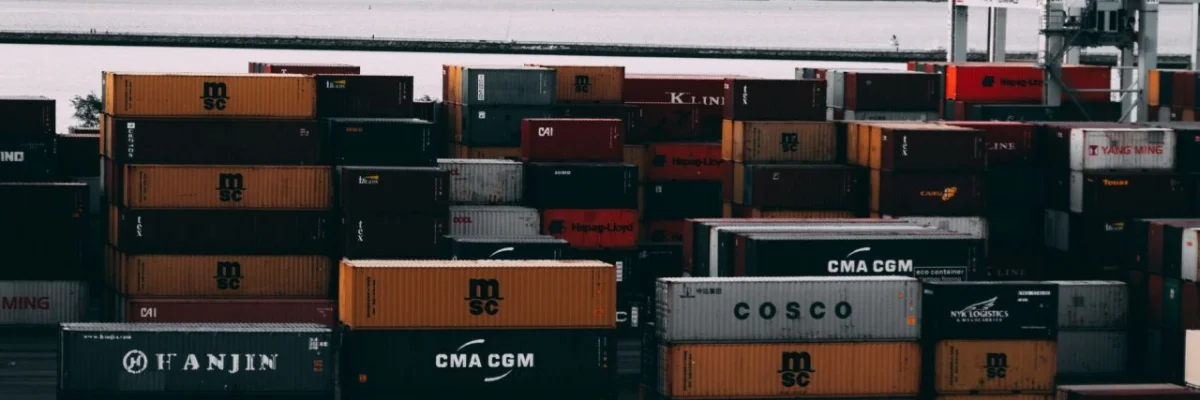
The global shipping landscape is undergoing a massive transformation as logistics providers shift from manual processes to integrated digital ecosystems. Managing ocean freight requires precise coordination across complex supply chains, where visibility and speed determine your market competitiveness. As capacity fluctuations and port congestion continue to challenge freight forwarders, adopting advanced software solutions becomes essential for operational resilience. This article explores how modern cloud technology empowers forwarding teams to navigate oceanic trade lanes with greater efficiency. By embracing digital tools, professionals can reduce administrative burdens, improve carrier relationships, and deliver superior tracking experiences for their clients in an increasingly volatile global shipping environment.
Mastering Carrier Capacity Management
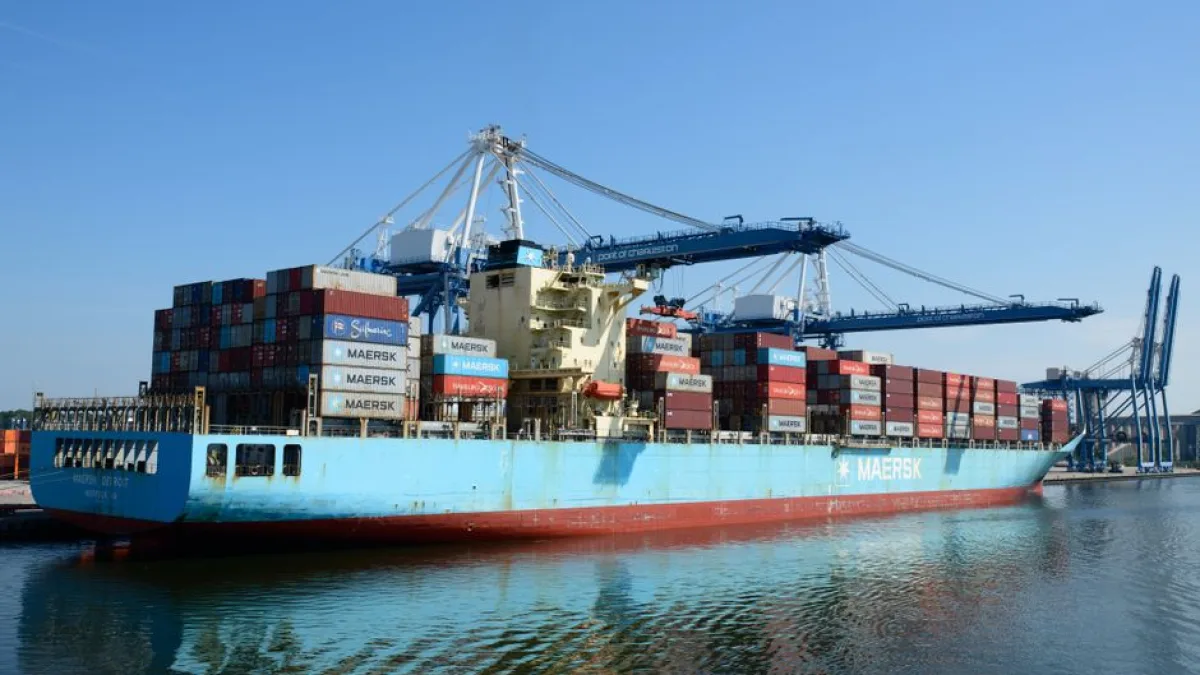
Effective capacity management involves balancing volume commitments against fluctuating spot market rates while ensuring consistent service levels for your customers. Modern platforms provide the analytical depth required to monitor space availability and allocate resources across multiple major shipping lines.
- Real time scheduling: Access live carrier data to view available vessel space instantly and reduce the manual effort of calling or emailing agents for routine shipment booking confirmations.
- Rate management integration: Synchronize your internal database with carrier rate structures to ensure that pricing quotes are always accurate and reflect the most current market tariff adjustments.
- Predictive volume forecasting: Utilize historical shipment data to anticipate seasonal peaks and negotiate better service contracts with carriers by providing accurate volume projections for upcoming business cycles.
- Automated space booking: Submit shipping instructions directly through digital interfaces to eliminate human error and accelerate the process of securing critical vessel space for your high priority accounts.
- Dynamic route optimization: Evaluate various shipping lanes based on transit times and port congestion metrics to select the most efficient path for your cargo every time.
By shifting to digital carrier management, forwarding teams gain significant hours back in their day. The ability to see available slots and confirm bookings within a single dashboard transforms how you approach capacity planning. This proactive strategy prevents last minute shipment delays, improves your reputation with exporters, and creates a scalable framework for your company to handle increased volumes throughout the coming busy seasons.
Enhancing Shipment Visibility

Providing customers with clear visibility into their cargo location is now a standard requirement rather than a premium offering. Real time tracking capabilities bridge the gap between departure and arrival by providing constant updates throughout the entire oceanic journey.
- Live vessel tracking: Integrate GPS data from shipping carriers to monitor the precise location of vessels across oceans and provide customers with accurate estimated time arrivals.
- Event triggered notifications: Set up automated alerts for key milestones like vessel departure, port arrival, or customs clearance to keep stakeholders informed without manual data entry.
- Document digitization tools: Upload bills of lading and commercial invoices to a shared portal so that every party can access important shipment documents in real time.
- Exception alert management: Receive instant notifications regarding weather delays or port strikes to proactively communicate potential schedule impacts to your clients before they start asking questions.
- Customer dashboard access: Allow your clients to log into a secure portal where they can view their shipment progress independently and download their own shipping documents.
Visibility serves as the backbone of modern customer service in the freight forwarding sector. When you move beyond manual status checks and embrace automated tracking, your clients experience higher levels of trust and reliability. This transparency reduces the volume of repetitive inquiry calls, allowing your support staff to focus on solving complex logistical challenges rather than simply answering basic status requests.
Streamlining Documentation Workflow

The sheer volume of paperwork involved in ocean freight can create bottlenecks that slow down your entire operation. Modern cloud platforms automate the generation and validation of shipping documents to keep cargo moving through ports smoothly.
- Automated document generation: Convert booking information into standard shipping documents instantly to save your team hours of manual typing and reduce the risk of clerical errors.
- Cloud based storage: Maintain a centralized repository for all ocean freight documentation that is accessible by your team from anywhere in the world at any time.
- Compliance validation checks: Ensure that all customs paperwork meets international regulatory requirements before submission to prevent costly delays at destination ports due to incorrect filing information.
- Electronic signature integration: Enable partners and clients to sign essential shipping forms digitally, removing the need for physical mailings and scanning during the busy booking process.
- Multi language support: Automatically translate shipping documents and communications to ensure clarity when working with international agents or partners in different parts of the global market.
Efficient documentation is the key to avoiding fines and vessel departure delays. By automating your internal workflows, you reduce the time required to prepare paperwork by more than fifty percent. This shift allows your staff to handle more shipments with fewer errors, ultimately leading to higher profit margins and a more organized back office environment that scales easily as your freight volume grows.
Leveraging Advanced Data Analytics

Turning shipment data into actionable business intelligence is essential for identifying cost savings and improving operational performance. Analytical tools provide deep insights into your performance metrics and help you spot trends that traditional spreadsheets might miss entirely.
- Performance metric tracking: Monitor key performance indicators such as transit time consistency and carrier reliability to measure the effectiveness of your existing freight forwarding vendor network.
- Revenue cost analysis: Track profitability on a per shipment basis to identify which trade lanes or client profiles provide the best return on your investment efforts.
- Trend identification reports: Analyze historical data to recognize recurring patterns in shipping volume or seasonal price changes that can inform your long term business strategy planning.
- Operational efficiency review: Evaluate the workload distribution across your staff to identify team members who might need more support or processes that require additional digital automation.
- Competitive benchmarking tools: Compare your service delivery speeds and pricing against industry standards to ensure you remain competitive in an increasingly crowded freight forwarding global market.
Data driven decision making moves your company from reactive management to a proactive growth mindset. When you understand your costs and performance levels through clear visual reports, you can make smarter choices about which carriers to use and how to price your services. This analytical approach separates market leaders from stagnant competitors by proving your value through measurable results and consistent business excellence.
Conclusion
Successful ocean freight management requires a blend of digital agility and strategic planning. By automating carrier bookings, providing transparent visibility, and utilizing data analytics, you can significantly enhance your operational efficiency. Modernizing your software stack is not just a technological upgrade, but a vital move to remain relevant. Start integrating these advanced tools into your daily workflow today to drive sustainable long term success.