Optimizing Ocean Freight Operations in the Modern Era
Wednesday, October 28 2026
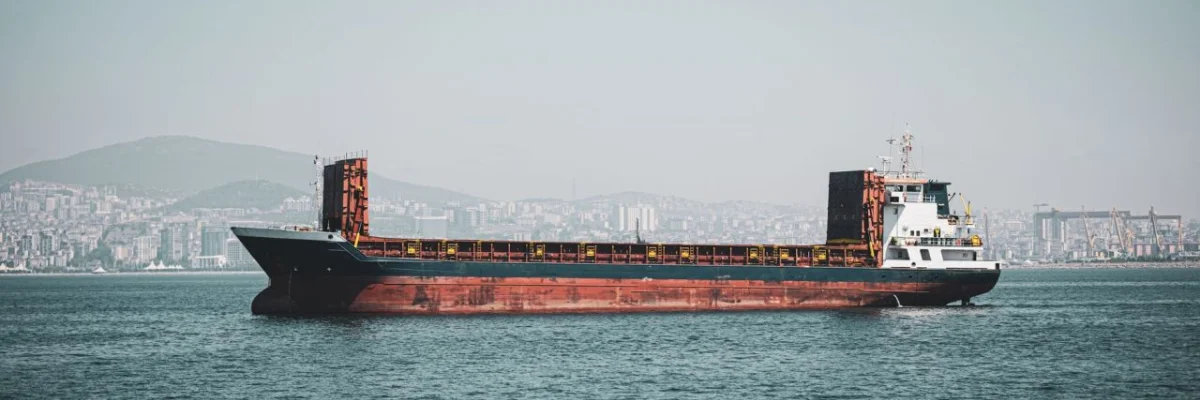
Navigating the complex landscape of global ocean freight requires more than just traditional logistics knowledge. As market volatility, port congestion, and shifting trade policies become the new norm, forwarders must leverage advanced technology to maintain profitability and service reliability. Modernizing your workflow through cloud-based platforms is no longer a luxury but a strategic necessity for companies aiming to thrive in a competitive environment. By integrating automated documentation, real-time tracking, and predictive analytics, your organization can effectively mitigate risks while ensuring seamless operations for global clients. Mastering these digital tools will define the success of freight forwarders over the coming decade.
Streamlining Booking Processes
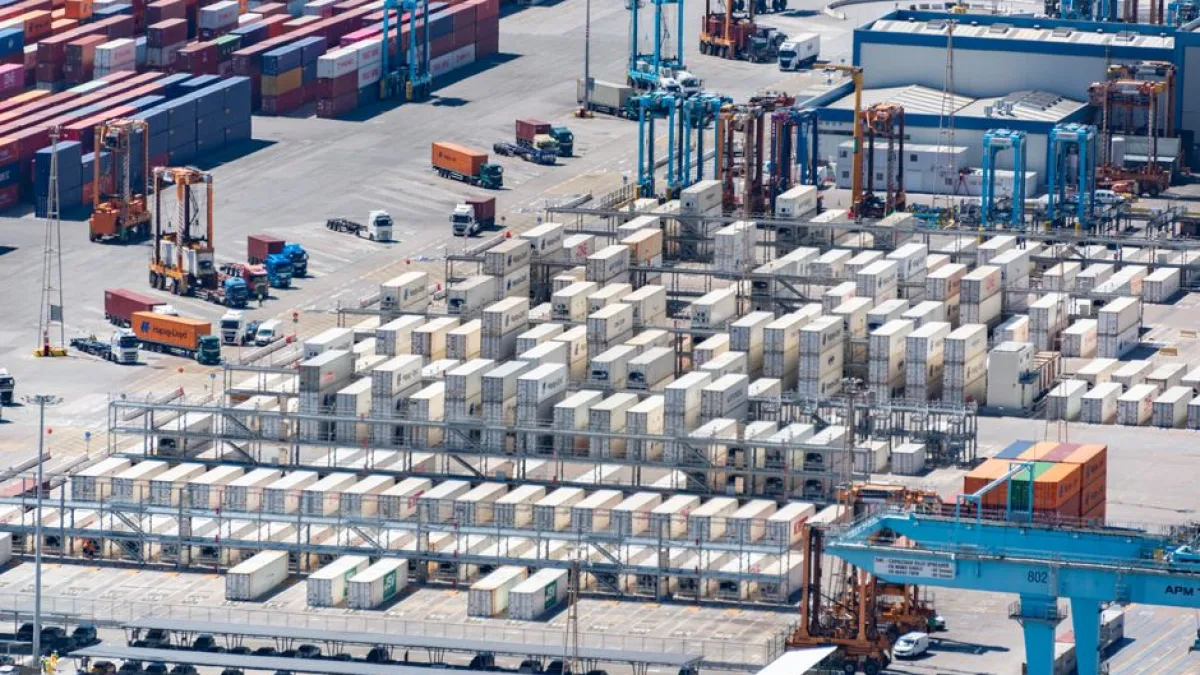
Automating the booking process reduces human error and significantly accelerates the speed at which forwarders can secure space. By digitizing requests, your team can avoid manual data entry bottlenecks while improving communication accuracy across all international shipping partners and carriers.
- Instant Rate Quotes: Provide your customers with immediate access to real-time pricing data to increase conversion rates while reducing the time spent manually calculating complex ocean freight shipping costs.
- Digital Booking Requests: Standardize your submission process by using cloud portals that automatically capture all necessary shipment details while eliminating the confusion associated with email threads or paper documents.
- Automated Carrier Integration: Connect your internal systems directly with global ocean carriers to manage space allocations efficiently while ensuring that your bookings are processed without any unnecessary administrative delays.
- Real-time Capacity Visibility: Access live schedules and current slot availability to make informed decisions for your clients while maintaining a competitive advantage in a volatile and fast-moving global market.
- Centralized Documentation Storage: Keep all booking confirmations and associated paperwork in a single digital location that is easily accessible to your team members from anywhere in the world at anytime.
Adopting digital booking tools transforms how you interact with shipping lines and clients alike. By replacing manual workflows with intelligent automation, you empower your staff to handle higher volumes without increasing operational costs. This transition not only boosts overall efficiency but also creates a more transparent experience for your customers, fostering long-term trust and loyalty within your global supply chain network today.
Enhancing Shipment Visibility
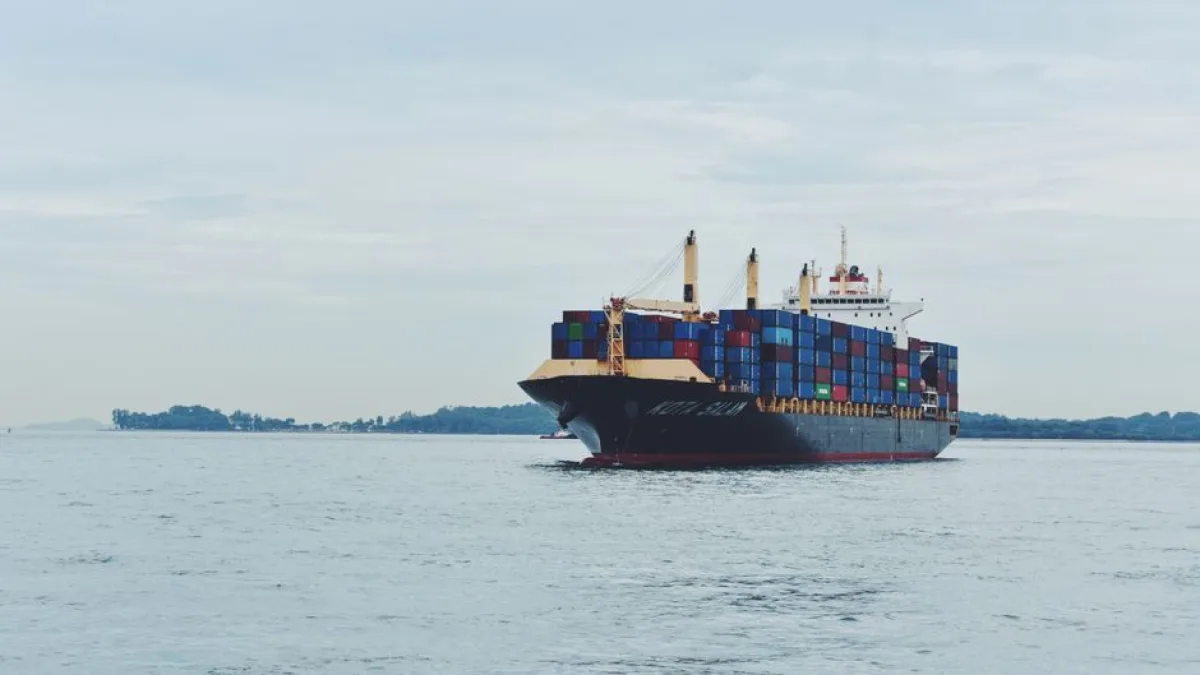
Visibility is the backbone of modern freight forwarding because customers demand real-time data regarding their cargo status. Leveraging live GPS data and IoT sensors ensures that every stakeholder remains fully informed about shipment progress from port of loading to destination.
- Live Tracking Updates: Utilize automated notifications to keep your clients informed about every milestone of their journey while reducing the volume of inbound status inquiry calls to your team.
- Predictive Arrival Analytics: Analyze historical performance and current traffic data to provide accurate delivery estimates that help your clients manage their inventory levels and warehouse staffing requirements more effectively.
- Exception Management Alerts: Receive instant notifications when a shipment faces a delay or port congestion so you can proactively communicate with stakeholders before they even notice a potential problem.
- Global Map Integration: Visualize the entire route of your ocean freight operations through interactive maps that display vessel positions and current port status for improved logistics planning and oversight.
- Data Transparency Tools: Offer your clients a dedicated portal where they can view shipment milestones independently to build professional trust through consistent and reliable information sharing every day.
Superior visibility is the greatest asset in modern logistics because it removes the uncertainty that typically plagues international shipping. When you provide accurate updates, you reduce customer anxiety and minimize the time spent on manual status checks. This proactive approach to data management allows you to focus on resolving logistical issues quickly, thereby ensuring your clients receive professional and reliable service every time.
Optimizing Document Management

Managing customs entries and bills of lading is often the most time-consuming part of ocean freight. Transitioning to cloud-based document management software allows for seamless collaboration, ensuring that every piece of paperwork remains organized, compliant, and accessible for all relevant parties.
- Paperless Workflow Adoption: Digitize all shipping documents to reduce the reliance on physical files while ensuring that your office remains clutter-free and environmentally friendly for all future company operations.
- Automated Compliance Checking: Implement smart systems that automatically flag missing information or regulatory errors in your customs declarations to prevent costly fines and delays at major international borders.
- Collaborative Document Editing: Allow multiple team members to access and update documentation in real time to speed up the verification process while preventing conflicting versions from being sent out.
- Secure Cloud Storage: Protect your sensitive client data with enterprise-grade encryption that ensures all bills of lading and invoices remain safe from unauthorized access or accidental data loss events.
- Searchable Archive Systems: Utilize advanced indexing features to locate past invoices or shipping manifests in seconds rather than wasting hours digging through physical filing cabinets or old emails.
A digitized documentation strategy is the key to scaling your freight forwarding business without adding excessive headcount. By automating the filing and retrieval of critical papers, you drastically reduce the risk of human error and compliance penalties. This efficiency allows your operations team to dedicate more time to strategic growth initiatives, ultimately resulting in a more profitable and streamlined business model for you.
Leveraging Advanced Data Analytics

The future of freight forwarding lies in the ability to interpret massive amounts of shipping data to uncover actionable trends. Using analytics platforms helps forwarders forecast market fluctuations and adjust their pricing strategies to maintain healthy margins throughout the year.
- Performance Reporting Tools: Evaluate your lane performance and carrier reliability through comprehensive reports that identify which routes offer the highest profitability and the fewest service disruptions for clients.
- Cost Trend Analysis: Monitor global freight rate fluctuations over time to provide strategic advisory services to your clients, helping them choose the most cost-effective shipping schedules available today.
- Customer Profitability Tracking: Gain deep insights into which client accounts generate the most value for your business to help you focus your sales efforts on high-growth industries and sectors.
- Carrier Relationship Management: Utilize detailed data on carrier performance to negotiate better contracts and service level agreements that protect your interests while delivering consistent results for all shippers.
- Operational Efficiency Metrics: Identify bottlenecks in your internal processes by tracking key performance indicators that highlight where your team can save time and reduce overhead expenses consistently.
Data analytics transforms raw numbers into strategic advantages that keep your forwarder ahead of the curve. By understanding the deeper mechanics of your logistics costs and carrier relations, you make smarter decisions that improve your competitive standing. Investing in these analytical tools provides a clear path to long-term profitability, ensuring your company remains resilient against the inevitable changes within the global shipping industry.
Conclusion

Modernizing your ocean freight operations is the definitive key to long-term success in the competitive global logistics sector. By integrating automated booking, real-time visibility, smart documentation, and powerful data analytics, your firm will gain the efficiency required to scale effectively. Embrace cloud technology today to streamline your workflows, satisfy your clients, and secure your place as a leader in the international freight forwarding market.