Optimizing Ocean Freight Operations in a Digital Era
Friday, October 30 2026

The global shipping landscape is undergoing a profound transformation driven by rapid technological integration and evolving market demands. For freight forwarders, the complexity of ocean logistics requires more than traditional manual processes to remain competitive and profitable. As shipping volumes fluctuate and supply chains become increasingly fragmented, the ability to centralize data and automate routine tasks becomes a critical operational advantage. This article explores how modern digital platforms empower logistics professionals to navigate international trade challenges while enhancing visibility and operational efficiency. By leveraging innovative software solutions, forwarders can better manage port congestion, vessel schedules, and carrier documentation to ensure seamless cargo flow.
Modernizing Port Operations
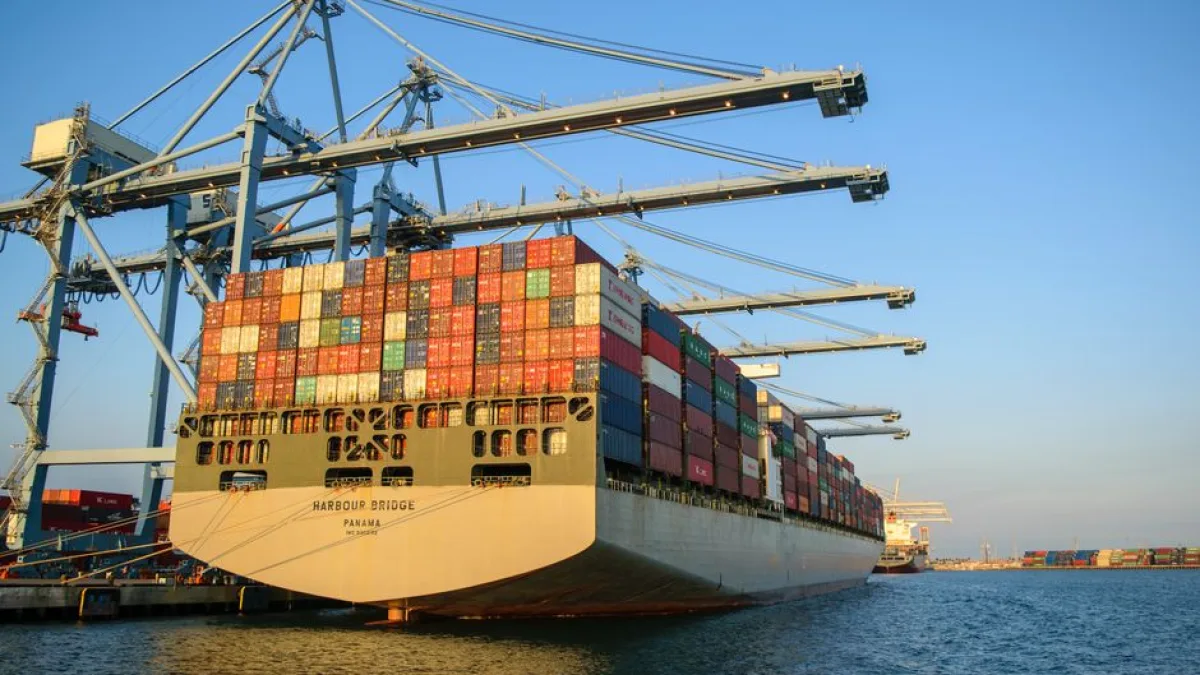
Port logistics represent a critical bottleneck where efficient coordination between carriers and terminals determines overall speed. Digital tools provide real-time updates that allow logistics teams to preemptively adjust routes and avoid costly delays during high traffic periods at major global maritime terminals.
- Automated Gate Tracking: Real time data integration allows staff to monitor container movements at terminals instantly, reducing idle time and preventing unnecessary storage fees for clients during busy seasons.
- Digital Document Exchange: Replacing paper based workflows with cloud based systems minimizes human error, ensuring that bills of lading and arrival notices are processed with absolute technical precision.
- Carrier Capacity Management: Advanced software tools analyze vessel space availability across multiple lines, allowing forwarders to secure space during peak periods without relying on outdated manual phone calls.
- Terminal Appointment Systems: Digital scheduling tools streamline the interaction between truckers and port operators, ensuring that cargo pickup and delivery happen within strictly defined time windows every day.
By digitizing the interface between ocean freight carriers and port authorities, companies reduce friction in the supply chain significantly. These technological improvements lead to faster turnaround times for vessels and trucks alike. When documentation flows smoothly through cloud interfaces, teams can focus their energy on high value customer service rather than managing administrative backlogs. This shift fosters a more reliable and transparent global trading environment.
Strategic Route Planning
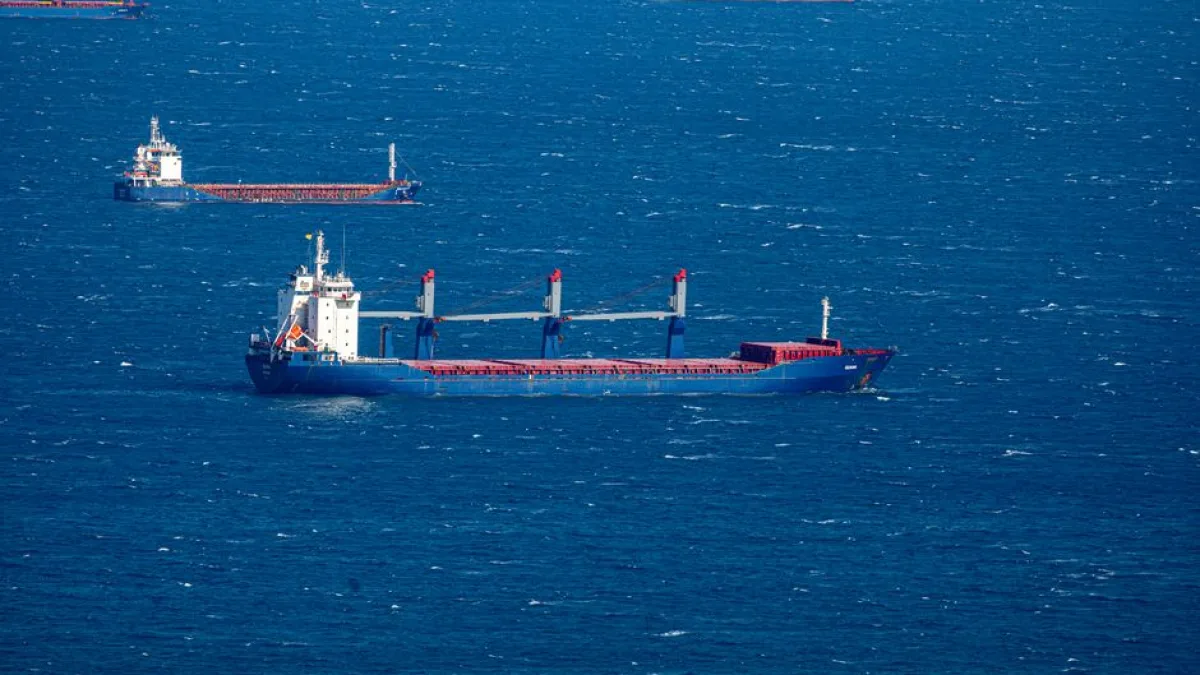
Choosing the right maritime route requires precise data regarding transit times and current fuel surcharges. Sophisticated logistics software helps professionals compare carrier services to select the most cost-effective and reliable paths for their specific client shipment requirements across international waters.
- Dynamic Route Optimization: Algorithms evaluate current weather patterns and port congestion levels to suggest the most efficient transit paths for all ocean freight vessels during major voyages.
- Fuel Surcharge Analysis: Integrated platforms track fluctuating bunker adjustment factors in real time, enabling forwarders to provide accurate and transparent pricing to their end clients every day.
- Carrier Performance Tracking: Historical data analytics allow companies to grade shipping lines based on punctuality and service quality, ensuring that premium cargo travels with reliable partners only.
- Multimodal Connection Planning: Software systems bridge the gap between ocean and rail transport, ensuring that container transit remains synchronized across different legs of the complex global journey.
Optimized route planning does more than just lower immediate transportation costs for the forwarder. It builds long term resilience against unforeseen disruptions like port strikes or weather events. By relying on data driven insights rather than historical intuition, firms gain a distinct competitive edge. This strategic approach ensures that every shipment arrives on time while maintaining healthy profit margins for the forwarder.
Streamlining Documentation Workflows

Managing global trade requires an enormous amount of paperwork that must be accurate to avoid heavy regulatory fines. Automating the creation and validation of shipping documents reduces the risk of compliance issues and accelerates the entire customs clearance process for exports.
- Automated Customs Filing: Integrated modules ensure that all declarations are submitted correctly to government agencies, minimizing the risk of cargo holds due to minor clerical filing errors.
- Digital Signature Integration: Secure electronic signing features allow stakeholders to approve essential paperwork from anywhere in the world, eliminating the need for physical mail and signatures.
- Template Management Tools: Standardized digital templates help logistics staff generate recurring shipping reports and invoices in seconds, significantly reducing the labor hours spent on mundane administrative tasks.
- Cloud Storage Security: Centralized digital archives keep all sensitive trade documents secure and accessible, providing a comprehensive audit trail that meets all international safety and regulatory standards.
Efficient documentation is the backbone of any successful freight forwarding operation. By moving away from manual spreadsheets and physical filing cabinets, companies can drastically improve their speed of operations. Automation ensures that information is consistent across all parties involved in the supply chain. This leads to fewer disputes, better client satisfaction, and a significantly reduced burden on staff managing complex shipping compliance requirements.
Real Time Visibility Solutions

Knowing exactly where cargo is located at any moment is essential for modern freight management. Advanced tracking platforms provide visibility that keeps clients informed and helps forwarders manage expectations throughout the long duration of transoceanic transit or coastal shipping.
- Live Tracking Dashboards: Clients receive updates on their shipment progress via custom web portals, reducing the need for constant status inquiry emails to busy logistics office staff.
- Automated Milestone Alerts: Configurable notifications inform teams of significant events such as vessel arrivals or container discharges, allowing for swift responses to any unexpected change in plans.
- Data Integration API: Seamless connections between shipping lines and logistics software ensure that tracking data remains accurate without the need for manual entry or manual refreshing.
- Exception Management Tools: Intelligent systems highlight shipments that are falling behind schedule, enabling proactive communication with clients before the delays become critical issues for their supply chains.
Visibility serves as a powerful differentiator for forwarders in a crowded market. When customers feel informed about their cargo, their trust in the service provider grows significantly. Real time tools turn logistics from a black box into a transparent process that creates value at every stage. Embracing these digital capabilities allows forwarders to move beyond simple transport and become true supply chain partners.
Conclusion

Successfully managing ocean freight in the current economy demands a digital first approach that prioritizes data, speed, and transparency. By investing in modern software, forwarders can overcome traditional logistical hurdles and deliver superior value to their global customers. Start optimizing your freight operations today by leveraging cloud based solutions to streamline your workflows, reduce costly errors, and gain full visibility into every shipment.