Optimizing Ocean Freight Operations in a Digital Era
Friday, October 30 2026

The global shipping landscape is undergoing a massive transformation driven by rapid technological advancements and fluctuating market demands. For modern freight forwarders, managing ocean freight effectively is no longer just about moving containers from point A to point B. It requires a sophisticated approach to logistics that prioritizes visibility, cost efficiency, and seamless communication across complex international supply chains. By leveraging cloud-based platforms like MakeCargo, logistics professionals can navigate volatile market conditions with agility. Adopting digital tools enables forwarders to mitigate risks, improve customer satisfaction, and maintain a competitive edge in an increasingly interconnected global shipping industry that demands constant real-time data.
Leveraging Advanced Port Technology
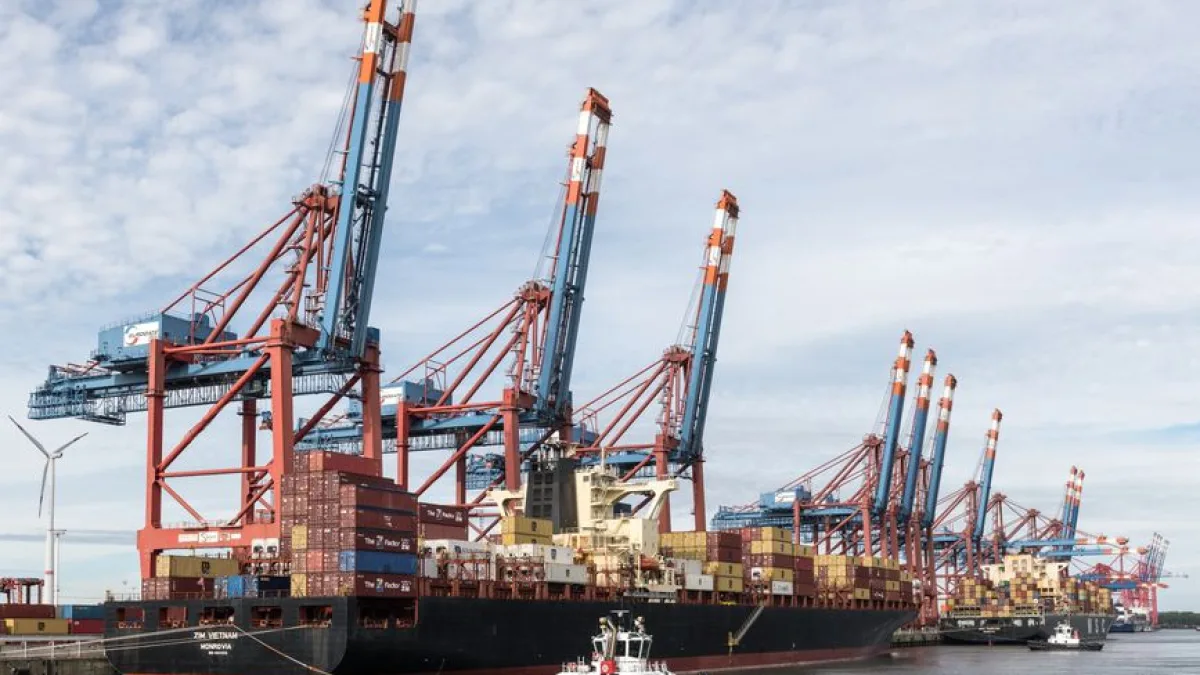
Modern ports are increasingly integrating automated systems to manage the massive flow of containers more efficiently. These technological upgrades allow for faster loading and unloading processes, which significantly reduces vessel turnaround times and minimizes delays across the entire maritime transport chain.
- Real-time visibility tools: Integrated tracking platforms provide constant updates on container status, allowing forwarders to proactively manage expectations and alert clients of any potential arrival delays or schedule changes.
- Automated gate systems: Implementing automated gate technology streamlines the intake process, reducing congestion at terminals and ensuring that trucks can move in and out with greater speed and efficiency.
- Data driven logistics: Analytics platforms help forwarders identify patterns in port performance, enabling them to choose more reliable transit routes based on historical processing data and current trends.
- Cloud integration benefits: Centralizing data in the cloud allows teams to collaborate effectively across time zones, ensuring that everyone has access to the most accurate shipping documentation immediately.
As ports continue to modernize, forwarders must embrace these digital interfaces to maintain operational continuity. By utilizing cloud-based software, your logistics firm can align internal workflows with external port data, creating a unified view of the supply chain. This alignment reduces human error and fosters a more responsive service model that clients depend on during uncertain times when rapid decision-making becomes vital to success.
Mastering Container Capacity Management
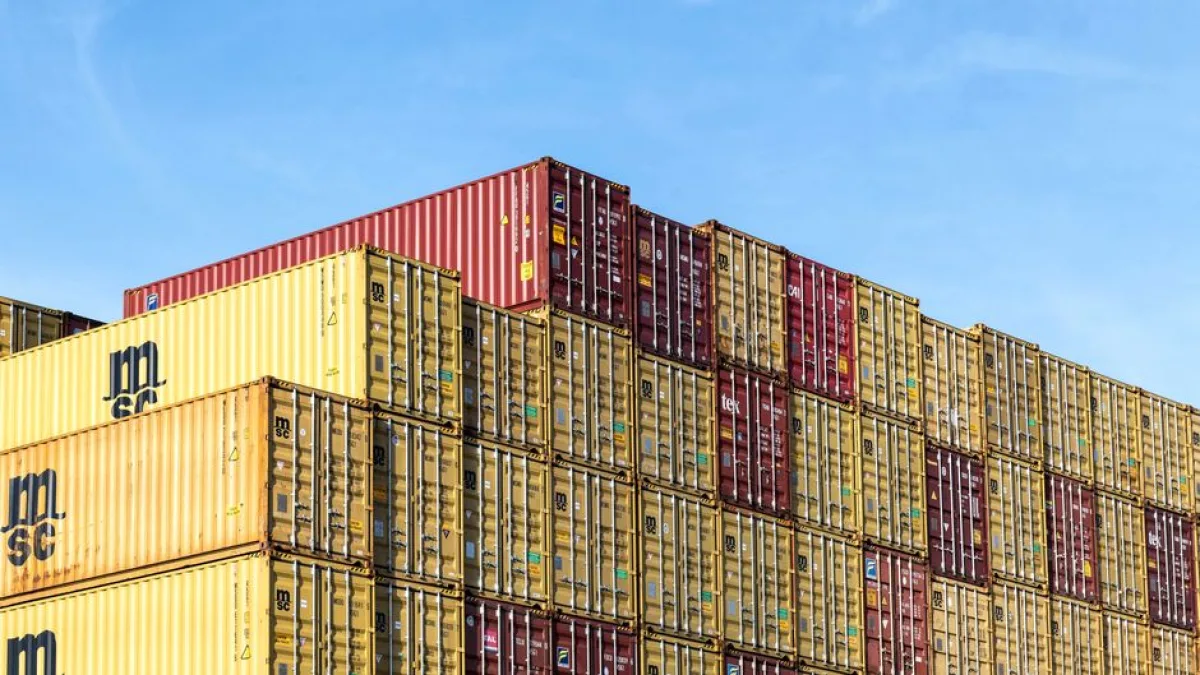
Effective capacity management is the backbone of profitable ocean freight operations. Forwarders who excel at balancing space utilization with cost structures can offer better pricing to their clients while maximizing the revenue potential of every single shipping vessel departure.
- Predictive space booking: Advanced forecasting tools help logistics planners predict future demand accurately, ensuring they secure enough slot space during peak seasons without incurring unnecessary overhead or costs.
- Consolidation strategies: Combining smaller shipments from multiple clients into full container loads helps maximize space utilization, reducing per unit shipping costs and improving overall profitability for forwarders.
- Carrier performance metrics: Monitoring carrier schedules and capacity reliability allows freight forwarders to make informed decisions about which shipping lines offer the best balance of speed and price.
- Dynamic routing adjustments: Rapidly shifting cargo to alternative routes during peak periods helps avoid port congestion and ensures that time-sensitive shipments still meet their original delivery windows.
Balancing capacity needs requires a proactive mindset backed by robust software solutions. By utilizing predictive analytics, your team can avoid the traps of underbooking or overpaying for empty slots. This refined approach to capacity management stabilizes your operations and positions your firm as a reliable partner capable of handling fluctuating volumes with consistent precision and efficiency regardless of the prevailing global market conditions.
Navigating Complex Documentation Processes

The paperwork associated with international ocean freight is vast and prone to errors if handled manually. Simplifying these documentation workflows is essential for maintaining compliance and ensuring that goods clear customs without facing expensive administrative hurdles or unexpected port hold-ups.
- Digital document management: Storing all bills of lading and customs forms in a secure cloud platform ensures that critical paperwork is always accessible and compliant with standards.
- Automated workflow triggers: Setting up automated reminders for document submission deadlines helps your team avoid late fees and prevents the processing delays associated with missing regulatory information.
- Standardized data entry: Uniform input templates reduce the risk of clerical errors, ensuring that information remains consistent across all shipping documents throughout the entire transport lifecycle process.
- Compliance tracking updates: Integrating regulatory databases directly into your workflow ensures that all shipments meet current international trade laws and safety regulations for every single port.
Eliminating paper-heavy processes is the most effective way to accelerate your shipping operations. By moving to a centralized digital management system, you ensure that every document is verified, signed, and ready for transit on time. This shift not only improves the speed of your customs clearance but also elevates the level of trust and transparency you provide to every client you serve.
Enhancing Client Transparency Levels

Modern clients expect complete transparency regarding their cargo throughout the entire ocean journey. Providing clients with granular visibility into their shipments builds strong, lasting relationships and sets your freight forwarding business apart from competitors who still rely on outdated manual communication methods.
- Customer portal access: Offering clients a personalized dashboard allows them to track their freight, view invoices, and check status updates without needing to contact your support staff.
- Proactive delay notifications: Automated alert systems send instant updates to clients if a shipment is diverted or delayed, preventing frustration and allowing for faster collaborative problem solving.
- Detailed performance reporting: Providing quarterly reports on shipping times and costs helps clients understand the value you bring and highlights areas where they can improve efficiency.
- Unified communication channels: Keeping all client messages tied to specific shipment records prevents lost emails and ensures that every interaction is documented for future reference and accountability.
Transparency is the new currency in the freight forwarding industry. When clients can see the progress of their cargo in real-time, they feel empowered and informed. By adopting digital tools that prioritize this level of open communication, you foster deeper loyalty and ensure your services remain indispensable, ultimately turning casual users into long-term partners who value your firm's professional digital reliability.
Conclusion

Mastering ocean freight requires a blend of strategic foresight and modern digital infrastructure. By embracing cloud-based platforms, you can optimize your capacity, streamline complex documentation, and provide the transparency that modern clients demand. Success in this competitive field relies on your ability to leverage technology to remove friction. Start optimizing your operations today with MakeCargo to ensure your logistics business remains future-ready.