Optimizing Ocean Freight Operations in a Digital Era
Friday, October 30 2026
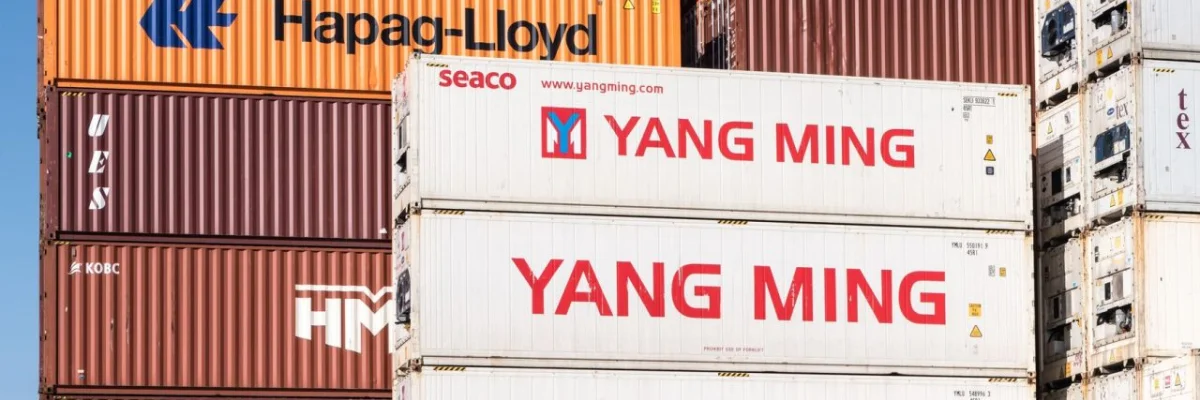
Modern ocean freight operations require a delicate balance of precision, speed, and visibility to remain competitive in a volatile global market. As supply chain complexities increase, freight forwarders must move beyond manual workflows to maintain profitability and client satisfaction. Digital transformation is no longer a luxury but a necessity for those handling complex maritime logistics. By integrating advanced software platforms, businesses can effectively manage capacity, documentation, and real-time tracking across international waters. Adopting smart technology empowers forwarders to anticipate disruptions, reduce costly manual errors, and provide the seamless experience that today's global shippers demand from their trusted logistics partners.
Streamlining Booking Processes
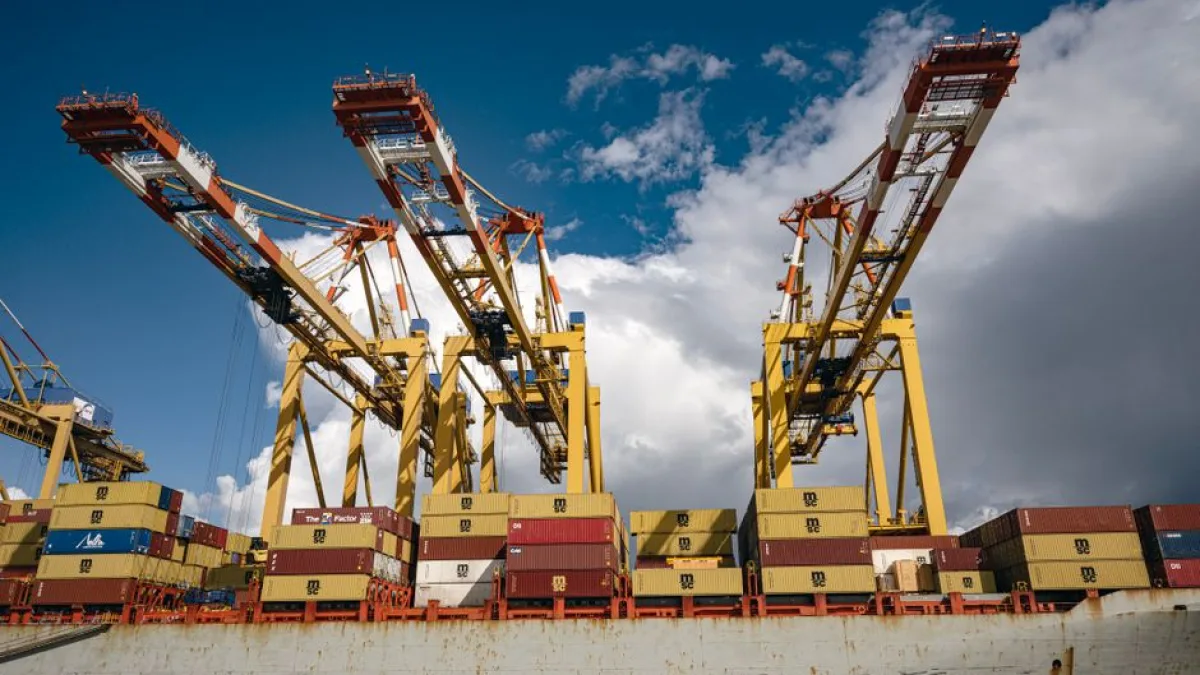
Automated booking systems serve as the backbone of modern freight forwarding by reducing administrative burdens and minimizing human error during data entry. By digitizing requests, forwarders can respond to client inquiries faster and secure vessel space with greater accuracy and speed.
- Real time scheduling: Integrated systems provide live access to carrier schedules, allowing your team to compare routes and transit times instantly to ensure the best possible match for clients.
- Instant rate quotes: Automated pricing engines calculate costs immediately based on current market data, removing the need for manual calculations and helping you secure bookings with rapid speed.
- Centralized document management: Storing all booking confirmations and shipping documents in one secure digital repository reduces the risk of misplaced files and ensures compliance with international maritime trade regulations.
- Improved partner communication: Seamless data exchange platforms enable instant updates between forwarders and ocean carriers, eliminating the reliance on slow email threads and manual telephone calls for routine operations.
Digital booking platforms transform the chaotic nature of manual logistics into a structured, reliable process. When your team spends less time fighting with spreadsheets, they gain valuable hours to focus on high-value client relationships and strategic growth. By choosing the right software, forwarders can enhance their operational efficiency, reduce the total cost of business, and deliver a superior booking experience that keeps clients returning.
Enhancing Real Time Visibility
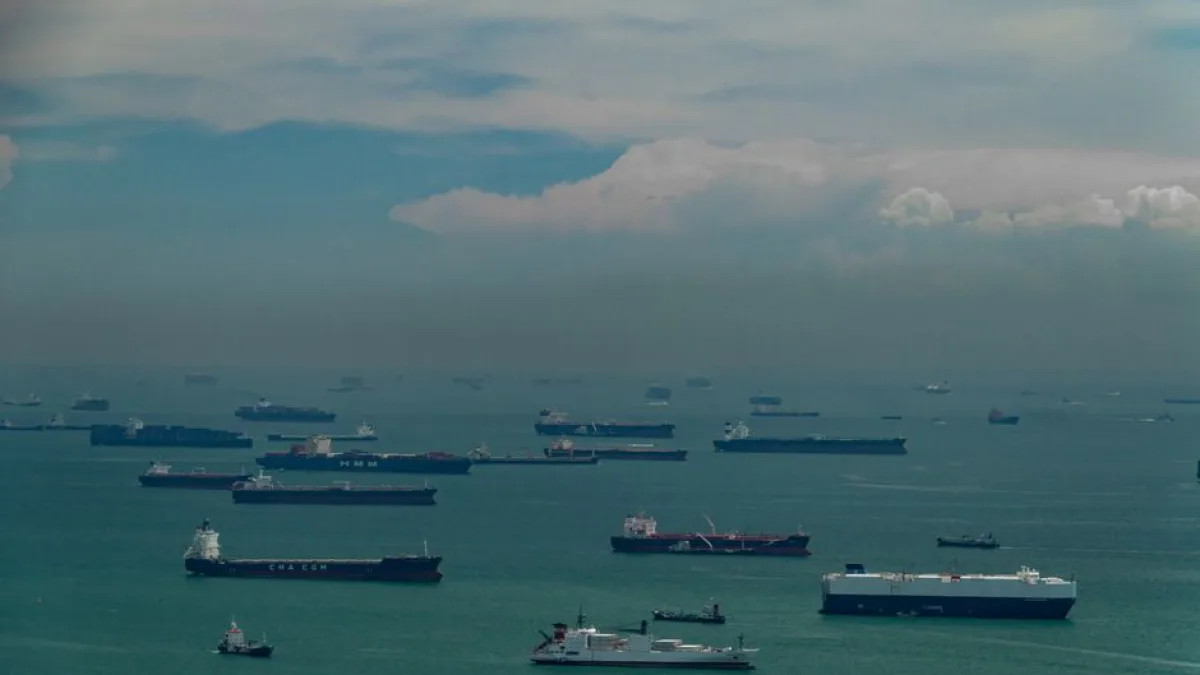
Real-time visibility allows freight forwarders to provide accurate updates to clients, building trust through transparency. Knowing the exact status of a shipment at any given moment helps proactive teams manage expectations during unexpected port delays or vessel adjustments.
- Live GPS tracking: Satellite connectivity provides exact vessel location data, allowing forwarders to monitor progress and provide clients with accurate arrival estimates throughout the entire ocean transit journey.
- Port congestion alerts: Early notifications about vessel berthing delays empower your team to advise clients on potential risks before they impact the final delivery or supply chain schedules.
- Automated status notifications: Smart software triggers instant updates to customers based on milestone events, ensuring stakeholders remain informed without requiring manual intervention from your customer service team members.
- Exception management tools: Advanced analytics detect potential disruptions early, giving your team the necessary lead time to arrange alternative routing options and maintain overall supply chain fluidity consistently.
Visible operations are the hallmark of a professional freight forwarder. When clients can track their cargo journey through an intuitive portal, your internal support team faces fewer routine inquiries. This level of transparency not only differentiates your services in a crowded market but also fosters long-term loyalty. Investing in visibility tools is essential for maintaining control over complex international shipping lanes today.
Optimizing Documentation Workflow

Managing global ocean freight requires processing vast amounts of paperwork, from bills of lading to commercial invoices. Digitizing these documents is the most effective way to prevent delays at customs and ensure a smooth flow of goods across borders.
- Cloud based storage: Secure online vaults ensure that all essential shipping documents are accessible from any location, facilitating collaboration across different global offices and time zone variations.
- OCR data extraction: Modern software uses optical character recognition to pull data from scanned documents, which significantly reduces manual entry errors and speeds up the entire documentation process.
- Digital signature integration: Supporting electronic signatures allows for the rapid approval of critical shipping documents, cutting down the wait times typically associated with traditional paper based courier services.
- Compliance validation checks: Built in logic tests ensure that every document meets local customs requirements before submission, which helps prevent costly fines and prevents shipment holds at ports.
A digitized documentation workflow acts as the shield against costly regulatory bottlenecks. By ensuring that every file is accurate, compliant, and instantly available, you protect your clients from unnecessary delays and penalties. Moving away from physical paperwork streamlines your operations, lowers your carbon footprint, and positions your firm as a modern leader capable of handling high volume trade with efficiency and precision.
Managing Carrier Relationships

Effective carrier management is critical for securing space and competitive rates during peak season demand. Strong partnerships built on data-driven insights lead to better service quality and improved reliability for your most important shipping clients worldwide.
- Performance analytics reporting: Tracking carrier performance metrics helps you identify the most reliable partners, ensuring that you consistently choose the best options based on historical service data analysis.
- Centralized rate management: Maintaining a digital library of carrier contracts simplifies rate retrieval and ensures that your sales team always applies the most current and accurate pricing.
- Volume forecasting tools: Predicting your future shipping needs helps you negotiate better space allocations and improved service levels with major ocean carriers during your quarterly contract review meetings.
- Dispute resolution logs: Keeping a clear record of service issues and outcomes allows for constructive dialogue with carriers, leading to better long-term cooperation and improved service standards overall.
Strong carrier relationships are your best asset when market capacity tightens. By leveraging data to manage these partnerships, you move from being a simple service provider to a strategic logistics partner. This proactive approach ensures you always have the necessary leverage to secure space for your clients, even during times of extreme market disruption. Reliable carriers are key to sustainable growth and profitability.
Conclusion
Optimizing your ocean freight operations requires a combination of smart technology and strategic management. By digitizing bookings, improving visibility, streamlining documentation, and fostering strong carrier partnerships, your business can thrive despite market challenges. Use MakeCargo to bring all these elements together in one powerful platform. Start transforming your maritime logistics today to ensure long-term success and provide exceptional value to your global clients.