Optimizing Ocean Freight Operations in a Digital Era
Saturday, October 31 2026

The global shipping landscape is evolving at an unprecedented pace, demanding higher levels of agility and precision from freight forwarders. As supply chain complexities mount, manual processes often lead to costly delays and visibility gaps that hinder growth. By integrating sophisticated software solutions, forwarders can reclaim control over their operations while enhancing the overall customer experience. This article explores how modern digital tools empower professionals to master complex logistics challenges, maintain compliance, and drive efficiency in an increasingly competitive ocean freight market. Embracing technology is no longer a luxury but a fundamental necessity for companies aiming to thrive.
Streamlining Booking Processes
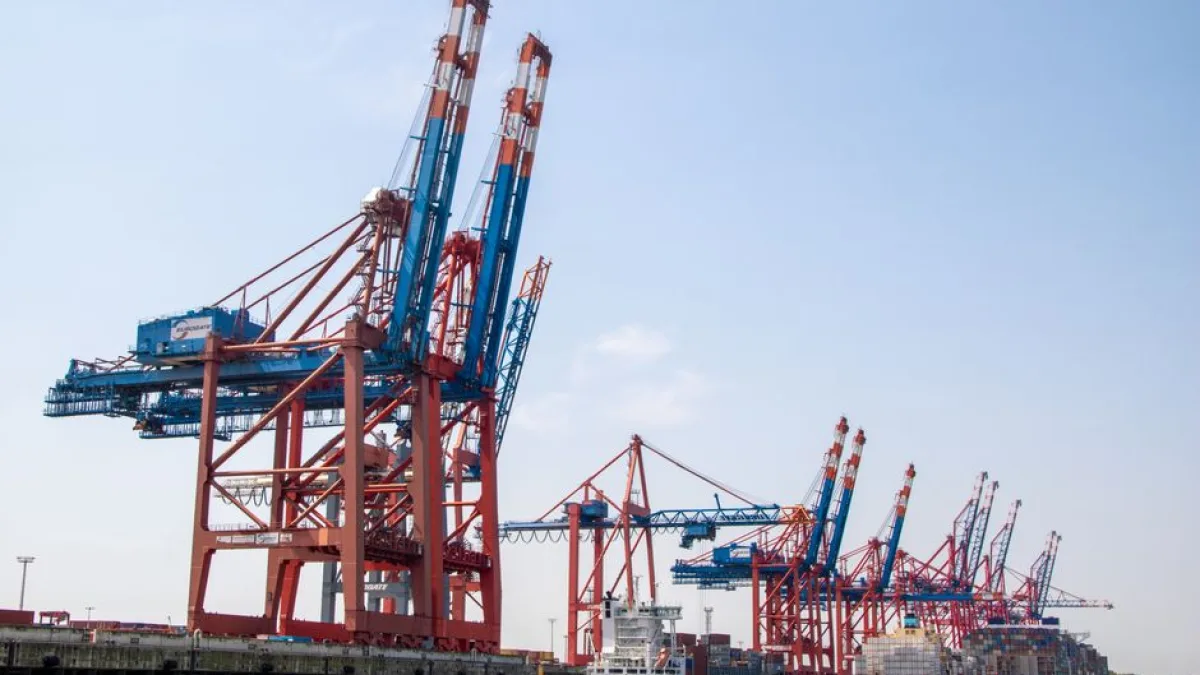
Modern digital platforms transform how bookings are handled by eliminating manual data entry tasks that slow down teams. By utilizing automated workflows, forwarders can provide instant quotes and confirmations, ensuring that every shipment is processed with speed and high accuracy.
- Instant Quote Generation: Automated systems allow forwarders to calculate precise shipping costs in seconds by pulling real-time data from multiple carriers, which helps in securing clients through rapid responses.
- Centralized Booking Portals: Unified dashboards provide a single source of truth where all customer requests are organized, preventing communication errors and ensuring that no booking details are overlooked.
- Carrier Integration Tools: Direct connections with major ocean carriers enable seamless transmission of booking instructions, significantly reducing the administrative burden typically associated with traditional manual data input methods.
- Automated Validation Rules: Smart software checks every entry against regulatory requirements and carrier constraints, ensuring that documentation is perfect before it reaches the authorities or the shipping line.
Transitioning to automated booking systems drastically reduces the time spent on repetitive tasks while minimizing human errors that cause shipment delays. Forwarders who adopt these tools can redirect their focus toward high-value activities like relationship building and strategic market expansion. This shift ultimately fosters a more professional workflow that builds trust with shippers who demand speed and reliability in their complex supply chain operations.
Enhancing Real Time Visibility

Visibility is the backbone of successful ocean freight management, as clients expect constant updates regarding the status of their cargo. Advanced tracking solutions provide deep insights into shipment locations, allowing forwarders to manage exceptions effectively and maintain communication.
- Live Tracking Maps: Interactive visual tools display the precise location of vessels and containers, providing clients with an intuitive interface to monitor their goods during international transit routes.
- Automated Status Alerts: Proactive notification systems send instant updates to customers regarding arrival times, port delays, or milestones, keeping all stakeholders informed without requiring constant manual inquiries.
- Exception Management Tools: Dedicated monitoring modules detect potential disruptions early, giving forwarders the necessary time to reroute shipments or inform clients before major problems impact the business.
- Historical Data Analytics: Aggregated tracking data allows companies to analyze past performance patterns, helping them identify areas where transit times can be shortened or optimized further.
Real-time visibility tools bridge the communication gap between freight forwarders and their clients, fostering transparency and trust. When stakeholders receive automatic updates, the need for manual status reports vanishes, saving valuable time for the logistics team. Investing in these digital tracking capabilities positions forwarders as leaders who prioritize transparency, which is a key differentiator in a crowded and highly competitive freight market.
Optimizing Documentation Management

Effective management of shipping documents is essential for ensuring smooth customs clearance and regulatory compliance across borders. Digital platforms simplify the creation, storage, and retrieval of critical files to prevent documentation bottlenecks that often delay ocean freight shipments.
- Cloud Based Storage: Secure digital repositories keep all shipment documents organized in one place, allowing team members to access vital files from anywhere in the world at any time.
- Electronic Document Templates: Standardized templates for bills of lading and invoices ensure consistency across all shipments, helping to avoid formatting errors that frequently cause customs clearance issues.
- Automated Workflow Approval: Integrated digital signatures and approval chains streamline the verification process, allowing managers to review and sign documents remotely to keep the supply chain moving.
- Regulatory Compliance Checks: Built-in tools automatically review documents for missing fields or incorrect data, ensuring compliance with international maritime laws and local port authority specific requirements globally.
A digitized approach to documentation mitigates the risks associated with manual paper shuffling and physical storage challenges. By centralizing these assets, forwarders achieve greater operational speed and audit readiness, which is crucial during peak shipping seasons. Embracing electronic management not only saves physical space but also improves the security of sensitive client information, ensuring that every document remains compliant and accessible.
Improving Financial Performance

The financial side of ocean freight requires careful attention to detail, especially regarding complex invoicing and profit margin analysis. Digital software platforms offer powerful tools to automate billing and provide deep insights into the profitability of specific shipping routes.
- Automated Invoice Creation: Software automatically generates professional invoices based on booking data, ensuring that billing is always accurate and dispatched immediately upon the completion of shipping services.
- Margin Analysis Reports: Advanced reporting features analyze costs versus revenue for each shipment, enabling forwarders to identify high-profit routes and optimize pricing strategies for future customer contracts.
- Payment Tracking Systems: Integrated financial modules help teams monitor payment statuses in real time, reducing the time spent on collections and improving overall company cash flow health.
- Custom Currency Handling: Multi-currency support simplifies international trade by automatically calculating exchange rates and adjusting invoices, which helps avoid errors during transactions with global partners and vendors.
Financial automation turns complex accounting tasks into manageable processes that support sustainable business growth. By gaining a clear view of costs and profits, forwarders can make data-driven decisions that improve their bottom line while providing better value to customers. Strong financial tools allow the team to focus on scaling the business rather than getting trapped in the details of manual bookkeeping.
Conclusion
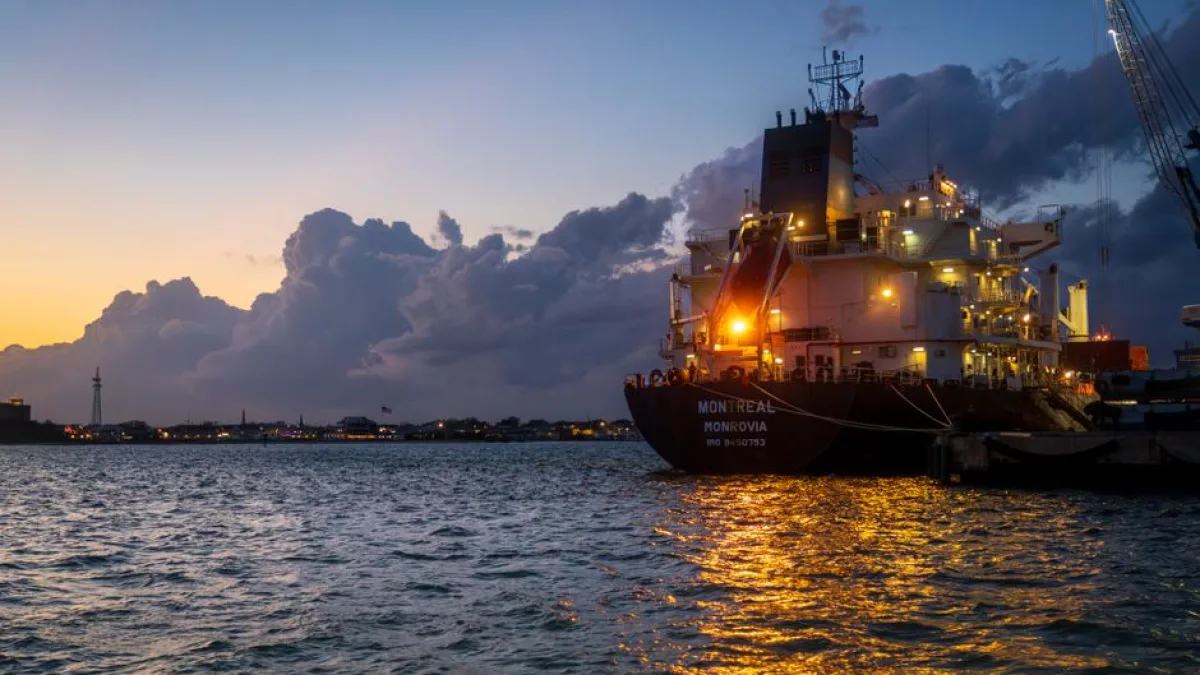
Mastering ocean freight requires a combination of industry expertise and the right digital tools to maintain a competitive advantage. By automating bookings, enhancing visibility, digitizing documents, and optimizing finances, forwarders can build resilient supply chains. Now is the ideal time to evaluate your current software stack and explore how modern cloud solutions can transform your daily logistics operations for better future results.