Optimizing Ocean Freight Operations in a Digital Era
Saturday, October 31 2026
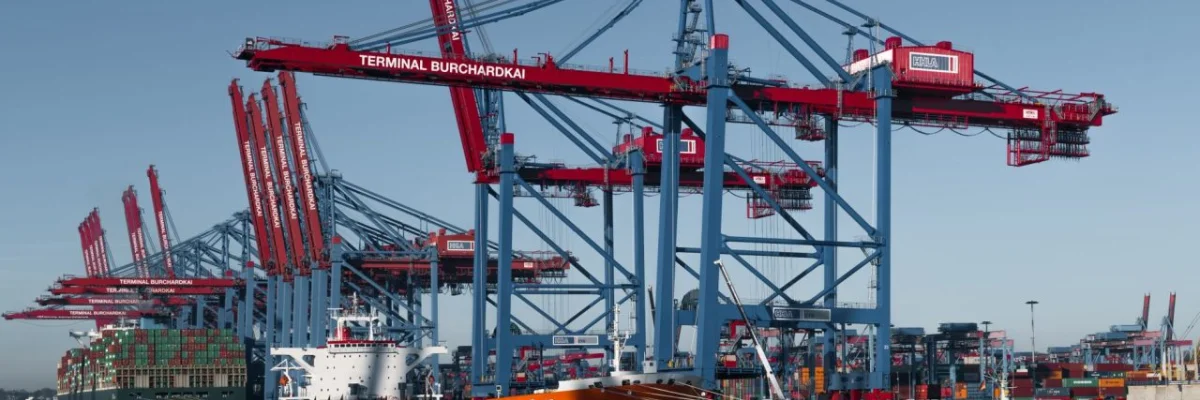
Navigating the complex landscape of international maritime logistics requires more than just traditional coordination. Today, freight forwarders face unprecedented challenges ranging from volatile container rates to fluctuating fuel costs and changing environmental regulations. By leveraging cloud-based platforms, logistics professionals can transform these hurdles into competitive advantages through enhanced visibility and automated workflows. Modern freight forwarding is no longer merely about moving boxes from port to port but about mastering data-driven insights to provide value-added services to global shippers. Embracing digital transformation is the definitive step toward achieving operational excellence and ensuring long-term resilience in the face of shifting global trade dynamics.
Mastering Container Capacity Management
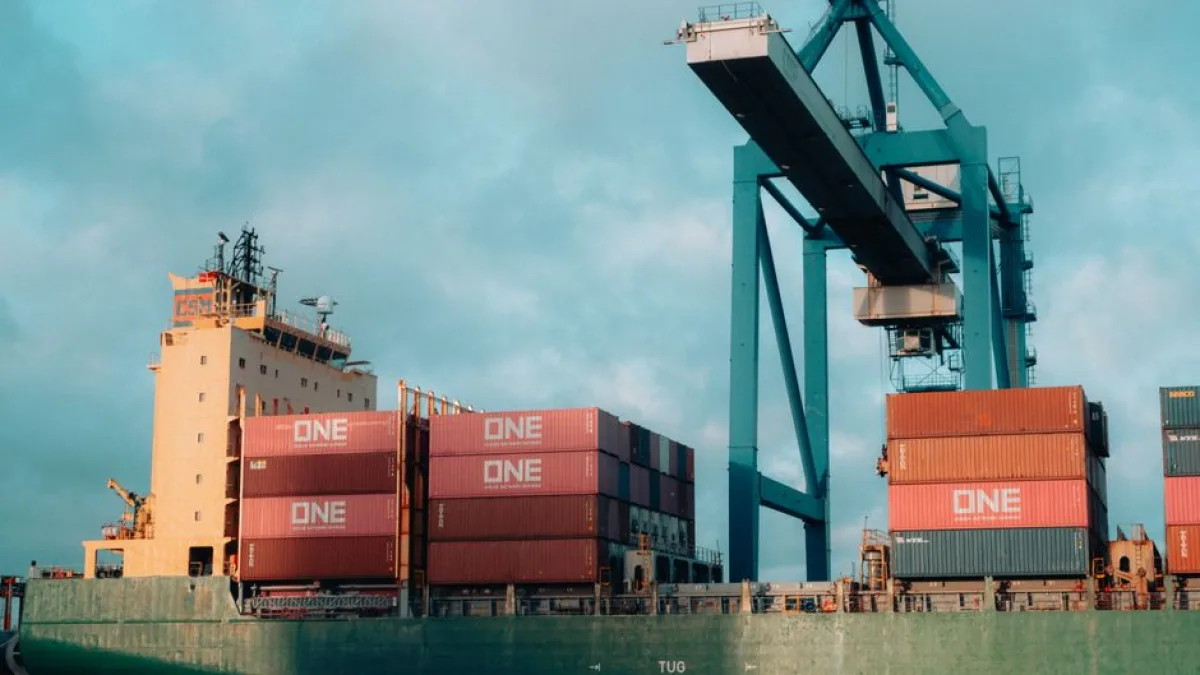
Effective capacity management acts as the backbone of successful ocean freight operations. By anticipating space availability and demand fluctuations, forwarders can better negotiate rates with carriers and ensure that their clients receive reliable service during even the most turbulent peak seasons.
- Proactive Space Booking: Securing allocations in advance helps forwarders avoid last-minute price surges and ensures that shipments move according to the schedule without facing any unexpected vessel rollovers.
- Rate Benchmarking Tools: Comparing carrier prices in real time allows teams to select the most cost-effective routes while maintaining the service standards that their shippers expect for freight.
- Carrier Performance Tracking: Monitoring vessel arrival reliability enables forwarders to warn clients about potential delays before they impact the supply chain or lead to expensive warehouse storage fees.
- Multi-Carrier Strategy Implementation: Diversifying carrier partnerships reduces dependency on single lines, offering flexible solutions when disruptions occur at major global transshipment hubs or primary port terminals.
Strategic management of container space requires a blend of historical data analysis and forward-looking market sentiment. When freight forwarders transition from reactive bookings to proactive capacity planning, they gain the ability to navigate supply chain bottlenecks with greater confidence. This shift not only protects margins but also fosters deep trust with shippers who rely on consistent performance during periods of massive market volatility.
Leveraging Real-Time Shipment Tracking

Visibility is the new currency in the world of ocean freight logistics today. Customers demand precise, real-time updates regarding their cargo locations, forcing forwarders to adopt sophisticated tracking technologies that provide transparency from the moment of pickup until the final delivery.
- Automated Milestone Alerts: Configuring notifications for key events like gate-in or vessel departure keeps clients informed without the need for manual status updates from your operations team.
- Integrated API Feeds: Connecting your management software directly to carrier systems ensures that all tracking data remains accurate and flows seamlessly into your centralized project dashboard.
- Exception Management Workflow: Identifying delays early allows your staff to communicate proactive solutions to the consignee before the situation becomes an urgent issue requiring costly expedited intervention.
- Custom Dashboard Visualization: Providing clients with a branded portal view of their active shipments strengthens the professional relationship and reduces the volume of repetitive status inquiry emails.
Visibility platforms serve as the bridge between operational tasks and client satisfaction. By eliminating blind spots within the ocean journey, freight forwarders can optimize their internal communication and reduce administrative overhead significantly. When clients have 24/7 access to accurate shipment data, they are far more likely to remain loyal, viewing your services as an essential extension of their own internal logistics departments.
Optimizing Documentation and Compliance

Managing maritime documentation manually is a recipe for errors and delays in modern shipping. Automating the creation of bills of lading and commercial invoices ensures that every shipment adheres to international trade regulations while drastically reducing the time spent on repetitive tasks.
- Automated Form Population: Syncing shipment data with document templates prevents data entry errors and ensures that all mandatory information is presented correctly for customs clearance procedures globally.
- Secure Cloud Storage: Maintaining a digital repository for every bill of lading and export declaration simplifies audit processes and makes retrieving old records an instantaneous task.
- Regulatory Update Integration: Automatically adjusting document fields to match changing customs requirements helps your company avoid non-compliance fines or costly shipments being held at port.
- Digital Signature Workflow: Facilitating secure e-signatures speeds up the approval process, allowing teams to finalize essential paperwork from any location without needing physical meetings or courier services.
Streamlined documentation processes are essential for scaling a freight forwarding business efficiently. By minimizing the time spent on manual data entry and document verification, your team can refocus their energy on strategic account management and high-level problem solving. Furthermore, digital compliance tools act as a safeguard against costly human errors, ensuring that all trade activities remain fully transparent and audit-ready at all times.
Enhancing Client Collaboration Tools

Communication serves as the glue holding complex supply chains together. Providing clients with interactive collaboration tools fosters a sense of partnership rather than a mere transaction, helping forwarders position themselves as key strategic consultants rather than simple service providers within the industry.
- Interactive Client Portal: Allowing customers to book shipments, download documents, and request quotes in one unified interface improves the overall user experience and shortens the sales cycle.
- Internal Team Messaging: Integrating communication tools within your software keeps all project-related conversations in one place, ensuring that history is preserved and accessible to every staff member.
- Automated Quotation Engine: Providing instant responses to inquiries ensures you win more business while reducing the time your team spends calculating complex freight rates and surcharges.
- Feedback Loop Integration: Gathering regular input from your clients allows for continuous improvement of your service offerings and identifies potential areas for future software feature development.
Collaboration tools represent a powerful opportunity to differentiate your freight forwarding firm from competitors. By creating a unified digital space for information exchange, you minimize the risk of miscommunication and ensure that every stakeholder stays perfectly aligned. This structured approach to client interaction boosts operational efficiency and creates a seamless experience that encourages long-term partnerships and drives sustainable business growth for years.
Conclusion

Success in ocean freight management relies on the integration of smart software and clear operational strategies. By adopting digital solutions that handle capacity, tracking, documentation, and communication, forwarders can drastically improve their service quality. Start optimizing your freight operations today by visiting the MakeCargo website to see how our platform can help you scale effectively and stay ahead of the curve in global trade.