Optimizing Ocean Freight Operations in a Digital Era
Saturday, September 12 2026
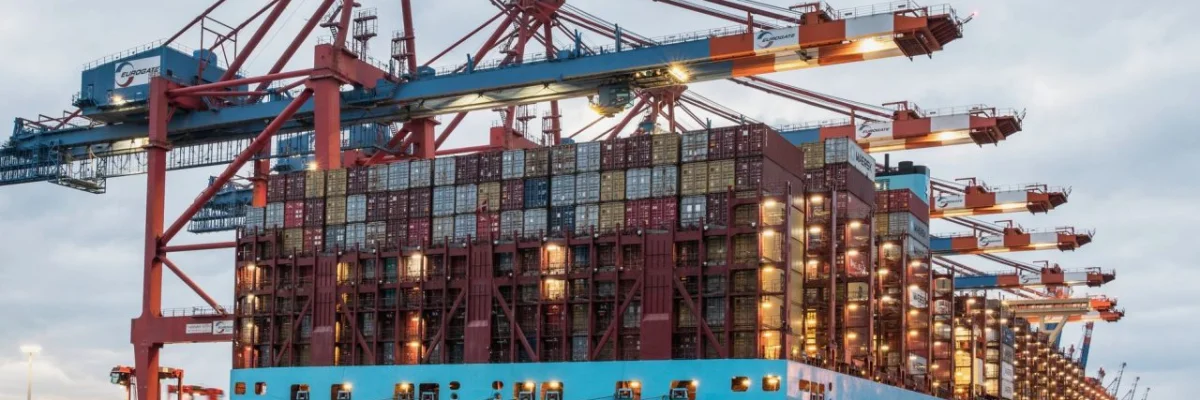
Modern ocean freight faces unprecedented volatility, demanding that freight forwarders leverage advanced technology to remain competitive. As global supply chains grow more complex, the need for real time visibility and automated documentation has transitioned from a luxury to a baseline requirement for operational survival. Companies that rely on legacy systems often struggle with manual data entry errors and slow communication cycles, which ultimately erode profit margins. By integrating cloud-based platforms, forwarders can synchronize their workflows, enhance carrier collaboration, and provide clients with the transparency they demand, ensuring that cargo moves across the globe with maximum efficiency and minimal disruption.
Digitizing Documentation Workflows

Transitioning from paper-based manual documentation to cloud-based systems allows teams to reduce administrative burdens significantly. When files are centralized, access speeds improve, allowing staff to handle complex customs filings and bill of lading generation with greater speed and far superior accuracy.
- Automated Data Entry: Cloud platforms capture data directly from digital shipping documents to eliminate repetitive manual entry tasks, drastically reducing human errors that often cause costly customs delays during transit.
- Centralized Document Storage: Secure digital repositories allow multiple stakeholders to access essential shipping files simultaneously from any location, fostering seamless collaboration between customs brokers, carriers, and international logistics operations teams.
- Version Control Systems: Advanced software tracks all changes made to digital paperwork, ensuring that every team member works from the most current file version to prevent miscommunications during auditing.
- Instant File Sharing: Secure links enable forwarders to share bills of lading or invoices with overseas partners instantly, removing the latency associated with traditional email attachments and physical courier services.
Adopting digital workflows serves as the foundation for scalability in the logistics industry. By eliminating the reliance on physical paper, your agency can accelerate turnaround times for critical shipping documents. This shift not only enhances your team productivity but also provides a more professional interface for your clients, fostering long term trust and ensuring your operations remain agile enough to handle unpredictable market fluctuations effectively.
Enhancing Real Time Tracking
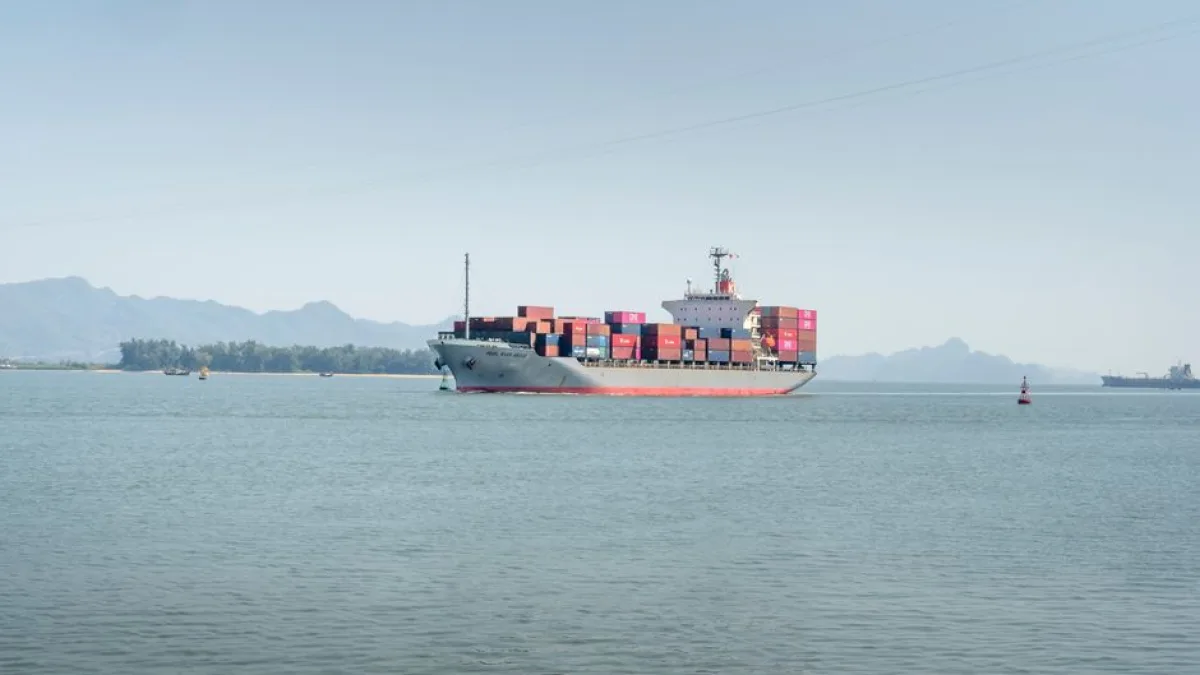
Global shippers now expect instantaneous updates on their cargo status regardless of time zones. Providing granular visibility throughout the ocean transit phase allows forwarders to proactively manage exceptions rather than reacting to delayed notifications after problems have already occurred during shipment.
- GPS Tracking Integration: Direct API connections with major ocean carriers provide precise location data, enabling your software to push accurate updates to customers without requiring manual status checks.
- Exception Management Alerts: Intelligent systems trigger automated notifications when a vessel deviates from its scheduled route, allowing your operations team to address potential delays before they impact delivery.
- Vessel Schedule Monitoring: Continuous monitoring of carrier schedules ensures that forwarders remain informed about port congestion or blank sailings, providing the ability to offer proactive client advice early.
- Customer Transparency Portals: Branded tracking pages allow your clients to view their live shipment progress, which significantly lowers the volume of status update inquiries for your support staff.
Proactive tracking is the hallmark of a high performance freight forwarding agency. By moving away from reactive updates, you demonstrate superior service levels that clients value in volatile markets. This level of transparency converts standard shipping services into high value partnerships, as customers feel secure knowing that their cargo is constantly monitored by a team that remains ready to act if challenges arise.
Optimizing Carrier Management
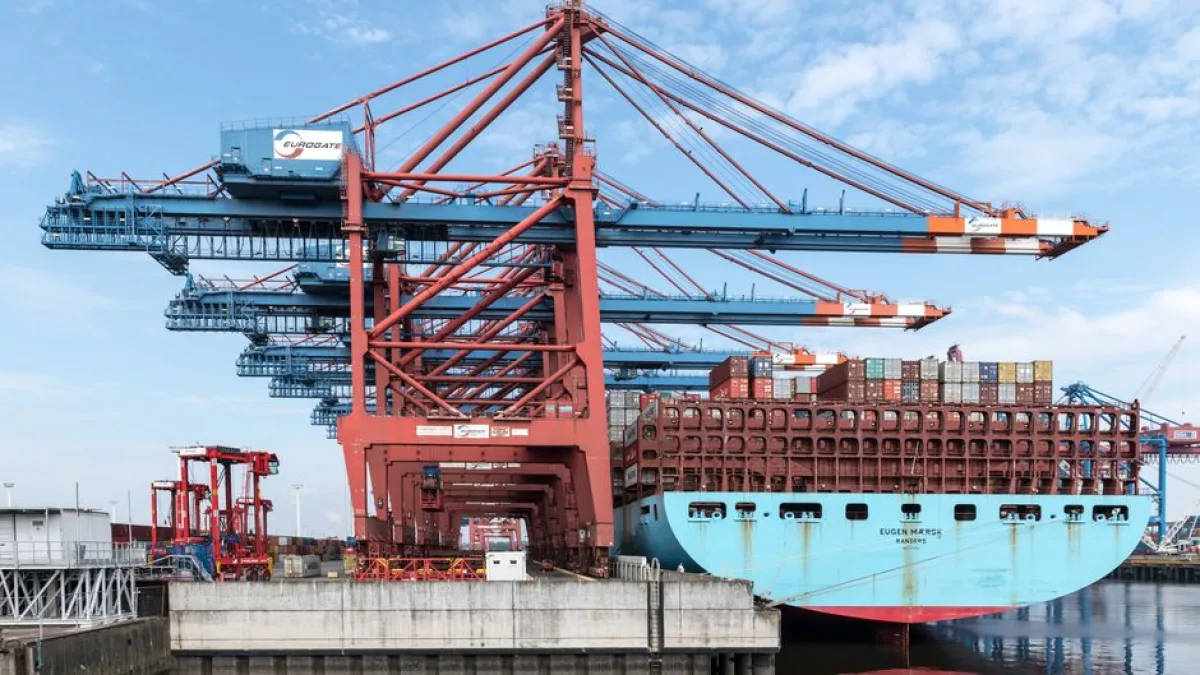
Managing multiple ocean carriers effectively requires a unified view of available capacity and negotiated rates. Forwarders who leverage software to compare carrier performance metrics can make data driven decisions that optimize routes, reduce costs, and improve overall supply chain reliability today.
- Performance Analytics Dashboards: Analytical tools visualize carrier performance across key metrics like reliability and transit times, helping you identify which partners provide the best value for your needs.
- Automated Rate Management: Centralized databases store current ocean freight rates, enabling your team to generate accurate quotes for clients in seconds rather than hours of manual calculation.
- Capacity Utilization Tracking: Software monitors space usage across various carrier contracts, ensuring that you optimize container volume and take advantage of all available pre-negotiated volume based discounts.
- Automated Partner Communication: Integrated messaging systems streamline communication with ocean carriers, allowing for rapid booking confirmations and simplified resolution of any issues related to documentation or cargo handling.
Streamlined carrier management is essential for maintaining healthy profit margins in ocean freight. By leveraging data to select the most reliable and cost-effective shipping lines, you improve your service quality while simultaneously reducing overhead expenses. This systematic approach to carrier relations ensures that your business remains resilient against market price fluctuations and capacity constraints, allowing you to provide consistently competitive options to your shipping partners.
Streamlining Financial Reconciliation

Financial health in freight forwarding depends on the speed and accuracy of invoice processing and cargo payment tracking. Automated financial tools simplify the reconciliation process by matching ocean freight invoices against booking data, ensuring that your company never loses money on discrepancies.
- Automated Invoice Auditing: Systems automatically flag discrepancies between carrier invoices and initial quotes, allowing you to resolve overcharges immediately before processing payments to your international shipping partners.
- Cash Flow Visibility: Real time reporting tools provide instant access to accounts receivable and payable, giving leadership teams the data required to make sound financial business decisions.
- Currency Conversion Tools: Integrated finance modules handle multiple currencies automatically, eliminating the need for manual calculations and reducing the risk of errors during complex international freight transactions.
- Streamlined Billing Cycles: Automated billing processes reduce the time between cargo delivery and final invoice issuance, significantly improving your company cash flow and reducing outstanding debt cycles.
Efficient financial reconciliation is the backbone of a profitable logistics firm. By automating the auditing and payment processes, you reduce the risk of administrative errors that frequently plague manual accounting systems. This level of fiscal control allows your team to focus on high-growth activities rather than getting bogged down in repetitive financial tasks, ultimately securing your competitive edge within the global freight market.
Conclusion
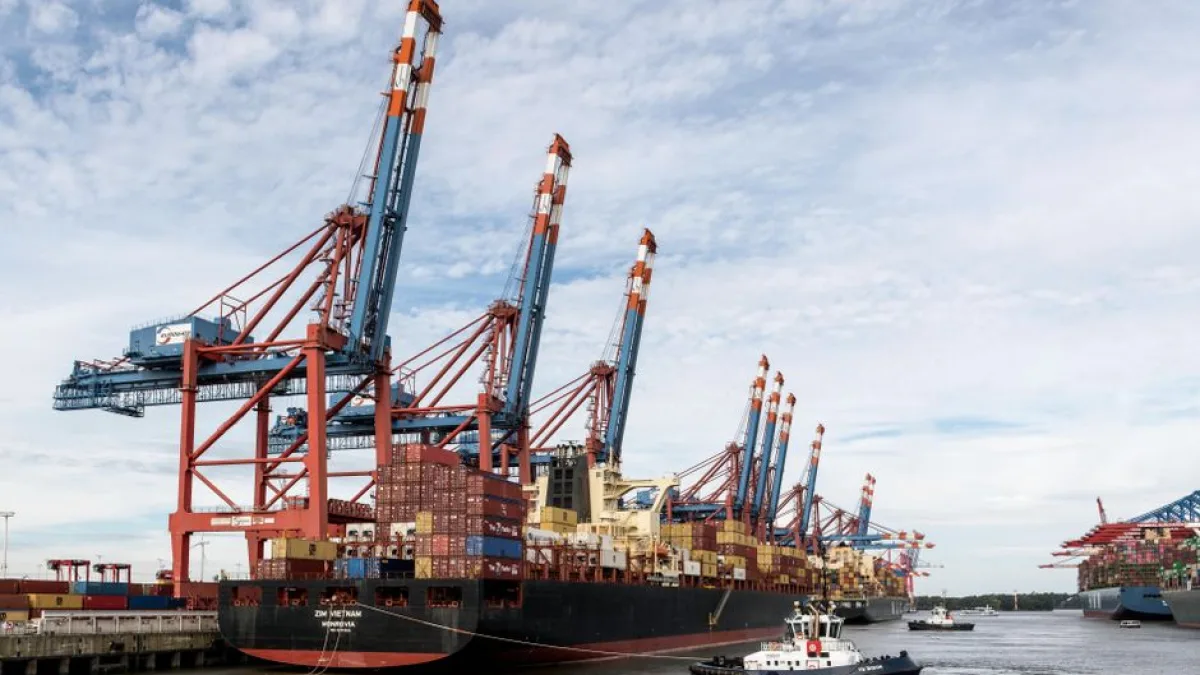
Advancing your freight forwarding operations requires a blend of smart technology and strategic process improvements. By digitizing documents, automating tracking, managing carriers with data, and refining financial processes, you position your agency for long-term growth. Embracing these cloud-based solutions today ensures that you remain relevant in an evolving industry. Explore the MakeCargo platform to discover how you can start transforming your ocean freight operations immediately.