Optimizing Ocean Freight Operations for Modern Forwarders
Sunday, September 27 2026
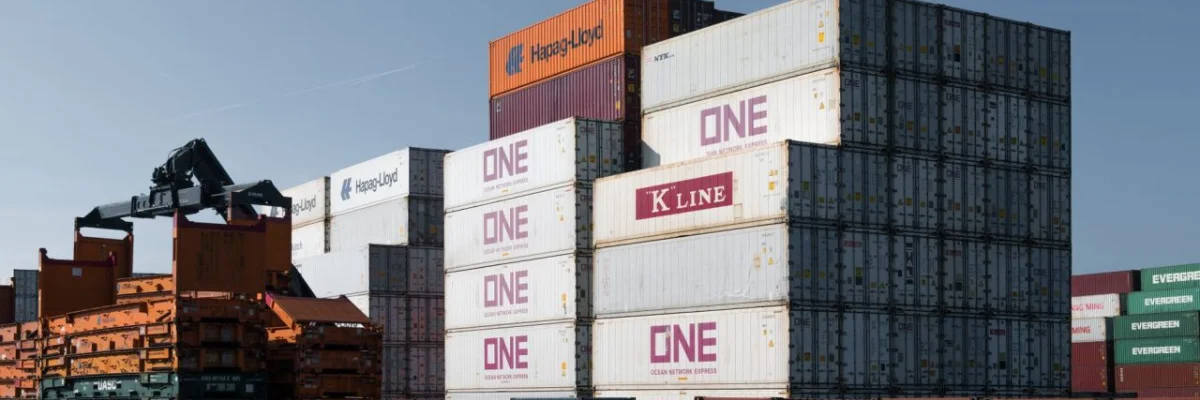
The global ocean freight landscape is undergoing a massive transformation driven by rapid technological advancement and evolving supply chain demands. Forwarding professionals are no longer just booking space; they are managing complex data ecosystems while fighting against volatility and rising operational costs. To maintain a competitive edge, firms must pivot toward automated workflows and real-time visibility tools that replace outdated manual processes. By embracing digital solutions, freight forwarders can effectively navigate current logistical hurdles, improve customer communication, and ensure that their services remain both profitable and resilient in an unpredictable international trade environment. The future of logistics relies on this strategic transition.
Digital Documentation Efficiency
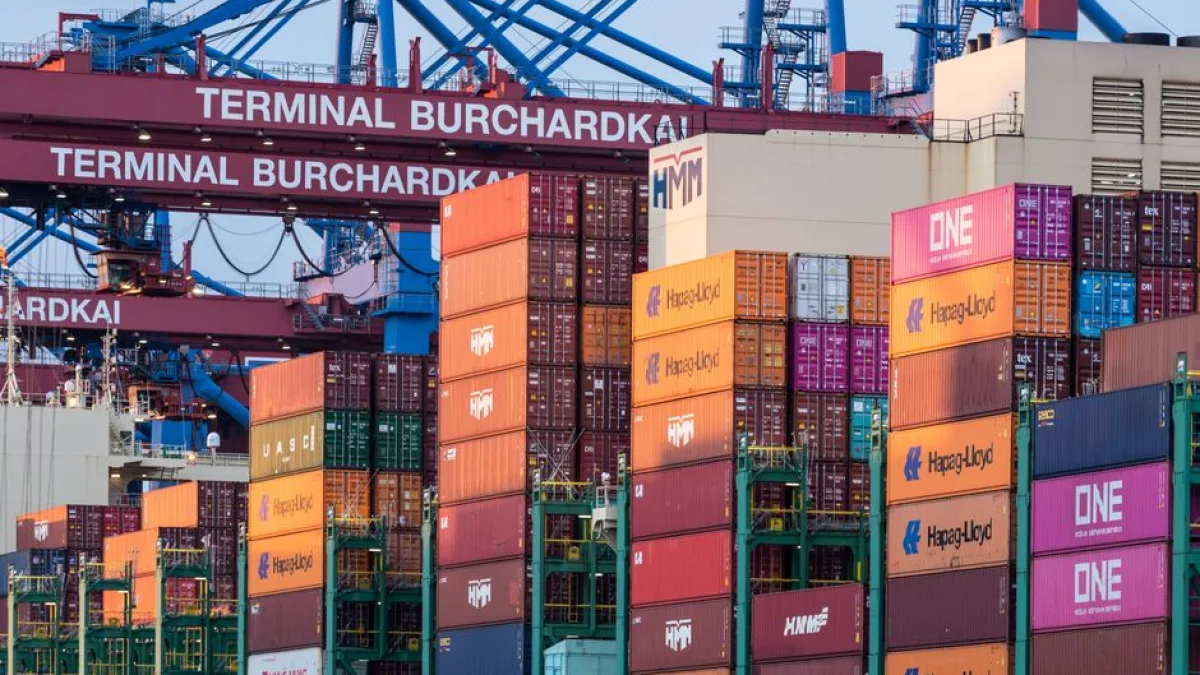
Managing bills of lading and commercial invoices requires precision and speed to avoid costly port delays. Modern software allows teams to centralize every document into a single cloud-based repository, ensuring that every stakeholder has immediate access to the latest shipment updates.
- Centralized document management: Consolidating shipping documents into one digital hub eliminates the risk of human error associated with traditional paper handling and improves overall transparency across your global team.
- Automated data extraction: Intelligent optical character recognition tools scan your invoices to capture key data points instantly, drastically reducing the time spent on manual entry and administrative verification tasks.
- Secure document sharing: Encrypted cloud environments provide a safe way to share sensitive trade documents with carriers and customs brokers without relying on insecure email attachments or physical courier services.
- Version control tracking: Maintaining a clear audit trail of all file revisions prevents confusion during the clearance process and ensures compliance with international trade regulations and maritime standard requirements.
- Mobile access functionality: Field agents and warehouse staff can upload or view critical documents directly from their mobile devices, keeping the entire supply chain moving without unnecessary office delays.
Transitioning to a paperless environment fundamentally changes how forwarders handle high volumes of ocean cargo. When your team stops chasing paper, they gain hours of productivity every week. This shift not only lowers the risk of lost paperwork but also accelerates the entire billing and clearance cycle, allowing your business to handle higher shipment volumes without the need for additional administrative staff members.
Real Time Shipment Visibility

Shippers expect constant updates regarding their cargo status as it traverses the ocean. Providing transparent, live tracking data helps build trust and demonstrates professional reliability in an industry where information gaps can lead to significant frustration for your clients.
- Live vessel tracking: Integration with global maritime databases allows you to monitor vessel positions in real time, providing accurate estimated arrival times for your clients and planning logistics accordingly.
- Exception alert systems: Automated notifications warn you the moment a vessel deviates from its scheduled route, enabling proactive communication with shippers to manage expectations before problems arise.
- Carrier portal integration: Direct API connections with major steamship lines pull status updates directly into your software, removing the need to log into multiple different carrier web portals.
- Milestone tracking dashboards: Visual dashboards categorize shipments by their current status, making it easy to identify which containers require immediate attention or manual follow up by the operations team.
- Client portal access: Offering your customers a self-service login to view shipment progress saves your support staff time by reducing the volume of status inquiry emails and phone calls.
Visibility serves as the bedrock of modern customer satisfaction strategies in freight forwarding. By proactively sharing accurate location data, you eliminate the mystery that often plagues ocean transit. This transparency turns a standard commodity service into a premium experience. As clients feel more in control of their supply chain, their loyalty to your firm deepens, creating a sustainable competitive advantage in a crowded market.
Automated Carrier Rate Management

Sourcing and comparing ocean freight rates manually is a tedious task that often leads to missed opportunities. Automation simplifies the process of finding the best carrier options by comparing multiple routes and cost variables against your unique customer shipping requirements.
- Dynamic rate comparison: Quickly compare spot rates and contract pricing across multiple carriers side by side, ensuring you always select the most cost effective solution for every shipment.
- Real time surcharges: Automated systems update bunker adjustment factors and other variable surcharges instantly, protecting your profit margins from unexpected carrier fee changes during the booking process.
- Bulk quote generation: Create professional and branded customer quotes in seconds rather than minutes by pulling current rates directly from your database into a standardized digital document format.
- Carrier allocation logic: Intelligent software suggests carriers based on your previous performance data, helping you balance your volume commitments while maintaining high service levels for all your accounts.
- Margin monitoring tools: Set automatic profitability thresholds on every booking to ensure that your sales team never accepts a job that falls below your target net revenue margins.
Profitability depends on your ability to make fast and accurate pricing decisions. When you remove the manual burden of rate management, your team can focus on complex routing strategy and customer relationship building. Precise pricing minimizes financial risks associated with fluctuating market rates. By leveraging technology to optimize your carrier selection, you protect your bottom line while consistently delivering value to your shipping clients.
Streamlined Operational Collaboration

Breaking down internal silos is essential for effective ocean freight operations. When logistics, sales, and accounting departments work on a shared platform, every team member has access to the information needed to resolve complex shipping issues quickly and efficiently.
- Unified data access: Shared workspaces ensure that every department sees the same shipment updates, preventing internal miscommunication and reducing the duplication of work across different company functional areas.
- Internal task delegation: Use built-in task managers to assign specific shipping responsibilities to different team members, ensuring that every shipment milestone is completed on time and verified by management.
- Integrated accounting modules: Sync freight booking data automatically with your accounting software to speed up the invoicing process and reduce errors during the reconciliation of heavy ocean shipments.
- Customer inquiry management: Centralizing all client communication within the shipment record creates a clear history of interactions, preventing important details from getting buried in busy individual email inboxes.
- Performance analytics reporting: Use consolidated data to generate detailed reports on carrier reliability and department efficiency, which helps leadership make informed decisions about future business growth and investments.
Collaboration is the invisible engine that drives successful forwarding operations. When your staff communicates through a unified platform, the speed of your service increases significantly. Problems are spotted early, addressed collaboratively, and resolved before they impact the end customer. This synergy between departments transforms a collection of individual contributors into a high performing logistics team capable of scaling operations without increasing overall stress levels.
Conclusion
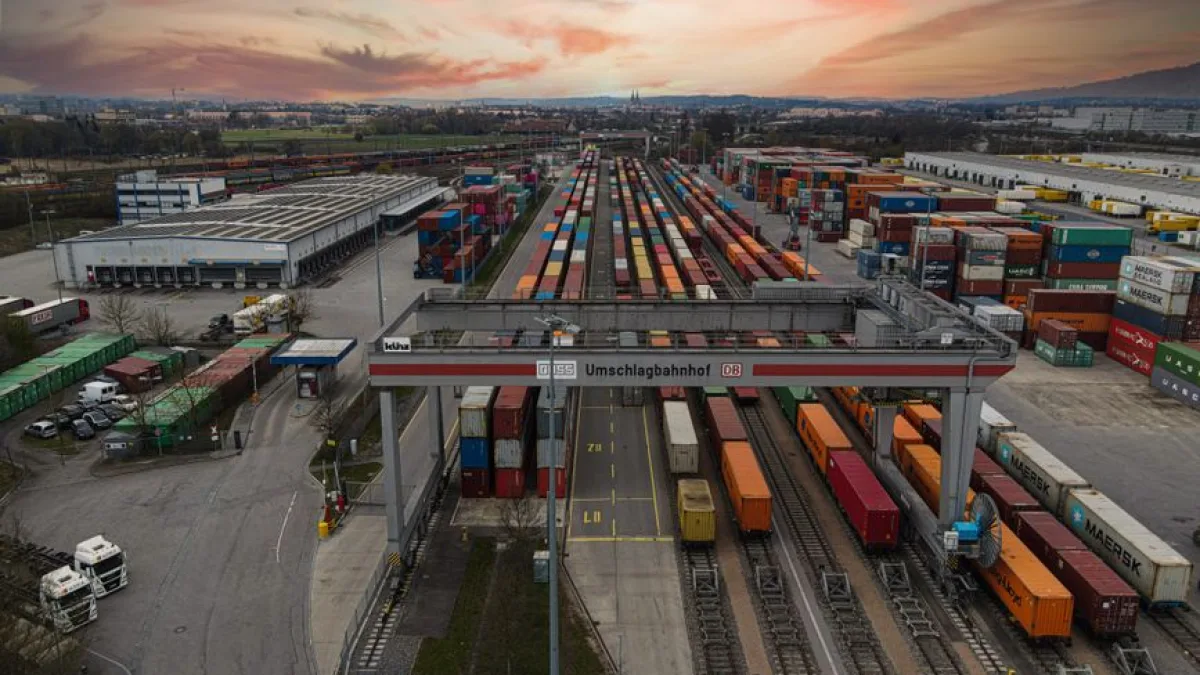
Successfully navigating the complexities of ocean freight requires more than just industry knowledge. By adopting advanced digital tools, you gain the ability to manage documentation, track vessels, and control costs with unprecedented precision. Start modernizing your operations today to ensure that your freight forwarding business remains agile, profitable, and ready for the future. Contact our team to see how MakeCargo improves your daily workflow.