Optimizing Ocean Freight Operations for Modern Forwarders
Tuesday, September 29 2026
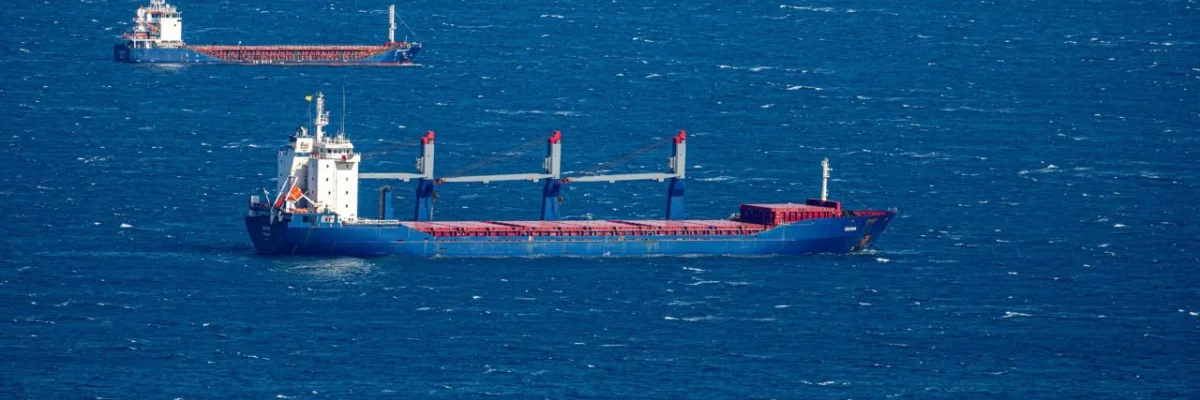
The global ocean freight landscape is undergoing a massive transformation driven by digitalization and shifting trade demands. Forwarders today must navigate complex logistical challenges while maintaining high levels of efficiency to remain competitive in a volatile market. Adopting robust cloud-based software allows professionals to automate manual tasks, gain real-time visibility into cargo movements, and improve communication across the entire supply chain. By embracing technology, your logistics business can mitigate risks, reduce operational overhead, and ensure that client expectations are consistently met. This guide explores the essential strategies needed to streamline your ocean freight processes and elevate your professional performance.
Digital Documentation Efficiency
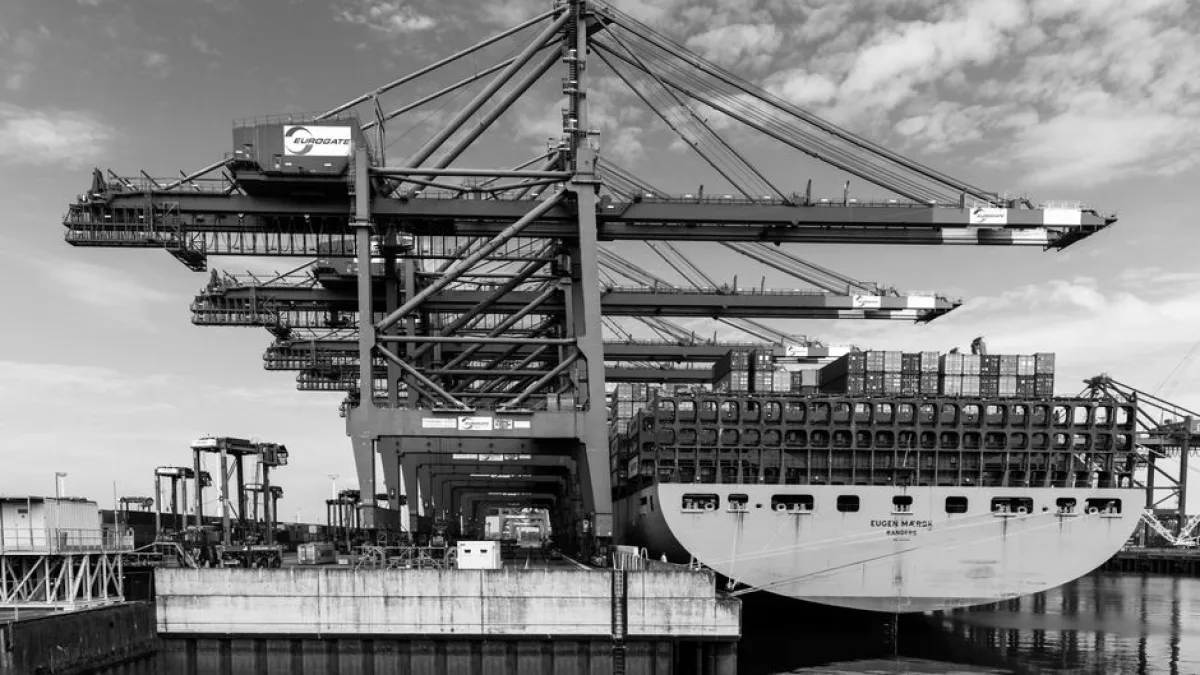
Managing physical paperwork for maritime shipments often leads to delays and costly human errors. By transitioning to digital document management systems, freight forwarders can organize bills of lading, customs declarations, and commercial invoices in a centralized, secure cloud environment for faster processing.
- Automated Data Entry: Implement software that automatically captures and populates data from shipment documents to eliminate manual typing mistakes and speed up the overall freight booking cycle significantly.
- Centralized Cloud Storage: Keep all essential shipping documents in one accessible location so that your team members can retrieve critical information without searching through endless physical email threads.
- Secure Digital Signatures: Utilize integrated electronic signature tools to finalize contracts and authorization documents instantly, reducing the transit time typically associated with mailing or scanning paper copies.
- Version Control Systems: Ensure that every team member is working on the most recent version of a shipping file to prevent confusion and discrepancies during complex cross-border transactions.
- Enhanced Compliance Audits: Maintain a comprehensive audit trail of every document change, which simplifies the process of meeting stringent regulatory requirements and international maritime trade safety standards.
Transitioning away from legacy paper-based workflows is no longer optional for firms aiming to scale. When your documentation process is fully digitized, your team gains hours of productive time every week. This efficiency allows you to focus on high-value tasks like client acquisition and strategic planning, ultimately improving your bottom line while ensuring that every shipment remains compliant with international maritime and customs regulations.
Real-time Cargo Visibility
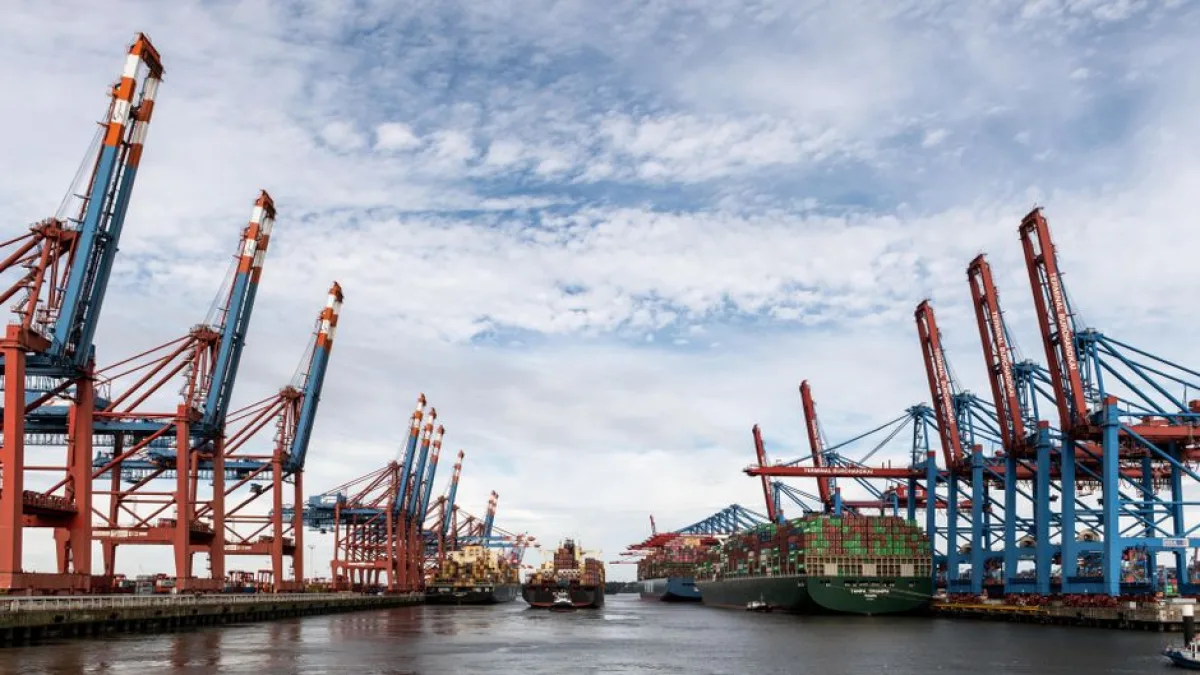
Modern clients demand absolute transparency regarding their shipment locations. Advanced tracking solutions provide live updates on vessel movements, allowing forwarders to proactively inform stakeholders about delays or schedule changes before they impact the final delivery deadlines at the destination port.
- Live Vessel Tracking: Integrate live GPS satellite data into your freight platform to monitor vessel positions across global routes and provide accurate estimated arrival times to clients.
- Proactive Exception Alerts: Configure automated notifications that trigger whenever a shipment deviates from its planned route or faces unexpected port congestion to ensure quick problem solving.
- Client Portal Integration: Offer your customers a dedicated dashboard where they can track their cargo status independently, reducing the volume of status inquiry calls your team handles.
- Historical Data Analysis: Leverage past movement data to identify recurring delays or bottlenecks in specific shipping lanes, allowing you to optimize future route planning for better reliability.
- Multi-carrier Connectivity: Connect with various ocean carriers through unified APIs to aggregate tracking information into one single view regardless of which shipping line manages the vessel.
Providing clear and accurate visibility transforms the customer experience from reactive to proactive. When you empower your clients with real-time data, you build trust and solidify long-term relationships in a crowded marketplace. Furthermore, having an oversight system in place ensures that your operations team remains well-informed about potential disturbances, allowing them to adjust plans immediately and maintain a seamless flow of goods.
Cost Management Strategies
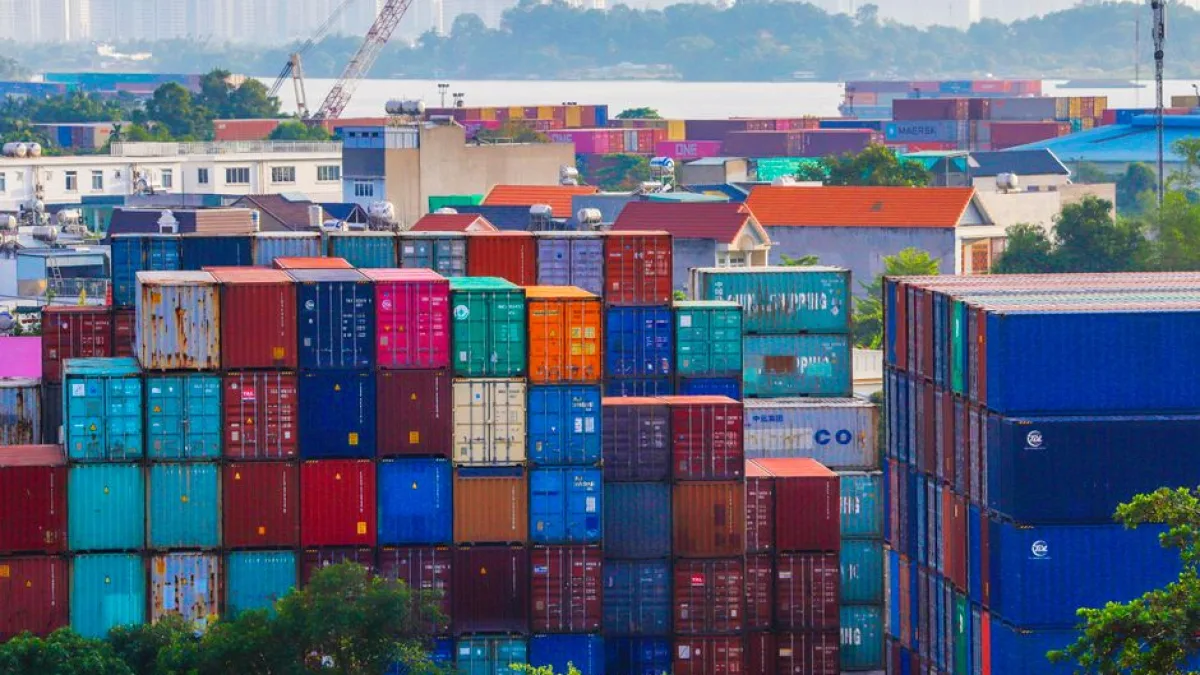
Controlling overhead costs is critical when managing thin profit margins in ocean freight. Utilizing software tools that provide detailed financial analytics helps forwarders identify hidden expenses and optimize shipping routes to maximize profitability on every single containerized cargo booking.
- Detailed Expense Tracking: Monitor every line item cost associated with a shipment, from port handling fees to inland drayage, to ensure that your pricing models remain profitable.
- Carrier Rate Comparisons: Compare various ocean freight rates in one interface to select the most cost-effective shipping options without sacrificing necessary service quality for your customers.
- Automated Invoicing Workflows: Speed up the billing cycle by generating and sending invoices immediately upon shipment completion, which improves cash flow and reduces administrative delays in payments.
- Supplier Spend Analysis: Analyze your spending patterns with different carriers or vendors to negotiate better volume discounts and long-term contracts that significantly reduce your overall operating expenses.
- Currency Risk Mitigation: Use integrated financial tools to handle multi-currency payments and manage exchange rate fluctuations that could otherwise erode the profit margins on international shipments.
Effective cost management requires more than just tracking expenses; it requires a proactive approach to financial oversight. By leveraging deep data insights, your business can identify which lanes or carriers are most cost-effective. These strategic choices protect your margins and create room for competitive pricing, ensuring your firm stays ahead of competitors while maintaining the financial health necessary for long-term growth and success.
Streamlined Carrier Communication

Effective collaboration with ocean carriers and inland transportation providers is the backbone of efficient freight management. Utilizing digital messaging platforms reduces communication lag and ensures that all stakeholders have access to the same information, preventing errors during critical vessel operations.
- Unified Messaging Hubs: Consolidate all communications regarding specific shipments into a single platform, eliminating the need to search through fragmented emails for vital shipping instructions or updates.
- Automated Status Updates: Set up automated triggers that send status reports to carriers and trucking partners, ensuring that handovers at the port occur exactly as scheduled.
- Standardized Messaging Templates: Use pre-defined templates for common requests to maintain professional communication standards while drastically reducing the time spent drafting repetitive messages to logistics partners.
- Collaboration Access Rights: Grant temporary access to specific shipping files for external vendors to ensure they have the necessary information without compromising your sensitive business data.
- Instant Feedback Loops: Facilitate immediate communication between your operations team and port authorities to resolve paperwork issues or container release delays quickly and without confusion.
Effective communication is the glue that holds the global logistics chain together. By digitizing how you interact with carriers, you eliminate the delays caused by slow responses and miscommunication. A streamlined approach ensures that everyone involved knows their responsibilities at every stage. This level of coordination minimizes downtime at ports and ensures that your client goods reach their final destination on time and intact.
Conclusion

Optimizing your ocean freight operations is an ongoing journey that requires the right digital tools and a commitment to continuous improvement. By centralizing your documentation, enhancing cargo visibility, mastering cost management, and improving communication, your firm will achieve greater efficiency. Adopt these technological strategies today to transform your freight forwarding business and deliver superior service in an increasingly complex and demanding global market.