Optimizing Ocean Freight Operations for Modern Forwarders
Monday, October 26 2026
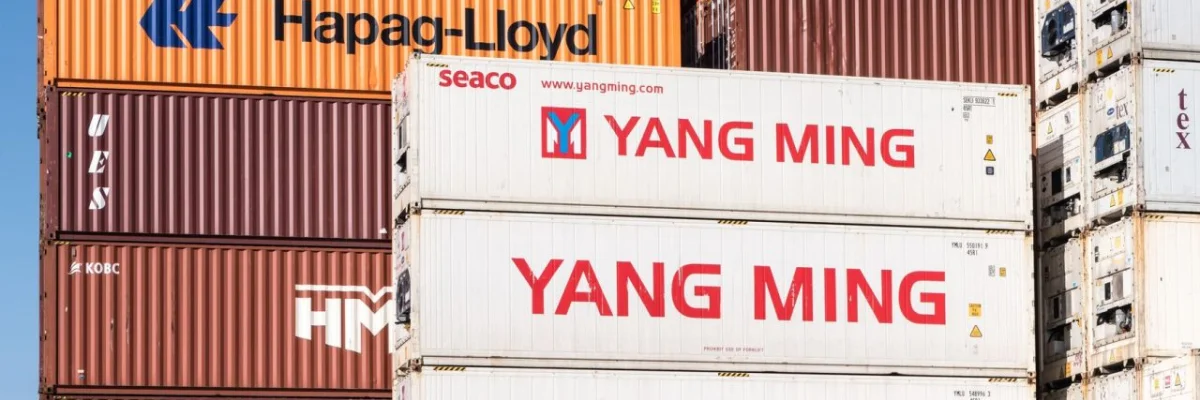
The global ocean freight industry is undergoing a period of intense transformation as supply chain volatility and digital demands become the new standard for freight forwarders. Managing complex international shipments requires more than manual processes and spreadsheets. Forwarders today must adopt agile strategies to maintain profitability while meeting the increasing visibility requirements of shippers. By leveraging advanced cloud-based technologies and streamlined workflows, logistics professionals can overcome systemic bottlenecks. This article explores how modern forwarders can leverage innovation to enhance their operational efficiency, reduce overhead costs, and build a more resilient foundation for future growth in an increasingly competitive global maritime landscape.
Digital Transformation Strategies

Digitizing your freight forwarding workflow is no longer optional for businesses aiming to stay relevant. By moving away from legacy systems and embracing centralized digital platforms, teams can access real-time data, automate documentation, and improve collaboration across borders effortlessly.
- Real-time data visibility: Implementing cloud software allows your team to track vessel movements and cargo milestones instantly, ensuring that clients receive accurate updates without needing constant manual data entry.
- Automated documentation workflows: Reduce the risk of errors and costly delays by utilizing automated templates that pre-populate essential shipping documents based on your existing booking and customer information.
- Seamless partner collaboration: Modern digital platforms enable direct integration with carriers and local agents, fostering a transparent ecosystem where communication happens in one central and secure location.
- Scalable cloud infrastructure: Cloud-based systems grow alongside your business, providing the flexibility to add new users, branch offices, or complex modules without worrying about heavy onsite server maintenance.
Adopting these digital tools empowers your staff to focus on strategic client relationship management rather than repetitive administrative tasks. When your technology stack supports automation, you create a more efficient workplace environment. This shift not only lowers operational costs significantly but also improves the overall service quality. Modern forwarders who prioritize digital transformation quickly gain a competitive edge by providing superior transparency to shippers.
Managing Carrier Relationships
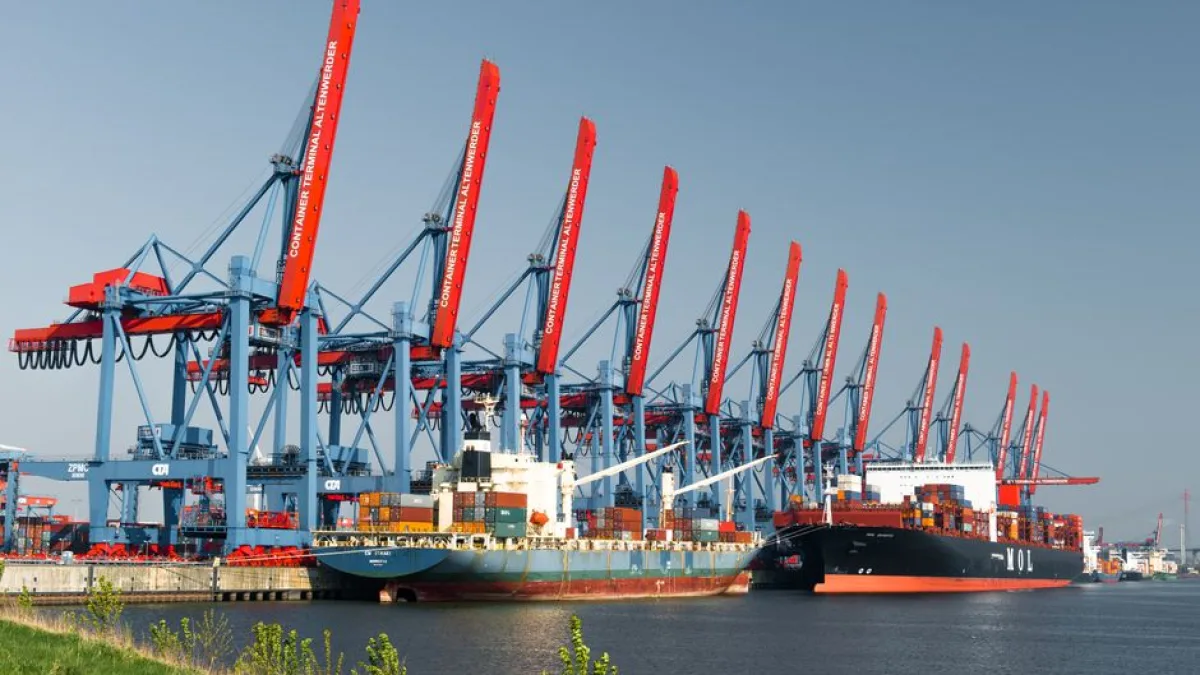
Strong carrier relations serve as the bedrock of successful ocean freight management. Forwarders who cultivate long-term partnerships with vessel operators can often secure better equipment availability, competitive pricing, and priority space during periods of high market demand and congestion.
- Proactive contract negotiation: Engage with carriers early in the season to secure favorable rates and space allocations, ensuring your customers have reliable capacity throughout the peak shipping cycle.
- Performance monitoring metrics: Maintain a formal system for tracking carrier performance, such as transit times and equipment reliability, to make data-driven decisions during future rate tender processes.
- Effective dispute resolution: Establish clear communication channels with your carrier sales representatives to resolve billing discrepancies and operational issues before they negatively impact your customer relationships and margins.
- Strategic equipment planning: Work closely with carriers to forecast your upcoming volume requirements, which helps prevent container shortages and ensures smoother pickups at busy deep sea ports.
By treating carriers as true business partners rather than simple service vendors, you secure more stability for your supply chain network. Frequent communication and honest feedback loops facilitate better problem solving when unforeseen disruptions occur at the terminal. These relationships are your best defense against market shocks. Invest time in building these connections to ensure your freight moves reliably, regardless of global conditions.
Streamlining Compliance Procedures

Navigating the intricate web of international trade regulations requires extreme precision. Freight forwarders must implement robust compliance checks within their workflows to ensure that every bill of lading and manifest meets strict customs and maritime security requirements worldwide.
- Automated compliance checks: Utilize software tools that automatically scan your documents against international trade lists, preventing illegal shipments and avoiding heavy fines from port authorities globally.
- Standardized filing processes: Create strict internal templates for ISF and AMS filings that ensure all data points are validated by the system before submission to customs.
- Regular staff training: Conduct quarterly compliance workshops to keep your operations team informed about shifting regulations, new trade agreements, and specific safety protocols for maritime cargo.
- Digital audit trails: Maintain an immutable record of all communications and document changes within your software, providing a clear history should an audit occur by authorities.
Compliance excellence is a vital trust builder with your clients. When you demonstrate that your processes are airtight, customers feel confident entrusting you with their high-value goods. Reducing regulatory friction also speeds up the flow of freight through customs hubs. Invest in systems that handle the heavy lifting of verification, so your team can maintain high standards without sacrificing speed or throughput.
Leveraging Advanced Analytics

Data is the most valuable asset in modern logistics management today. By utilizing advanced analytics, forwarders can identify hidden patterns in their shipping data, uncover cost-saving opportunities, and provide valuable, actionable insights to their clients for better strategic planning.
- Predictive rate forecasting: Analyze historical carrier rate trends to help your customers decide the best timing for their shipments, effectively reducing their overall freight spend throughout the year.
- Operational performance KPIs: Monitor key performance indicators like file processing time and profit per container to identify bottlenecks and optimize internal team workflows for greater productivity.
- Customer profitability analysis: Review your account data to determine which clients or trade lanes are most profitable, allowing you to focus your sales efforts on high-growth segments.
- Real-time exception reporting: Set up automated alerts for anomalies, such as unexpected container dwell times or sudden route changes, allowing your team to intervene before problems escalate.
Turning raw shipping data into business intelligence changes how you compete in the market. Instead of reacting to daily challenges, you can begin to anticipate market fluctuations and offer proactive solutions to your shipping partners. This level of insight transforms your role from a simple service provider into an essential strategic consultant. Start utilizing your own operational data to unlock significant long-term growth.
Conclusion
Success in ocean freight is achieved by integrating technology, maintaining strong partnerships, and leveraging data to drive continuous improvement. As the industry evolves, those who prioritize agility and digital adoption will thrive. Focus on optimizing your internal workflows and delivering unmatched transparency to your clients. By following these core principles, you position your logistics company to lead in an increasingly complex and interconnected world.