Optimizing Ocean Freight Operations for Modern Freight Forwarders
Saturday, August 1 2026
Ocean freight remains the backbone of global trade, yet freight forwarders face increasing pressure to balance rising costs with demands for real-time visibility. As supply chains grow more complex, manual processes no longer suffice for firms aiming to maintain competitive margins and high service levels. Digital transformation is shifting from a luxury to a necessity, enabling logistics providers to automate documentation, predict bottlenecks, and manage vendor relationships with unprecedented precision. By leveraging cloud-based platforms, forwarders can reclaim time spent on administrative tasks and focus on strategic growth, ultimately driving efficiency and long-term profitability in a volatile market environment.
Digitizing Documentation Workflows

Effective document management is crucial for seamless transit, yet paper-heavy workflows often cause significant bottlenecks at major ports. Digitization minimizes these risks by ensuring that bills of lading and commercial invoices are verified, stored, and shared instantly among stakeholders.
- Cloud document storage: Centralizing your shipping documents in a secure cloud environment allows teams to access critical paperwork from anywhere while eliminating the common pitfalls of lost physical files.
- Automated data entry: Smart software tools extract key information from shipping manifests, significantly reducing human error and freeing your staff to focus on high-value client communication and strategy.
- Standardized digital templates: Utilizing consistent document templates ensures compliance with international regulations and speeds up the filing process with customs authorities during the critical export or import clearance phases.
- Version control systems: Implementing automated tracking for document changes ensures that all parties involved are working from the most recent updates, preventing costly delays caused by outdated information.
Adopting digital workflows transforms the way your team handles documentation by removing repetitive manual labor. These tools not only reduce processing times but also enhance accuracy across the entire supply chain. As your operations become more digitized, you gain the agility required to adapt to sudden changes in routing or compliance requirements, ensuring that your clients receive timely updates regardless of global trade disruptions.
Enhancing Real-Time Visibility
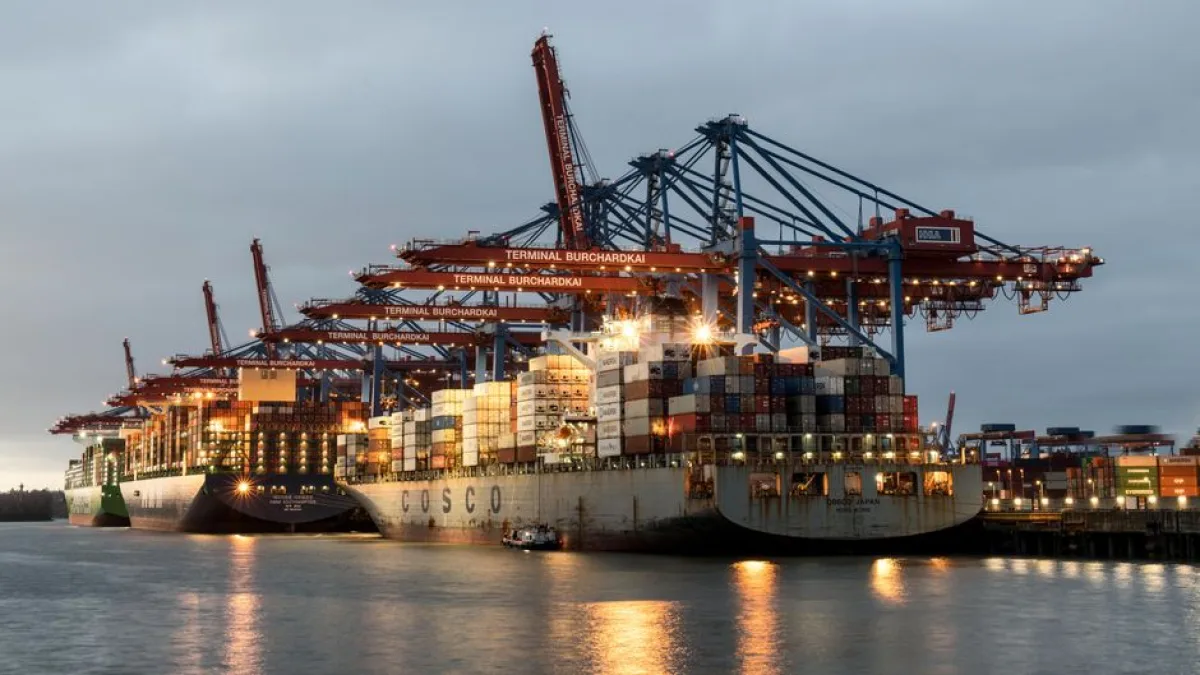
Visibility is the primary concern for modern shippers who require constant updates on their cargo status. Providing transparency through integrated tracking solutions builds trust and allows forwarders to proactively solve potential delays before they impact the final delivery timeline significantly.
- Real-time tracking integration: Connecting your software directly to carrier APIs provides live status updates, allowing your team to monitor vessel movements without manual checking or constant email requests.
- Customizable client portals: Giving your customers direct access to their shipment status through a branded portal reduces incoming support calls and improves the overall service experience significantly.
- Proactive exception alerts: Automated notifications warn your operations team when a shipment deviates from its schedule, enabling you to inform customers early and propose alternative transport solutions.
- Vessel location mapping: Integrating interactive maps provides a clear visual representation of cargo movement, helping you manage client expectations regarding arrival times and possible port congestion issues.
Superior visibility serves as a major differentiator for freight forwarders operating in a crowded marketplace. By offering clients a clear view into their supply chain, you demonstrate reliability and technical sophistication. This transparency reduces anxiety for stakeholders and allows for better inventory planning. Embracing these advanced tracking capabilities ultimately positions your firm as a forward-thinking partner capable of managing complex logistics challenges effectively.
Managing Carrier Relationships
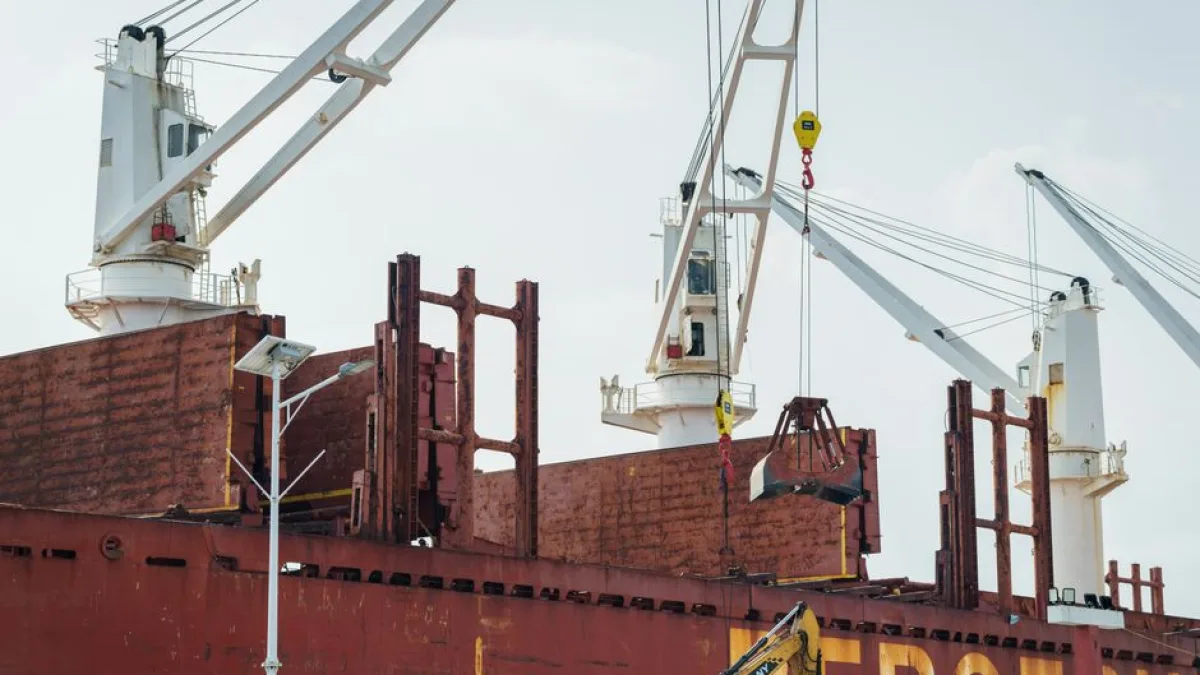
Successful freight forwarding relies heavily on maintaining strong partnerships with ocean carriers. Managing these relationships requires data-driven insights to negotiate better rates, ensure space allocation, and maintain service reliability across various trade lanes and high-demand shipping seasons efficiently.
- Performance analytics reporting: Tracking carrier performance metrics helps you identify which lines provide the most reliable service, allowing you to make informed decisions for future booking allocations.
- Capacity management tools: Effective capacity planning software enables you to forecast volume requirements, ensuring you secure the necessary space during peak seasons without facing unexpected surcharges.
- Cost comparison engines: Analyzing rate trends across different carriers allows your team to find the most cost-effective routes while maintaining the quality of service expected by clients.
- Centralized communication logs: Keeping all correspondence with carrier representatives in one location ensures that contract details and special requests are never lost during staff transitions or turnover.
Strong carrier relations directly impact your bottom line and your ability to meet customer promises. By using platform-based tools to monitor performance and manage contracts, you shift from reactive to proactive relationship management. This strategic approach secures better outcomes during annual tender negotiations and guarantees consistent space availability. Ultimately, these improved partnerships enable your business to deliver superior service, regardless of fluctuating market demand.
Automating Financial Settlements

Financial reconciliation in ocean freight is frequently complicated by varied currency exchanges and unexpected surcharges. Automating your billing and invoicing processes eliminates common discrepancies, improves cash flow, and creates a transparent audit trail for every single shipping transaction you handle.
- Automated invoice generation: Systematizing the creation of invoices based on booking data ensures that billing is accurate and delivered to clients immediately upon completion of services.
- Currency management features: Integrated tools handle multi-currency conversions and fluctuating exchange rates automatically, protecting your margins and ensuring your final invoices align with initial quotes perfectly.
- Streamlined payment reconciliation: Matching incoming payments to open invoices through your software reduces the time spent on accounting tasks and helps you identify overdue payments much faster.
- Markup and surcharge logic: Configuring predefined rules for freight surcharges and service fees ensures that all quotes remain profitable while remaining competitive within the current market environment.
Financial automation is the final piece of an efficient operation, ensuring that your hard-earned revenue is captured accurately. By removing manual accounting hurdles, you allow your finance team to operate with greater speed and precision. This efficiency improves your cash flow cycle and reduces the likelihood of billing disputes, leading to much happier clients and a more sustainable, scalable freight forwarding business model.
Conclusion

Mastering ocean freight requires a combination of robust technology and strategic operational management. By digitizing documents, increasing visibility, nurturing carrier partnerships, and automating financial tasks, you create a foundation for long-term growth. Stay ahead of industry shifts by adopting integrated software solutions that empower your team to focus on service excellence. Start optimizing your freight forwarding operations today to secure a competitive advantage.