Optimizing Ocean Freight Operations for Modern Freight Forwarders
Tuesday, September 1 2026
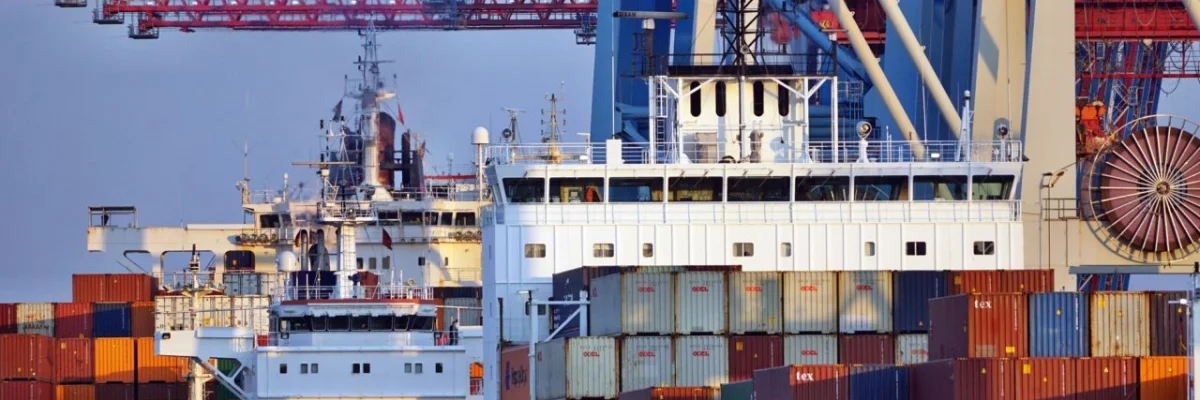
The global maritime industry remains the backbone of international trade, yet freight forwarders face increasing pressure to modernize their workflows. As supply chains become more volatile and client expectations for real-time visibility rise, relying on legacy manual processes is no longer a viable strategy. Efficient ocean freight management requires a balance between digital transformation and human expertise to navigate port congestion, fluctuating shipping rates, and complex documentation requirements. By leveraging cloud-based platforms and data-driven insights, forwarders can enhance their competitive edge, minimize operational friction, and deliver superior service levels to their global clientele in this rapidly changing economic landscape.
Mastering Carrier Capacity Management
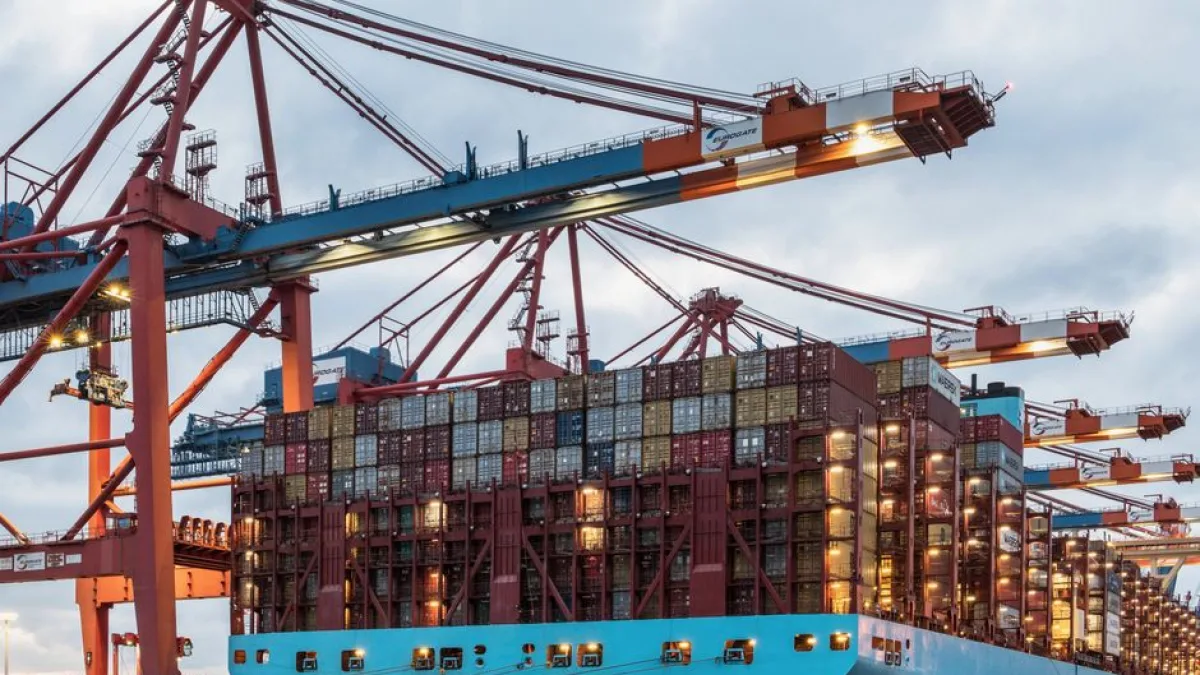
Managing space availability across multiple shipping lines requires precision and deep insight into vessel schedules. Forwarders must actively monitor carrier capacity to ensure that cargo moves without unnecessary delays while maintaining optimal slot utilization for their most important shipping routes.
- Real-time vessel tracking: Utilize integrated digital tools to monitor ship movements and port arrivals, allowing your team to proactively communicate updates to stakeholders and avoid unexpected downtime or costly cargo delays.
- Capacity allocation planning: Analyze historical data to forecast seasonal demand peaks, ensuring that your firm secures necessary space allocations ahead of time to maintain consistent service levels for your clients.
- Carrier performance metrics: Evaluate your shipping partners based on reliability, transit times, and service quality to build a stable network that guarantees high performance even during peak shipping seasons.
- Dynamic rate benchmarking: Compare real-time ocean freight rates across different carriers to identify cost-saving opportunities and provide your customers with the most competitive pricing options for their urgent shipments.
By streamlining how you manage carrier capacity, your firm gains the agility required to respond to market shifts instantly. Moving away from static spreadsheets and toward automated booking systems allows for better coordination between dispatchers and ocean carriers. This proactive stance reduces manual errors and ensures that every container is optimized for the most efficient route available, ultimately increasing overall profitability for your logistics operations.
Digital Documentation and Compliance

Navigating the complex maze of international maritime regulations requires rigorous document management. Ensuring that bills of lading, commercial invoices, and customs declarations are accurate is vital for preventing shipment holdups and heavy financial penalties during the international transit process.
- Automated document generation: Reduce clerical errors by using software that automatically populates critical shipping documents, ensuring that all regulatory information remains consistent across your entire digital logistics workflow.
- Electronic data exchange: Facilitate seamless communication with customs authorities and port operators by utilizing standardized digital formats that expedite clearance processes and reduce reliance on fragile paper trails.
- Compliance monitoring systems: Implement centralized software that tracks changing international trade laws, automatically flagging potential issues before they escalate into legal challenges or significant cargo processing delays.
- Secure document archiving: Maintain a centralized and encrypted repository for all shipping records, which provides easy retrieval during audits and ensures your team stays organized at all times.
Effective document management is the foundation of a reliable freight forwarding business. By digitizing the paperwork cycle, you eliminate the risks associated with manual data entry and create a transparent audit trail for every single shipment. This level of precision builds trust with regulatory agencies and ensures that your operations remain compliant as international maritime policies continue to evolve in the coming years.
Leveraging Real-Time Cargo Visibility
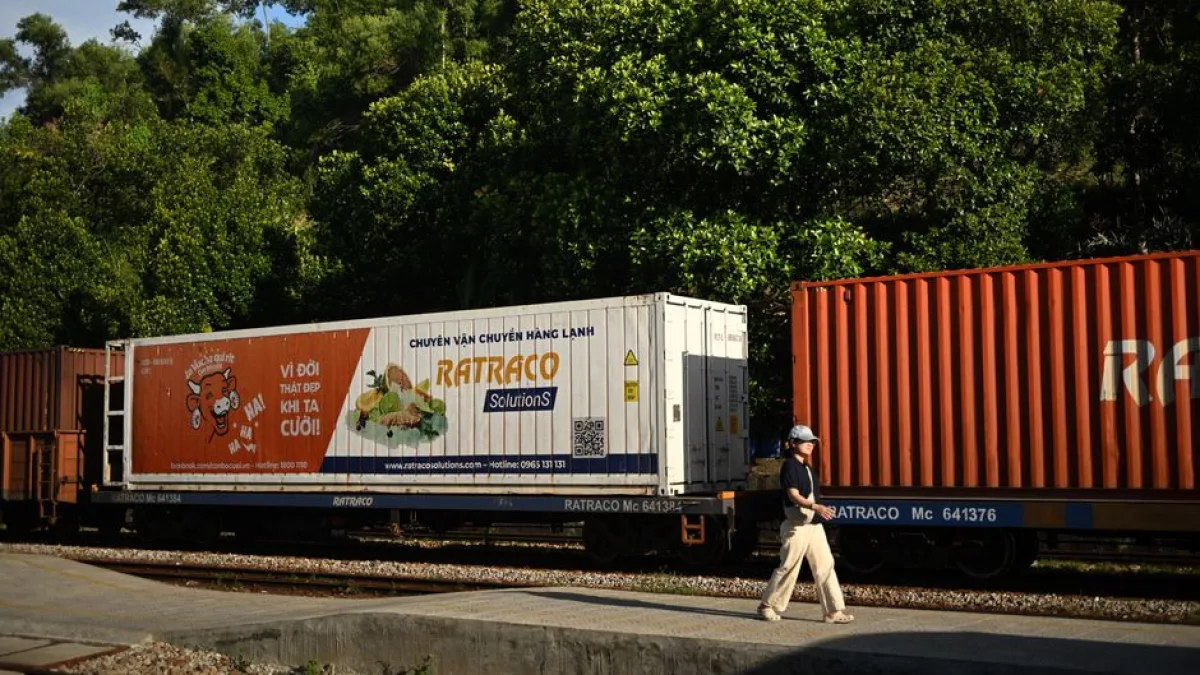
Providing customers with end-to-end visibility is no longer a luxury but an industry standard. Forwarders who offer live tracking capabilities empower their clients to make informed decisions, reducing anxiety during the ocean leg while improving overall satisfaction levels throughout shipping.
- Live milestone updates: Provide automatic notifications for every critical checkpoint, from container loading at the origin port to the final destination delivery, ensuring clients are kept informed consistently.
- Integrated tracking dashboards: Offer your customers a user-friendly interface that aggregates data from multiple carriers, simplifying the complex ocean freight process into one easy-to-use digital view.
- Exception management alerts: Deploy automated systems that trigger alerts when a shipment deviates from its planned schedule, enabling your support team to provide solutions before clients notice issues.
- Enhanced customer retention: Build stronger long-term relationships by demonstrating technological leadership, proving that your firm is committed to transparency and efficiency in every single international logistics project.
Visibility serves as the bridge between operational excellence and superior client experience. When freight forwarders provide clear, real-time insights, they transform the shipping experience from a stressful black box into a manageable, predictable process. This transparency not only helps in managing customer expectations but also provides your team with the data necessary to resolve logistics bottlenecks before they disrupt the entire supply chain.
Optimizing Financial and Billing Workflows

Effective billing and financial reconciliation are essential for maintaining healthy cash flow in the freight forwarding business. Automated systems help track expenses, manage currency fluctuations, and generate accurate invoices, which prevents payment delays and keeps your professional shipping operations running smoothly.
- Automated invoice processing: Speed up your billing cycle by using software that converts shipment data into accurate invoices, reducing the time your staff spends on repetitive financial administrative tasks.
- Currency fluctuation management: Track exchange rate variations across different international trade lanes to ensure your pricing models remain profitable while accounting for the volatile nature of global currencies.
- Cost auditing tools: Cross-reference carrier invoices with agreed contract rates automatically to identify billing discrepancies, ensuring that your company never overpays for ocean freight and ancillary service charges.
- Unified financial reporting: Generate comprehensive reports that detail your profit margins per lane, helping management identify high-performing routes and optimize business strategy for future growth and profitability.
Solid financial management practices allow forwarders to scale their operations with confidence. By automating the mundane aspects of billing and reconciliation, you free up your team to focus on high-value tasks like customer service and sales growth. These optimized workflows ensure that your margins remain protected while providing a seamless financial experience that encourages repeat business from your most loyal international clients.
Conclusion
Advancing your ocean freight operations requires a commitment to digital transformation and continuous process improvement. By integrating carrier management, digital documentation, real-time visibility, and streamlined billing, your firm can thrive in a competitive market. Start leveraging modern cloud software to eliminate manual inefficiencies today and position your freight forwarding business for sustainable success. Contact us to learn how our platform drives these results.