Optimizing Ocean Freight Operations for Modern Freight Forwarders
Saturday, October 3 2026
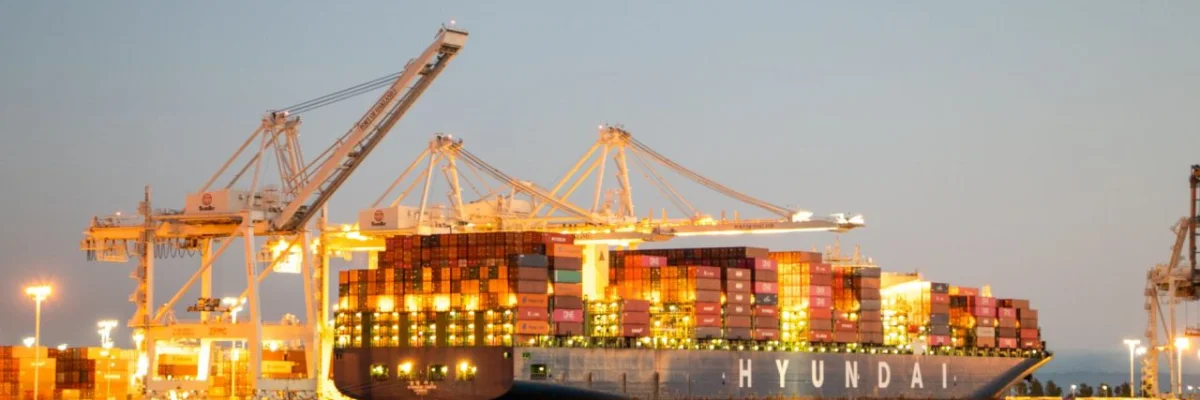
Ocean freight remains the backbone of global trade, yet forwarders face unprecedented volatility and complexity in today's supply chain landscape. Managing capacity, navigating fluctuating surcharges, and ensuring documentation accuracy requires more than traditional manual processes. As shipping alliances shift and regulatory requirements evolve, freight forwarders must transition toward digitized platforms that offer real-time visibility and automated workflows. By leveraging cloud-based software, businesses can transform their logistics operations from reactive tasks into proactive, data-driven strategies. This article explores essential pillars of modern ocean freight management designed to help you stay competitive, increase operational margins, and deliver superior service to your global clients.
Mastering Container Load Efficiency
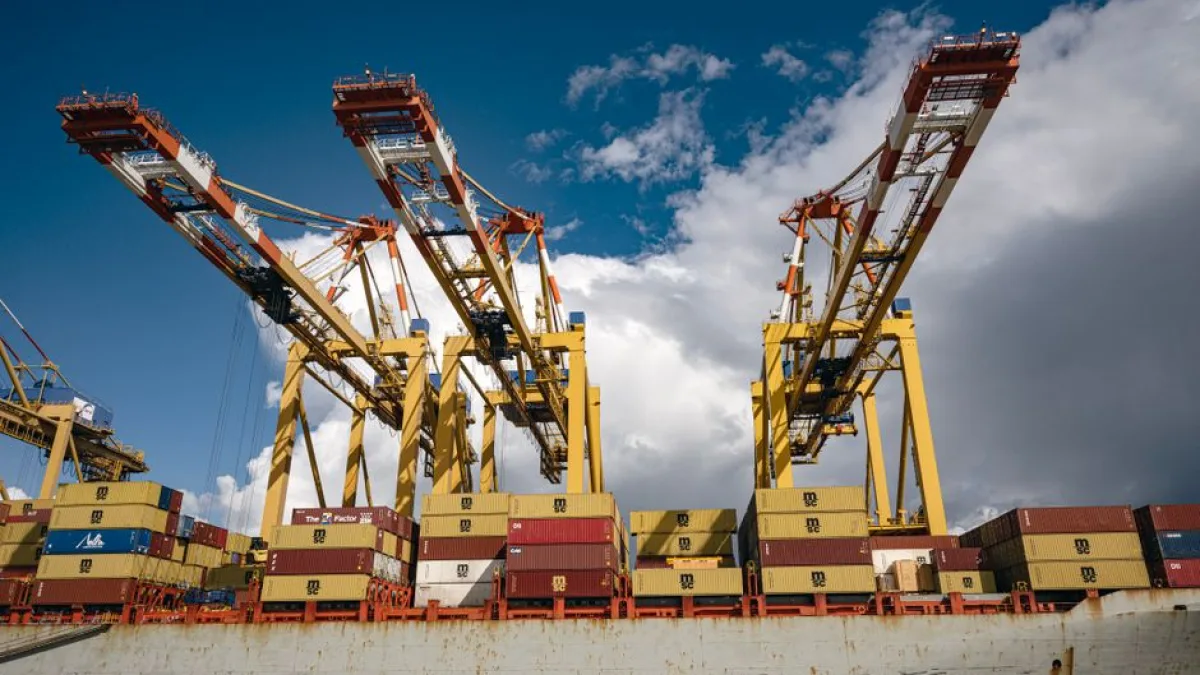
Strategic space utilization is vital to minimizing waste and maximizing profit margins during every shipment cycle. By optimizing how cargo is loaded and consolidated, forwarders reduce empty space, lower carbon footprints, and ensure that ocean carriers provide the best possible rates.
- Automated space calculation: Integrated software tools analyze cargo dimensions automatically to suggest optimal loading patterns, preventing under-utilization of container capacity and reducing the likelihood of costly repacking delays at the port.
- Consolidation strategies: Modern digital platforms enable seamless LCL grouping by automatically matching shipments based on destination and transit requirements, which significantly lowers overall costs for both forwarders and end-users.
- Weight distribution monitoring: Real-time tracking of cargo weight prevents load imbalance issues that could lead to safety violations or rejection at the terminal, ensuring that every container meets strict maritime standards.
- Digital loading plans: Collaborative digital planning tools allow warehouse teams to communicate with freight coordinators instantly, ensuring that all cargo is prepared according to exact specifications before arriving at the dock.
Precision in container loading is not just about logistics speed but also about maintaining long-term financial health for your forwarding agency. By focusing on smart consolidation and accurate documentation, you minimize errors that lead to penalties and expensive terminal delays. Investing in technology that automates these intricate tasks ensures that your team stays ahead of competitors while maintaining high levels of operational efficiency every single day.
Streamlining Documentation Workflows

Paperwork remains a significant bottleneck in ocean freight, causing avoidable delays and administrative friction. Transitioning to a digital document management system allows teams to centralize records, reduce human error, and ensure compliance with international maritime laws through automated document verification.
- Automated billing cycles: Digital invoicing modules create accurate charges directly from shipment data, which eliminates manual entry errors and accelerates the speed at which your company processes payments and collections.
- Compliance verification tools: Integrated legal databases automatically cross-reference customs documentation against international trade regulations, ensuring that all required paperwork is submitted accurately to prevent shipment seizures at the border.
- Real-time document access: Centralizing all shipping documents in a secure cloud environment gives global teams immediate access to bills of lading and manifests, significantly reducing time spent searching for files.
- Instant electronic signatures: Advanced encryption features allow clients to sign critical shipping documents remotely, which removes the need for physical couriers and speeds up the entire customs clearance lifecycle significantly.
Effective documentation management is the foundation of a reliable forwarding business in the modern age. By eliminating manual data entry and replacing it with automated cloud solutions, you protect your company against the risk of costly administrative mistakes. This streamlined approach allows your employees to shift their focus toward high-value client relationships rather than spending hours managing repetitive paperwork across multiple disparate systems.
Enhancing Real-Time Cargo Visibility
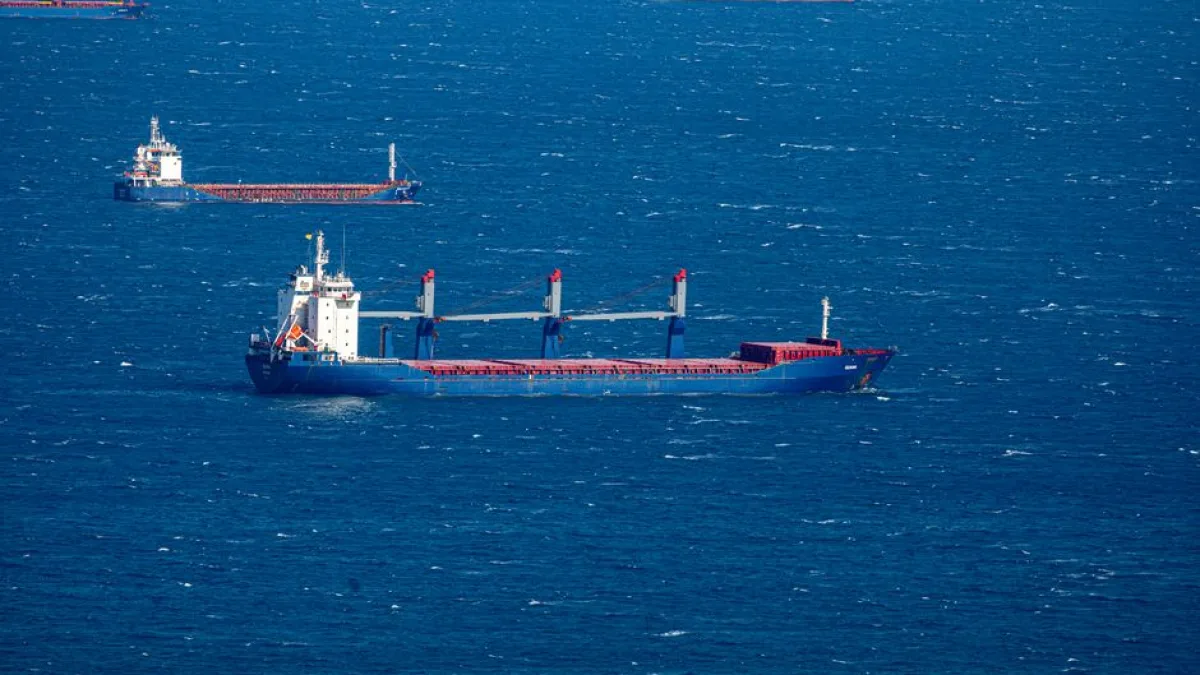
Visibility acts as the bridge between expectations and reality in modern ocean shipping. Providing clients with granular tracking data at every stage of the journey builds trust, enhances transparency, and empowers forwarders to solve potential disruptions before they impact final delivery dates.
- Live tracking APIs: Direct integrations with ocean carrier systems allow you to pull live location data for every container, providing your customers with accurate delivery estimates without manual updates.
- Exception alert systems: Automated notifications warn staff immediately if a container misses a vessel or encounters unexpected congestion, enabling proactive communication before the client discovers the delay on their own.
- Predictive arrival analytics: Advanced machine learning algorithms analyze historical port performance to provide more accurate arrival windows, which helps your clients manage their warehouse inventory and downstream supply chain activities.
- Interactive client portals: Dedicated customer dashboards display the real-time status of all active shipments, which reduces the volume of status inquiries handled by your operations team every single day.
Visibility is no longer a luxury but an absolute requirement for successful freight forwarders. When your customers have access to transparent, accurate tracking information, their reliance on your services deepens substantially. Implementing robust tracking technology helps you manage expectations during complex transit phases while highlighting your commitment to professionalism. By staying ahead of issues, you prove your value as a strategic supply chain partner.
Managing Carrier Relationships Digitally

Maintaining healthy relationships with ocean carriers is key to securing capacity and favorable pricing. Using digital negotiation and performance monitoring tools allows forwarders to track carrier reliability, ensuring that their chosen partners consistently deliver on service level agreements and support business growth.
- Performance analytics reporting: Tracking key metrics like transit time consistency and error rates helps you objectively evaluate carrier performance to determine which partners deserve your long-term volume and business commitments.
- Digital rate procurement: Centralized platforms aggregate quotes from multiple carriers instantly, allowing your team to compare options rapidly and select the best routes based on current market rates and schedules.
- Communication management hubs: Unified messaging threads keep all carrier correspondence in one location, which prevents critical information from being lost in email chains and improves response times during peak seasons.
- Volume forecasting tools: Predictive analytics allow you to share accurate volume forecasts with carriers, which strengthens your negotiating position when securing space allocations during times of high market demand.
Building strong digital ties with ocean carriers allows your business to navigate market fluctuations with greater resilience and confidence. When you leverage data to inform your negotiations and performance evaluations, you secure the best capacity for your clients while maintaining stable operational costs. This proactive management style fosters loyalty and opens doors to better service agreements, ultimately scaling your forwarding capabilities with ease.
Conclusion
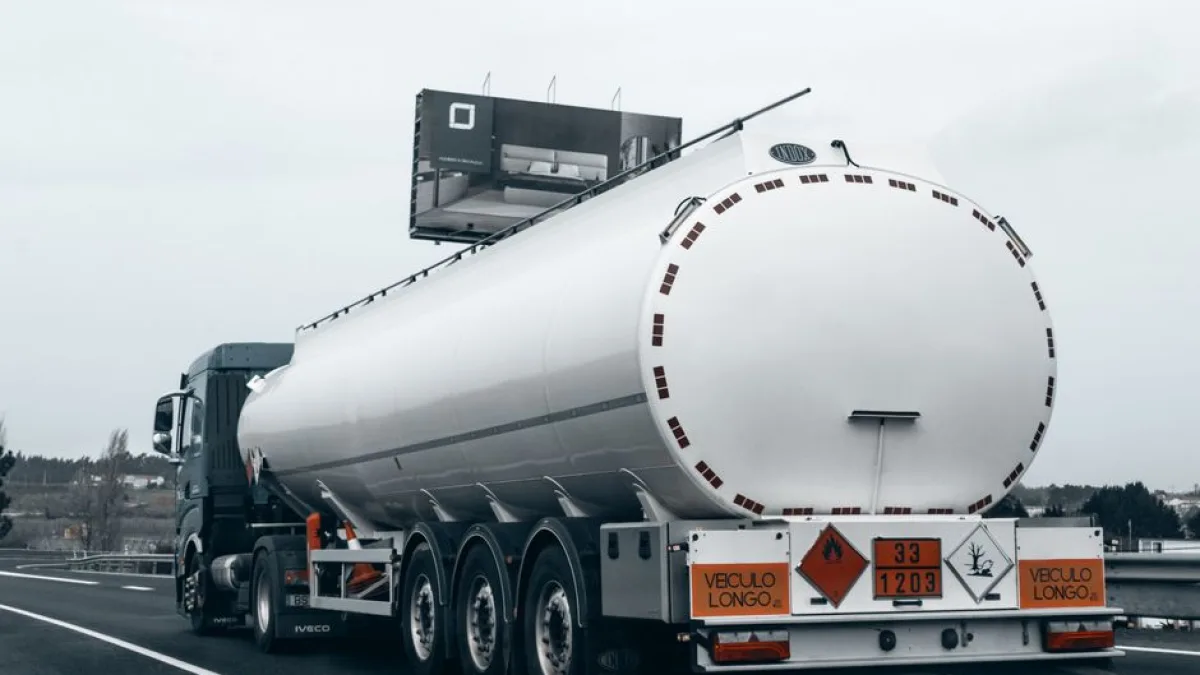
Successful ocean freight operations require a blend of smart technology and strategic relationship management. By automating documentation, enhancing visibility, and utilizing data to optimize container space, you position your forwarding company for long-term growth. Embrace these modern digital tools to reduce operational stress and deliver exceptional service. Start your transformation today to remain a leader in the rapidly evolving global logistics market.