Optimizing Ocean Freight Operations for Modern Logistics
Wednesday, July 22 2026
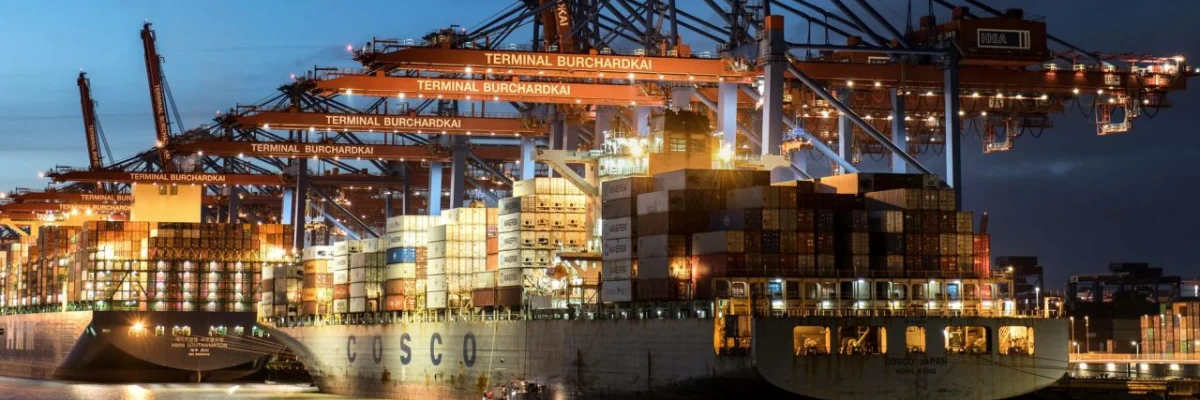
Ocean freight remains the backbone of global commerce, yet managing its inherent complexities requires precision and foresight. Freight forwarders today face immense pressure from fluctuating market rates, port congestion, and shifting consumer demands. Success in this competitive landscape depends on leveraging advanced digital tools to maintain transparency and operational efficiency across complex supply chains. By integrating cloud-based platforms, forwarders can transform traditional logistical bottlenecks into streamlined workflows, ensuring that every container movement is tracked, managed, and executed with minimal risk. Adopting these modern strategies is no longer just an advantage but a necessity for those striving to lead in the international maritime transport sector.
Navigating Market Rate Volatility

The volatility of ocean freight rates can disrupt even the most carefully planned logistics schedules. Forwarders must actively monitor global market indices to provide accurate quotes and protect profit margins while ensuring clients remain satisfied during periods of rapid pricing fluctuations.
- Automated Rate Management: Centralize your carrier contracts and spot rates within a digital platform to instantly compare options and select the most cost-effective routes for your specific shipping requirements.
- Data Driven Decisions: Utilize historical freight data to forecast upcoming market trends, allowing your team to anticipate capacity shortages and secure space for clients before competition intensifies significantly.
- Client Quote Transparency: Provide customers with dynamic pricing tools that reflect real time market conditions, thereby increasing trust and reducing the manual administrative labor required for every quote.
- Margin Protection Strategy: Implement automated surcharges and fuel adjustment factor calculators to ensure your bottom line is never eroded by sudden increases in operational costs or external factors.
Mastering rate volatility requires a shift from manual spreadsheets to dynamic cloud systems that update in real time. By digitizing your pricing strategy, you gain the agility needed to pivot when markets move unexpectedly. This proactive approach not only shields your company from financial risk but also positions your business as a reliable and informed partner capable of navigating any economic environment successfully.
Streamlining Documentation Workflows

Processing bill of lading documents and customs paperwork often creates significant delays in shipping timelines. Digitizing these essential maritime documents reduces the risk of human error while ensuring that cargo clears international borders with speed and total regulatory compliance.
- Unified Document Storage: Maintain all shipping files in a secure cloud repository where they are instantly accessible to authorized team members and customs authorities from any global location.
- Automated Data Entry: Integrate your freight platform with customs software to eliminate repetitive manual typing tasks, which significantly reduces the probability of costly filing errors during export processes.
- Electronic Signature Integration: Accelerate the approval process by utilizing digital signatures for essential documents, removing the need for physical paperwork and mail delivery times for global transactions.
- Compliance Tracking Tools: Set automated alerts for expiring permits or missing certifications to ensure that every shipment meets international trade regulations before arriving at the destination port.
Digital documentation is the catalyst for faster customs clearance and improved operational flow across your entire network. By removing the friction of paper based processes, your team can focus on higher value tasks like client relationship building or strategy development. Embracing this level of digital maturity allows you to scale your operations rapidly without increasing the burden of administrative overhead significantly.
Enhancing Real Time Cargo Tracking

Visibility is the top priority for modern shippers who expect accurate updates on their goods. Providing real time tracking capabilities through a unified portal eliminates constant status inquiries and empowers your clients with the data they need for inventory planning.
- Integrated Vessel Tracking: Connect your platform directly to AIS data providers to offer clients live vessel positions and accurate estimated arrival times for every single shipment handled.
- Proactive Milestone Alerts: Configure automated email or portal notifications that alert stakeholders when cargo reaches key transit points, reducing the volume of manual status update inquiries received.
- Exception Management Systems: Detect delays or port congestions early through automated monitoring tools, allowing your team to provide solutions to clients before they notice a service disruption occur.
- Client Portal Access: Grant your customers secure access to a branded dashboard where they can track their orders and view status history without needing to contact your staff.
True visibility is about providing peace of mind through constant data streams and automated communication. When clients have the ability to self serve their tracking data, your reputation for reliability grows alongside your operational capacity. Investing in high quality tracking technology transforms the shipping experience from a black box process into a transparent and predictable service for every valued customer.
Strengthening Carrier Partnerships

Successful freight forwarding is fundamentally a people business that relies on strong relationships with shipping lines. Maintaining deep connections with carriers ensures better space allocation during peak seasons and access to priority services that provide your clients with distinct competitive advantages.
- Collaborative Communication Tools: Utilize shared digital workspaces to communicate directly with carrier representatives, ensuring that booking confirmations and schedule changes are handled efficiently and without any miscommunication issues.
- Performance Analytics Review: Use your software to track carrier performance metrics such as transit time accuracy and equipment availability, using this objective data during future contract renewal negotiations.
- Strategic Capacity Planning: Share your forecast volume data with preferred carriers to secure better space commitments, which helps you remain operational during times of global equipment shortages.
- Conflict Resolution Workflow: Implement a standardized system for handling claims and service failures, ensuring that issues are tracked and resolved in collaboration with your carrier partners quickly.
Building resilient partnerships with carriers requires a balance of clear communication and data backed performance reviews. By treating your carriers as strategic allies rather than just vendors, you create a more stable environment for your clients. This collaborative approach leads to better service levels and helps you navigate the challenges of the international ocean freight industry with far greater confidence.
Conclusion

Optimizing ocean freight requires a commitment to digital transformation and consistent improvement of operational workflows. By integrating cloud technology to manage rates, documentation, tracking, and carrier relationships, you set your firm apart from competitors. Focus on these core areas to drive growth and operational excellence for your clients. Embrace these tools now to secure a profitable and efficient future for your freight forwarding business.