Optimizing Ocean Freight Operations in a Digital Era
Thursday, August 27 2026

Global supply chains currently face unprecedented complexity, demanding that freight forwarders pivot toward smarter digital strategies to maintain competitive advantages. Ocean freight remains the backbone of international trade, yet manual processes and fragmented communication channels continue to hinder operational efficiency and transparency. By adopting cloud-based platforms like MakeCargo, logistics professionals can centralize documentation, automate tracking workflows, and enhance real-time visibility for their clients. Embracing digital transformation is no longer a luxury but a fundamental necessity for firms aiming to scale operations, reduce overhead costs, and provide superior service quality in an increasingly volatile and fast-paced global shipping market.
Streamlining Documentation Workflows

Managing stacks of physical paperwork is a significant bottleneck that drains productivity and increases the risk of human error during ocean freight processing. Digitizing these documents ensures that your team can access vital information instantly from anywhere in the world.
- Automated Data Entry: Implement intelligent software to extract data from bills of lading and commercial invoices, which minimizes manual typing errors and accelerates the overall booking process for shipments.
- Centralized Cloud Storage: Maintain a single source of truth by hosting all shipping documentation in a secure cloud environment that allows team members to collaborate on files simultaneously.
- Version Control Systems: Utilize automated tools to track every revision made to shipping documents, ensuring that all stakeholders are always working with the most recent and accurate information.
- Secure Access Management: Protect sensitive client data by setting granular user permissions, which ensures that only authorized personnel can view or edit critical shipping documents within the platform.
Transitioning to a paperless environment significantly reduces the time spent on administrative tasks while fostering a more organized office culture. By removing physical file cabinets and repetitive data entry, your staff can focus on high-value activities such as client retention and strategic route planning. This shift not only improves internal productivity but also enhances the overall reliability and professional image of your freight forwarding business.
Enhancing Real-Time Cargo Visibility
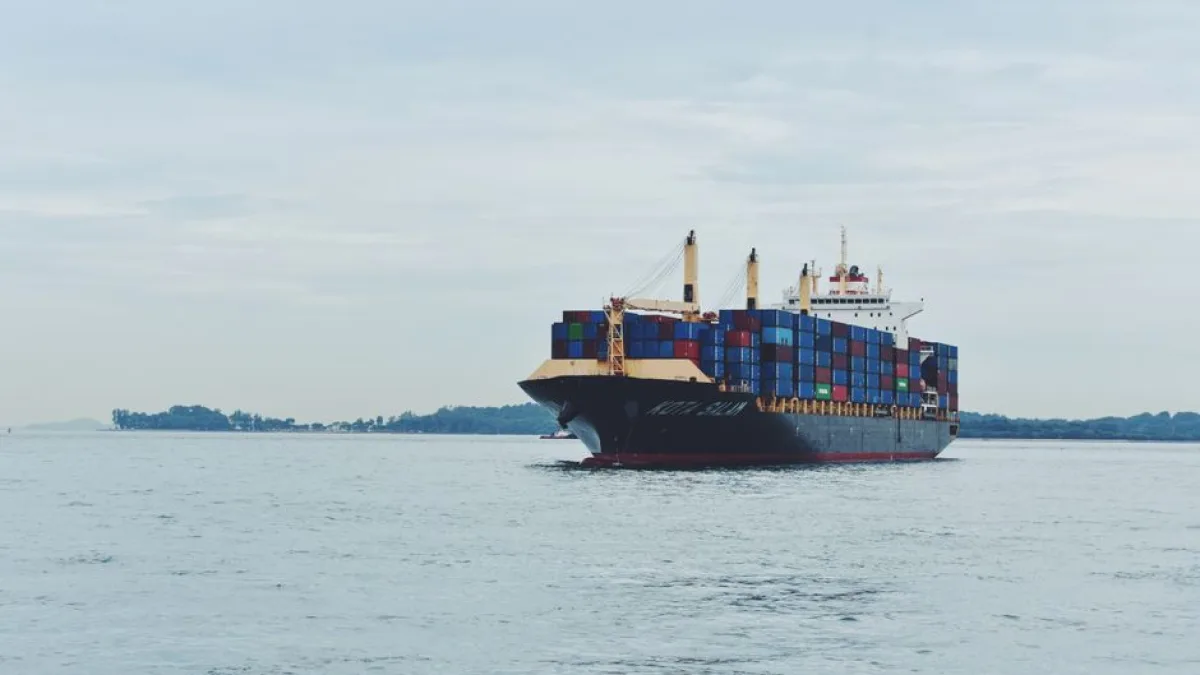
Modern clients demand instant status updates regarding their ocean freight shipments, making visibility a primary driver of customer satisfaction. Providing accurate, real-time tracking information allows forwarders to build trust and mitigate issues before they escalate into major supply chain disruptions.
- Live Tracking Integration: Connect your platform directly with carrier APIs to receive automatic status updates, ensuring that both your team and your clients stay informed at all times.
- Proactive Exception Alerts: Configure automated notification systems that trigger alerts whenever a shipment faces delays, enabling your team to resolve issues swiftly and communicate effectively with stakeholders.
- Client Portal Access: Offer your customers a dedicated login area where they can monitor their specific shipment statuses without needing to send emails or make frequent phone calls.
- Predictive Arrival Forecasting: Leverage historical data and current vessel positions to provide clients with more accurate estimated times of arrival, improving their own inventory management and distribution scheduling.
Visibility serves as a powerful differentiator in the crowded freight forwarding market. When you provide clear insights into cargo locations and potential transit hurdles, you empower your customers to make informed business decisions. This proactive approach transforms the client relationship from a simple transactional interaction into a long-term partnership based on transparency, reliability, and the consistent delivery of high-quality logistical support services.
Optimizing Carrier Selection Processes
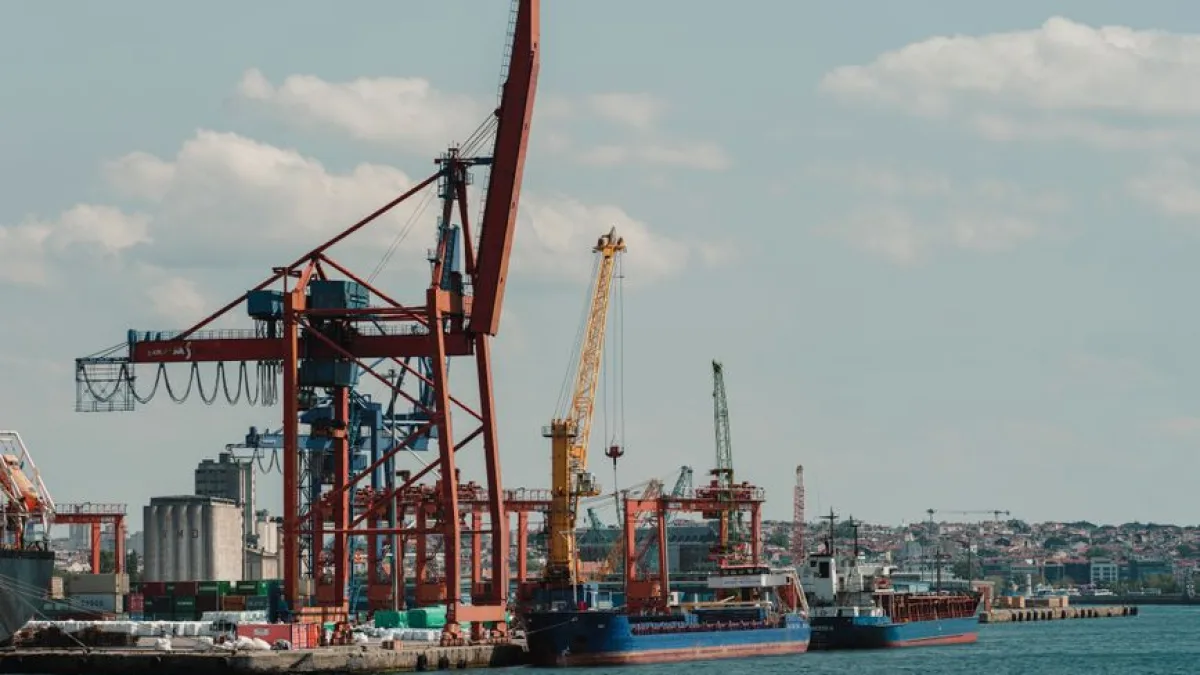
Choosing the right carrier for each ocean freight movement involves balancing cost, transit time, and reliability. Utilizing a digital platform to compare rates and performance metrics enables forwarders to make data-driven decisions that benefit both the bottom line and the client experience.
- Dynamic Rate Management: Import and compare multiple carrier quotes within a single dashboard, allowing your team to identify the most cost-effective routing options for every specific container shipment.
- Performance Metric Tracking: Maintain a database of carrier reliability scores, which helps you identify which shipping lines consistently meet deadlines and avoid those that frequently experience operational delays.
- Customized Routing Options: Create flexible routing strategies that account for seasonal capacity changes, ensuring that your clients have access to consistent space even during peak shipping seasons.
- Direct Carrier Communication: Integrate communication tools within your platform to negotiate rates or resolve booking issues directly with carriers, keeping all interactions linked to the relevant shipment record.
Strategic carrier management is essential for maintaining margins while delivering value to your customers. By analyzing performance trends and rate fluctuations, you can negotiate better contracts and select routes that minimize the risk of congestion. This analytical approach to carrier selection ensures that your operations remain agile and cost-effective, even when global trade conditions become challenging or unpredictable for your shipping logistics network.
Scaling Through Digital Automation
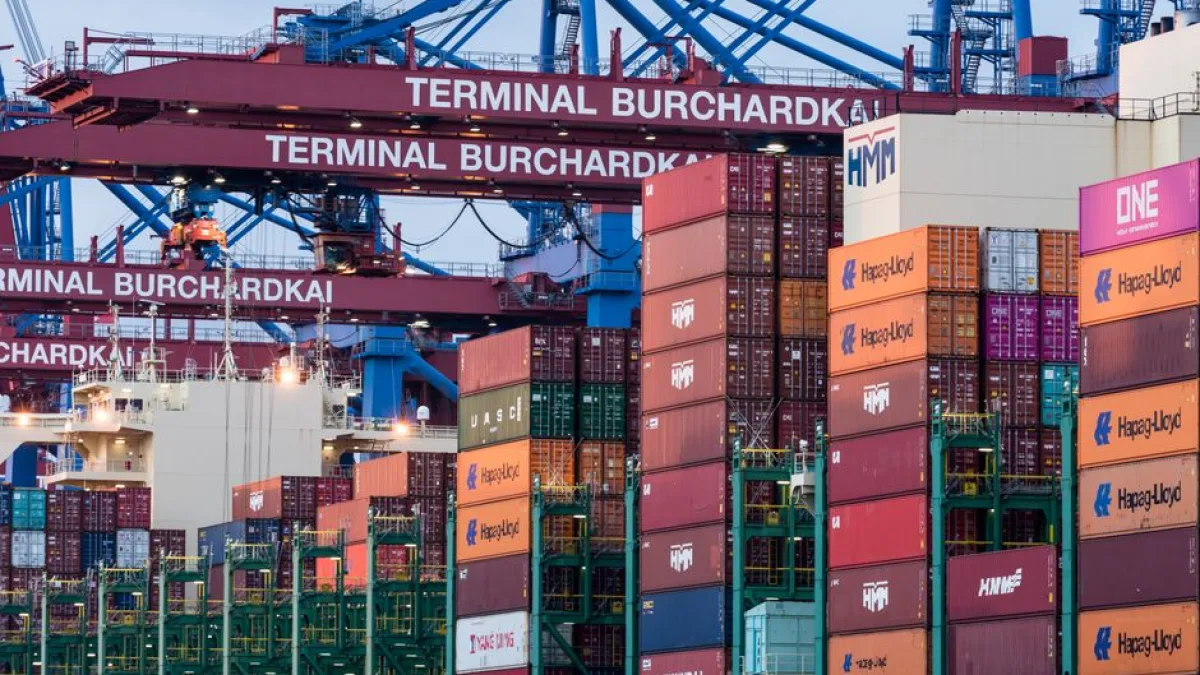
Automation is the engine that drives scalability, allowing freight forwarders to handle increased cargo volumes without the need for proportional increases in administrative headcount. By automating repetitive tasks, companies can maintain high performance standards even during periods of rapid growth and operational expansion.
- Automated Invoice Generation: Trigger the creation of invoices as soon as specific milestones are reached, ensuring that your accounts receivable department stays current and improves overall cash flow.
- Workflow Task Scheduling: Assign automated reminders to your team members for critical deadlines, such as customs filing dates or vessel cut-off times, to prevent costly oversights and penalties.
- Seamless System Integration: Sync your freight software with accounting or warehouse management tools to ensure data consistency across your entire business ecosystem and reduce manual cross-referencing efforts.
- Scalable Cloud Infrastructure: Select a cloud platform that grows with your business, allowing you to add more users, branches, or shipment volumes without experiencing technical performance limitations or interruptions.
Automation does more than just save time. It creates a standardized operational blueprint that ensures every shipment is handled with the same level of precision and care. By reducing the reliance on manual intervention, you mitigate the risk of human error and create a more scalable business model. This infrastructure positions your freight forwarding company for long-term success, agility, and consistent profitability in global trade.
Conclusion
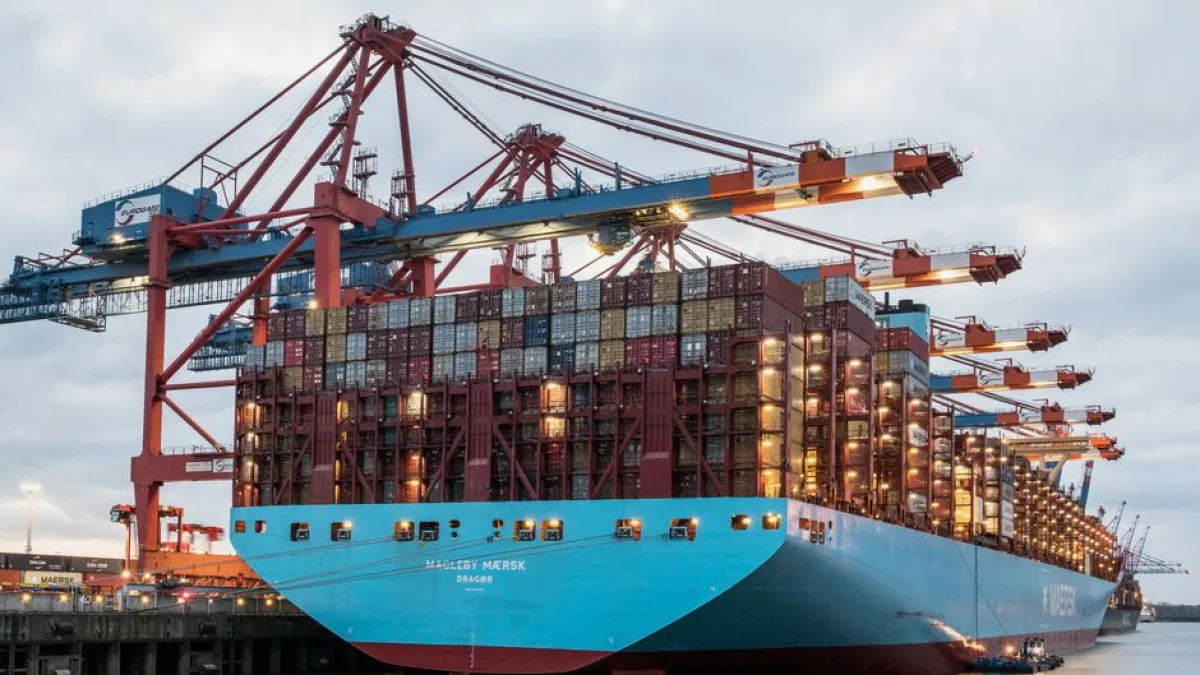
Digital transformation is the catalyst for success in the modern ocean freight sector. By adopting cloud platforms that emphasize automation, visibility, and efficient document management, forwarders can overcome traditional barriers to growth. Start integrating these advanced tools into your daily operations today to drive efficiency, improve client satisfaction, and secure a sustainable future for your business in an increasingly competitive global logistics landscape.