Optimizing Ocean Freight Operations in a Digital Era
Wednesday, September 16 2026
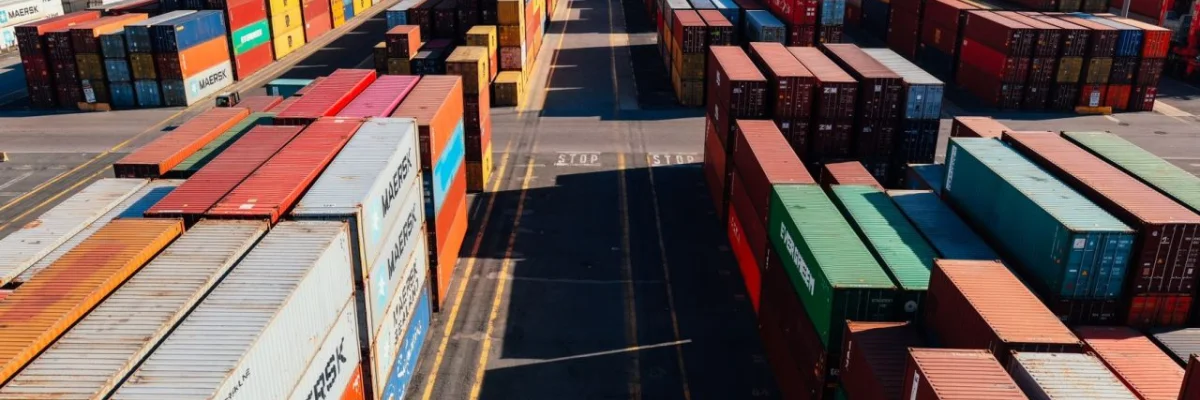
The global shipping landscape is undergoing a massive transformation driven by rapid technological advancements and fluctuating market demands. Freight forwarders are currently facing intense pressure to maintain profitability while navigating complex supply chain bottlenecks and rising container costs. For professionals in this sector, moving away from manual spreadsheets toward integrated cloud-based platforms is no longer a luxury but a fundamental necessity for survival. This article examines the essential strategies required to modernize your ocean freight operations, improve visibility, and build long-term resilience against the unpredictable nature of international trade while ensuring your team remains competitive in a fast-paced environment.
Mastering Port Logistics Efficiency
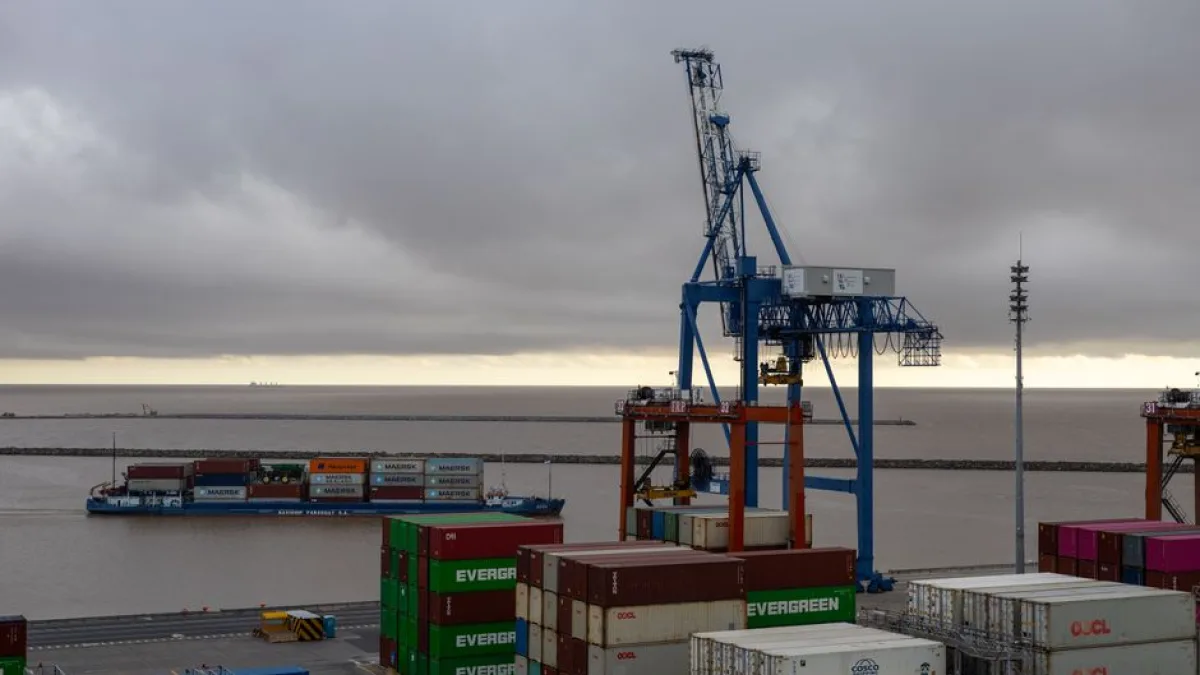
Efficient terminal handling and container movement form the backbone of successful ocean freight operations. By synchronizing data between port authorities and logistics providers, forwarders can significantly reduce idle time and avoid costly detention or demurrage fees that impact their bottom line.
- Real-time Tracking Updates: Implement automated tracking systems that provide live status updates on container movements from port to port to keep clients informed throughout the entire shipment lifecycle.
- Automated Documentation Flow: Utilize digital tools to manage bills of lading and customs forms to ensure accurate data entry and faster processing times for complex international shipments.
- Terminal Slot Optimization: Coordinate closely with drayage partners to secure optimal pickup windows that prevent unnecessary truck wait times at busy marine terminals and distribution centers.
- Fee Reduction Strategies: Monitor port performance metrics to identify chronic delays and proactively adjust routing plans to avoid high-congestion areas that drain your operational budget and resources.
Optimizing how you interact with ports requires a delicate balance of communication and technological integration. By investing in real-time visibility tools, your team gains the ability to predict disruptions before they escalate into full-scale crises. This proactive approach not only fosters stronger relationships with your shipping clients but also enhances your operational reputation as a reliable partner in an increasingly volatile global shipping marketplace.
Navigating Modern Freight Compliance

Regulatory compliance remains one of the most complex challenges for freight forwarders operating across international borders. Keeping pace with constantly changing trade laws requires a centralized digital approach to ensure every shipment meets stringent security and legal standards effortlessly.
- Automated Regulatory Checks: Use software modules that automatically flag non-compliant documentation and alert staff before shipments are dispatched to avoid significant fines or lengthy customs delays.
- Digital Audit Trails: Maintain comprehensive archives of all historical communications and filings to simplify the auditing process during government reviews or internal performance evaluations of processes.
- Trade Sanctions Monitoring: Leverage integrated databases to screen parties involved in every transaction against global watchlists to protect your organization from illegal shipping and compliance risks.
- Tariff Management Systems: Keep accurate records of evolving duty rates and commodity codes to prevent calculation errors that lead to overpayment or legal penalties during transit.
The complexity of international trade regulations requires a rigid framework that eliminates human error through automation. When compliance management is baked into your workflow, your team can focus on scaling their business rather than troubleshooting regulatory hurdles. This shift ensures that every piece of cargo moves through global customs checkpoints with minimal friction, ultimately saving your company valuable time and legal capital.
Enhancing Carrier Relationship Management

Building strong partnerships with ocean carriers is vital for securing favorable rates and reliable capacity. Digital platforms help forwarders track performance metrics and negotiation history, which is essential for maintaining a competitive edge during annual contract discussions with shipping lines.
- Performance KPI Dashboards: Track carrier reliability and transit time statistics to evaluate which partners consistently meet your service level agreements during the peak shipping season months.
- Centralized Negotiation Data: Aggregate historical pricing trends and volume reports to provide a factual basis for your team when renegotiating rates with major global ocean carriers.
- Seamless Communication Portals: Use secure messaging interfaces to resolve booking disputes or scheduling changes with carrier reps quickly to keep your clients updated on shipment progress.
- Capacity Allocation Insights: Analyze historical volume patterns to predict your future space requirements and reserve space on major trade routes well ahead of market surges.
Strong carrier relationships are built on data transparency and consistent communication. By leveraging digital platforms to share accurate volume forecasts, you position your logistics company as a valuable partner rather than just another customer. This strategic alignment allows for better capacity management when space is tight, giving you the upper hand when negotiating rates that preserve your profit margins in tough markets.
Scaling Through Cloud Automation

Cloud-based software solutions allow freight forwarders to scale their operations without the burden of heavy infrastructure. By digitizing workflows, teams can handle significantly higher volumes while maintaining the personal touch required for high-value client accounts in ocean shipping.
- Cloud Access Anywhere: Enable your global team members to manage shipments from any location using secure browser-based tools that keep all stakeholders aligned on project milestones.
- Automated Billing Cycles: Reduce the administrative burden by integrating automated invoicing systems that trigger payments upon arrival or departure to improve cash flow for partners.
- Client Self-Service Portals: Allow your customers to access their own shipment reports and status updates via a white-label portal to reduce the volume of status-request emails.
- Integration With APIs: Connect your freight platform directly to accounting and ERP systems to ensure data consistency across your entire business and eliminate manual record entry.
Scaling your logistics business is only possible when you stop relying on legacy systems that slow down your daily throughput. Cloud-based automation provides the agility necessary to adapt to market shifts while maintaining high standards of customer service. By centralizing your operations in the cloud, you empower your staff to do more with less, which is the cornerstone of sustainable growth in shipping.
Conclusion

Modernizing ocean freight processes is a critical step for any forwarder aiming to succeed in the digital age. By focusing on visibility, compliance, carrier relations, and automation, you create a robust foundation for future expansion. Evaluate your current software needs today and embrace digital transformation to ensure your logistics business remains agile, efficient, and highly competitive in the global ocean freight market.