Optimizing Ocean Freight Operations in a Digital Era
Sunday, September 20 2026
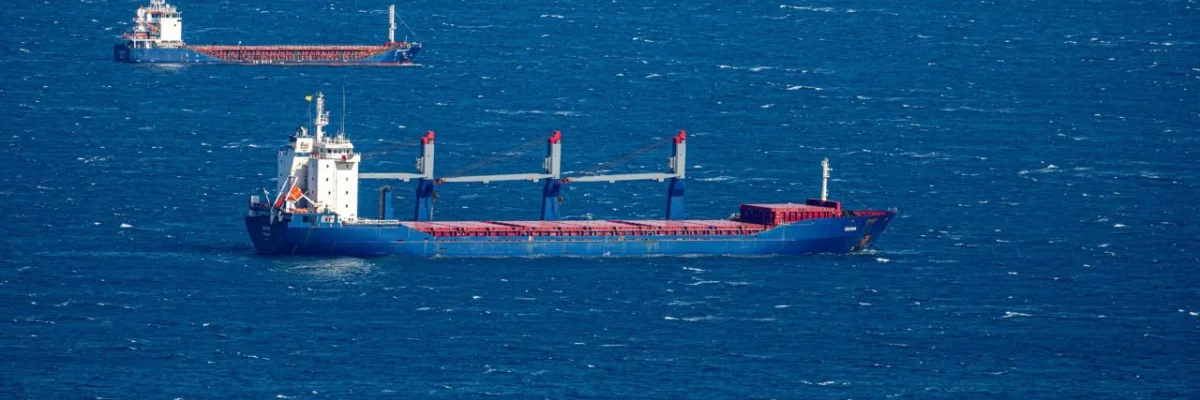
Ocean freight remains the backbone of global commerce, yet managing these complex shipments requires precision and agility in an increasingly volatile market. Freight forwarders often struggle with fragmented communication channels and manual data entry that hinder productivity and margins. As global supply chains face unprecedented pressure, the transition to cloud-based logistics platforms becomes a strategic necessity rather than a luxury. By centralizing operations and digitizing documentation, forwarders can enhance transparency, reduce human error, and provide clients with real-time updates. This article explores how modern software tools empower logistics professionals to master the complexities of international shipping while maintaining a competitive edge in today's landscape.
Mastering Container Logistics
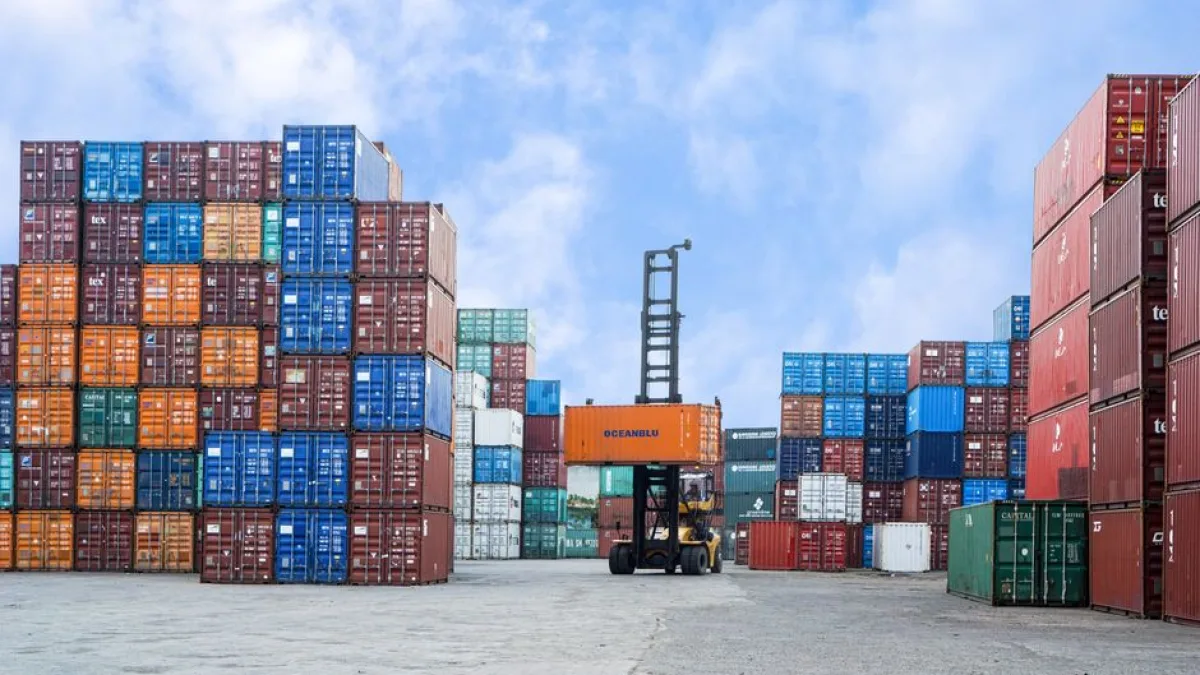
Port terminals act as the heartbeat of global trade, where massive container stacks move with rhythmic efficiency. Managing these movements effectively requires deep visibility into inventory status and arrival times to ensure that cargo stays moving without expensive delays or port storage fees.
- Automated Tracking Systems: Real-time visibility tools provide live status updates for every container throughout its journey, ensuring that your team can proactively address potential bottlenecks or schedule shifts.
- Predictive Port Analytics: Advanced algorithms analyze historical port congestion data to suggest optimal routing options, helping your team avoid high-traffic terminals and reduce overall transit lead times for clients.
- Container Utilization Rates: Maximizing space within every ocean container is vital for cost control, so using digital planning tools helps teams consolidate shipments and improve load factors consistently.
- Digital Document Handling: Transitioning from paper-based bills of lading to electronic versions accelerates customs clearance, significantly reducing the administrative burden that leads to costly cargo release delays at ports.
By leveraging digital solutions for container tracking and documentation, forwarders transform their workflows from reactive to proactive. Reducing manual touchpoints allows your staff to focus on higher value tasks, such as account management and business development. Ultimately, this leads to higher customer satisfaction rates and lower overhead costs for your freight forwarding business, securing your position as a reliable partner in the global supply chain.
Streamlining Carrier Communications
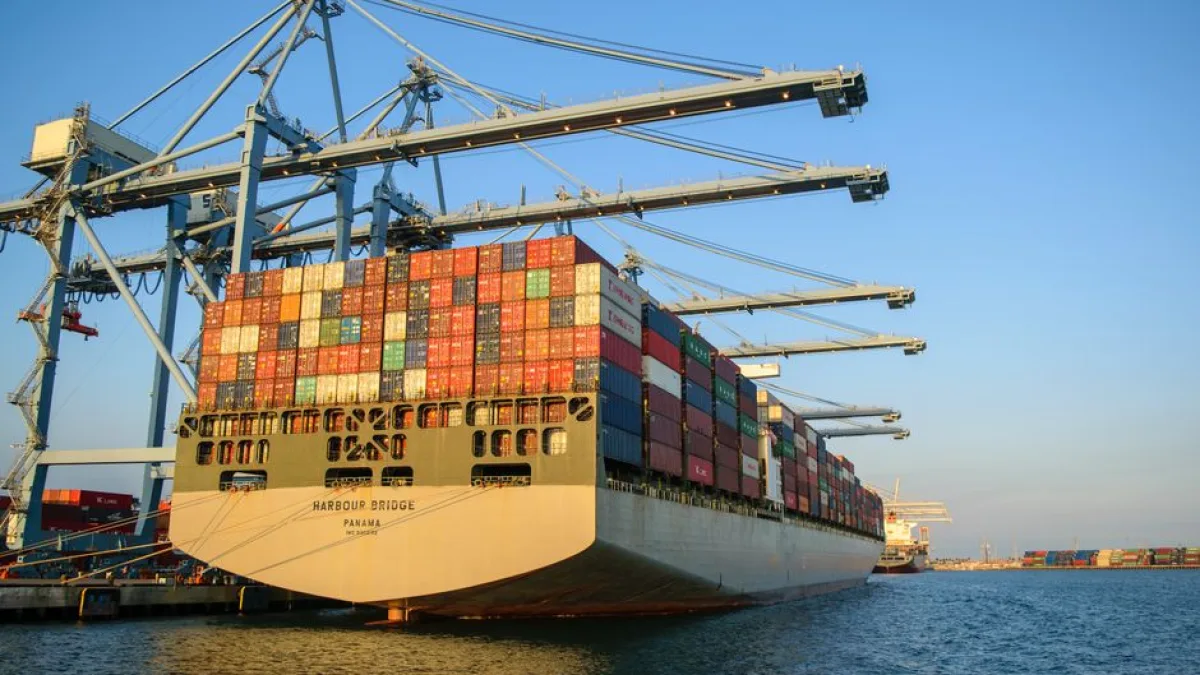
Effective collaboration with ocean carriers is essential for securing space and negotiating favorable rates during peak seasons. Digital platforms facilitate seamless information exchange, allowing for instant booking requests and updates that keep your team synchronized with the latest vessel sailing schedules.
- Unified Booking Portals: Centralized booking interfaces allow your team to submit requests to multiple carriers through a single dashboard, eliminating the need to navigate dozens of individual website portals.
- Real-time Schedule Updates: Direct integration with carrier feeds ensures that you receive immediate notifications regarding vessel delays, blank sailings, or schedule changes without needing to check multiple emails.
- Centralized Rate Management: Storing all carrier contracts in one accessible digital database makes comparing spot rates and contract pricing effortless, ensuring your team always selects the most cost-effective option.
- Automated Rate Inquiries: Smart software tools send automated alerts to carriers for rate updates, significantly speeding up the quoting process so you can provide accurate pricing to your customers faster.
Strong carrier relationships rely on clear data exchange and timely responsiveness to constant market fluctuations. By utilizing a unified communication platform, you eliminate the fragmentation that often plagues freight forwarding operations. This cohesion builds trust with carrier partners and ensures that your customers receive accurate, competitive pricing options, effectively positioning your firm as a leader in managing complex ocean freight logistics for international shippers.
Enhancing Customer Transparency

Transparency is the most valuable currency in logistics, as shippers demand constant visibility into their supply chains. Providing your customers with a secure, branded portal for self-service tracking significantly reduces the volume of repetitive status update inquiries for your busy operations team.
- Custom Client Portals: Create a branded digital space where customers can log in to view their specific shipment status, download documents, and access historical data at their convenience.
- Automated Status Alerts: Proactive email and SMS notifications ensure that your clients are informed immediately when their cargo reaches critical milestones, which builds trust and improves overall communication quality.
- Document Access Management: Providing a secure cloud repository for invoices, packing lists, and commercial documents ensures that your clients never lose track of essential paperwork needed for customs.
- Interactive Reporting Tools: Generate customized analytical reports for your clients to demonstrate value, showing them key performance metrics like on-time delivery percentages and average transit time improvements over time.
Giving your customers control over their shipment visibility fosters long term loyalty and differentiates your services in a crowded market. When shippers have direct access to information, they feel more confident in your ability to manage their supply chain effectively. This shift toward self-service technology frees your team from administrative work, allowing them to provide more personalized service where it truly counts for clients.
Optimizing Financial Workflows

Financial health determines the long term success of any freight forwarder, yet tracking ocean freight costs remains a challenge. Integrating financial modules into your shipping platform ensures that every charge is accurately calculated, billed, and reconciled with carrier invoices to maximize your profit margins.
- Integrated Billing Cycles: Automatically generate customer invoices as soon as milestones are reached, ensuring faster cash flow and reducing the time your finance team spends on manual data entry.
- Carrier Invoice Audits: Smart algorithms automatically match carrier invoices against original quotes and bookings to identify discrepancies, preventing overcharges and ensuring that you never pay more than agreed.
- Multi-currency Handling: Advanced financial tools manage complex currency conversions for international shipments, helping you avoid losses caused by fluctuating exchange rates and simplifying your accounting processes across borders.
- Profitability Analytics Tools: Detailed reports on every shipment analyze your gross profit per container, providing deep insights into which routes or clients offer the best margins for your business.
Financial precision is the key to maintaining a healthy bottom line in the ocean freight industry. By automating the auditing and billing process, you minimize errors that lead to revenue leakage and client disputes. This allows your team to focus on strategic growth and capacity planning, knowing that your financial operations are handled with accuracy and efficiency within a single, secure cloud platform.
Conclusion

Modernizing your ocean freight operations is essential for staying competitive in the fast-paced global logistics market. By adopting cloud-based software, you can unify your tracking, communication, customer service, and financial processes. These improvements save your team time, reduce costly operational errors, and enhance the overall service experience for your clients. Start optimizing your freight forwarding business today by exploring how our comprehensive platform scales with you.