Optimizing Ocean Freight Operations in a Digital Era
Sunday, September 27 2026
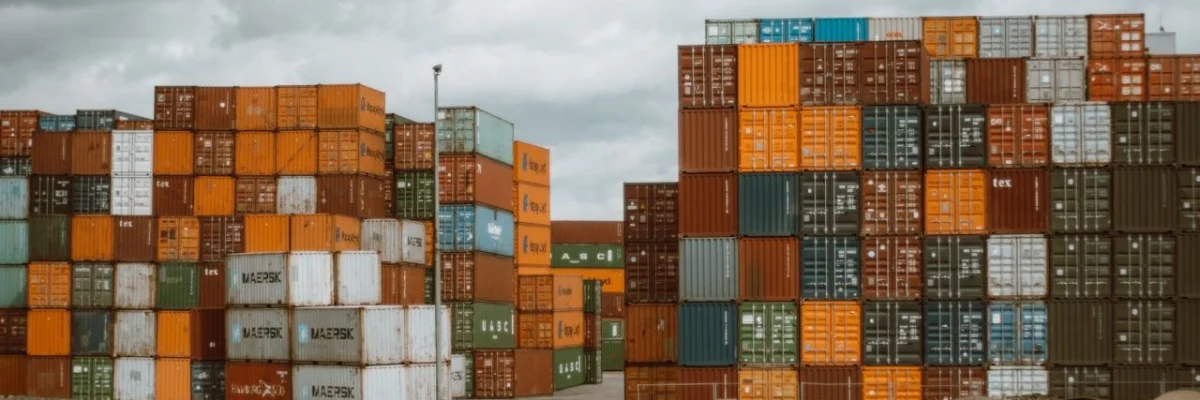
Ocean freight remains the backbone of global commerce, yet managing these complex supply chains requires modern technology to stay competitive. As freight forwarding firms navigate volatile market conditions, fuel price shifts, and increasing demands for transparency, reliance on manual processes often leads to costly errors. Digital transformation is no longer a luxury but a necessity for scaling operations efficiently. By integrating cloud-based platforms like MakeCargo, forwarders can gain real-time visibility and streamline communication between stakeholders. Embracing these advanced technological tools empowers logistics professionals to reduce administrative burdens while focusing on delivering superior service, improved accuracy, and consistent reliability for their international shipping clients.
Mastering Container Logistics
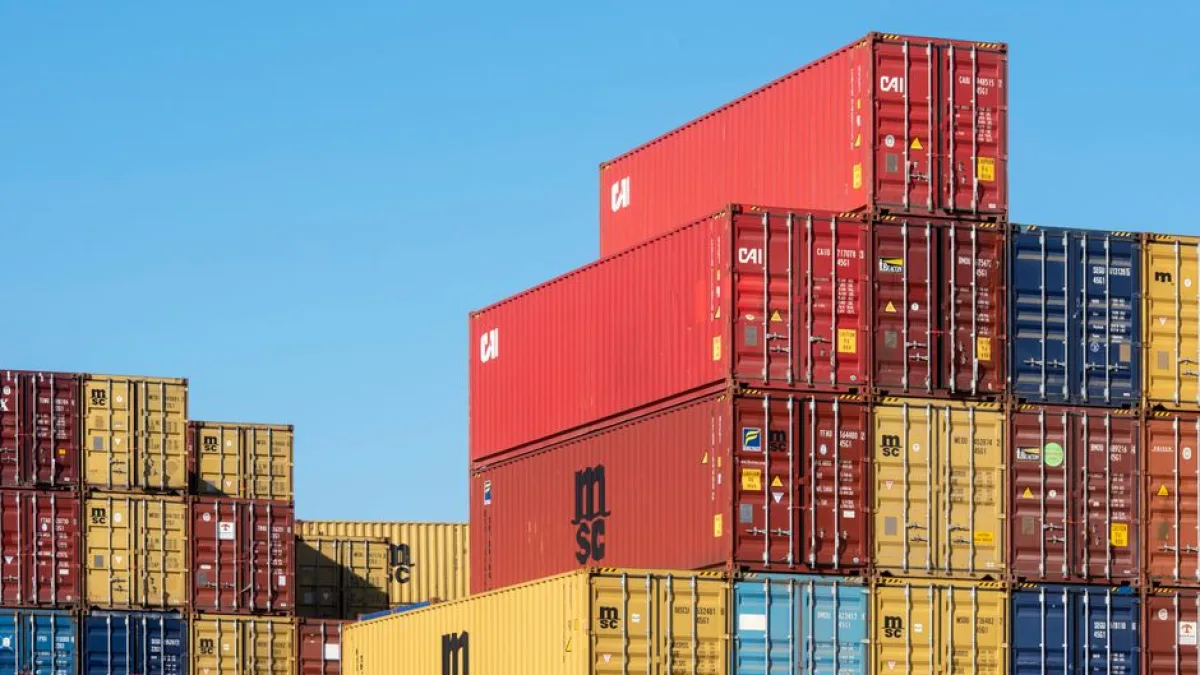
Efficient container management is the lifeblood of ocean logistics. Coordinating thousands of TEUs requires precision, as delays at terminal gates or inland depots can trigger expensive demurrage charges. Real-time data tracking helps forwarders anticipate these bottlenecks before they impact the bottom line.
- Automated Tracking Updates: Real-time status notifications provide immediate visibility into container movements across global ports, allowing operations teams to proactively manage exceptions and inform clients without manual data entry.
- Optimized Slot Booking: Intelligent software integration simplifies the booking process by comparing schedules and rates from multiple carriers, ensuring that cargo is assigned to the most efficient shipping lanes.
- Reduced Demurrage Costs: Digital monitoring of container dwell times allows logistics managers to identify potential delays early, effectively minimizing the risk of expensive penalties during port congestion periods.
- Standardized Documentation Flow: Centralizing shipping documents in a digital hub eliminates the confusion of lost paperwork, ensuring that every manifest and bill of lading is accessible for audit purposes.
By shifting to automated container management systems, forwarders can transform their workflows into high-performance operations. Digital tools reduce the risk of human oversight that often plagues traditional logistics models. When every step is recorded and monitored through a centralized interface, transparency increases significantly. This operational shift provides the foundation for sustainable growth, enabling logistics companies to handle higher shipment volumes with the same level of care.
Navigating Carrier Relations

Strong partnerships with ocean carriers are vital for securing space and competitive pricing. Forwarders who maintain transparent, data-driven relationships often secure better service levels. Modern software helps quantify performance metrics, making it easier to negotiate long-term contracts and resolve disputes effectively.
- Performance Analytics Dashboards: Analytical tools visualize carrier performance regarding on-time arrivals and schedule reliability, giving forwarders the data needed to evaluate partners and adjust their shipping strategies accordingly.
- Electronic Rate Management: Managing complex rate sheets manually is prone to errors, but digital platforms automate pricing updates, ensuring that clients always receive accurate and competitive shipping quotes.
- Seamless Communication Portals: Direct messaging features within freight platforms reduce email clutter, enabling rapid coordination with carrier representatives for urgent issues or last minute schedule changes for shipments.
- Volume Forecasting Tools: Predictive modeling helps forwarders project future shipping volumes, which can be leveraged to negotiate better freight rates during contract renewals with major ocean shipping lines.
Technology acts as a bridge between forwarders and carriers, fostering trust through objective data sharing. When both parties operate from a single source of truth, disagreements over charges and scheduling become less frequent. By utilizing these advanced analytical capabilities, logistics businesses can maintain superior service levels. This proactive approach ensures that your logistics firm remains a preferred partner for global ocean shipping carriers everywhere.
Ensuring Supply Chain Transparency

Transparency has become a primary requirement for modern shippers who demand constant updates on their high-value cargo. Providing a client portal that allows for self-service tracking significantly improves customer satisfaction. This level of access differentiates professional forwarders from their competition in today's crowded market.
- Customer Self-Service Portals: Dedicated digital portals allow shippers to check the status of their cargo 24/7, reducing the number of manual inquiry calls handled by the operations support team.
- Predictive Arrival Forecasting: Using satellite data integration, modern software calculates accurate estimated times of arrival, helping businesses manage their inventory levels and warehousing schedules with much greater precision.
- Proactive Exception Alerts: Automated systems send instant notifications if a vessel deviates from its route or encounters port delays, allowing for immediate communication with the customer about potential impacts.
- Document Access Transparency: Clients can securely download invoices and shipping documents directly from the portal, creating a seamless experience that reinforces professional trust and long-term brand loyalty.
Digital transparency empowers your clients by giving them the information they need to manage their own supply chains. When forwarders share live data, they demonstrate a commitment to excellence and reliability. Investing in these customer-facing technologies pays dividends by reducing administrative overhead and increasing retention rates. Your ability to provide instant, accurate information will become your most powerful tool for securing new long-term contracts.
Streamlining Compliance Procedures

Regulatory compliance is a critical aspect of international ocean freight that requires absolute accuracy. Filing customs documentation and meeting safety standards can be overwhelming without specialized software. Automated systems ensure that all filings meet local and international requirements, significantly reducing the risk of fines.
- Automated Regulatory Checks: Integrated systems run automatic validation checks against updated customs databases to ensure that all shipping information meets current international trade laws and safety regulations.
- Secure Data Encryption: Protecting sensitive client information is essential, and cloud platforms offer robust encryption protocols that safeguard proprietary cargo data against unauthorized access or potential cyber threats.
- Centralized Filing Systems: Maintaining a digital audit trail of all compliance documents allows forwarders to respond quickly and accurately to any inquiries from port authorities or regulatory agencies.
- Real-time Regulatory Updates: Software systems monitor global trade policy changes and push relevant updates to the user dashboard, keeping operations staff informed about shifting requirements for specific countries.
Compliance is a complex field, but automation makes it manageable for growing forwarding businesses. By minimizing manual filing errors and staying ahead of changing global trade laws, forwarders can operate with total confidence. This peace of mind allows your team to focus on growing the business rather than worrying about potential legal pitfalls. Professionalizing your compliance process is a smart strategic move.
Conclusion

Successful ocean freight management relies on the integration of smart software and strategic decision-making. By embracing digital tools, forwarders can navigate the complexities of global trade with increased efficiency, transparency, and compliance. Start your journey toward modernized logistics today by exploring how our platform can transform your operations. Contact MakeCargo to learn how our software helps you deliver more value to your global clients.