Optimizing Ocean Freight Operations in a Digital Era
Thursday, October 1 2026
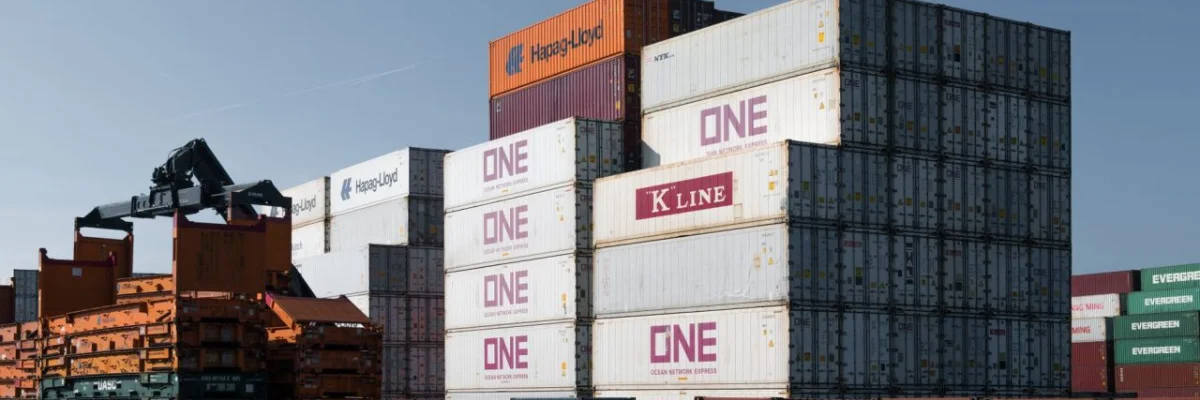
The global ocean freight industry is undergoing a massive transformation driven by rapid technological advancements and shifting trade requirements. For freight forwarders, the pressure to maintain operational efficiency while managing complex supply chain disruptions has never been higher. Modern logistics professionals must leverage cloud-based platforms to gain real-time visibility, automate manual documentation processes, and reduce overhead costs significantly. By adopting data-driven strategies and streamlining communication across the supply chain, companies can enhance service delivery for their clients. Embracing digital tools is no longer a luxury but a fundamental necessity to remain competitive in today's increasingly volatile and fast-paced international shipping market environment.
Mastering Port Congestion Management
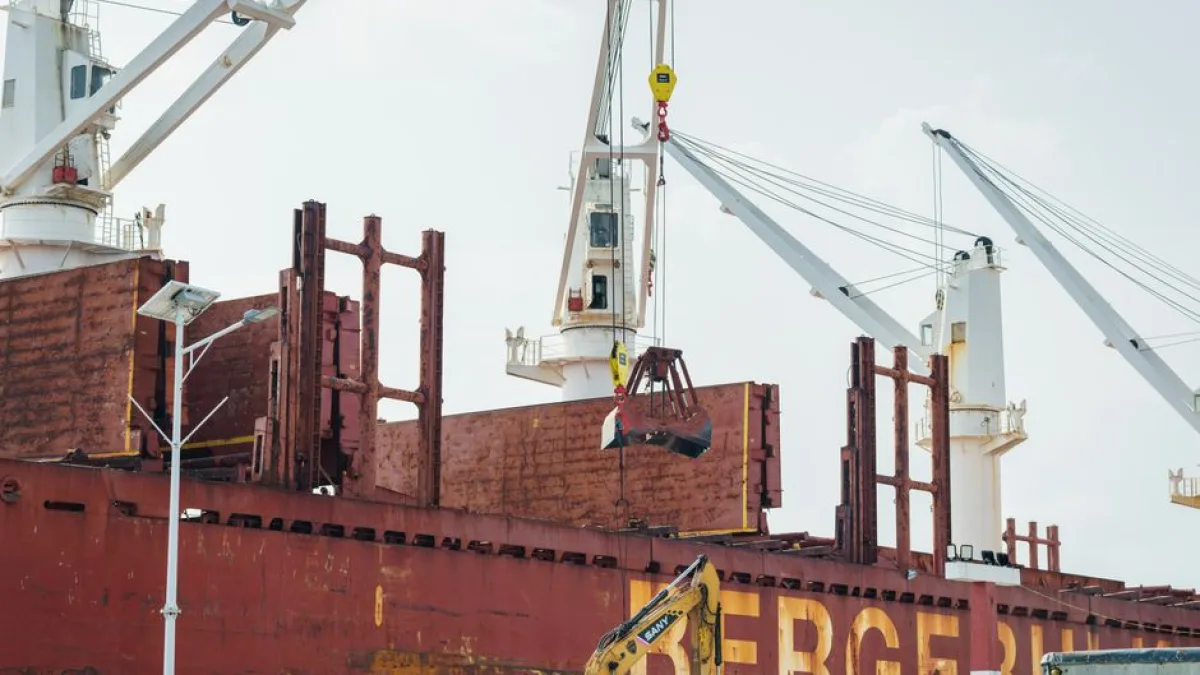
Efficiently navigating port congestion requires proactive planning and a deep understanding of vessel schedules. When terminals experience bottlenecks, freight forwarders must utilize predictive analytics to reroute shipments and avoid costly delays that impact the final delivery timeline for end customers.
- Real-time vessel tracking: Modern software provides constant updates on vessel positions and arrival times, allowing forwarders to anticipate delays before they impact the broader logistics schedule for their clients.
- Data-driven routing decisions: Advanced algorithms analyze congestion trends at various global ports, enabling logistics teams to choose alternative hubs that ensure faster processing times and consistent flow.
- Effective stakeholder communication: Automated alerts keep all parties informed about status changes, reducing the need for manual inquiries and ensuring that everyone remains aligned throughout the transit process.
- Strategic contingency planning: Developing robust backup plans for unexpected port closures or labor disputes helps forwarders maintain operational continuity even when faced with significant external global disruptions.
By implementing these strategic approaches, forwarders can better manage the unpredictable nature of busy marine terminals. Utilizing integrated software ensures that every team member has access to accurate information, which minimizes errors and enhances the overall efficiency of the shipment lifecycle. This proactive stance not only preserves profit margins but also builds long-term trust with clients who rely on consistent delivery performance every day.
Digital Documentation and Compliance

Handling complex shipping documentation electronically reduces the risk of human error and speeds up customs clearance processes. By centralizing bills of lading and invoices within a digital platform, companies ensure that compliance requirements are met without the typical administrative burden.
- Centralized document management: Storing all shipping files in a secure cloud environment makes it easy to retrieve essential paperwork, ensuring that teams remain organized and audit-ready at all times.
- Automated compliance checks: Intelligent software flags missing information or potential regulatory issues early, preventing costly customs holds and ensuring that cargo moves through borders without unnecessary interference.
- Electronic data interchange: Facilitating seamless communication between carriers, agents, and customs authorities streamlines the exchange of information, which significantly reduces the time spent on manual document processing.
- Enhanced data security: Cloud platforms utilize advanced encryption to protect sensitive shipping data, ensuring that client information remains private and secure against potential cybersecurity threats in transit.
Transitioning from paper-based systems to digital documentation represents a critical step for modern logistics firms. When data is digitized, it becomes a powerful asset that informs decision making and highlights areas for improvement. This shift not only saves valuable staff hours but also ensures a higher level of accuracy, reducing the risk of disputes and penalties during the critical ocean freight shipping process.
Optimizing Container Space Utilization
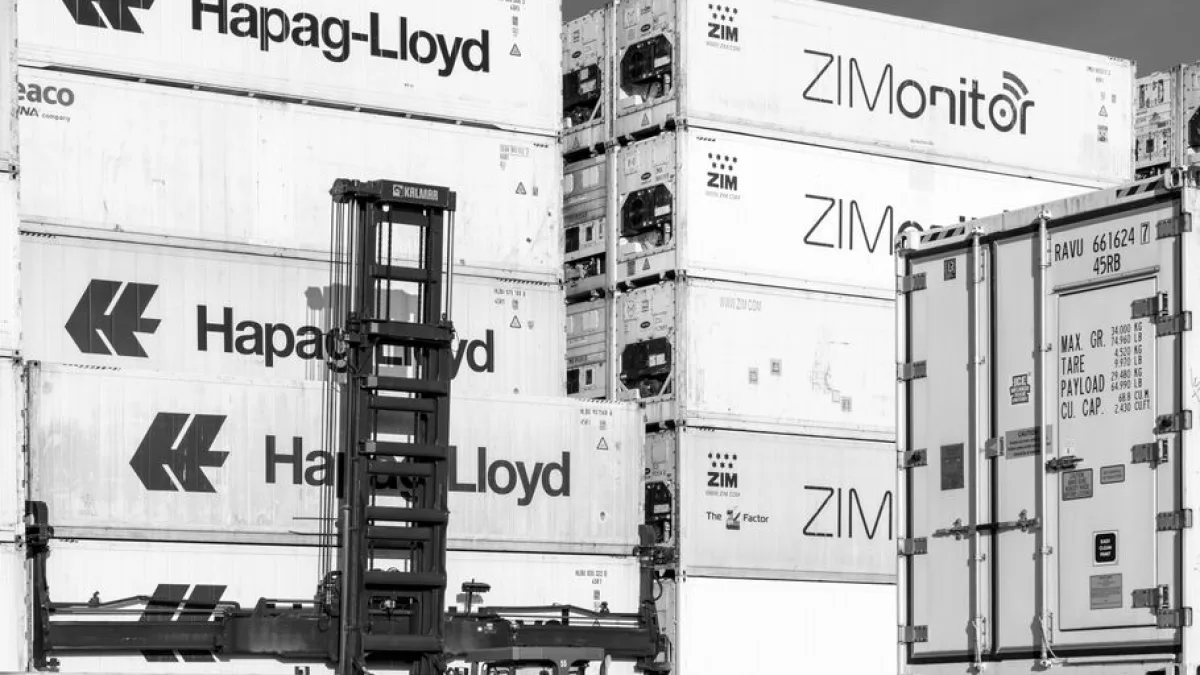
Maximizing container utilization is essential for reducing shipping costs and minimizing the environmental footprint of logistics operations. Forwarders who optimize their load configurations can fit more cargo into each unit, significantly increasing the profitability of every ocean freight shipment managed.
- Advanced load planning: Using specialized software tools helps logistics planners calculate the most efficient way to arrange goods, ensuring that every cubic inch is utilized to its maximum potential.
- Cost reduction strategies: Efficiently filling containers lowers the price per unit for the shipper, providing a competitive pricing edge while maintaining healthy profit margins for the freight forwarding company.
- Sustainable freight practices: Reducing the total number of containers required to transport goods lowers the overall carbon footprint, helping businesses meet their sustainability goals and environmental compliance targets easily.
- Standardized packing guidelines: Establishing clear procedures for warehouse teams ensures that cargo is loaded safely and correctly, which prevents damage to goods and speeds up the loading operations.
Refining how containers are filled is a direct way to improve the bottom line of any shipping operation. By utilizing technology to model cargo arrangements, freight forwarders can eliminate wasted space and optimize their transport assets. This dedication to precision ensures that logistics providers remain lean and efficient, delivering excellent value to customers while reducing the resource intensity of their daily ocean freight activities.
Leveraging Cloud Logistics Platforms

Cloud-based software empowers freight forwarders to manage global operations from any location, providing unprecedented flexibility and scale. These platforms integrate disparate systems, offering a unified view of the supply chain that is vital for making rapid, informed business decisions in real time.
- Seamless system integration: Modern logistics platforms connect easily with accounting, CRM, and carrier systems, creating a unified workflow that eliminates silos and boosts productivity across all departments.
- Scalable business architecture: Cloud solutions allow companies to easily add new users or expand into new regions without the need for complex, expensive on-site server hardware installations.
- Mobile access functionality: Field agents and office staff can access live shipment data from mobile devices, ensuring that critical information is always available regardless of their physical location.
- Customized reporting tools: Robust analytics dashboards allow forwarders to monitor key performance indicators, providing the necessary insights to refine strategies and improve overall business performance and growth.
Choosing the right cloud infrastructure is the foundation for future-proofing a freight forwarding business. As the industry becomes increasingly digitized, having the ability to access data and collaborate across teams in real time is a major competitive advantage. Investing in these versatile platforms allows companies to adapt to changing market conditions with agility, ensuring they can serve their global customers more effectively than ever before.
Conclusion

Success in the ocean freight industry requires a combination of technology, strategic planning, and a commitment to operational excellence. By focusing on digitalization, process optimization, and cloud integration, forwarders can overcome current market challenges while positioning themselves for long-term growth. Stay focused on utilizing modern tools to drive efficiency and reliability. The future of logistics belongs to those who choose to innovate and adapt quickly.